Johny Imanuel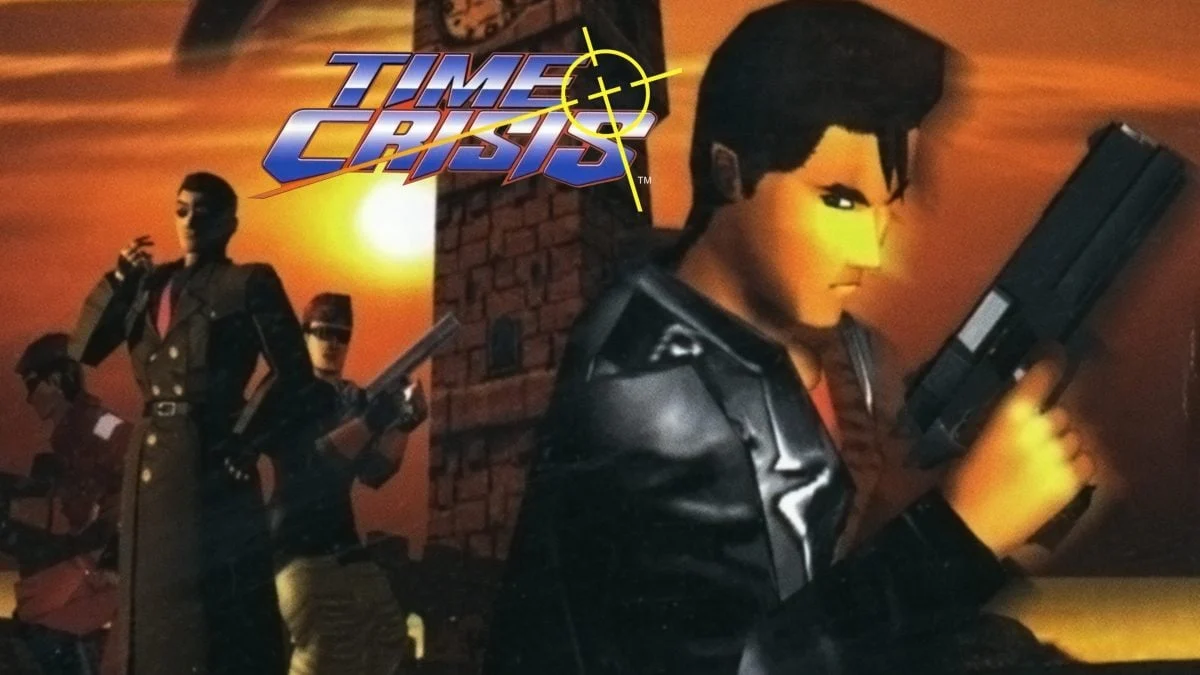
The announcement, delivered via the official PlayStation Blog and corroborated by Bandai Namco’s social media channels, positions Time Crisis as a cornerstone of the May 2026 update for the PlayStation Plus Game Catalog. Alongside the subscription-based access, the title will also be available for individual purchase on the PlayStation Store, following the precedent set by previous legacy titles like Wild Arms 4 and Tekken 2. Access through the subscription service requires the Premium tier, currently priced at $17.99 per month, which serves as the exclusive home for Sony’s curated library of original PlayStation, PS2, and PSP emulated classics.
The Evolution of Light-Gun Mechanics for Modern Displays
The inclusion of gyro aim is more than a mere quality-of-life update; it is a technical necessity for bringing light-gun games into the contemporary era. The original Time Crisis, which debuted in arcades in 1995 and on the PlayStation in 1997, relied on the Namco Guncon (G-Con 45 in Europe). This peripheral functioned by sensing the timing of the electron beam scan on a CRT monitor to determine where the player was pointing. Because modern LCD, OLED, and LED displays do not utilize electron beams and have varying levels of input latency, traditional light guns are fundamentally incompatible with modern hardware.
By implementing gyroscopic controls, Bandai Namco allows players to aim by physically moving their controller. This method has seen a resurgence in popularity through titles like Splatoon and the recent "flick stick" configurations in first-person shooters. In the context of Time Crisis, the gyro sensors in the DualSense and DualShock 4 will translate the tilt and rotation of the controller into on-screen reticle movement. While the announcement did not specify whether the "pedal" mechanic—the series’ signature cover system—would be mapped to motion gestures, it is expected that players will use the shoulder buttons or triggers to duck and reload, mimicking the foot pedal found in the arcade cabinets.
Historical Context: The Legacy of VSSE and Richard Miller
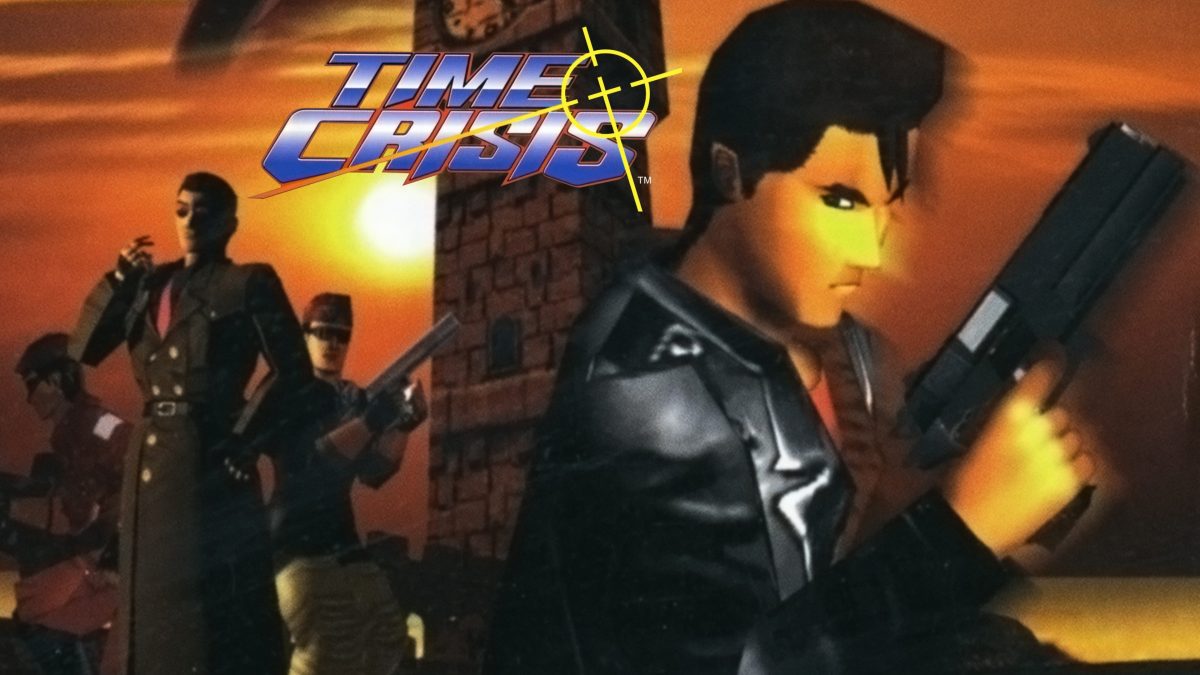
To understand the impact of this re-release, one must look back at the state of the arcade industry in the mid-1990s. Time Crisis was a revolutionary title that separated itself from contemporary shooters like Sega’s Virtua Cop through its "Cover and Reload" system. While other games required players to shoot off-screen to reload, Time Crisis introduced a physical pedal. Stepping on the pedal allowed the player to emerge from cover to shoot, while releasing it forced the protagonist, Richard Miller, into a defensive position to reload his weapon and avoid incoming fire.
The narrative follows Miller, an agent of the Vital Situation, Swift Elimination (VSSE) organization. He is dispatched to the nation of Sercia to rescue Rachel MacPherson, the daughter of the country’s president, who has been kidnapped by a mercenary group led by the villainous Sherudo Garo. The game’s primary antagonist, the cyborg assassin Wild Dog, became a recurring staple of the series, appearing in nearly every subsequent sequel. The game was praised for its cinematic pacing, tight time limits, and the intense pressure of its "Crisis Flash" warning system, which signaled imminent unblockable attacks.
Expanded Content: The Kantaris Deal
The PS4 and PS5 versions will not be limited to the arcade campaign. Sony confirmed that the "Special Mission" mode, known as the Kantaris Deal, will be included in the package. Originally exclusive to the 1997 PlayStation port, this mode serves as a canonical side story or "alternate" ending that significantly extends the game’s longevity.
In the Kantaris Deal, Richard Miller is sent to a remote hotel resort to investigate illegal arms manufacturing linked to the Kantaris corporation. This mode is notable for its branching paths; depending on how quickly a player clears a room or which targets they prioritize, the game transitions to different environments and boss encounters. This inclusion ensures that the modern release is the definitive version of the original game, combining the graphical fidelity of the arcade (via upscaling) with the content-rich features of the home console port.
Technical Specifications and Emulation Features
As part of the PlayStation Plus Classics line, Time Crisis is expected to benefit from the standard suite of features provided by Sony’s proprietary emulator. While the core gameplay remains a faithful recreation of the 1995/1997 experience, players can anticipate several modern enhancements:
- Resolution Upscaling: The game will likely run at a higher internal resolution, providing cleaner lines and reduced pixelation on 4K displays.
- Save States: The ability to save at any point, a crucial feature for a game designed to extract quarters from arcade players through high difficulty.
- Rewind Functionality: A standard feature for the Classics library, allowing players to undo a fatal mistake or a missed shot instantly.
- Trophy Support: While not explicitly detailed in the initial blog post, most first-party and major third-party Classics releases on the service have included a full set of Trophies, including a Platinum.
- Visual Filters: Options to simulate the look of a CRT monitor for those seeking a more nostalgic aesthetic.
A Timeline of the Time Crisis Franchise
The arrival of the original title on modern consoles serves as a reminder of the franchise’s long-standing influence on the gaming landscape.
- 1995: Time Crisis debuts in arcades on the Namco System 22 board.
- 1997: The game is ported to the PlayStation, introducing the Guncon.
- 1998: Time Crisis II introduces two-player cooperative play.
- 2001: Time Crisis II arrives on PS2 with the Guncon 2.
- 2002/2003: Time Crisis 3 adds weapon switching (handgun, machine gun, shotgun, grenades).
- 2006: Time Crisis 4 introduces a multi-screen battle system and launches on the PS3 with the LED-based Guncon 3.
- 2010: Time Crisis: Razing Storm is released, supporting the PlayStation Move motion controller.
- 2015: Time Crisis 5 introduces a dual-pedal system for flanking maneuvers in arcades.
- 2026: The original Time Crisis is preserved on PS4 and PS5 with gyro support.
Market Analysis and Industry Implications
The decision to bring Time Crisis to the PlayStation Plus Premium service reflects a broader trend of "nostalgia-mining" and preservation within the industry. For years, light-gun enthusiasts have lamented the "death" of the genre on home consoles due to the transition to modern screen technology. While peripheral manufacturers have attempted to bridge the gap with infrared sensors (like the Wii Remote or the Sinden Lightgun), native support for gyro aiming on standard controllers provides the lowest barrier to entry for the general public.
Industry analysts suggest that if Time Crisis performs well on the service, it could pave the way for other Namco light-gun classics, such as Point Blank, Vampire Night, and the Crisis Zone spin-off. Furthermore, it signals Bandai Namco’s willingness to revisit its back catalog at a time when fans are increasingly vocal about the lack of accessibility for 32-bit and 128-bit era titles.
The $17.99 monthly price point for PlayStation Plus Premium has often been a point of contention among consumers. However, the addition of high-profile, mechanically unique games like Time Crisis strengthens the value proposition of the tier. By offering a control scheme that mimics the arcade experience without requiring additional financial investment in hardware, Sony and Bandai Namco are positioning this release as both a historical curiosity and a viable modern entertainment option.
Official Responses and Community Reaction
While official statements from Bandai Namco have been focused on the technical delivery of the game, the community response has been overwhelmingly positive, particularly regarding the gyro implementation. Social media discussions have centered on the potential for "Platinum Trophy" hunts and the hope that the gyro sensitivity will be highly customizable to account for different player preferences.
A spokesperson for Bandai Namco US stated on social media, "We are thrilled to bring the high-octane action of the original Time Crisis to a new generation. The addition of gyro aiming ensures that the ‘point-and-shoot’ thrill remains intact on modern PlayStation hardware."
The release on May 19, 2026, will coincide with several other high-profile additions to the PlayStation Plus Catalog, including Star Wars Outlaws and Red Dead Redemption 2. However, for fans of arcade history, the return of Richard Miller and the VSSE is undoubtedly the highlight of the month. As the gaming industry continues to grapple with the challenges of digital preservation and hardware evolution, the rebirth of Time Crisis stands as a successful example of adapting the past for the future.