Vera Clarissa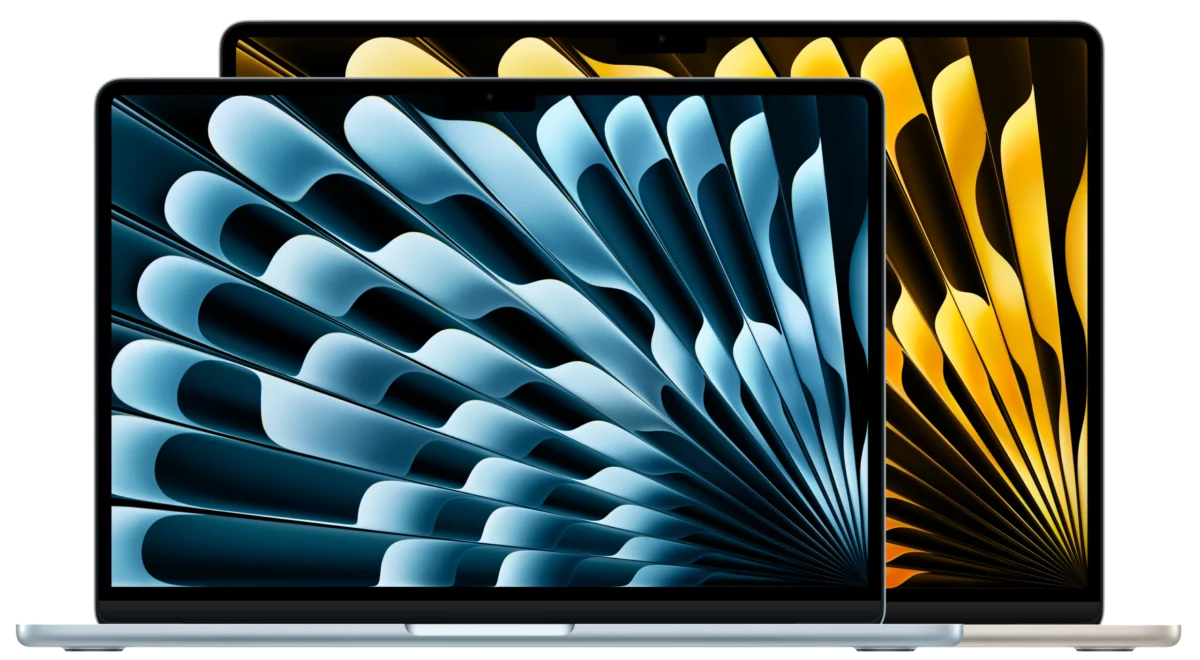
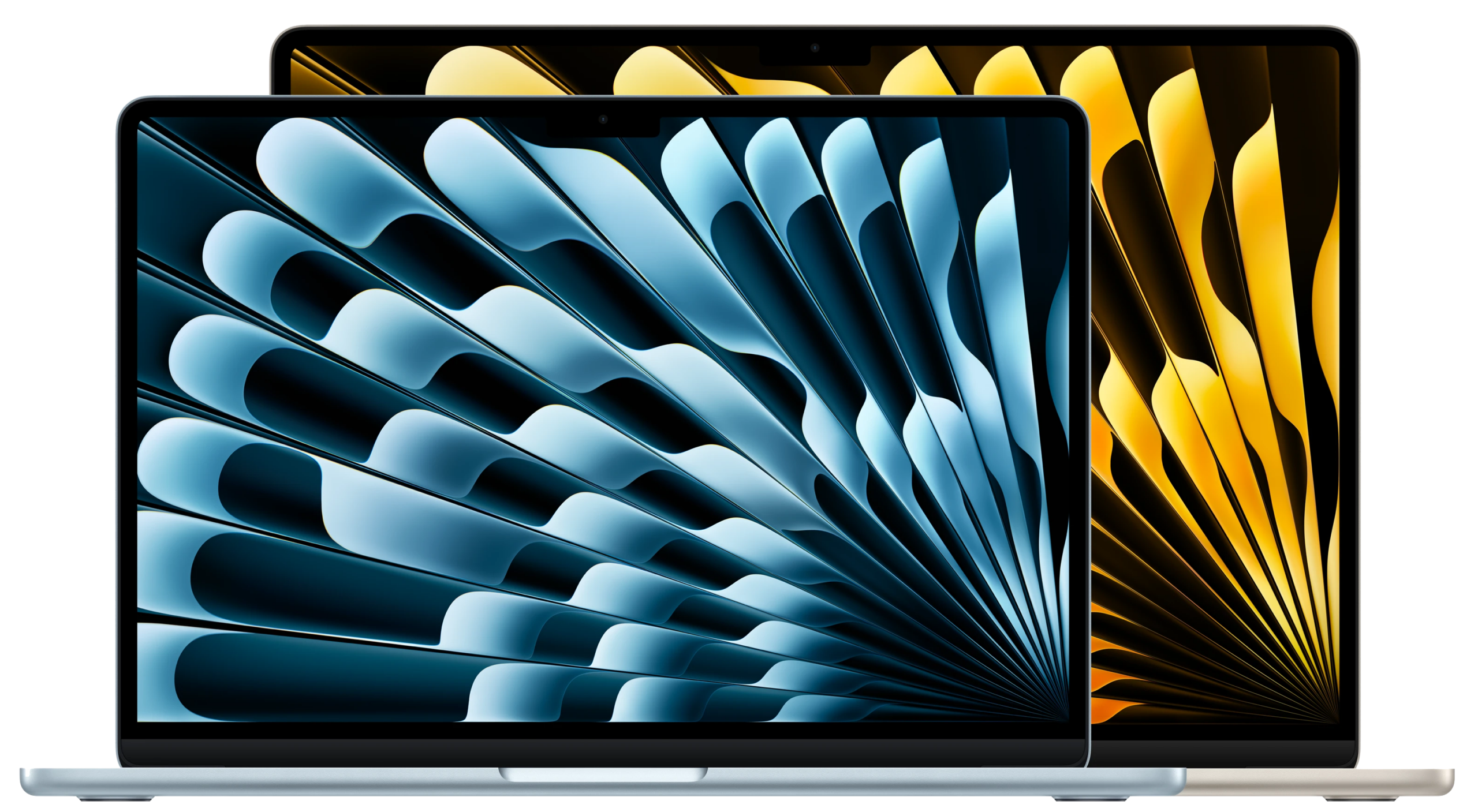
The latest iteration of Apple’s ultraportable laptop, the M5 MacBook Air, has been unveiled, marking a significant evolution in the MacBook Air lineup. Introduced on March 3rd, 2026, this new model is distinguished by its groundbreaking M5 chip, which promises to redefine user workflows and performance expectations for a device traditionally positioned as an entry-level offering. While the exterior design appears largely consistent with its predecessor, the internal advancements, particularly those driven by the M5 silicon, represent a substantial paradigm shift.
A New Era for MacBook Air Performance
Five generations into Apple’s proprietary Silicon development, the MacBook Air has transformed from a device known for its portability and basic computing capabilities into a powerhouse capable of handling demanding tasks. The M5 chip ushers in an era where underpowered CPUs and weak integrated graphics are relics of the past. This advancement is particularly noteworthy for the MacBook Air, a fanless design that has historically prioritized silence and battery life over raw processing power.
The performance gains are stark, even when comparing the M5 MacBook Air to its Pro counterparts. In recent benchmark tests, specifically a Cinebench GPU evaluation, the M5 MacBook Air demonstrated remarkable prowess. It achieved approximately 92% of the speed of the M5 MacBook Pro, scoring around 22,000 compared to the Pro model’s approximately 24,000. This level of performance parity, especially in a passively cooled chassis, is unprecedented. While year-over-year chip upgrades often yield incremental improvements, the M5 chip’s GPU capabilities represent a substantial leap forward from the M4 generation, offering a dramatically enhanced graphical experience.
This enhanced graphical performance is not merely a benchmark curiosity; it translates directly into tangible benefits for users. Creative professionals, students engaged in visual arts or design, and even casual users will notice smoother performance in graphically intensive applications, faster rendering times, and a more responsive user interface. The ability of the M5 MacBook Air to approach the graphical output of a MacBook Pro, without the need for active cooling, speaks volumes about Apple’s advancements in thermal management and chip efficiency.
Enhanced Storage and Next-Generation Connectivity
Beyond the M5 chip, Apple has also addressed key areas of user experience and connectivity. The base storage configuration has been significantly upgraded to 512 GB, a welcome improvement for users who previously found the standard 256 GB insufficient for their needs. Furthermore, the storage capacity can now be expanded up to a remarkable 4 TB, albeit at a considerable premium of $1200. This increased storage flexibility caters to a broader range of users, from those requiring ample space for large project files and extensive media libraries to professionals dealing with massive datasets.
A pivotal advancement in connectivity is the integration of Apple’s proprietary N1 wireless networking chip. This new component supports Wi-Fi 7, Bluetooth, and Thread, promising a more robust and efficient wireless experience. The N1 chip is engineered to significantly reduce battery consumption, particularly when handling location tracking services. The theoretical speeds of Wi-Fi 7, capable of reaching up to 46 Gb/s, are poised to rival or even surpass the performance of Thunderbolt 4, ushering in an era of lightning-fast wireless data transfer. This could have profound implications for tasks such as large file transfers, streaming high-resolution content, and cloud-based workflows, making the M5 MacBook Air a more versatile tool for both productivity and entertainment.

The memory architecture has also seen a substantial upgrade. The M5 chip boasts an increased memory bandwidth of 153 GB/s, facilitated by cutting-edge mobile memory technology utilizing 4800 MHz LPDDR5X-9600. This boost in memory bandwidth is crucial for multitasking and handling complex applications, ensuring that the M5 MacBook Air can smoothly juggle multiple demanding processes without performance degradation.
Complementing these internal upgrades, the M5 MacBook Air is bundled with a new 40-Watt dynamic charger, capable of a maximum output of 60W. This replaces the previous 35-Watt Dual USB-C compact adapter, offering faster charging capabilities and a more robust power delivery solution for the enhanced hardware.
A Testament to Apple Silicon’s Evolution
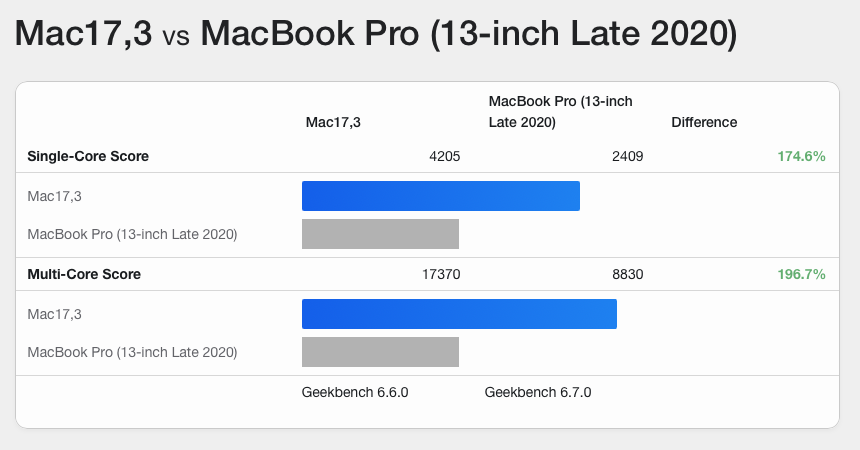
The performance leap between the M1 chip and the new M5 chip is nothing short of astonishing. When comparing the 13-inch M5 MacBook Air to a 13-inch M1 MacBook Pro, the M5 Air delivers approximately 174% of the performance. While not quite doubling the performance, this figure underscores the rapid pace of innovation in Apple Silicon over the past five years. This comparison highlights how far the MacBook Air has come, transforming from a device that necessitated compromises to one that now offers performance levels previously exclusive to higher-tier models. This evolution suggests that the lines between the MacBook Air and MacBook Pro are becoming increasingly blurred, with the Air model now capable of handling a far wider array of professional tasks than ever before.
Apple Intelligence and Broad Ecosystem Compatibility
A significant software-driven enhancement accompanying the M5 MacBook Air is its full support for Apple Intelligence. This advanced AI framework is designed to integrate seamlessly across Apple’s ecosystem, offering personalized and intelligent features to users. Apple Intelligence is available on any Mac equipped with Apple Silicon, including the new M5 MacBook Air. Its reach extends to a broad spectrum of devices, including most iPads with M-series chips and iOS devices running iOS 18 and later that are powered by an A17 Pro chip or better. This includes the iPhone 15 Pro/Pro Max and all iPhone 16 models and beyond. The widespread availability of Apple Intelligence signifies Apple’s commitment to democratizing advanced AI capabilities across its product lines, enhancing user interaction and productivity through intelligent automation and predictive assistance.
Key Features and Technical Specifications
The M5 MacBook Air introduces several notable features that enhance its functionality and user experience.
Closed Lid Mode: Apple continues to support "lid closed" or clamshell mode on all MacBook models, including the M5 MacBook Air. This feature allows users to operate their MacBook with the lid shut, dedicating all unified memory to an external display. To utilize this mode, the MacBook must be connected to AC power and an external display, along with a USB or Bluetooth mouse and keyboard. Upon powering up and displaying the desktop on the external monitor, closing the lid will put the MacBook to sleep, which can then be woken by interacting with the external peripherals. The internal display remains inactive, focusing all resources on the external setup. To revert to using the internal display, the external display must be disconnected, the MacBook put to sleep, and the lid opened.

Battery Life: Apple claims an impressive battery life for the M5 MacBook Air, rated at up to 15 hours of wireless web browsing and up to 18 hours of video streaming. These figures are consistent with Apple’s commitment to long-lasting battery performance in its ultraportable devices, further enhancing its appeal for users on the go.
Core System and Cache Architecture: The M5 chip features a sophisticated cache hierarchy designed to maximize performance and efficiency. This includes L1 Instruction (L1i) and L1 Data (L1d) caches, alongside a System Level Cache (SLC). While specific configurations can vary across different M5 chip variants, the underlying architecture is optimized for rapid data access and processing. For the CPU, the cache configuration typically includes:
- L1 Instruction Cache: 32 KB per core
- L1 Data Cache: 48 KB per core
- System Level Cache (SLC): A shared cache designed to improve data coherence and reduce latency across CPU cores and other system components. The exact size of the SLC can vary.
Memory and Bandwidth: The M5 chip supports up to 153 GB/s of memory bandwidth, utilizing advanced 4800 MHz LPDDR5X-9600 memory. This substantial bandwidth is crucial for the chip’s ability to handle high-performance computing tasks and graphics processing efficiently.
Drives and Expansion: The M5 MacBook Air offers internal storage options starting at 512 GB and configurable up to 4 TB. While the internal specifications focus on storage, the expansion capabilities typically include Thunderbolt 4 ports, offering high-speed data transfer, external display support, and charging capabilities. The exact number of Thunderbolt 4 ports may vary based on the specific M5 MacBook Air model.
Implications for the Market and Future Trends
The introduction of the M5 MacBook Air signifies a continued push by Apple to democratize high-performance computing within its product lines. By equipping its ultraportable Air model with a chip that rivals the performance of previous Pro generations, Apple is effectively raising the bar for what users can expect from a mainstream laptop. This strategy not only benefits consumers by offering more power for their money but also puts pressure on competitors to match Apple’s pace of innovation in silicon design and performance optimization.

The enhanced connectivity options, particularly Wi-Fi 7 and the new N1 wireless chip, position the M5 MacBook Air as a future-proof device, ready to take advantage of the next generation of wireless infrastructure. This focus on seamless and efficient connectivity is increasingly important in a world where cloud computing, remote work, and high-bandwidth applications are becoming the norm.
Furthermore, the integration of Apple Intelligence across the M5 MacBook Air and other Apple devices points towards a future where AI is not just a feature but a fundamental component of the user experience. This promises to unlock new levels of personalization, automation, and predictive assistance, making our devices smarter and more intuitive. The M5 MacBook Air, with its potent combination of advanced hardware and intelligent software, is at the forefront of this technological evolution.