Cecilia Chamidah Nur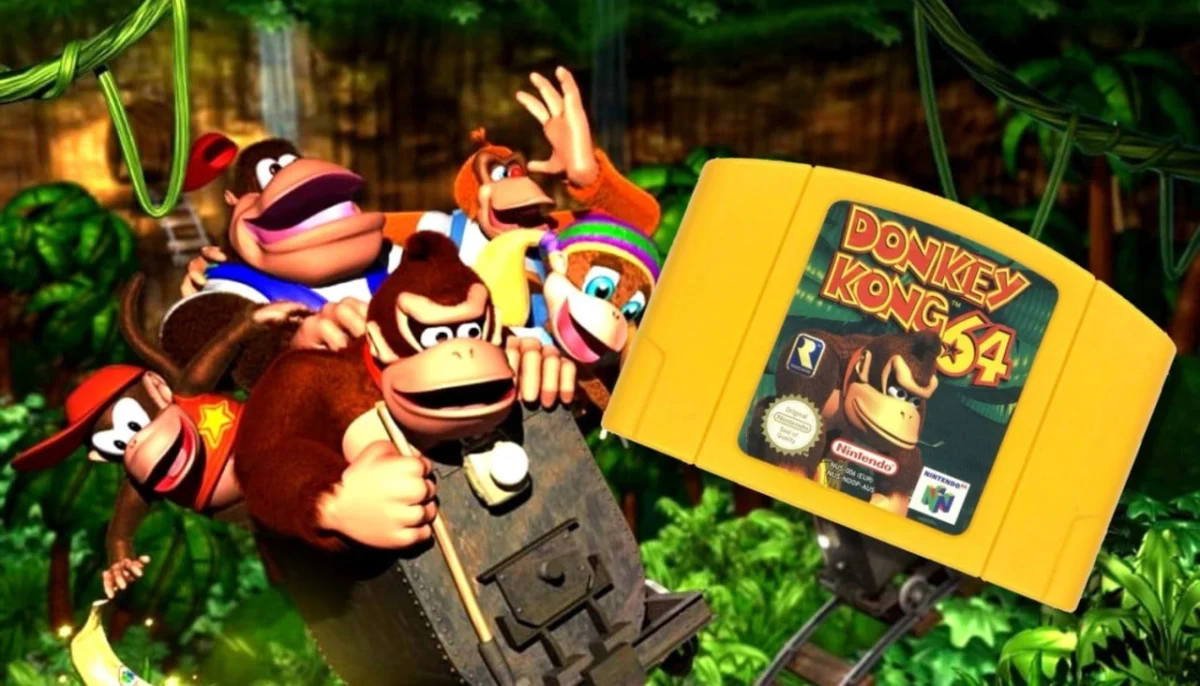
The highly anticipated Analogue 3D, a modern hardware recreation of the iconic Nintendo 64 console, has received its latest firmware update, version 1.2.6, delivering a suite of enhancements that cater to both the aesthetic sensibilities of retro collectors and the technical demands of contemporary display technologies. This update, released by Analogue, further refines the user experience by introducing visually engaging cartridge colour customization within the console’s menu system and providing crucial clarification on its advanced High Dynamic Range (HDR) capabilities, which were initially enabled in the preceding 1.2.5 update. Beyond these headline features, the update also addresses critical stability and display issues, reinforcing Analogue’s commitment to delivering a meticulously crafted and authentic Nintendo 64 gaming experience for the modern era.
The Latest Enhancements: A Dual Focus on Aesthetics and Performance
The 1.2.6 firmware update for the Analogue 3D is a testament to the company’s dedication to detail, blending nostalgic touches with cutting-edge technical improvements. The update focuses primarily on two key areas: enhancing the visual representation of game cartridges within the console’s user interface and optimizing the display output for modern televisions through detailed HDR implementation. These additions are not merely superficial; they represent a deep understanding of what retro gaming enthusiasts value, from the minutiae of physical game presentation to the fidelity of on-screen visuals.
A Nod to Nostalgia: The Cartridge Colour Customization
One of the most charming and immediately noticeable additions in the 1.2.6 update is the introduction of customizable cartridge colours for games displayed in the Analogue 3D’s menu. For seasoned collectors of Nintendo 64 titles, the diverse palette of N64 cartridge shells is a well-known characteristic that often defined specific games or bundles. While the vast majority of N64 games were released on the standard grey plastic cartridges, a select few broke this mould, becoming instantly recognizable due to their unique hues.
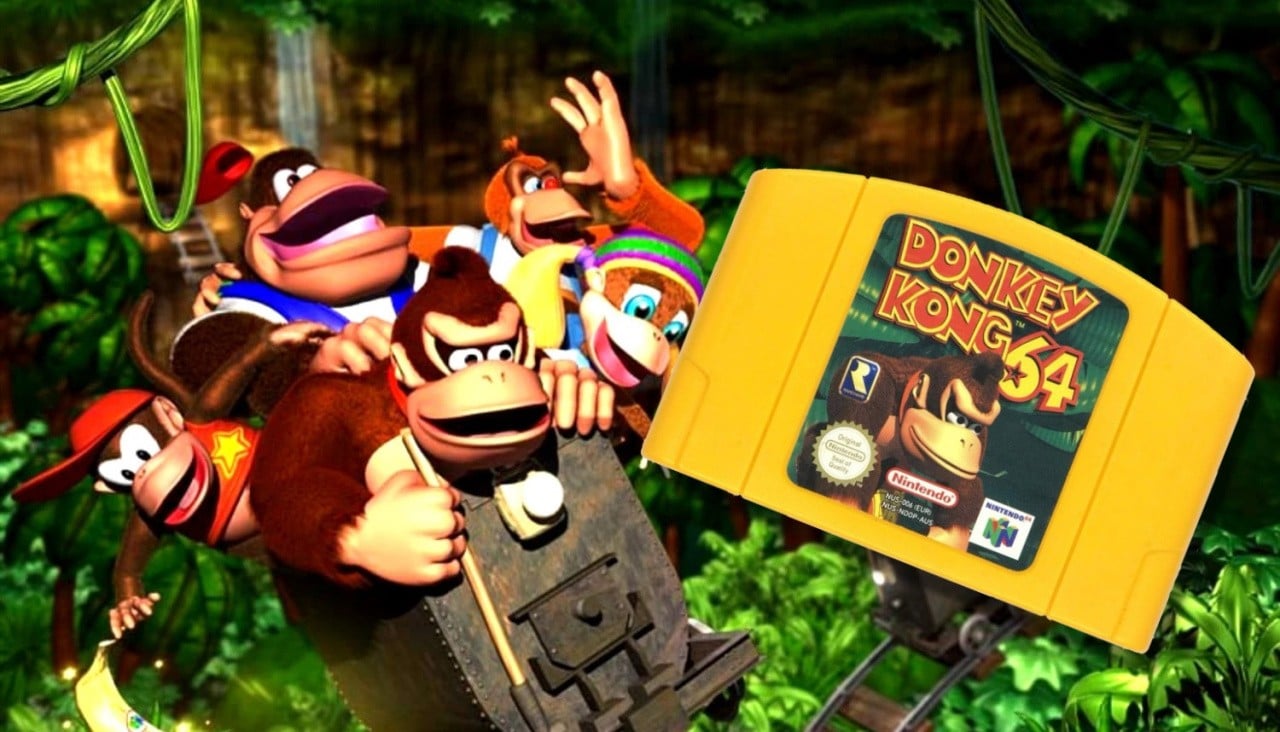
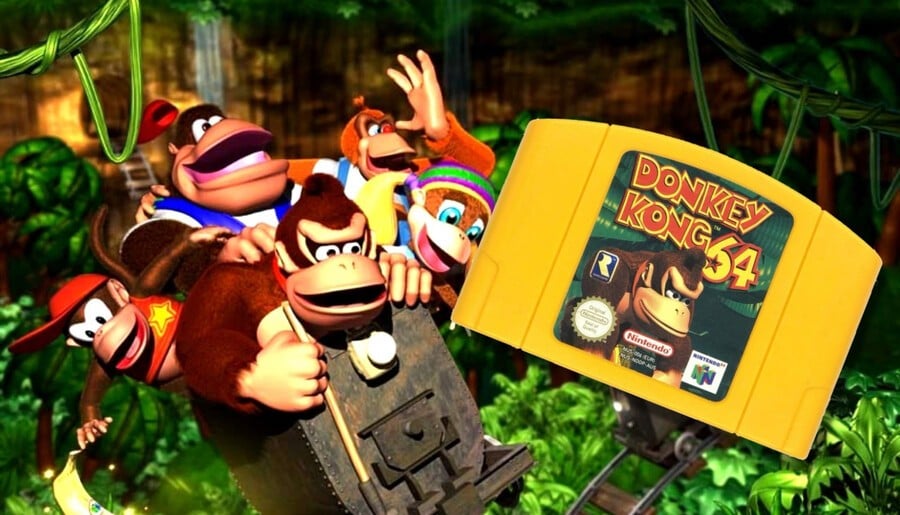
For instance, Rare’s seminal platformer, Donkey Kong 64, famously shipped in a vibrant yellow cartridge in Western markets, a stark contrast to its standard grey Japanese counterpart. Similarly, The Legend of Zelda: Majora’s Mask arrived in a shimmering gold cartridge in the West, celebrating its significance, while the Japanese version also adhered to the grey standard. Other notable examples include the translucent green cartridge for Pokémon Stadium 2, the black cartridge for Resident Evil 2, the red cartridge for Turok: Dinosaur Hunter, and the blue cartridge for Star Wars: Episode I Racer, among others. These variations were not just aesthetic choices; they often signified special editions, Expansion Pak requirements, or simply distinguished a game from the ever-growing library.
The Analogue 3D’s 1.2.6 update embraces this historical quirk by allowing users to change the virtual cartridge colours as they appear in the console’s menu. The available options — Grey, Red, Green, Blue, Yellow, Gold, Black, Purple, and Pink — cover the most iconic N64 cartridge variations. Crucially, the system attempts to "set by default based on their release," meaning the console intelligently tries to match the cartridge colour to the region-specific release of the game. This level of detail caters directly to purists and collectors who appreciate historical accuracy and regional differences, turning the menu browsing experience into a visually richer and more authentic journey through their N64 library. This feature, highlighted by publications like Games Radar, taps into a "dorky desire for accurate library cartridge colors," underscoring the passion within the retro gaming community for such nuanced touches.
Unpacking Advanced HDR: Elevating Visual Fidelity
Beyond the aesthetic appeal of virtual cartridges, the 1.2.6 update also provides critical clarification regarding the Advanced HDR (High Dynamic Range) feature, which was initially enabled in the prior 1.2.5 firmware update. HDR technology has become a cornerstone of modern display systems, offering a significant leap in image quality compared to Standard Dynamic Range (SDR). Analogue’s detailed explanation illuminates how this technology is implemented to enhance the N64 experience on compatible modern displays.
According to Analogue, "HDR (High Dynamic Range) enhances image quality and Original Display Modes by providing a wider range of colours, brighter details, and deeper blacks." This succinct definition encapsulates the core benefits of HDR. In practical terms, HDR expands the contrast ratio and colour accuracy, allowing for more nuanced shadows and highlights, alongside a broader and more vibrant colour palette. For a console like the N64, originally designed for CRT televisions with limited colour depth and dynamic range, leveraging HDR on modern 4K displays can result in a revelation. The often-muted and compressed colours of older games can spring to life with greater intensity and accuracy, while subtle lighting effects and environmental details become more pronounced.
The update further clarifies that "HDR is automatically enabled for compatible displays. Analogue Original Display Modes take full advantage of HDR10." This indicates a seamless integration process for users with HDR10-compatible televisions or monitors. HDR10, a widely adopted standard, specifies a 10-bit colour depth, which translates to over a billion colours, significantly more than the 16.7 million colours available in 8-bit SDR. It also utilizes the Rec.2020 colour space, a much wider gamut than the traditional Rec.709, and the SMPTE ST 2084 electro-optical transfer function (EOTF) for precise brightness mapping. By ensuring its "Original Display Modes" fully utilize HDR10, Analogue is not merely applying a generic HDR filter; it is meticulously mapping the N64’s output to maximize the benefits of modern display technology while preserving the intended artistic vision of the original developers. This sophisticated approach ensures that the visual improvements are authentic and enhance the game’s presentation without introducing unwanted artifacts or colour shifts.
Beyond Visuals: Under-the-Hood Improvements
In addition to the headline features, the 1.2.6 update includes crucial stability and performance improvements that enhance the overall reliability of the Analogue 3D. These "under-the-hood" fixes, while less flashy, are vital for a consistent and frustration-free gaming experience.
The update notes highlight improvements to "SD card stability." The SD card is central to the Analogue 3D’s operation, storing firmware, game save data, and custom settings. Enhanced stability in this area means faster and more reliable loading times, reduced risk of data corruption, and smoother operation when navigating large game libraries or applying updates. This is particularly important for a device that relies on external storage for many of its core functions.
Furthermore, "Progressive Output" has been improved "to fix blinking or flickering screens in certain games, such as Resident Evil 2." This addresses a common issue in retro gaming hardware interfacing with modern displays. Older consoles often output in interlaced video (e.g., 480i), where odd and even lines of a frame are drawn sequentially. Modern displays primarily use progressive scan (e.g., 480p, 1080p), where all lines of a frame are drawn simultaneously. The conversion between these formats can sometimes lead to flickering, tearing, or instability, especially in games with specific timing requirements or fast-moving visuals. Resident Evil 2, a graphically intensive title for the N64, likely presented challenges due to its darker aesthetic and potentially complex rendering. By refining the progressive output, Analogue ensures a smoother, more stable, and visually consistent image, eliminating distractions for players and enhancing the overall immersion.
Analogue’s Philosophy: Precision and Preservation
To understand the significance of these updates, it is essential to contextualize them within Analogue’s broader mission. Analogue is a company renowned in the retro gaming community for producing premium, hardware-based consoles that prioritize authenticity and fidelity over software emulation. Unlike traditional emulators, which simulate original hardware through software, Analogue’s devices utilize Field-Programmable Gate Arrays (FPGAs). An FPGA is a specialized integrated circuit that can be configured by the user to replicate the logic and architecture of original hardware at a transistor level. This approach allows Analogue’s consoles to mimic the behaviour of classic systems with unparalleled accuracy, virtually eliminating the input lag, audio glitches, and graphical inaccuracies often associated with software emulation.
Analogue’s product line, which includes the Nt Mini (NES), Super Nt (SNES), Mega Sg (Genesis), and the highly popular Analogue Pocket (Game Boy family and other handhelds), consistently reflects this philosophy. Each device is meticulously engineered to accept original game cartridges and controllers, delivering an experience that is as close to playing on the original hardware as possible, but with the added benefits of modern connectivity (HDMI output) and advanced display options. The Analogue 3D, designed to recreate the Nintendo 64 experience, follows this pedigree, providing a purist-grade solution for playing N64 games on contemporary displays without compromises.
The Nintendo 64: A Legacy Reimagined
The Nintendo 64, released in 1996, holds a unique and revered place in video game history. It was a console of innovation, famously introducing the analog stick, paving the way for 3D navigation in gaming, and pushing the boundaries of real-time 3D graphics. Iconic titles like Super Mario 64, The Legend of Zelda: Ocarina of Time, GoldenEye 007, and Mario Kart 64 defined a generation and cemented the N64’s legacy. However, playing N64 games on modern high-definition televisions presents several challenges. The console’s original output (composite or S-video) was designed for lower-resolution CRT screens, resulting in blurry, pixelated, or artifact-ridden images when scaled up on a 4K display. Furthermore, the N64’s unique architecture, including its often-complex rendering techniques and reliance on the Expansion Pak for certain titles, makes accurate software emulation notoriously difficult.
This is where the Analogue 3D steps in. By leveraging FPGA technology, it meticulously reconstructs the N64 hardware, allowing for pixel-perfect upscaling, crisp digital video output via HDMI, and the implementation of advanced features like HDR, all while maintaining the integrity of the original game experience. The Analogue 3D aims to resolve the inherent conflicts between nostalgic gameplay and modern display technology, ensuring that the N64’s vibrant legacy can be appreciated by both long-time fans and new generations of players with the fidelity it deserves.
The Evolution of Analogue 3D: A Commitment to Refinement
The Analogue 3D’s journey has been one of continuous refinement, a characteristic shared by many of Analogue’s products. Announced in 2020, the console generated immense anticipation within the retro gaming community, with pre-orders selling out rapidly. After delays typical of complex hardware development, the device began shipping to customers, marking a significant milestone for N64 enthusiasts.
Since its release, Analogue has consistently supported the Analogue 3D with firmware updates. The 1.2.5 update, which introduced Advanced HDR capabilities, was a major step in enhancing visual output. The subsequent 1.2.6 update builds upon this foundation, not only clarifying the HDR implementation but also addressing user feedback and improving system stability. This iterative development cycle demonstrates Analogue’s commitment to post-launch support and ensuring their devices evolve to meet user expectations and technical advancements. Each update solidifies the Analogue 3D’s position as a premium, long-term solution for N64 gameplay, reflecting a proactive approach to hardware and software optimization.
Technical Underpinnings: FPGA and Modern Display Integration
The technical intricacies behind Analogue 3D’s performance are crucial to understanding its value. The FPGA core, at the heart of the device, is programmed to behave identically to the N64’s Reality Coprocessor (RCP) and other key components. This hardware-level accuracy ensures that games run precisely as they would on original hardware, preserving subtle timings, graphical quirks, and audio characteristics that are often lost or altered in software emulation.
When it comes to video output, the Analogue 3D converts the N64’s native resolution to modern high-definition signals (e.g., 1080p, 4K) via HDMI. This process, known as upscaling, is handled by the FPGA itself, allowing for pixel-perfect scaling without introducing the blur or artifacts often seen with generic upscalers. The "Original Display Modes" mentioned in the HDR clarification are likely sophisticated video filters or settings that aim to replicate the look of a CRT television, complete with scanlines and colour bleed characteristics, but rendered in high definition. The integration of HDR10 within these modes means that even when emulating the aesthetic of an older display, the underlying colour depth and dynamic range are significantly enhanced, leading to a richer and more vibrant "retro" picture.
The fix for "Progressive Output" is also a notable technical achievement. Many N64 games, like Resident Evil 2, were designed with interlaced output in mind, which could lead to flickering when displayed on modern progressive-scan panels without proper deinterlacing. Analogue’s improvement signifies a refined deinterlacing algorithm or better handling of the progressive scan signal, ensuring a stable and flicker-free image across a wider range of games and display setups. This attention to detail in video processing is paramount for a premium retro console.
Broader Implications for Retro Gaming Enthusiasts
The 1.2.6 update for the Analogue 3D carries broader implications for the retro gaming community. Firstly, it reinforces the growing trend towards hardware-accurate preservation and playback. As original consoles age and become more difficult to maintain, solutions like the Analogue 3D offer a robust alternative that respects the integrity of classic games. The emphasis on features like accurate cartridge colours and precise HDR implementation speaks to a demographic that values authenticity down to the smallest detail.
Secondly, the continuous support through firmware updates demonstrates a commitment from Analogue that goes beyond simply selling a product. It indicates an ongoing effort to improve the user experience, address technical challenges, and potentially expand functionality over time. This post-launch support builds trust within the community and ensures that early adopters continue to benefit from new features and stability improvements. The positive reception from gaming publications like Games Radar suggests that these updates resonate strongly with the target audience, who are often highly critical and discerning about how their beloved classics are presented.
Finally, the advanced display options, particularly HDR, showcase how retro gaming can evolve with modern technology without sacrificing its core appeal. By leveraging high-dynamic-range capabilities, Analogue is not just making old games look "better" but is arguably presenting them in a way that allows their original artistry to shine through more effectively on contemporary screens, making them more accessible and visually appealing to a new generation of players accustomed to high-fidelity graphics.
Looking Ahead: The Future of Authentic Retro Play
The Analogue 3D 1.2.6 firmware update is a significant step in the ongoing evolution of a console designed to honor the legacy of the Nintendo 64. By blending thoughtful aesthetic customization with robust technical enhancements, Analogue continues to solidify its reputation as a leader in the premium retro gaming hardware space. The ability to match virtual cartridge colours to their physical counterparts adds a delightful layer of authenticity, while the detailed clarification and optimization of Advanced HDR ensure that N64 classics look their absolute best on modern displays. Coupled with critical stability improvements, this update underscores Analogue’s unwavering commitment to delivering an unparalleled N64 experience. For enthusiasts and collectors alike, the Analogue 3D, continuously refined through such updates, remains the definitive platform for experiencing Nintendo 64 games with precision, fidelity, and a deep appreciation for their historical context. The update, along with full patch notes, is available directly from Analogue’s support website, inviting all Analogue 3D owners to enhance their retro gaming journey.