Cecilia Chamidah Nur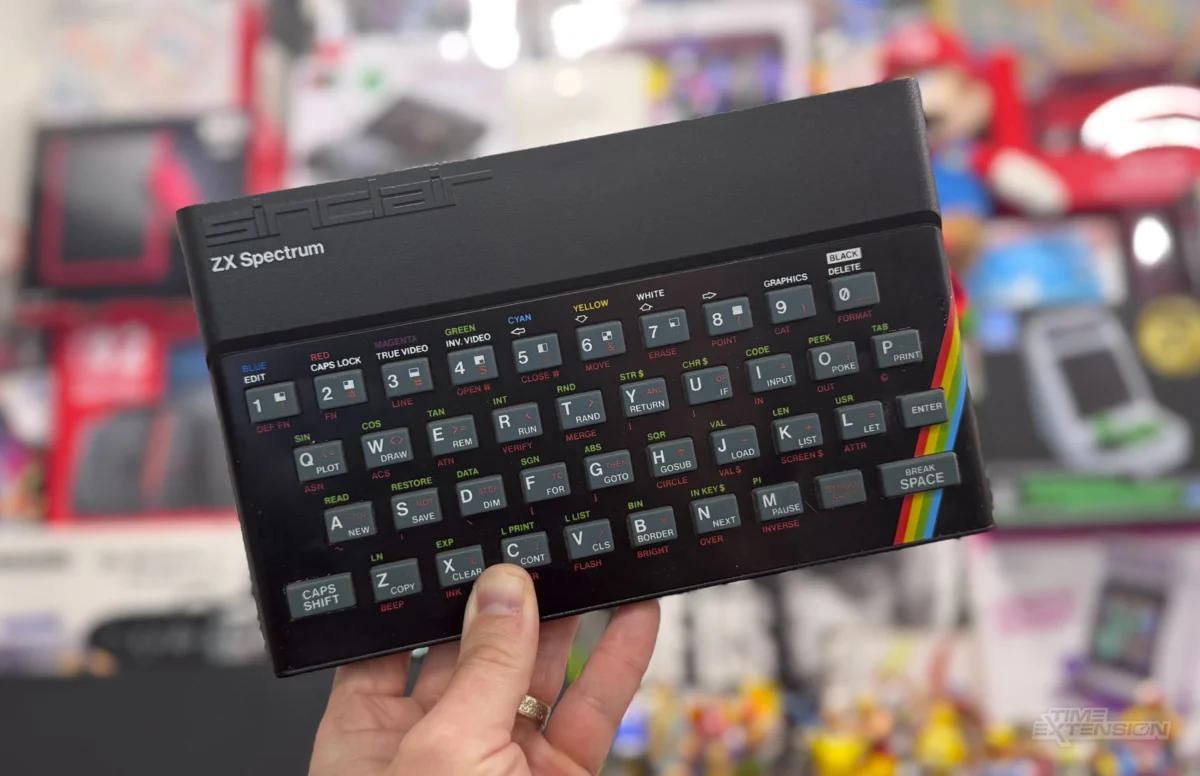
The retro computing community is mourning the loss of Mark Woodmass, a pivotal figure widely celebrated as the architect behind SpecEmu, one of the most acclaimed and accurate emulators for the iconic ZX Spectrum home computer. News of Woodmass’s passing, affectionately known as ‘Woody’ or ‘Woodster’ among enthusiasts, began circulating on the Spectrum Computing forum a few days prior, eliciting a wave of tributes recognizing his profound impact on the preservation and continued enjoyment of the ZX Spectrum’s vast software library. His contributions extended beyond emulation, encompassing the development of several beloved games and invaluable technical utilities that aided countless developers over the decades.
A Pioneer in Digital Preservation and Emulation
Mark Woodmass’s legacy is inextricably linked to the SpecEmu emulator, a project that rose to prominence for its unparalleled fidelity to the original Sinclair ZX Spectrum hardware. In an era where digital preservation of early home computers has become increasingly vital, SpecEmu stood out as a beacon of technical excellence. Reports from elmundodelspectrum.com highlight the emulator’s reputation: "SpecEmu became the benchmark for those seeking the most faithful experience possible to the original hardware, thanks to its optimised assembly code and meticulous attention to technical details." This dedication to accuracy was not merely an academic pursuit; it ensured that a generation of software, from groundbreaking games to educational programs, could be experienced precisely as its creators intended, unfettered by the inaccuracies that plagued many early emulation efforts.
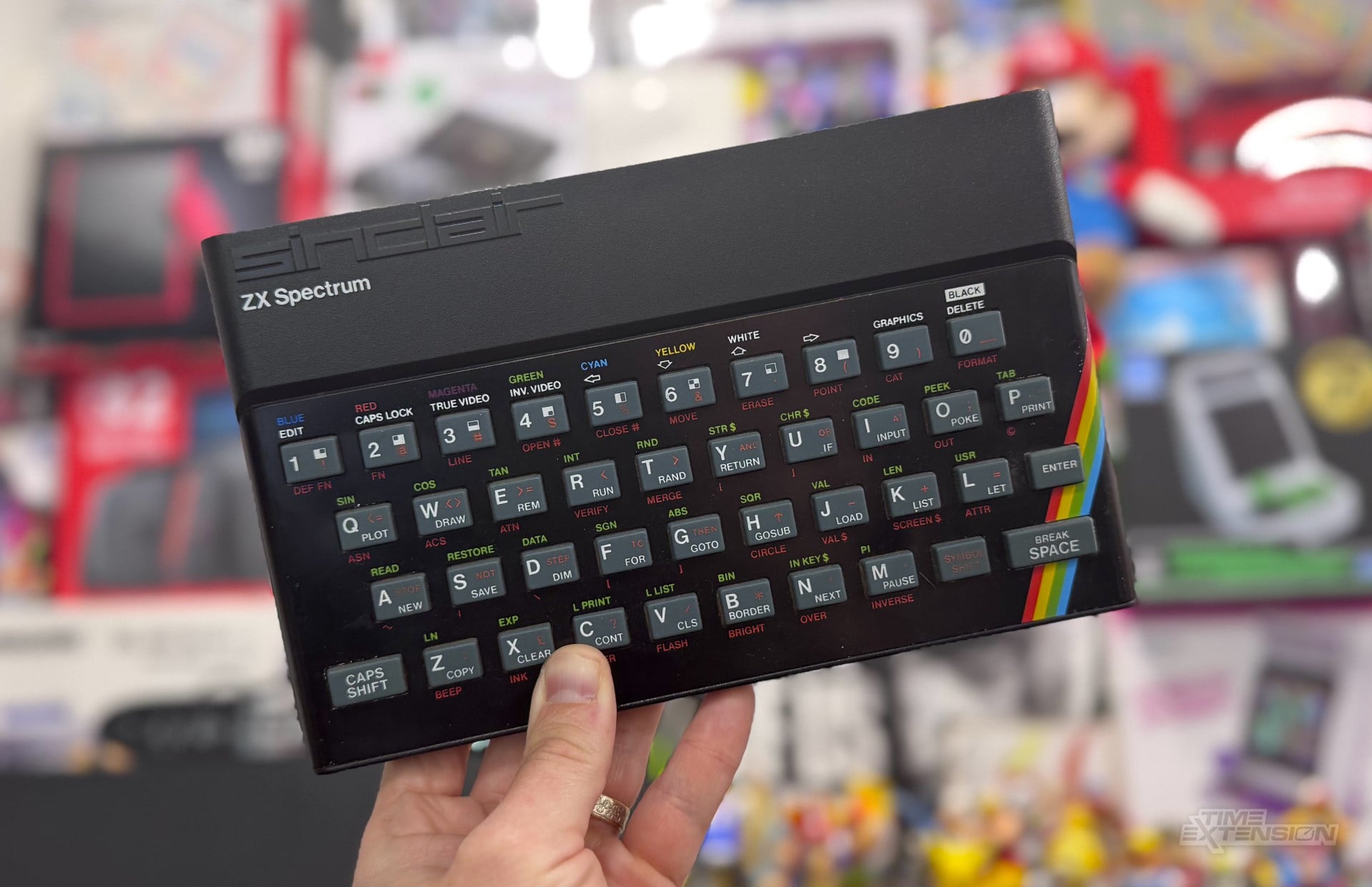
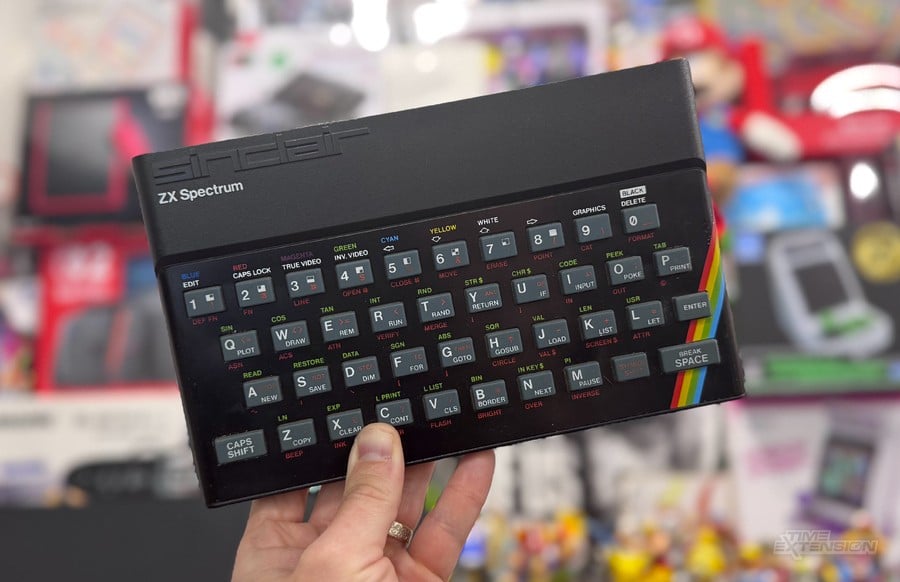
The ZX Spectrum, launched by Sinclair Research in 1982, quickly became a cultural phenomenon, particularly in the United Kingdom. Its affordable price point, vibrant color display (albeit with attribute clash limitations), and accessible BASIC programming environment made it the first computer for millions. Powered by the Zilog Z80 microprocessor, running at a modest 3.5 MHz, and featuring either 16KB or 48KB of RAM, the Spectrum inspired a generation of programmers and game developers. However, the unique characteristics of its hardware, including the Uncommitted Logic Array (ULA) responsible for video output and peripheral control, presented significant challenges for accurate emulation. The ULA’s precise timing and undocumented quirks were notoriously difficult to replicate perfectly in software, yet Woodmass’s SpecEmu managed to capture these nuances with remarkable precision. This level of detail meant that games and demos, which often pushed the original hardware to its absolute limits, behaved identically on SpecEmu, a testament to Woodmass’s deep understanding of the machine’s architecture.
The Technical Brilliance of SpecEmu
The development of an emulator as accurate as SpecEmu was no small feat. It demanded not only a comprehensive understanding of the Z80 CPU’s instruction set and timing but also an intimate knowledge of the ZX Spectrum’s custom hardware components. SpecEmu’s success lay in its "optimised assembly code," suggesting Woodmass leveraged low-level programming techniques to achieve maximum performance and accuracy. This approach allowed SpecEmu to meticulously replicate the Z80’s cycle-accurate execution, a crucial factor for programs that relied on precise timing loops for graphics, sound, and input handling.
Beyond CPU emulation, SpecEmu meticulously simulated the Spectrum’s video output, including the infamous "attribute clash" which limited colors in an 8×8 pixel block, and the precise timings of horizontal and vertical retrace. Sound emulation, often a weak point in less refined emulators, also received Woodmass’s careful attention, ensuring that the Spectrum’s distinctive single-channel beeper sound was reproduced faithfully. Furthermore, the emulator’s robust compatibility extended to various tape formats, a critical aspect given the Spectrum’s reliance on cassette tapes for software loading. Woodmass’s work enabled users to load and play a vast array of original software, preserving the often-fragile digital artifacts of the era.
A Catalyst for Other Developers
Mark Woodmass’s influence was not confined to SpecEmu alone. As noted by elmundodelspectrum.com, "In addition to SpecEmu, Mark developed numerous technical tools related to emulation, tape formats, Z80 processor testing, and utilities that have helped many other developers and users over the decades. He was always willing to help anyone who asked." These contributions underscore his role as a foundational figure in the retro computing community. Such tools would likely have included disassemblers, debuggers, memory viewers, and utilities for manipulating tape image files (like .TAP or .TZX formats), all indispensable for reverse engineering old software, developing new programs, or analyzing the inner workings of the Spectrum. By providing these resources, Woodmass empowered a new generation of enthusiasts and developers, fostering a collaborative environment where knowledge and technical expertise were freely shared. His generosity with his time and knowledge, a common thread in tributes, highlights his commitment to the community’s collective progress.
Mark Woodmass: The Game Creator
While SpecEmu cemented his place in the annals of emulation history, Woodmass also indulged his creative side by developing games for the ZX Spectrum. This dual role as both a technical wizard and a creative developer is emblematic of the early home computing era, where the lines between programmer, designer, and artist were often blurred. The original article mentions several of his creations: Boom Bot, Scumball 2, Lost!, and Super Crap Invaders. These titles, while perhaps not reaching mainstream fame, represent his personal contribution to the Spectrum’s expansive game library, which numbers in the tens of thousands.
Developing games for the ZX Spectrum was a challenging endeavor. Developers had to contend with severe memory constraints, the Z80’s limited processing power, and the ULA’s graphical limitations. Creativity and technical ingenuity were paramount to squeeze engaging experiences out of the hardware. Woodmass’s foray into game development demonstrates his comprehensive mastery of the platform, moving from the analytical rigor of emulation to the creative demands of interactive entertainment. These games, now part of the Spectrum’s archived history, stand as further proof of his deep engagement with the platform he helped to preserve.

Community Tributes and Enduring Legacy
The news of Mark Woodmass’s passing has resonated deeply within the retro computing and ZX Spectrum communities worldwide. Forums, social media platforms, and dedicated retro gaming sites have become avenues for individuals to share their condolences, memories, and appreciation for his work. The outpouring of grief and gratitude reflects the significant impact he had on countless enthusiasts, many of whom relied on SpecEmu to relive childhood memories or explore the history of computing.
His dedication to accuracy in emulation has had a lasting impact on the field of digital preservation. In an age where physical media degrades and original hardware becomes increasingly rare, accurate software emulation is the cornerstone of preserving our digital heritage. Woodmass’s work with SpecEmu provided a gold standard, demonstrating what was possible when technical expertise met a passion for historical fidelity. This benchmark has undoubtedly influenced other emulator developers across various platforms, reinforcing the importance of cycle-accurate replication over mere functional similarity.
The broader implications of Woodmass’s contributions extend to the academic and cultural spheres. Researchers studying early computer graphics, game design, or the evolution of user interfaces can confidently rely on emulators like SpecEmu to provide an authentic environment for their studies. Cultural institutions and archives also benefit immensely from such tools, enabling them to curate and present digital artifacts from the past to future generations. Without the tireless efforts of individuals like Mark Woodmass, much of this digital history would be lost to time, inaccessible to all but a privileged few with working original hardware.

The Future of ZX Spectrum Preservation
While the passing of a figure as influential as Mark Woodmass leaves a void, his legacy ensures that the work of ZX Spectrum preservation will continue. SpecEmu, along with the numerous tools and insights he shared, remains a vital resource for the community. The open-source nature of many emulation projects means that the knowledge and techniques pioneered by individuals like Woodmass often become integrated into future developments, evolving and improving over time. His spirit of generosity and technical excellence serves as an inspiration for current and aspiring developers in the retro computing scene.
Mark Woodmass’s life was a testament to the enduring power of passion, precision, and community. He dedicated decades to understanding, preserving, and enhancing the experience of one of computing’s most beloved machines. His work ensured that the creative output of a generation of programmers and artists would not fade into obscurity but would remain vibrant and accessible. The thoughts of everyone at Hookshot Media, and indeed across the wider retro gaming world, are with Woodmass’s family and friends during this difficult time. His legacy will live on in every accurately emulated Spectrum, a permanent testament to his profound contributions.