Retno Hari Mulyono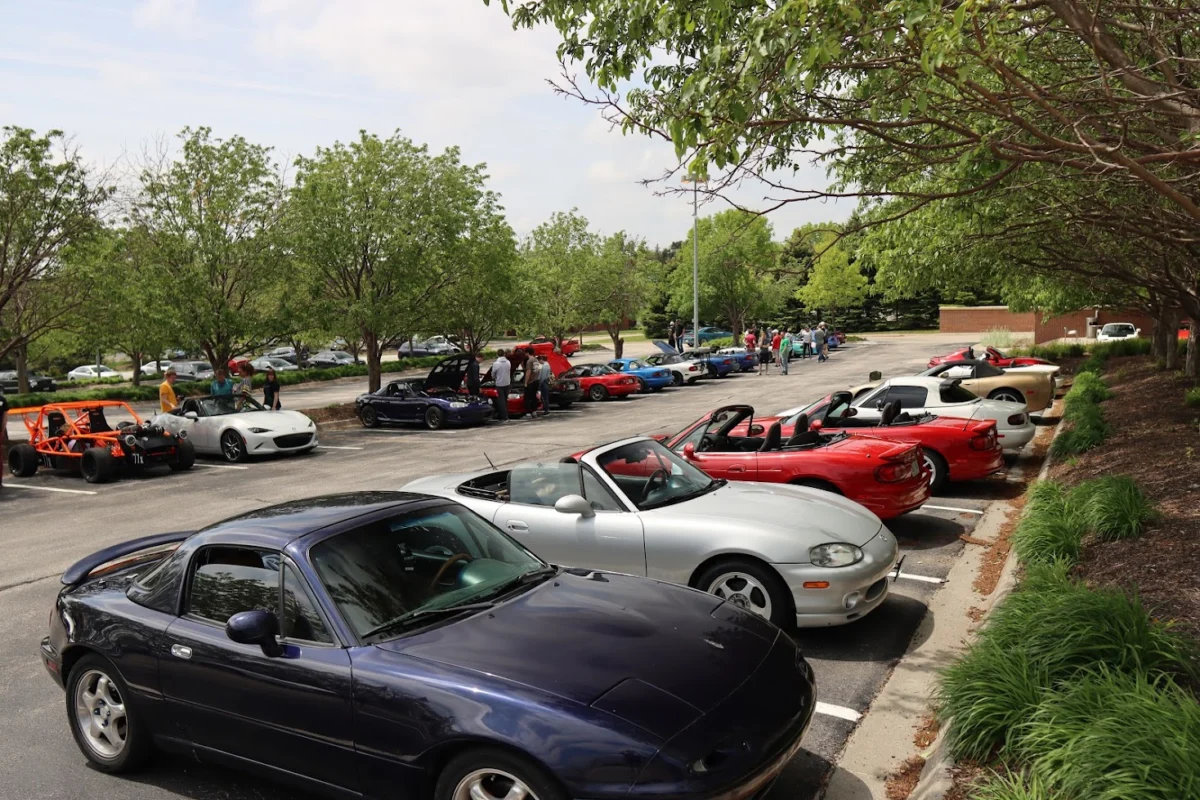
The Mazda MX-5 Miata, specifically the second-generation "NB" model produced between 1998 and 2005, has solidified its status as a cornerstone of the global enthusiast car market. Renowned for its lightweight chassis, rear-wheel-drive configuration, and mechanical simplicity, the NB Miata represents a bridge between the analog purity of the original 1990s roadsters and the refined engineering of the 21st century. In a detailed twelve-month retrospective, a project involving a 2000 Mazda Miata demonstrates the rigorous maintenance, aesthetic transformation, and performance tuning required to transition a high-mileage convertible into a track-capable performance machine. This analysis examines the technical milestones and broader market implications of the Miata platform within the current automotive landscape.
Phase I: Acquisition and Mechanical Baselines
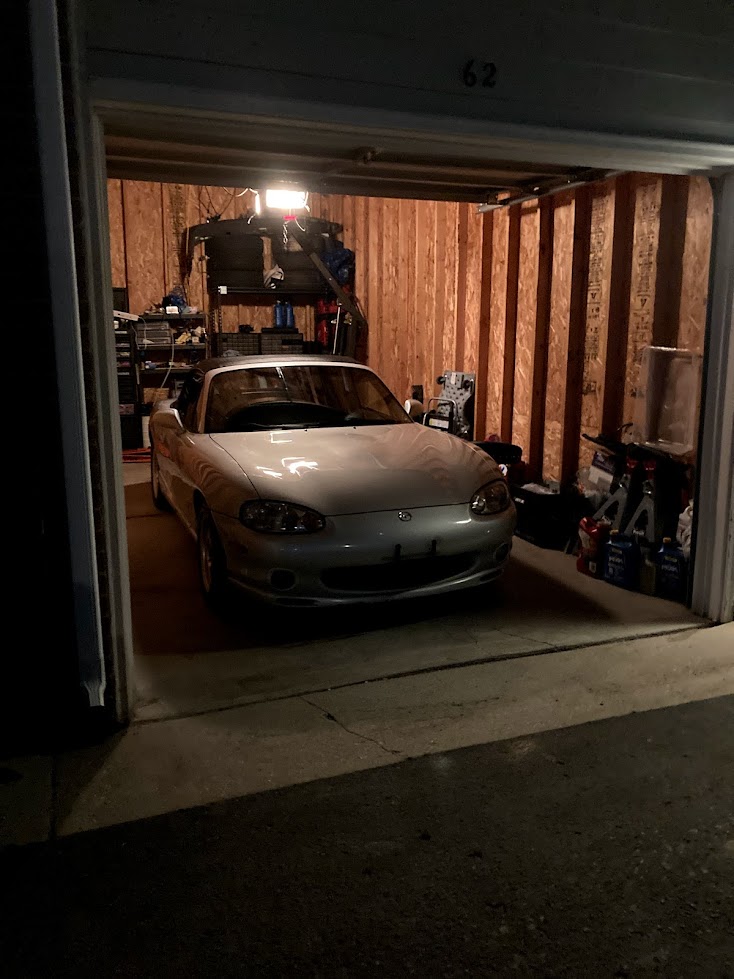
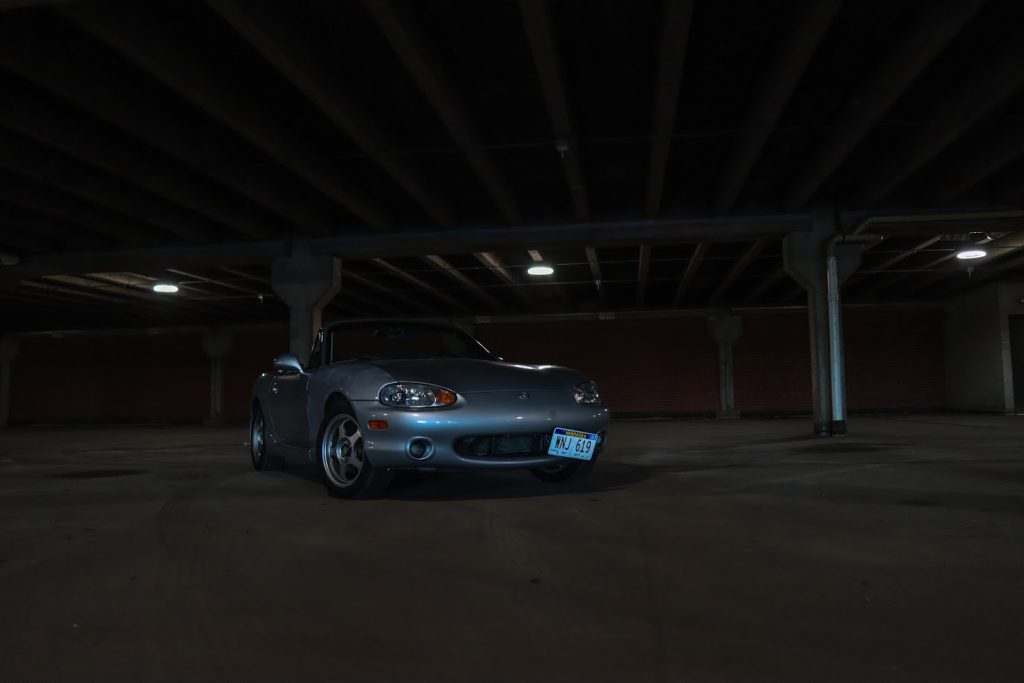
The project commenced in March 2021 with the acquisition of a 2000 Mazda Miata, finished in Highlight Silver Metallic. The NB1 (1999–2000) is a pivotal sub-generation, featuring the 1.8-liter BP4W engine. Unlike the later VVT-equipped engines, the BP4W is lauded for its cylinder head flow characteristics, making it a preferred choice for naturally aspirated tuning. Upon acquisition, the vehicle displayed the quintessential traits of the "Jinba Ittai" philosophy—a Japanese phrase meaning "horse and rider as one"—which Mazda utilized to define the car’s human-centric engineering.
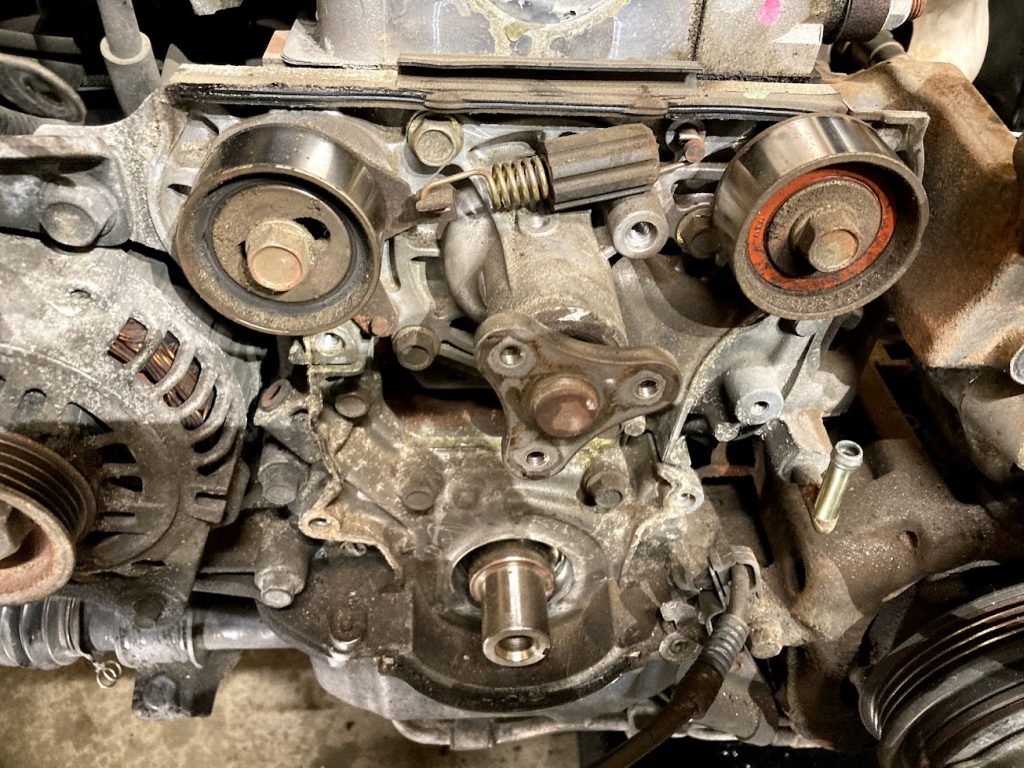
In April 2021, the focus shifted to reliability. The BP4W engine is a non-interference design, meaning that a timing belt failure will not result in catastrophic valve-to-piston contact. However, to ensure operational integrity for future high-stress environments, a comprehensive baseline maintenance schedule was executed. This included the replacement of the timing belt, water pump, and front engine seals. Industry data suggests that the secondary market often penalizes vehicles lacking documented service history; thus, establishing a "known good" state is critical for both mechanical longevity and future resale valuation.
Phase II: Community Integration and Exhaust Engineering
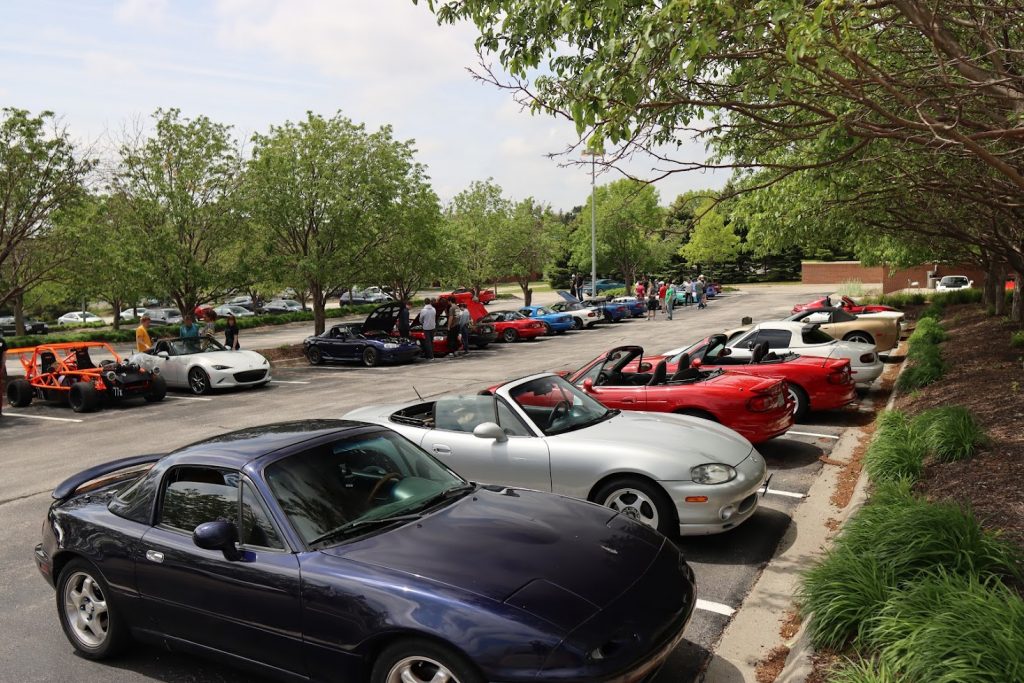
By May 2021, the project transitioned from the garage to the community. The Miata enthusiast subculture is one of the largest in the automotive world, with Mazda having produced over one million units across four generations. Attending regional car meets provided a cross-sectional view of the platform’s versatility, ranging from stock restorations to V8-swapped "Exocet" kit cars. This community engagement highlights the Miata’s role as a "gateway" performance car, accessible to novices yet respected by veteran racers.
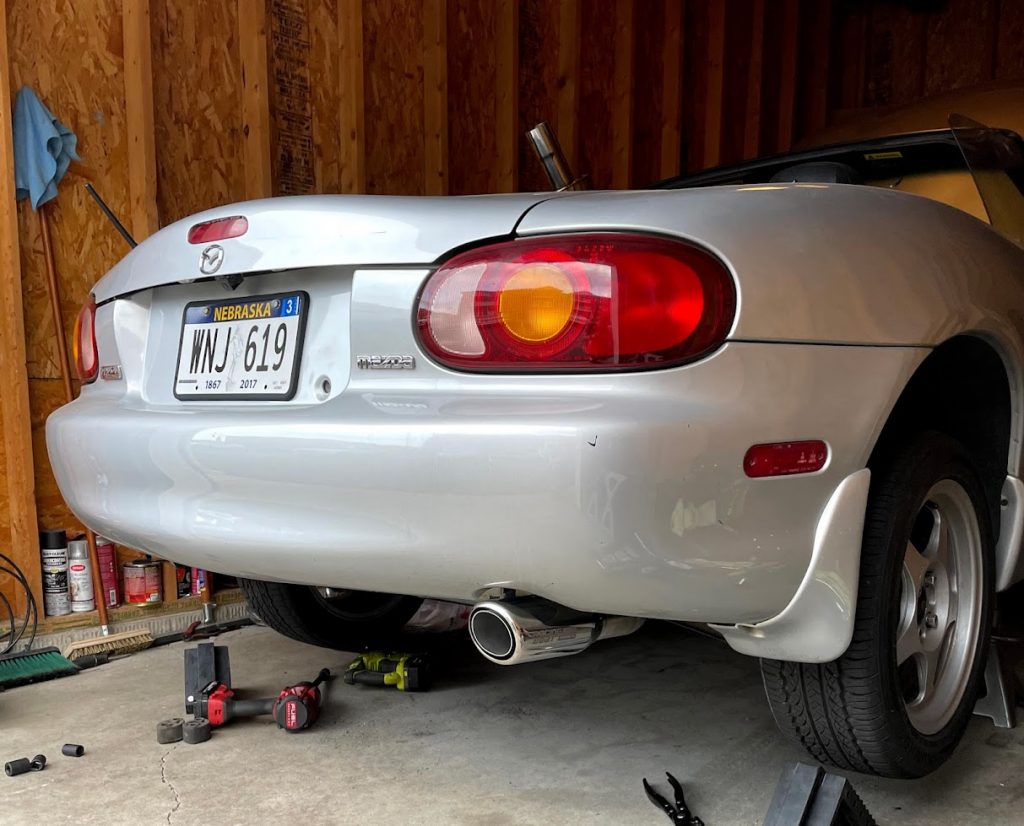
In June 2021, the vehicle’s breathing apparatus was overhauled. The factory exhaust system on a two-decade-old vehicle often suffers from internal baffle degradation and exterior corrosion. The project incorporated a Raceland header, a Cobalt mid-pipe, and a Racing Beat Power Pulse muffler. This combination was selected to balance back-pressure requirements with an improved acoustic profile. However, the installation process revealed the complexities of modern emissions systems; a failure to properly reconnect the Exhaust Gas Recirculation (EGR) pipe resulted in Diagnostic Trouble Codes (DTCs). This serves as a reminder that even "analog" vehicles require precise adherence to vacuum and sensor integration to maintain Engine Control Unit (ECU) harmony.
Phase III: Aesthetic Transformation and Vinyl Application
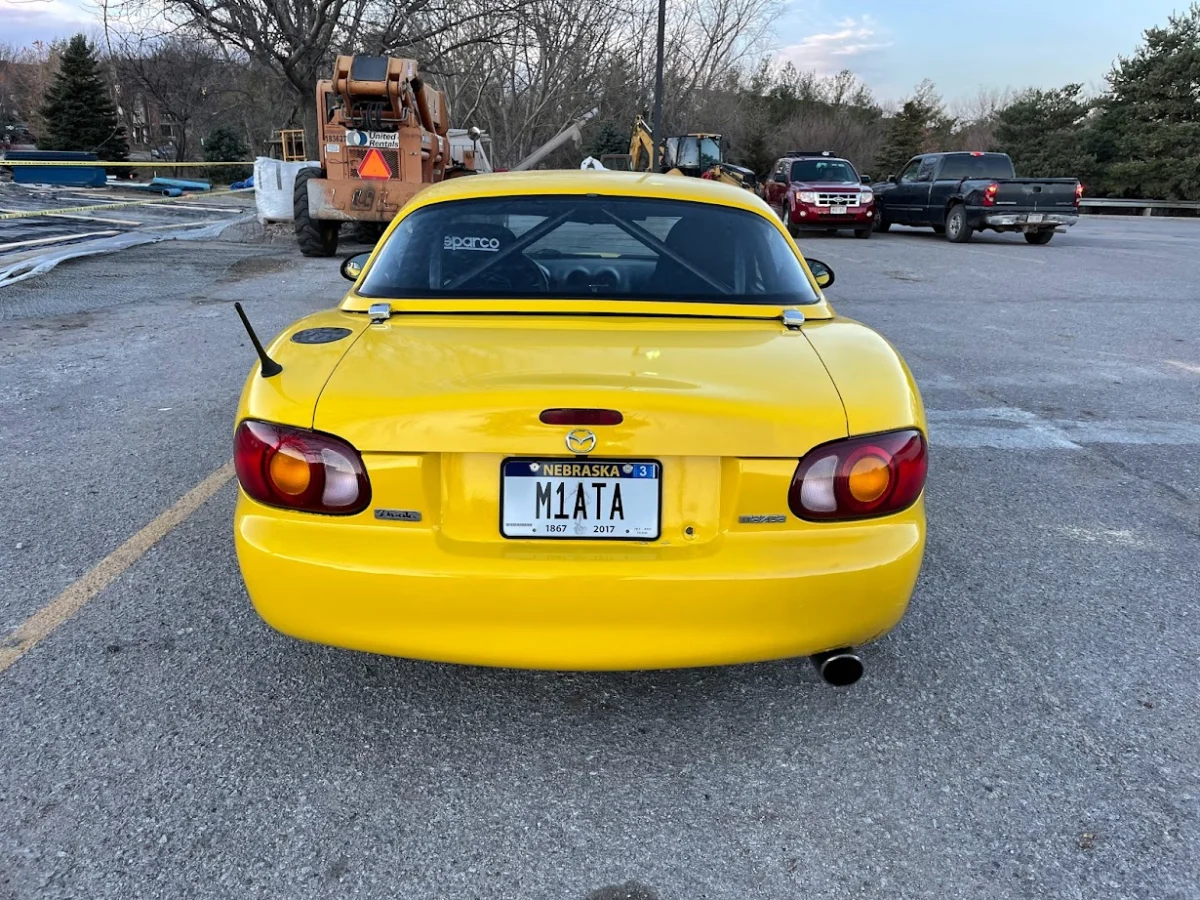
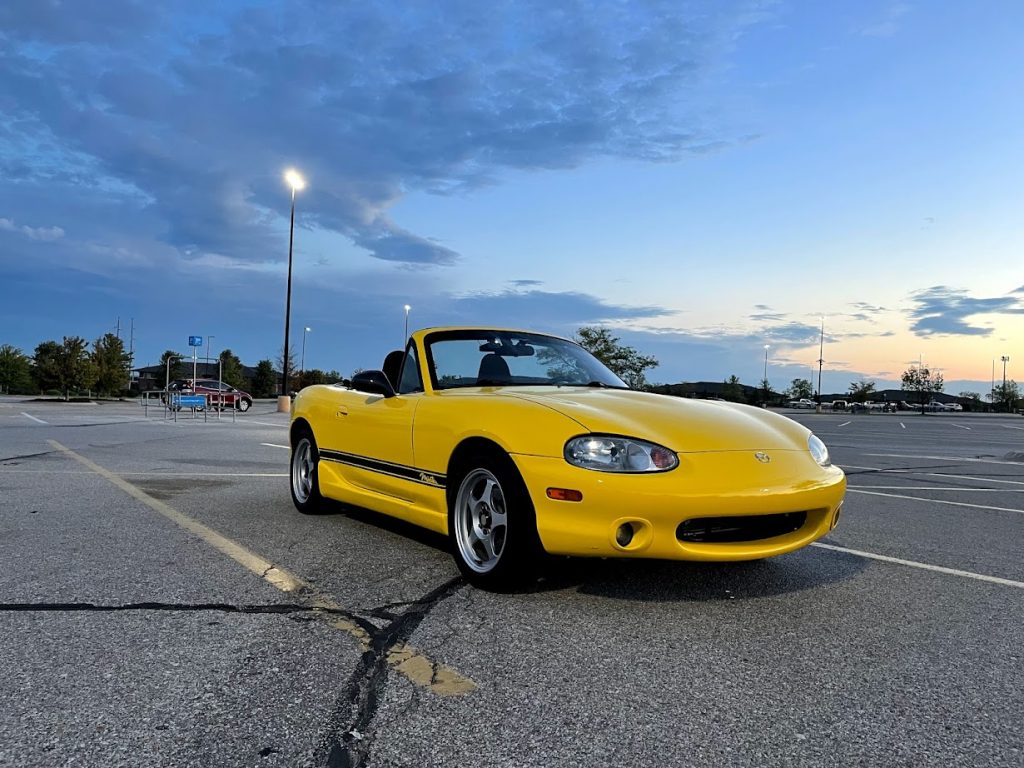
The summer months of 2021 saw a radical departure from the vehicle’s factory appearance. In July, preparatory bodywork was conducted on a damaged front fender, which was replaced and paint-matched via aerosol application to provide a uniform substrate. In August, the vehicle underwent a full color change via a vinyl wrap. The transition from Highlight Silver to a vibrant Yellow reflects a broader trend in the automotive hobbyist market: the shift toward customization that preserves the original paint underneath.
Vinyl wrapping has become a multibillion-dollar industry, offering a cost-effective alternative to professional resprays while providing a layer of protection against UV rays and minor abrasions. For a project car, the "Yellow Miata" identity served to increase visibility and personalize the vehicle for the upcoming competitive season.
Phase IV: Competitive Performance and Dynamics
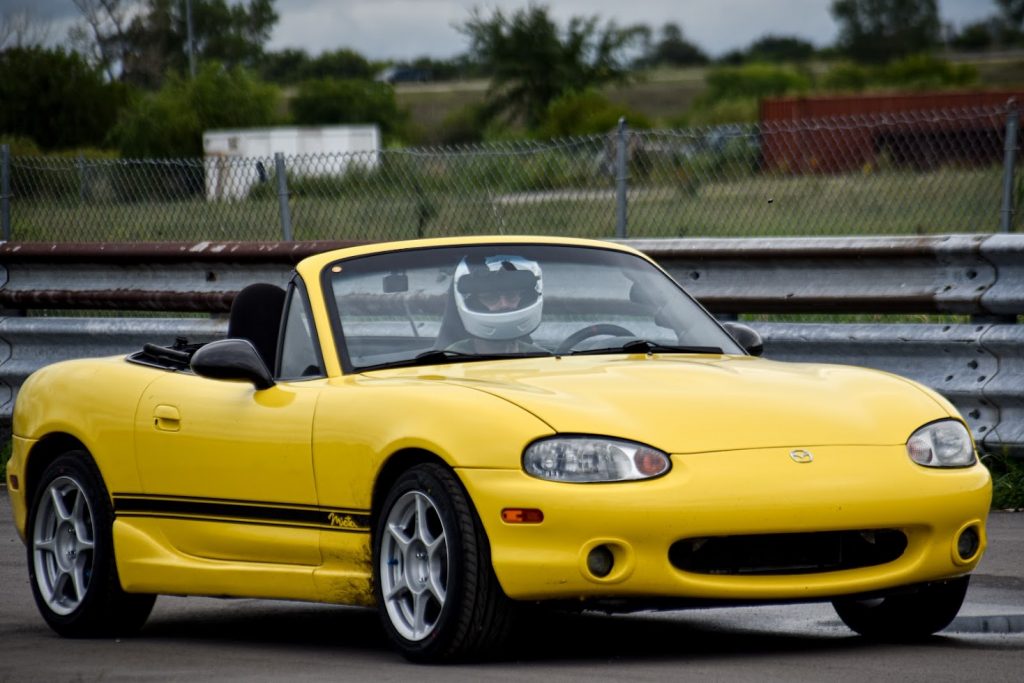
September and October 2021 marked the vehicle’s entry into organized motorsports. The project was tested at Raceway Park of the Midlands, a technical road course that emphasizes handling over raw horsepower. The NB Miata, weighing approximately 2,350 lbs, excels in these environments.
Following the track day, the vehicle participated in Autocross events, sanctioned by organizations like the Sports Car Club of America (SCCA). Autocross involves navigating a miniature road course defined by traffic cones, emphasizing low-speed agility and driver precision. Data from these events indicated that while the stock 140-horsepower engine lacked straight-line speed, the double-wishbone suspension allowed for high corner-entry speeds. This phase of the project confirmed the Miata’s reputation as an educational tool for performance driving.
Phase V: Winter Engineering and Advanced Maintenance
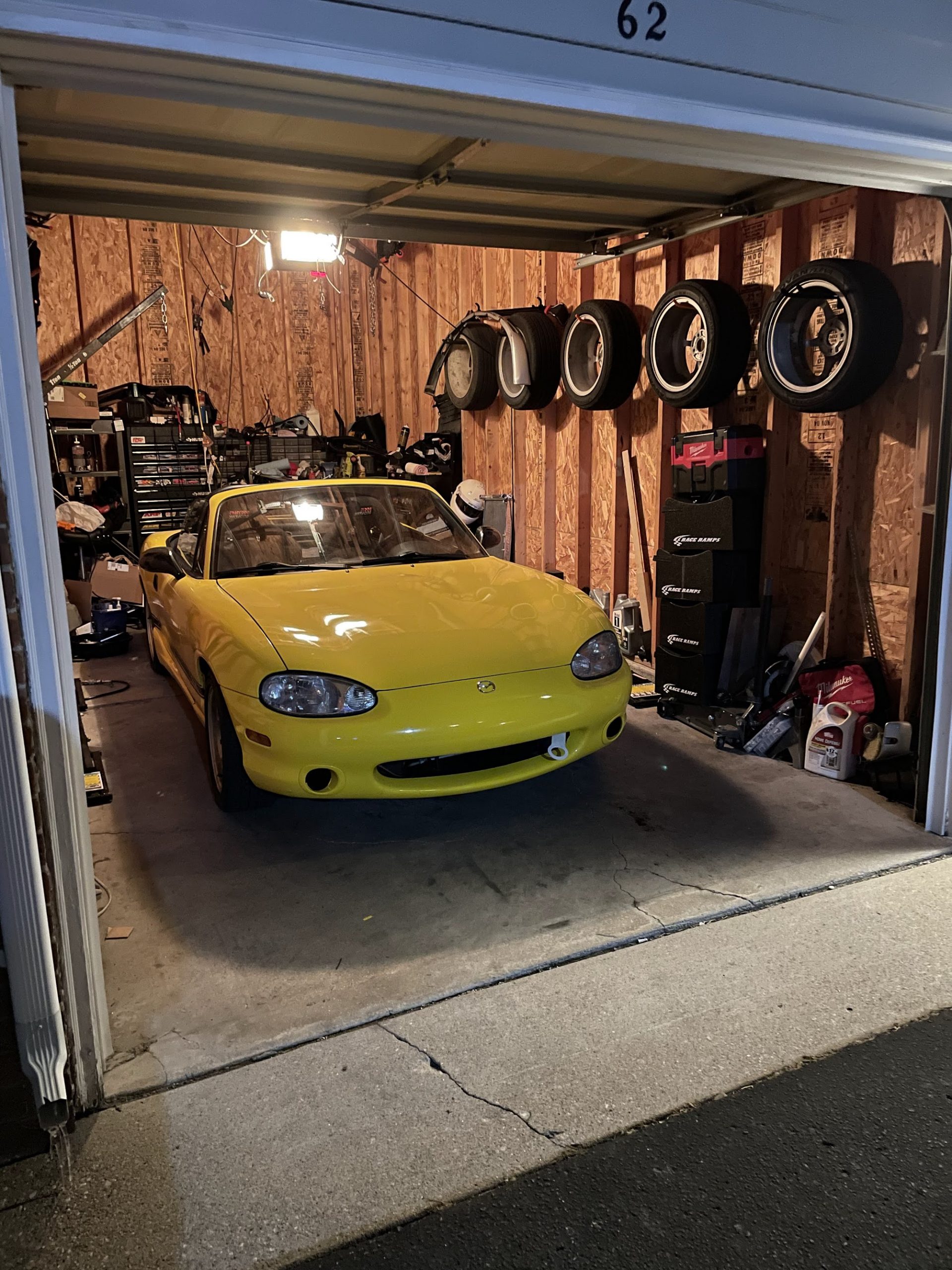
As temperatures dropped in Nebraska, the vehicle was prepared for winter storage to avoid the deleterious effects of road salt. NB Miatas are historically susceptible to "frame rail rot" and rocker panel rust due to internal condensation and drainage design flaws. In November, the addition of a factory color-matched hardtop provided structural rigidity and improved weather sealing.
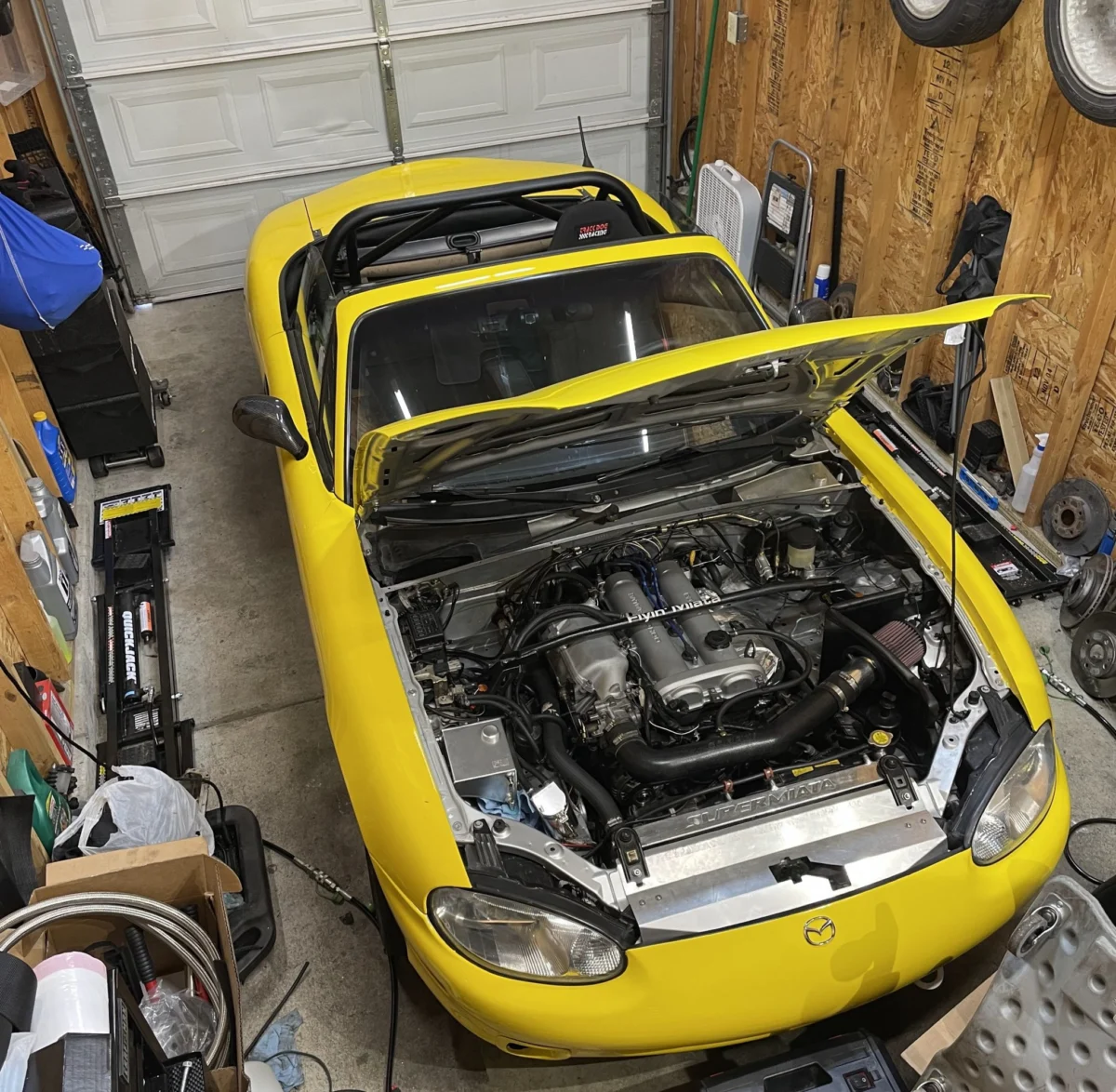
December 2021 and January 2022 were dedicated to "engine-out" maintenance. While the engine remained in the bay for many tasks, the complexity of certain repairs necessitated significant disassembly. Key interventions included:
- Rear Main Seal Replacement: Addressing a common oil leak point at the back of the crankshaft.
- Oil Pan Repair: Rectifying a stripped drain plug thread, a common issue in aluminum pans.
- Coolant Reroute: This is a critical modification for the BP engine series. The factory cooling path prioritizes the front cylinders, often leaving cylinder four prone to overheating. A "reroute" kit forces coolant to exit the rear of the head, ensuring thermal parity across all four cylinders.
Phase VI: Safety Systems and Precision Alignment
The final month of the first-year cycle, February 2022, focused on cockpit safety and chassis geometry. To comply with track safety regulations, the following equipment was installed:
- Track Dog Racing UltraShield Seats: Fixed-back racing seats to provide lateral support.
- 6-Point Harnesses: Essential for occupant retention during high-G maneuvers.
- HANS Device Compatibility: Ensuring the driver’s head and neck are protected during a frontal impact.
A critical safety metric for convertibles is the "broomstick test," which requires a line drawn from the top of the roll bar to the front structure of the car to clear the driver’s helmet. The project successfully met these criteria, albeit with minimal clearance.
The year concluded with a DIY wheel alignment. Unlike many modern cars with limited adjustability, the NB Miata features eccentric bolts on all four corners, allowing for independent adjustment of camber, caster, and toe. This mechanical transparency allows enthusiasts to "tune" the handling characteristics—such as inducing oversteer or improving high-speed stability—without the need for expensive aftermarket control arms.
Chronology of Events: March 2021 – February 2022
- March 2021: Acquisition of 2000 NB Mazda Miata.
- April 2021: Baseline maintenance (Timing belt, water pump, seals).
- May 2021: Community engagement and first regional Miata meet.
- June 2021: Full exhaust system upgrade (Header, mid-pipe, muffler).
- July 2021: Bodywork preparation and fender replacement.
- August 2021: Full exterior vinyl wrap in Yellow.
- September 2021: First track day at Raceway Park of the Midlands.
- October 2021: SCCA Autocross participation.
- November 2021: Hardtop installation and winter preparation.
- December 2021: Suspension overhaul and replacement of worn bushings.
- January 2022: Engine-out repairs (Rear main seal, oil pan, coolant reroute).
- February 2022: Safety gear installation and DIY precision alignment.
Broader Impact and Market Implications
The twelve-month evolution of this NB Miata is emblematic of a larger shift in the automotive market. As internal combustion engines face increasing regulation and the industry moves toward electrification and automation, "analog" sports cars from the late 1990s and early 2000s have seen a surge in valuation. According to market data from classic car insurers, the value of clean NB Miatas has appreciated by nearly 40% over the last three years.
This project demonstrates that the Miata remains one of the few platforms where a single owner can perform everything from basic oil changes to complex engine-out repairs and competitive track preparation. The "project car" lifecycle documented here serves as a blueprint for sustainable automotive enthusiasm—prioritizing mechanical restoration, safety, and driver education over superficial modifications. As the vehicle enters its second year, the foundation of reliability and safety established in the first twelve months ensures it will remain a viable performance machine for years to come.