Vera Clarissa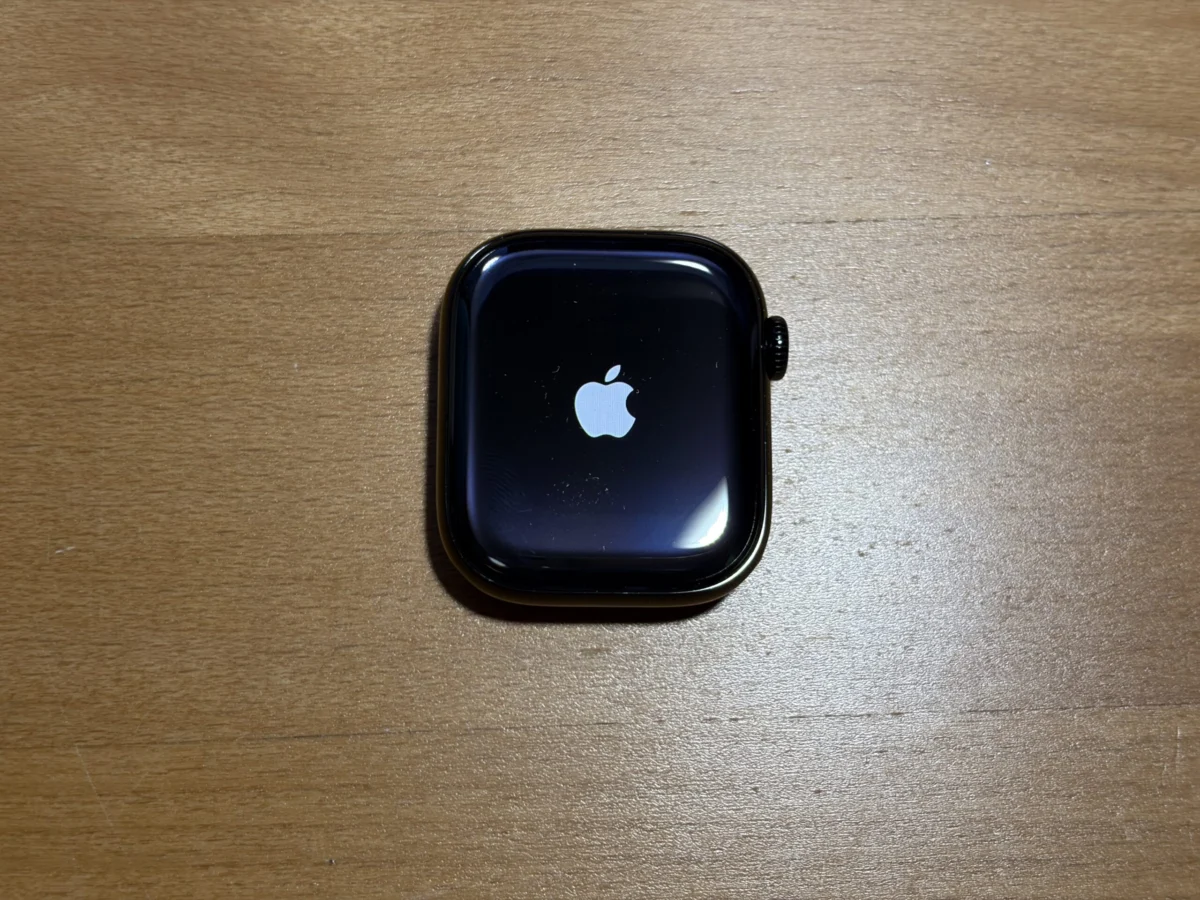
The wearable technology market continues to evolve, with smartwatches playing an increasingly integral role in consumers’ daily lives. For long-time Apple enthusiasts, the journey with the Apple Watch has been one of gradual adoption and, for some, a recent re-evaluation of its utility. This article delves into the experience of one user who, after years of reliance on an aging Apple Watch Series 3, opted for a significant upgrade to the latest Series 11, spurred by a compelling carrier promotion. This narrative provides a window into the changing perception of smartwatches, their integration with mobile ecosystems, and the influence of carrier partnerships on consumer technology adoption.

The Lifespan of a Smartwatch Companion
The user’s initial foray into the Apple Watch ecosystem began in 2017 with the purchase of an Apple Watch Series 3. This device served as a constant companion through multiple iPhone upgrades, underscoring its perceived value as an extension of the user’s primary smartphone. However, as is the nature of technology, the Series 3, after approximately six years of service, began to show its age. Reports of a deteriorating battery, noticeable stuttering in animations, and a diminished overall user experience became increasingly apparent. Despite its long tenure, the user notes that its utility had largely devolved to basic functions: timekeeping and notification delivery. This observation aligns with broader trends in the tech industry, where device obsolescence, driven by both hardware degradation and software demands, necessitates periodic upgrades.
Shifting Perceptions of Smartwatch Utility
The initial hype surrounding smartwatches in the mid-2010s positioned them as potentially revolutionary devices capable of transforming daily interactions. The user reflects on this period, recalling a personal vision of a future where smartwatches offered far more advanced functionalities. However, by 2023, the user’s perspective had matured, settling on a more pragmatic view: smartwatches are primarily sophisticated smartphone companions. This recalibration of expectations is crucial in understanding the current market dynamics. While advanced health tracking, contactless payments, and seamless app integration are core features, the fundamental role of many smartwatches remains tied to augmenting the smartphone experience rather than replacing it entirely.
The Catalyst for an Upgrade: A Tale of Two Watches
The user’s journey back into the Apple Watch market was not a straightforward path to the latest model. A prior acquisition in mid-January of a Space Gray 38mm Series 2, characterized by a failing battery and a slightly damaged display during a self-inflicted battery replacement, highlighted the user’s ongoing interest in the product line. While this Series 2 remained functional, the experience of witnessing a partner’s acquisition of a Series 8 in Starlight ignited a desire for a newer, more refined device. The critical caveat, however, was the price. The user explicitly stated a preference for upgrading only if a favorable price point could be achieved.
This desire for a modern device, coupled with a condition of affordability, set the stage for a pivotal moment. The user’s mobile carrier, T-Mobile, presented an offer for the then-new Series 11, which the user deemed "reasonable." This specific offer from T-Mobile, details of which are presented visually within the original content, signifies the growing importance of carrier partnerships in the distribution and adoption of high-end consumer electronics. Such promotions can significantly lower the barrier to entry for consumers, making advanced technology accessible to a wider audience.
Unboxing the Future: A First Look at the Series 11
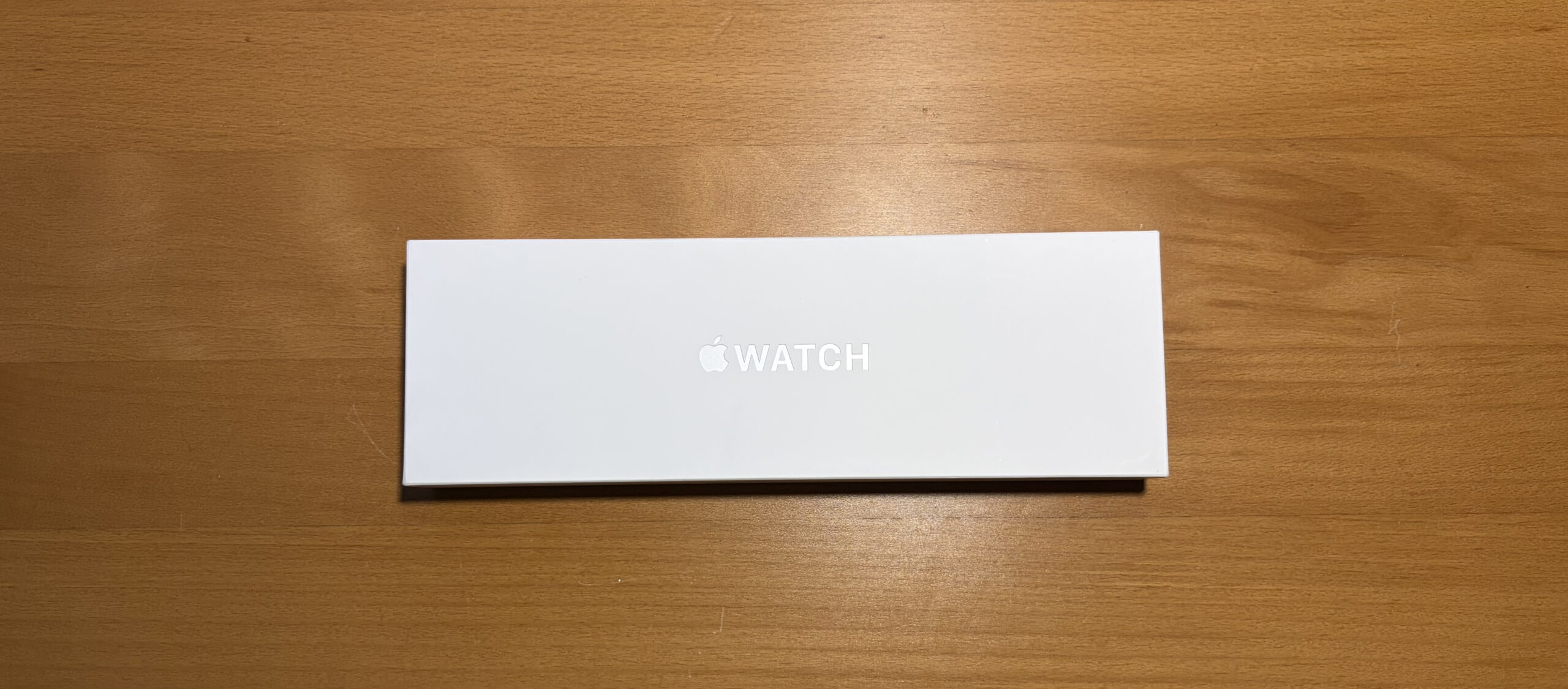
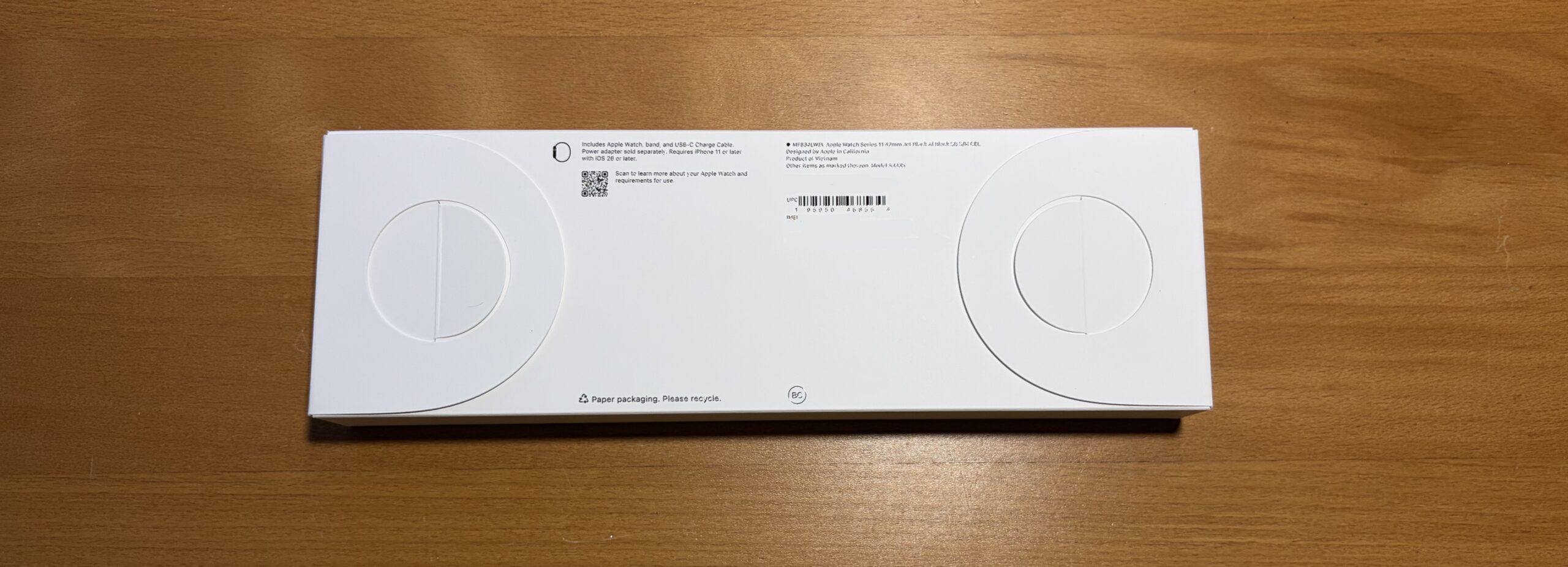
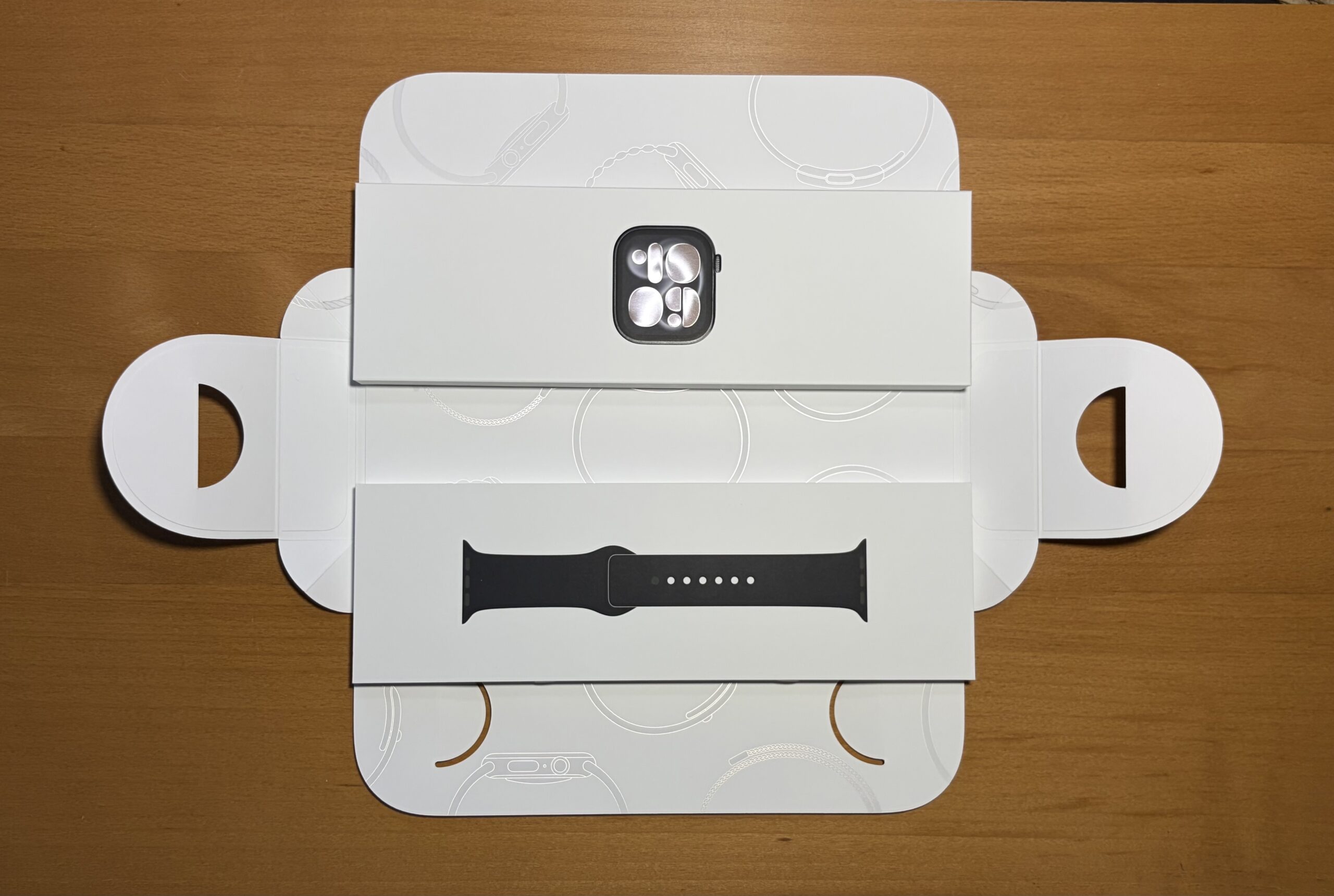
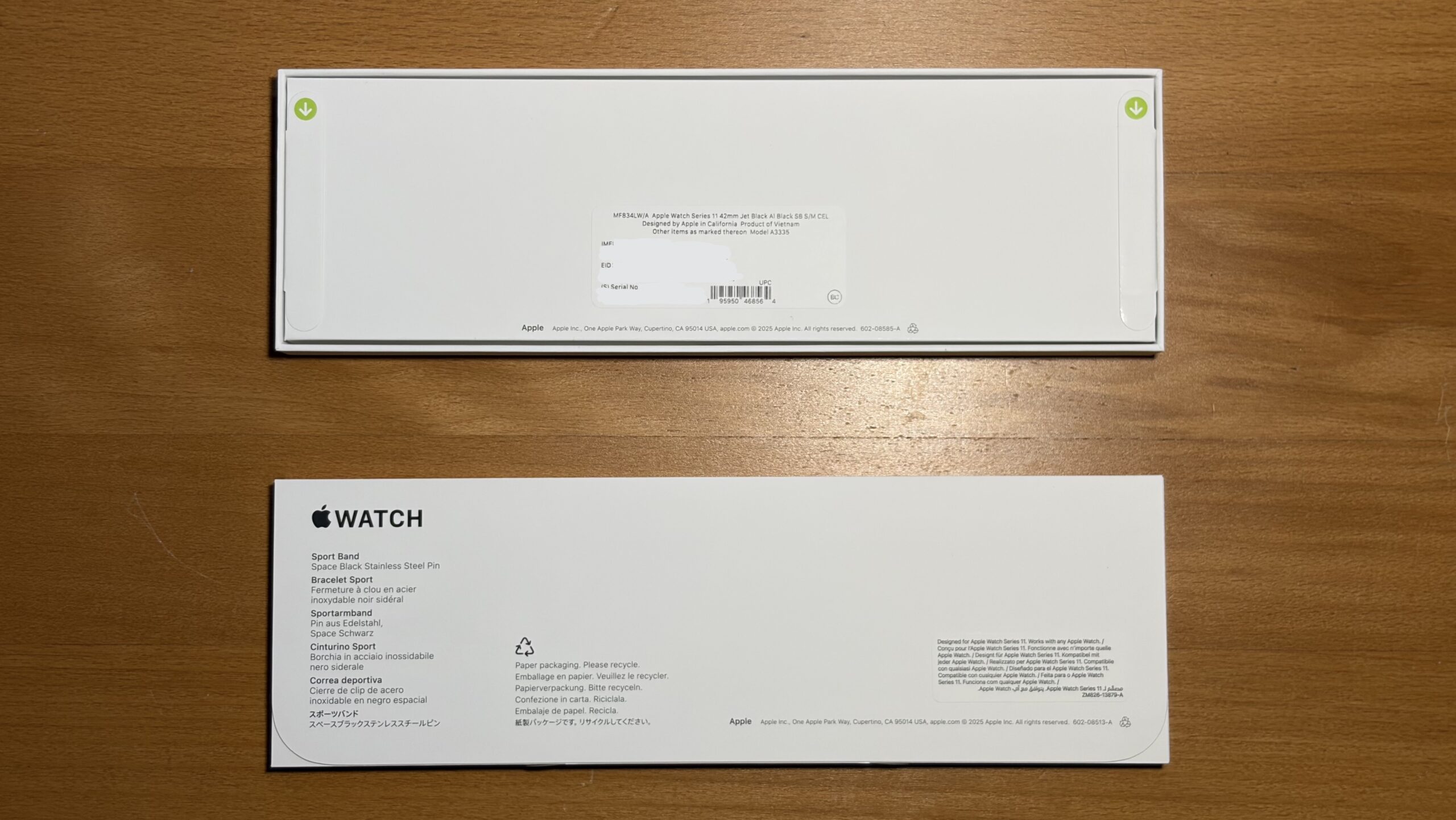
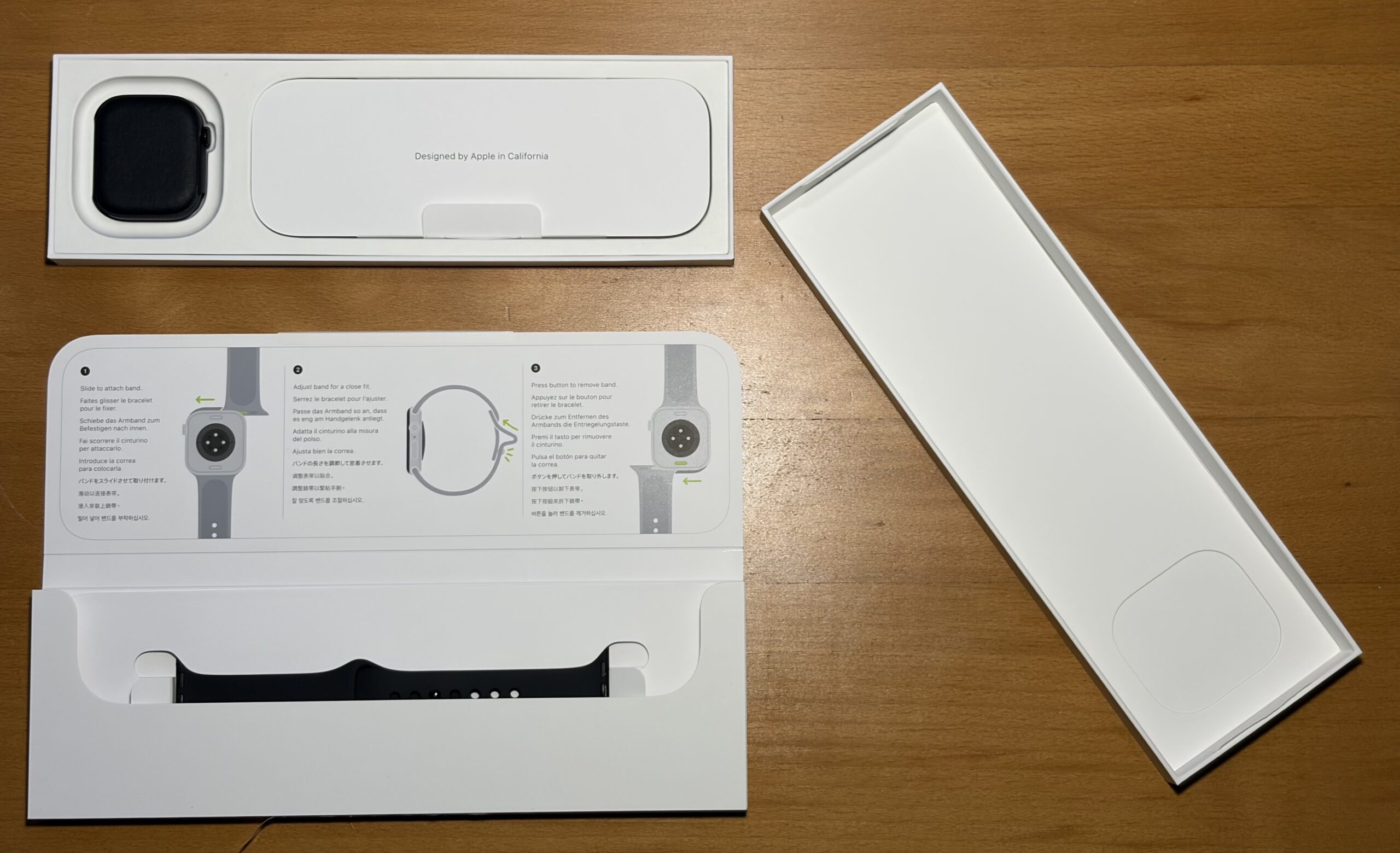
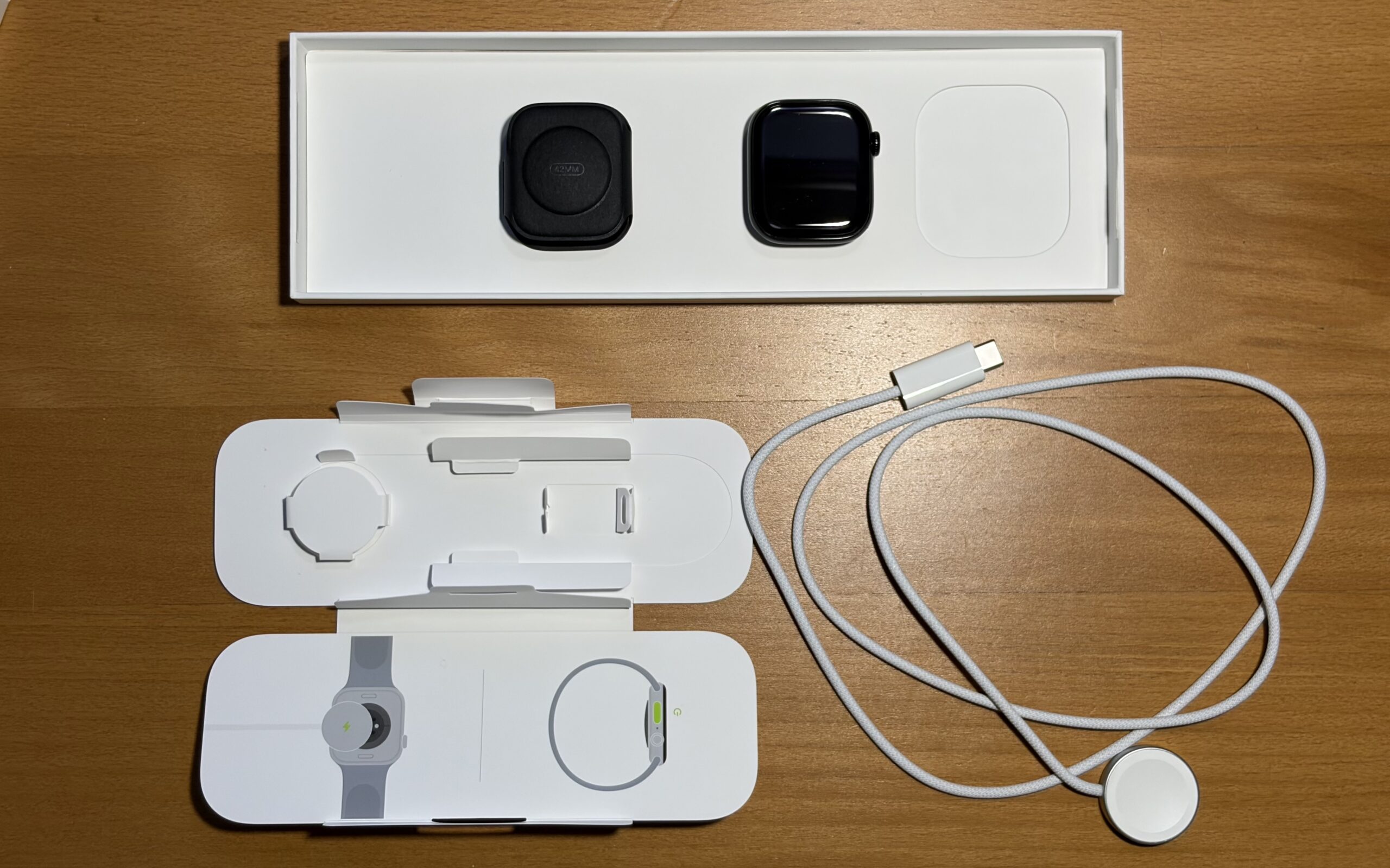
The unboxing process of the new Apple Watch Series 11 is documented through a series of images, showcasing the meticulous presentation characteristic of Apple products. The packaging, designed for both protection and aesthetic appeal, typically includes the watch itself, charging accessories, and documentation. While the specific contents of the Series 11 box are not detailed in text, the visual evidence suggests a standard, minimalist approach to product presentation.
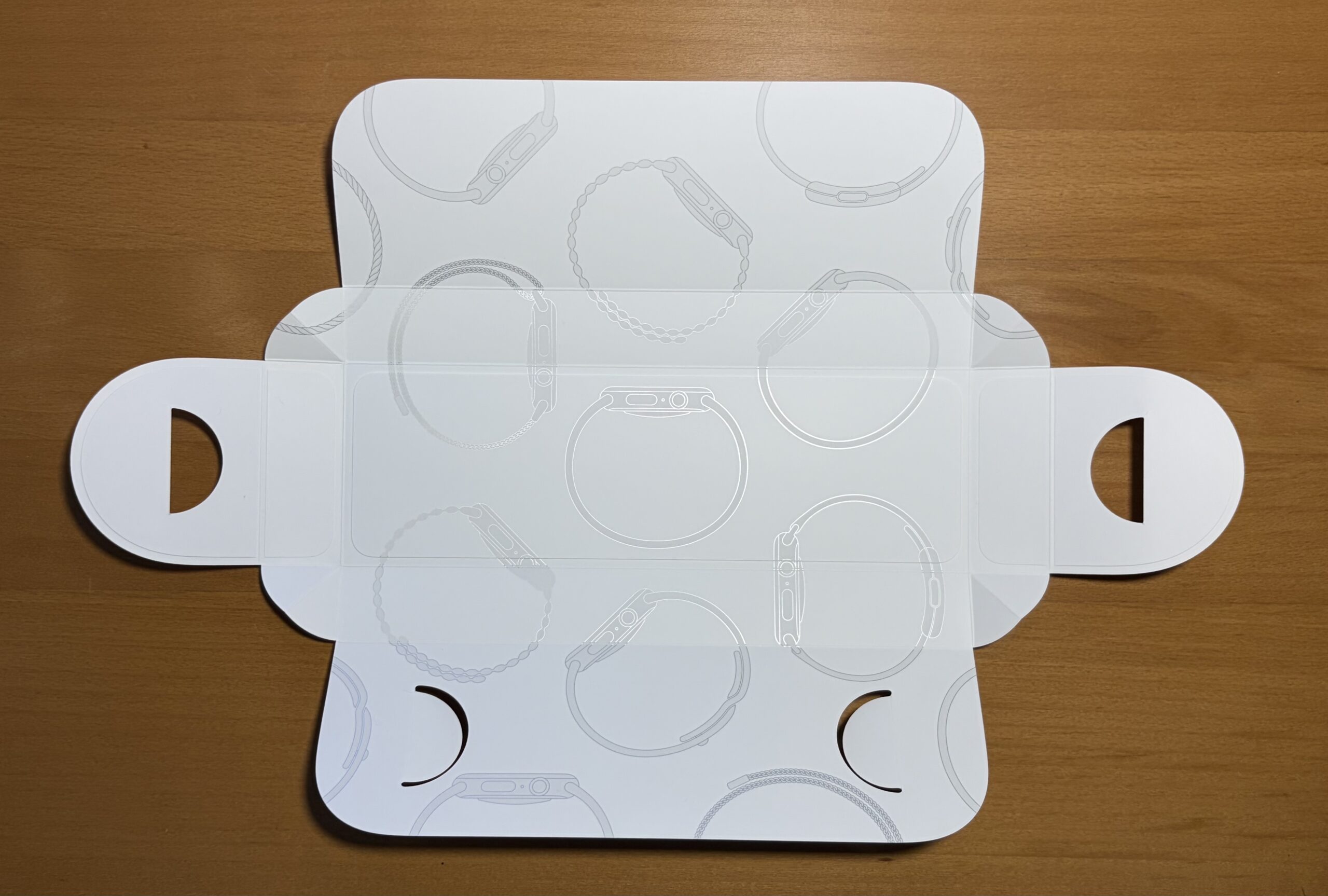
A particularly intriguing detail highlighted is the internal design of the watch packaging. The interior of the box is adorned with printed imagery of various Apple Watch models, a subtle yet effective nod to the product’s heritage and evolution. This design choice serves to reinforce brand identity and create a sense of continuity within the Apple ecosystem.
The Allure of "Obsidian": A Design Choice
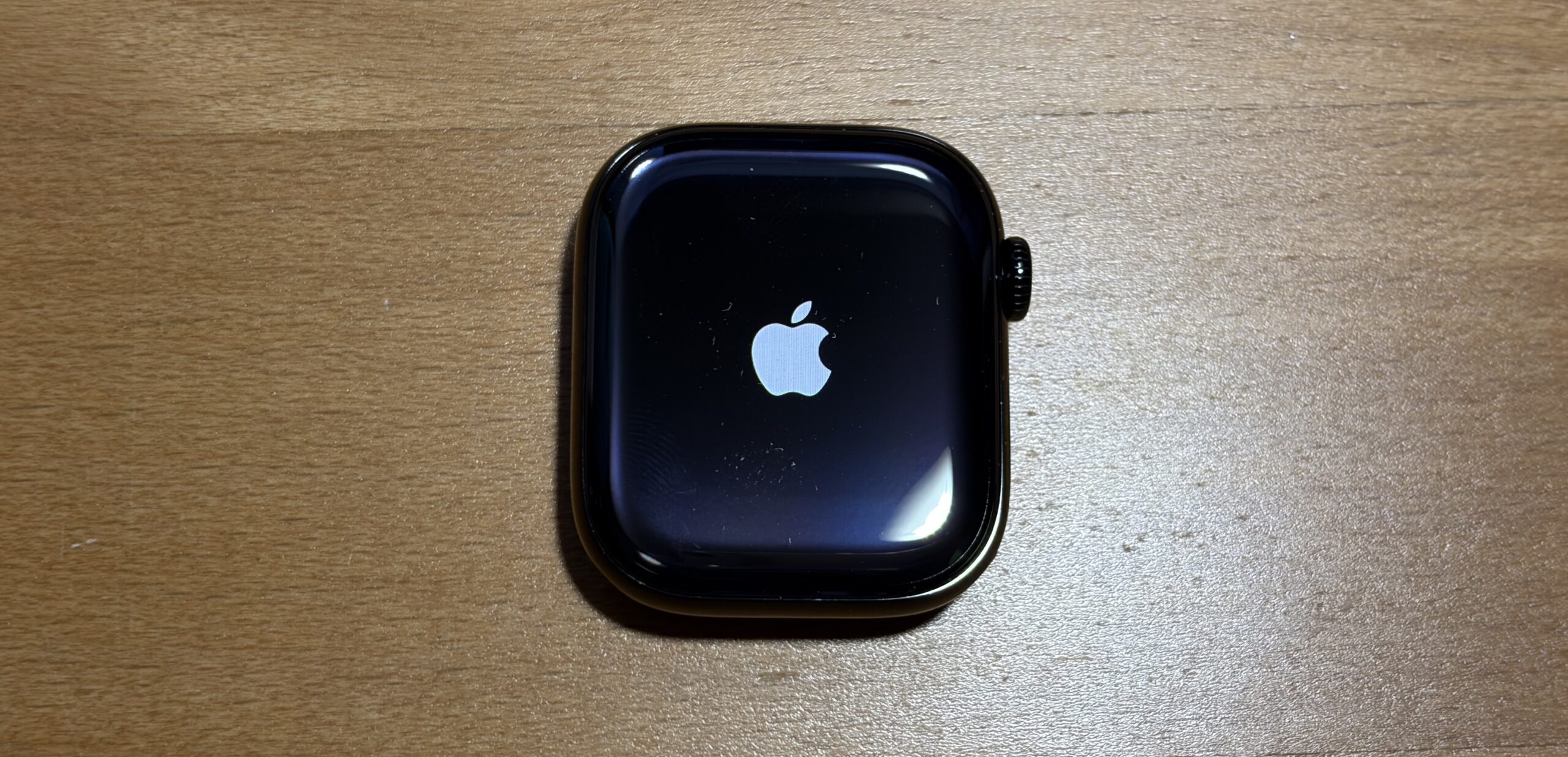
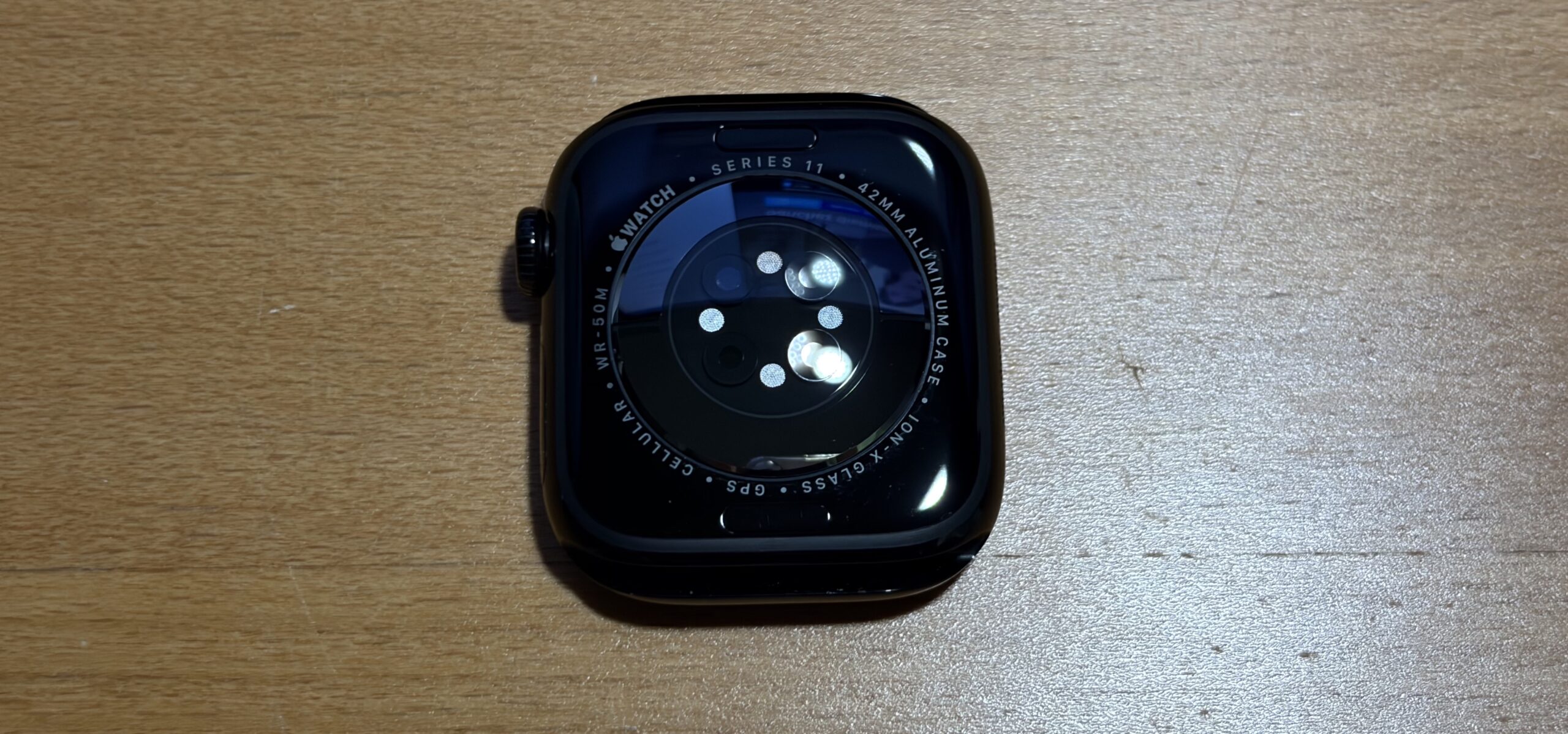
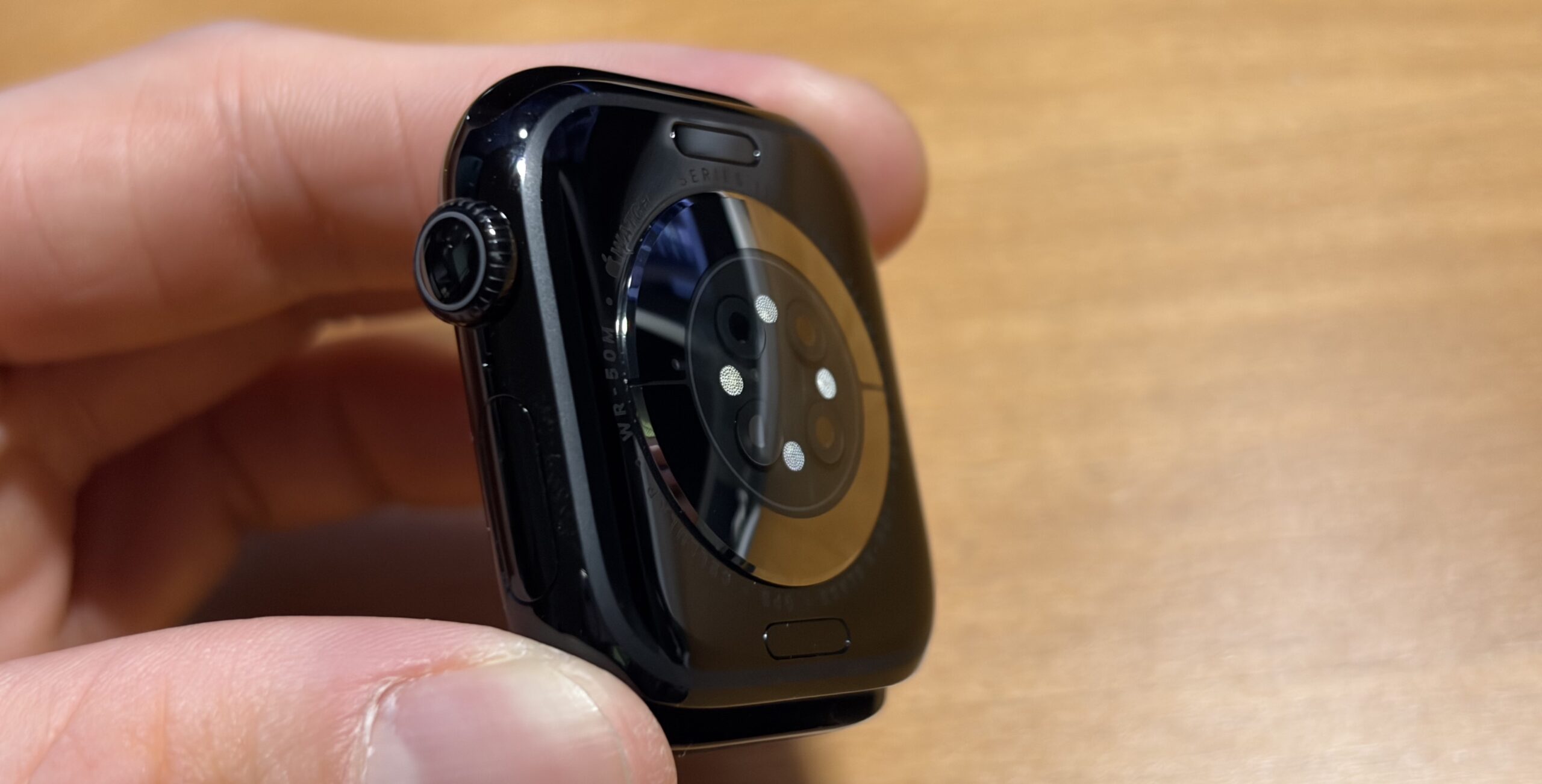
The user’s selection of the Jet Black color for the Series 11 is described with particular emphasis. While not able to examine the options in person, the choice was driven by a desire for a "subtle yet aesthetically pleasing" finish. The surprise, however, came with the actual appearance of the watch. The user found the Jet Black finish to be "sleek and shiny all-around," drawing a direct comparison to the striking aesthetics of the iPhone 7 in Jet Black. This comparison evokes a sense of premium build quality and a desirable tactile experience. The watch’s lustrous appearance led to its affectionate nickname: "Obsidian," a testament to its deep, reflective black hue reminiscent of the volcanic glass.
The Enduring Appeal of Milanese Loop Bands
The user’s preference for watch bands reveals a long-standing affinity for the Milanese loop design. Described as simple, elegant, and highly functional, Milanese loops are lauded for their ease of adjustment, removal, and wear. This preference extends back to the user’s initial Series 3, with the original sport band remaining in its packaging for the entire duration of its use. This indicates a strong personal conviction regarding the superior comfort and convenience of the Milanese loop.
Significantly, the user demonstrates a pragmatic approach to accessory compatibility. A third-party, silver-colored metal watch band, previously used with the Series 2, was found to be compatible with the new Series 11. While not a perfect aesthetic match for the Jet Black watch, the band "snaps in, stays in place, and feels secure enough to use." This highlights the standardization of Apple Watch band connectors across different generations, allowing users to retain and repurpose existing accessories. The user acknowledges the intention to acquire a band that better complements the Jet Black finish in the future, underscoring the importance of personalization in wearable technology.
A Return to Content Creation: The Future of Low End Mac
The author concludes by reflecting on their hiatus from publishing on the Low End Mac website, which spanned nearly two months. The pause was attributed to focusing on personal life, but the commitment to the platform remained. The article serves as a re-entry point, signaling a renewed dedication to content creation. The author expresses a desire to catch up on recent technological developments, including new Tech Specs, the MacBook Neo, and other Apple-related news. This personal reflection, framed within the context of a product review, adds a layer of authenticity and engagement for the website’s readership, promising a return of regular content.
The Apple Watch, evolving from a device of nascent potential to a refined smartphone companion, continues to capture the attention of consumers. The narrative of this user’s upgrade underscores the interplay between device longevity, evolving user expectations, and the strategic role of carrier promotions in shaping purchasing decisions. As wearable technology matures, its integration into our digital lives becomes more seamless, with devices like the Apple Watch serving as tangible indicators of this ongoing technological progression. The commitment to sharing these experiences, as exemplified by the author’s return to Low End Mac, ensures a continuous dialogue within the tech community about the practical applications and future trajectory of these innovative gadgets.