Johny Imanuel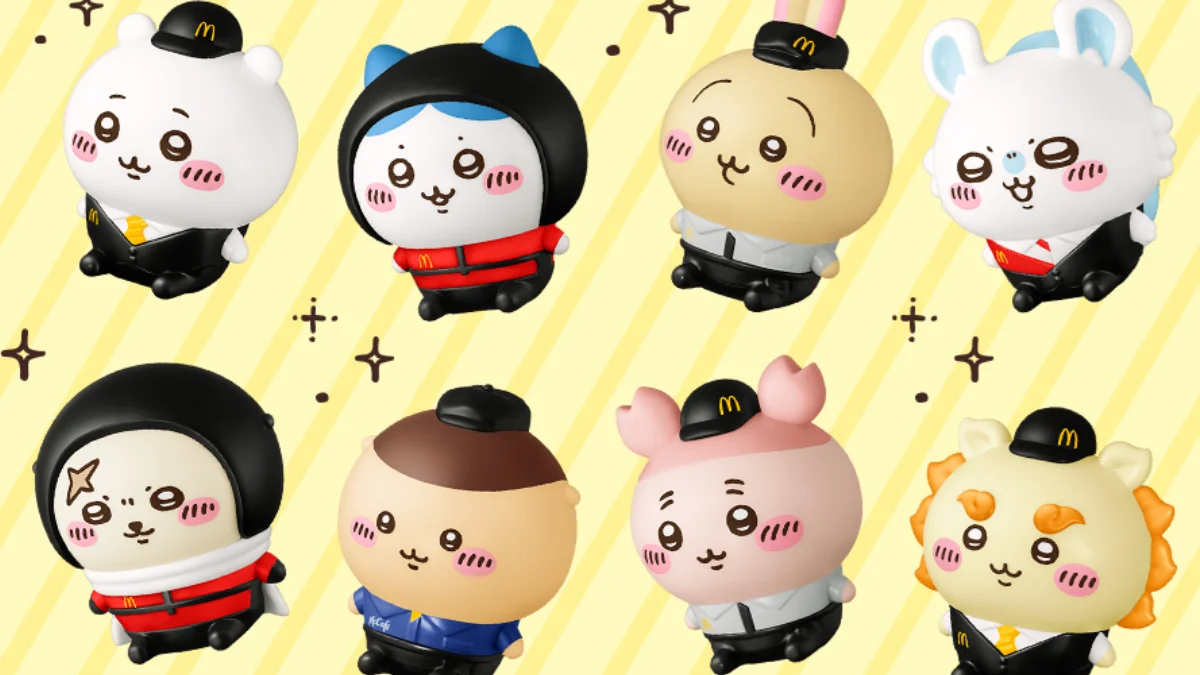
Strategic Restrictions by Major Resale Platforms
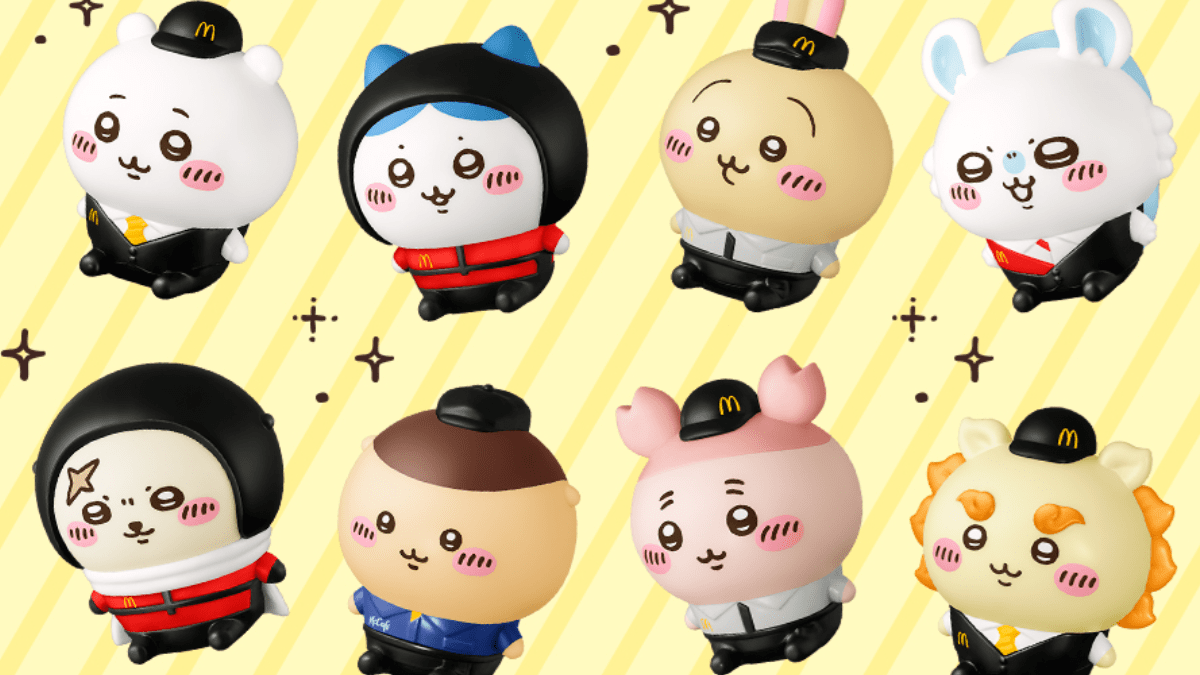
On May 7, 2026, Mercari, Inc. issued a formal statement via its official corporate channels, confirming that it would prohibit the listing of McDonald’s Chiikawa Happy Meal toys for a set period. According to the company, this ban is designed to ensure that the platform remains a "safe and secure" environment for its users. The restriction is currently slated to last until June 14, 2026, though the company noted that this window could be extended at its discretion depending on market volatility. Mercari also warned that users who attempt to circumvent these rules through "illegal listings" or repetitive violations would face punitive measures, including account suspensions or permanent bans.
Simultaneously, Yahoo Auctions and Yahoo Flea Market (now under the LY Corporation umbrella) announced similar restrictions. Unlike Mercari, Yahoo Auctions did not specify an end date for its ban, opting instead to monitor the situation as the promotion unfolds. In its official support documentation, Yahoo explained that the Chiikawa toys fall into a category of high-demand items—similar to the recently restricted Nintendo Switch 2 console—that are prone to extreme price fluctuations and hoarding. The company stated that these measures are necessary to prevent "rocketing prices" and to maintain a fair market for consumers.
The Chiikawa Phenomenon and the Risk of Scalping
The decision to ban these items before they even hit the shelves is a direct response to the overwhelming popularity of Chiikawa. Created by the illustrator Nagano, Chiikawa—short for "Nanka Chiisakute Kawaii Yatsu" (Something Small and Cute)—has evolved from a web manga into a cultural juggernaut in Japan. The series, which follows the often-relatable and sometimes harrowing lives of small, hard-working creatures, has a massive following among both children and adults.
Because of this dual-demographic appeal, McDonald’s Japan collaborations involving Chiikawa are historically prone to supply shortages. In previous years, similar promotions involving characters like Kirby or Pokémon have seen stocks depleted within hours of launch, only for the toys to appear on resale sites minutes later at five to ten times their original value. By banning listings during the peak of the campaign, platforms are attempting to remove the financial incentive for scalpers to buy out the inventory of local McDonald’s branches.
Chronology of the 2026 Chiikawa Collaboration
The timeline for this event is critical for collectors and investors alike. The preventative measures were enacted a week prior to the physical launch to discourage "pre-sale" listings, a common tactic where scalpers list items they do not yet possess.
- May 7, 2026: Mercari and Yahoo Auctions announce the ban on Chiikawa Happy Meal toy listings.
- May 15, 2026: The McDonald’s Japan Chiikawa Happy Meal campaign officially begins nationwide.
- June 11, 2026: The scheduled end date for the McDonald’s Chiikawa promotion.
- June 14, 2026: The earliest date Mercari may lift its resale restrictions.
This timeline ensures that the ban covers the entire duration of the official sale period plus a three-day buffer. This buffer is intended to allow the initial "hype" to subside, theoretically stabilizing the market value of the items before they are allowed to be traded on secondary platforms.
Supporting Data: The Economic Impact of "Tenbai"
The necessity for such drastic measures is backed by historical data from the Japanese toy and hobby market. In 2023 and 2024, the "resale problem" became a point of national discussion in Japan. A notable example cited by industry analysts was the 2023 Van Gogh Museum collaboration with the Pokémon Center. A limited-edition "Pikachu with Grey Felt Hat" card, originally intended as a promotional gift, was immediately targeted by scalpers. Within days, cards were being resold for upwards of $100 to $500, leading to safety concerns at the museum and the eventual cancellation of the physical distribution.
In the context of McDonald’s Japan, a 2024 Kirby Happy Meal promotion resulted in such high demand that many locations sold out of their entire two-week stock in less than 48 hours. This led to widespread public outcry from parents who were unable to purchase toys for their children. Market analysts suggest that by implementing a ban, platforms like Mercari are not only protecting consumers but also protecting their own brand reputation, as they are often blamed for facilitating the "gray market" that drives these shortages.
Official Responses and Corporate Strategy
McDonald’s Japan has also taken internal steps to manage the anticipated surge in demand. While the company has not commented directly on the specific policies of Mercari or Yahoo, it has implemented its own "purchase ticket" system for the Chiikawa campaign. Under this system, customers may be required to obtain a digital or physical ticket to purchase the Happy Meals, and many branches are expected to enforce a strict limit on the number of meals per customer.
A spokesperson for a major Japanese consumer advocacy group stated, "The proactive stance taken by resale platforms is a welcome change. For too long, the ‘tenbai-ya’ (scalpers) have distorted the retail landscape, turning a child’s toy into a high-stakes commodity. These bans help return the focus to the joy of collecting rather than the potential for profit."
Platform moderators at Yahoo Auctions have also clarified that they are utilizing automated AI tools to flag listings that use keywords related to the McDonald’s Chiikawa campaign. This automated oversight is intended to catch users who try to disguise their listings using creative titles or by categorizing the items in unrelated sections of the site.
Broader Implications for the Collectibles Market
The decision to treat Chiikawa toys with the same level of scrutiny as a next-generation video game console (the Nintendo Switch 2) highlights a new era in Japanese retail. It suggests that "soft" intellectual property (IP) like mascot characters can have an economic impact and market volatility equal to that of high-end electronics.
This move could set a precedent for future collaborations. If the ban successfully prevents a sell-out crisis, other international platforms might adopt similar strategies for high-profile drops, such as limited-edition sneakers or concert merchandise. However, critics of the ban argue that it may simply push the resale market underground or to less-regulated social media platforms like X (formerly Twitter) or Discord, where buyer protections are non-existent.
Furthermore, the ban raises questions about the definition of "scalping" versus "legitimate secondary trading." By setting a specific date for the lifting of the ban (June 14), Mercari is acknowledging that there is a legitimate place for collectors to trade items once the primary retail window has closed. The goal is not to eliminate the secondary market entirely, but to prevent the artificial depletion of stock during the initial release phase.
Conclusion and Outlook for May 15
As the May 15 launch date approaches, all eyes will be on McDonald’s locations across Japan. The success of these anti-scalping measures will be measured by whether the toys remain available to the general public for the duration of the four-week campaign. For McDonald’s, the goal is to drive foot traffic and brand loyalty; for fans, the goal is to secure a piece of the Chiikawa world without paying a premium.
With Mercari and Yahoo Auctions standing firm on their listing prohibitions, the 2026 Chiikawa Happy Meal launch serves as a landmark case study in the ongoing battle between retailers, fans, and the resale economy. Whether this strategy becomes the "new normal" for Japanese collectibles remains to be seen, but for now, it offers a glimmer of hope for consumers who simply want to enjoy "something small and cute" at its intended price.