Cecilia Chamidah Nur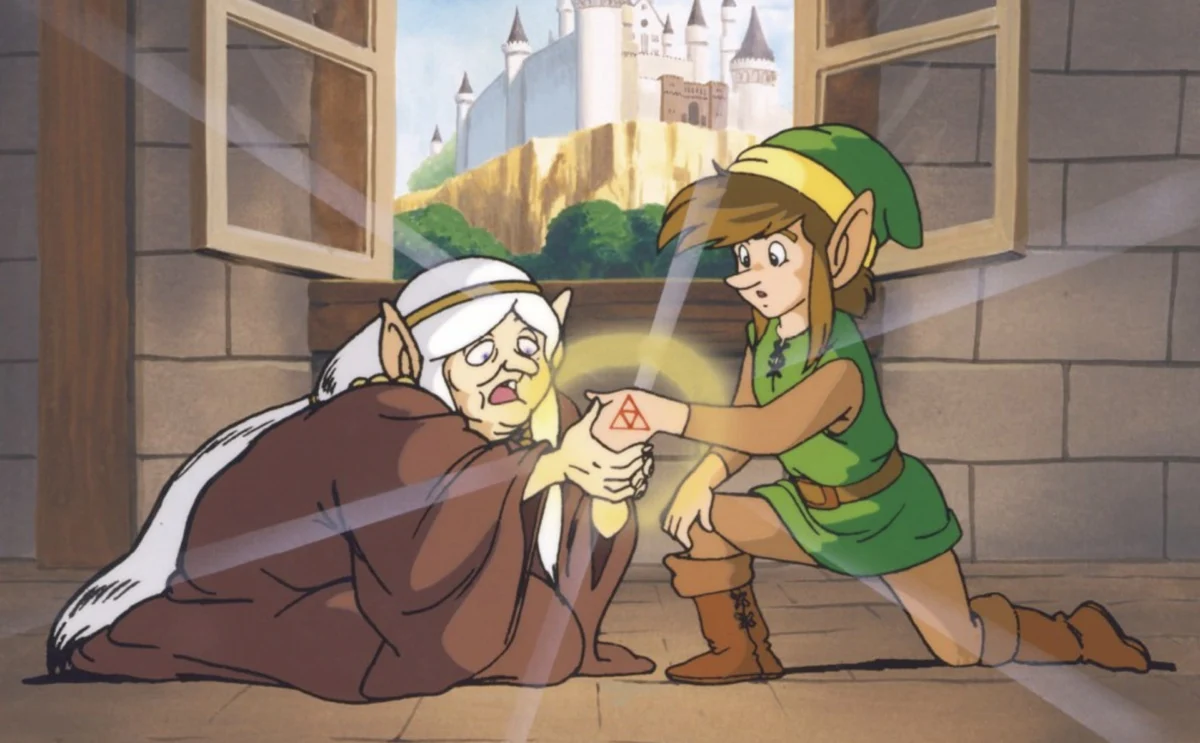
The acclaimed The Legend of Zelda series, now spanning over four decades, has cultivated a rich tapestry of adventures, spin-offs, and remakes, solidifying its place as one of the most influential franchises in video game history. While many titles within its extensive lineage are celebrated for their innovative gameplay and narrative depth, one particular entry, 1987’s Zelda II: The Adventure of Link, has long occupied a distinct and often contentious position. This second installment for the Nintendo Entertainment System (NES) dramatically diverged from its predecessor, introducing a side-scrolling perspective, role-playing game (RPG) elements, and a heightened difficulty that polarized critics and players alike for decades. Series creator Shigeru Miyamoto, the visionary behind The Legend of Zelda, has himself expressed a nuanced and somewhat critical view of Zelda II, famously describing it as "sort of a failure" and distinguishing it from what he considers the "real" follow-up to the original masterpiece.
The Genesis of a Radical Departure
Released in Japan for the Famicom Disk System in January 1987 and subsequently on cartridge for the NES in North America in December 1988 and Europe in September 1989, Zelda II: The Adventure of Link represented an ambitious, if ultimately controversial, attempt to redefine the nascent franchise. Following the groundbreaking success of The Legend of Zelda in 1986, which sold over 6.5 million units worldwide and established the open-world action-adventure genre, expectations for its sequel were immense. However, instead of iterating on the top-down exploration and puzzle-solving mechanics that made the original a sensation, Zelda II veered sharply into new territory.
The game introduced several significant gameplay alterations. Most notably, the overworld map retained a top-down view, but encounters with enemies transitioned into side-scrolling combat sequences, reminiscent of titles like Castlevania or Metroid. Link gained experience points (XP) from defeating foes, allowing players to upgrade his attack, magic, and life stats, a feature more akin to traditional RPGs. Furthermore, a magic meter replaced the original’s item-based magic system, and towns populated with non-player characters (NPCs) offered quests and hints, deepening the game’s narrative and world-building beyond its predecessor. This fundamental shift in design was, as Miyamoto revealed in a resurfaced 2003 interview with Swedish Superplay Magazine, initially his "original idea." However, the development was largely handled by a different team within Nintendo, distinct from his primary creative group, Nintendo EAD. This separation, Miyamoto implied, contributed to the game’s final form differing from his evolving vision.
Miyamoto’s Candid Assessment: A "Sort of Failure"
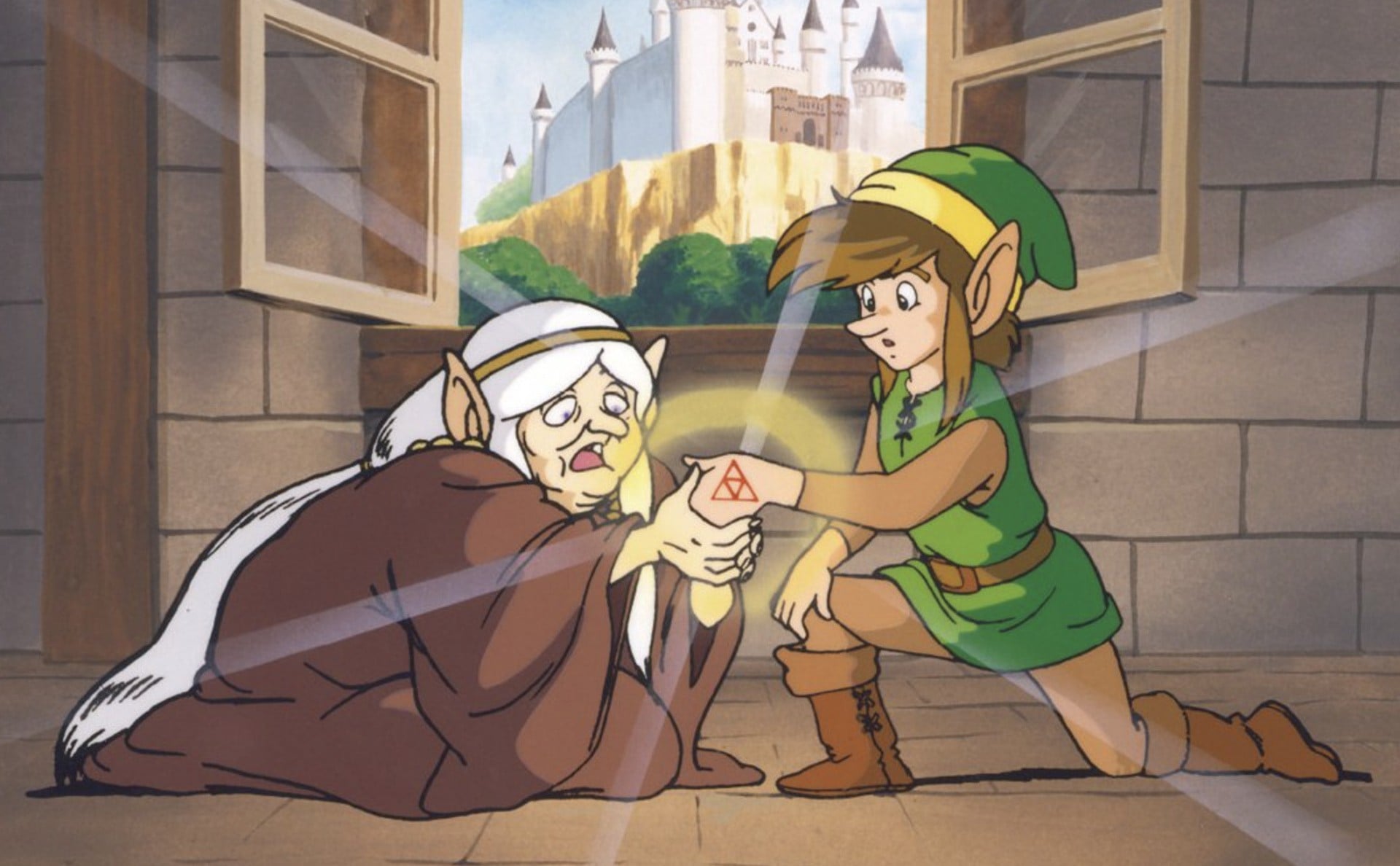
Miyamoto’s reflections on Zelda II underscore a critical aspect of game development: the iterative process and the challenge of maintaining creative coherence across different teams. In the 2003 interview, he articulated his disappointment, stating, "The games I make usually get better in the development process, since we keep coming up with good ideas, but Zelda 2 stayed the same. It was sort of a failure." This sentiment highlights a crucial distinction in Miyamoto’s philosophy: successful development, in his view, involves constant refinement and the integration of new, superior ideas as a project progresses. For Zelda II, this dynamic seems to have been absent, leading to a static development that failed to elevate the initial concept.
He further clarified his perspective by positing The Legend of Zelda: A Link to the Past, released in 1991 for the Super Nintendo Entertainment System (SNES), as the "real sequel" to the original The Legend of Zelda. Miyamoto relegated Zelda II to the status of "more of a side story about what happened to Link after the events of The Legend of Zelda." This recontextualization is significant, suggesting that even within Nintendo’s creative hierarchy, Zelda II was perceived as an experimental offshoot rather than a direct continuation of the core Zelda experience.
A decade later, in 2013, Miyamoto echoed these sentiments in a conversation with journalist Stephen Totilo, further elaborating on the technical challenges that plagued the Famicom Disk System version. He cited the notoriously long load times associated with the FDS, which negatively impacted the pacing and player experience compared to the smoother cartridge version released in the West. While load times were not the sole reason for his critical assessment, they contributed to a development cycle that, in his eyes, did not allow the game to reach its full potential.
The Commercial and Critical Landscape of Zelda II

Despite Miyamoto’s personal reservations, Zelda II was not a commercial flop. It sold approximately 4.38 million copies worldwide, a respectable figure for the era, though notably less than its predecessor. Critically, its reception was, as Miyamoto suggested, mixed. Contemporary reviews were often positive, praising its ambition, challenge, and unique blend of genres. Nintendo Power magazine, for instance, frequently featured it, and its difficulty was often seen as a badge of honor for dedicated players. However, other critics found its difficulty unforgiving, its side-scrolling combat repetitive, and its departure from the original’s formula jarring.
Retrospective analyses have further cemented Zelda II‘s divisive reputation. Some laud its courage to experiment, recognizing its influence on later action RPGs and its distinct place in the Zelda canon. Others continue to criticize its steep learning curve, cryptic puzzles, and the frustration induced by its "Game Over" system, which reset players to the beginning of the game or the last save point. The game’s unique take on the series’ lore, introducing the "blood of the hero" and the quest to awaken Princess Zelda from a sleeping spell, also carved out a niche for its narrative, even if its gameplay diverged widely.
The True Successor: A Link to the Past
Miyamoto’s designation of A Link to the Past as the "real sequel" is well-founded, both in terms of design philosophy and critical reception. Released five years after the original, A Link to the Past marked a deliberate return to the top-down perspective, expansive overworld, and intricate dungeon design that defined the first Legend of Zelda. It refined these elements with the enhanced capabilities of the SNES, introducing a rich color palette, more complex sprites, and the revolutionary "Light World" and "Dark World" mechanic, which allowed for unparalleled environmental puzzle-solving and exploration.
A Link to the Past was a critical darling from its release, universally praised for its polished gameplay, engaging story, and masterful level design. It sold over 4.6 million units, surpassing Zelda II‘s sales and cementing its status as a benchmark for action-adventure games. Its success not only reaffirmed the core Zelda formula but also set the standard for future installments, influencing everything from Ocarina of Time to Tears of the Kingdom. The development of A Link to the Past saw Miyamoto directly involved with his core team, allowing for the iterative process and creative refinement that he felt was missing from Zelda II‘s production. This direct oversight ensured that the game embodied the design principles he held dear, leading to a cohesive and critically acclaimed experience that resonated profoundly with both critics and players.
Chronology of a Franchise’s Evolution and Creator’s Perspective
To fully appreciate the context of Miyamoto’s comments, a timeline of key events is crucial:
- 1986 (February 21): The Legend of Zelda (Famicom Disk System) is released in Japan, introducing the foundational elements of the series.
- 1987 (January 14): Zelda II: The Adventure of Link (Famicom Disk System) is released in Japan, marking a significant departure in gameplay style.
- 1988 (August 22): The Legend of Zelda is released on cartridge for the NES in North America, becoming a major success.
- 1988 (December 1): Zelda II: The Adventure of Link is released on cartridge for the NES in North America.
- 1991 (November 21): The Legend of Zelda: A Link to the Past (Super Famicom) is released in Japan, returning to the original’s top-down perspective and refining the formula.
- 1992 (April 13): A Link to the Past is released for the SNES in North America, garnering widespread critical acclaim.
- 2003 (April 23): Shigeru Miyamoto’s interview with Swedish Superplay Magazine is published, where he describes Zelda II as "sort of a failure" and positions A Link to the Past as the "real sequel."
- 2013: Miyamoto reiterates his sentiments regarding Zelda II to Stephen Totilo, citing Famicom Disk System load times as a contributing factor to his disappointment.
- Present Day: Zelda II continues to be a subject of debate, with its unique mechanics influencing various indie titles and its place in the Zelda pantheon remaining a topic of discussion.
Legacy and Reappraisal: The Enduring Impact of a "Failure"
Despite Miyamoto’s critical assessment, Zelda II: The Adventure of Link has cultivated a fascinating legacy. It remains a unique anomaly in the Zelda series, a bold experiment that dared to deviate significantly from an established formula. For some, its high difficulty and distinct combat system are precisely what make it memorable and replayable. It is often cited by fans and developers as a precursor to elements found in later games, albeit in a more refined form. The game’s emphasis on challenging, skill-based combat has drawn comparisons to modern action RPGs, particularly those known for their unforgiving difficulty, such as the Dark Souls series. Its side-scrolling segments and town interactions, while not universally loved, provided a different flavor of adventure that some players found refreshing.
In recent years, there has been a notable reappraisal of Zelda II. Modern critics and retro gaming enthusiasts often highlight its innovative aspects, arguing that its perceived flaws were largely a product of its time and the nascent state of game design. Its courage to experiment, rather than simply replicate success, is now viewed by many as a commendable trait. The game’s distinct soundtrack, composed by Akito Nakatsuka, also stands out, offering memorable tunes that contribute to its unique atmosphere. While it may never achieve the widespread adoration of its brethren like Ocarina of Time or Breath of the Wild, Zelda II has solidified its place as a cult classic, a testament to the idea that even a creator’s "failure" can hold enduring appeal and influence.
Developer Intent Versus Player Experience: A Broader Implication
Miyamoto’s frank admission regarding Zelda II offers a valuable insight into the complex relationship between developer intent, the creative process, and audience reception. It underscores that even for a legendary designer, not every project aligns perfectly with the desired vision or evolves as anticipated. The game serves as a compelling case study on how external factors, such as team dynamics and technical limitations (like the FDS load times), can impact the final product and, consequently, its creator’s perception.
The ongoing debate surrounding Zelda II also highlights the subjective nature of gaming experiences. What one creator might deem a shortfall, an audience might find endearing or even revolutionary. This dichotomy between an artist’s internal critique and the public’s varied interpretations is a constant in creative fields. For Zelda II, its journey from a controversial sequel to a re-evaluated cult classic demonstrates the dynamic evolution of critical perspectives over time, often allowing for a deeper appreciation of historical context and the inherent risks of innovation.
In conclusion, while Shigeru Miyamoto may view Zelda II: The Adventure of Link as an anomaly or "side story" in the grand tapestry of The Legend of Zelda, and consider A Link to the Past the rightful successor, its unique place in gaming history is undeniable. It stands as a testament to Nintendo’s willingness to experiment, a challenging experience for players, and a fascinating point of introspection for one of the industry’s most influential figures. Its legacy continues to spark discussion, proving that even a "failure" in the eyes of its creator can achieve a lasting, if unconventional, impact.