Cecilia Chamidah Nur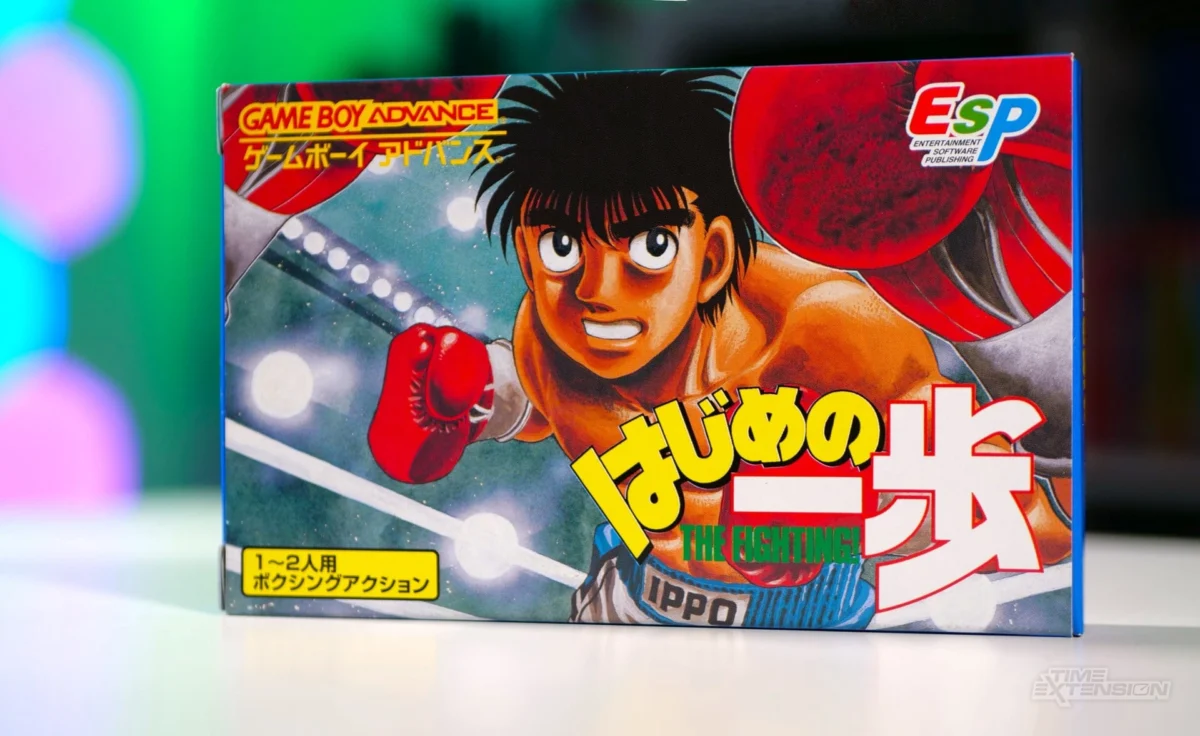
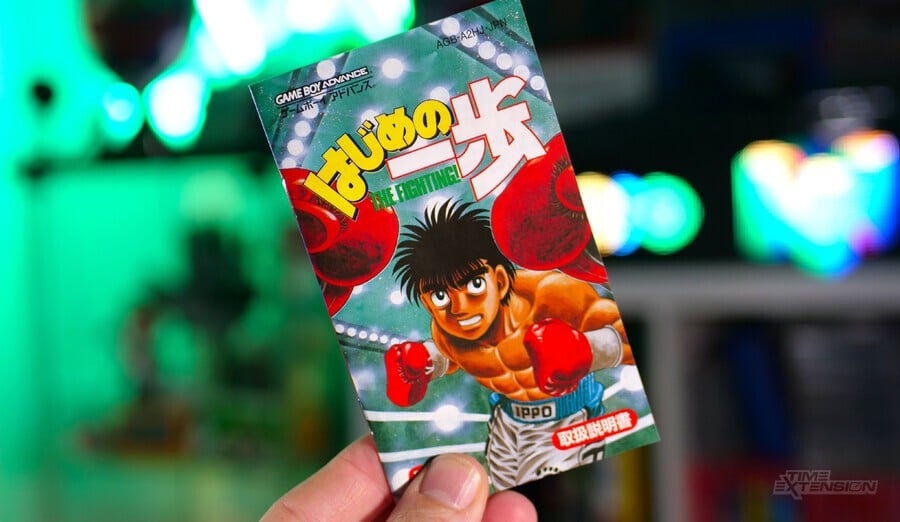
From its inception, the Japanese video game developer Treasure carved a formidable reputation for crafting innovative and intensely polished action titles. Games like Gunstar Heroes on the Sega Genesis/Mega Drive, Radiant Silvergun for the Sega Saturn, Gradius V on the PlayStation 2, and Sin & Punishment for the Nintendo 64 are frequently cited as masterpieces, cementing the studio’s legacy as a purveyor of high-quality, often challenging, and uniquely designed interactive entertainment. However, even a studio of Treasure’s caliber was not immune to the commercial realities and market forces that often necessitate diversification, including ventures into licensed intellectual properties. This dynamic led to a fascinating chapter in Treasure’s history: their 2002 Game Boy Advance title, Hajime no Ippo: The Fighting!, an adaptation of George Morikawa’s acclaimed boxing manga.
Treasure’s Enduring Legacy and the Strategic Embrace of Licensed IPs
Treasure’s journey began in 1992, founded by former Konami employees seeking greater creative freedom. Their early output, characterized by intricate level design, innovative gameplay mechanics, and distinctive artistic styles, quickly garnered a dedicated following. Titles such as Gunstar Heroes (1993) redefined the run-and-gun genre, while Radiant Silvergun (1998) became a benchmark for vertical-scrolling shooters, celebrated for its complex weapon system and deep scoring mechanics. Gradius V (2004) revitalized a classic Konami franchise with Treasure’s signature flair, and Sin & Punishment (2000) offered a unique blend of rail-shooter and action elements. These games showcased a studio committed to pushing boundaries and delivering unparalleled experiences within their chosen genres.
Despite this celebrated legacy of original creations, the economic landscape of the video game industry, particularly in the late 1990s and early 2000s, often compelled developers to undertake work-for-hire projects and licensed adaptations to secure financial stability. For Treasure, this meant periodically stepping away from their own IPs to develop games based on established media franchises. Examples include McDonald’s Treasure Land Adventure (1993) for the Mega Drive, Dragon Drive: D-Masters Shot (2003) for the GameCube, and Bleach: The Blade of Fate (2006) for the Nintendo DS. These projects, while perhaps not always reaching the same cult status as their original works, demonstrated Treasure’s technical prowess and ability to adapt their design philosophy to diverse source materials. The company’s last known release to date, Gaist Crusher God (2014) for the Nintendo 3DS, also falls under the umbrella of a licensed property, underscoring the consistent role these projects played throughout Treasure’s operational history.
The Cultural Phenomenon of Hajime no Ippo
Central to understanding Treasure’s GBA title is the immense cultural impact of the Hajime no Ippo franchise. Originating as a manga series created by George Morikawa, Hajime no Ippo (literally "The First Step") debuted in Weekly Shōnen Magazine in October 1989. It quickly captivated audiences with its compelling narrative, realistic portrayal of boxing, and profound character development. The series follows the journey of Ippo Makunouchi, a timid high school student who, after being rescued from bullies by professional boxer Mamoru Takamura, discovers his own latent talent and passion for the sport. His quest to become a world champion is a central theme, exploring dedication, perseverance, and the pursuit of self-improvement through the demanding world of professional boxing.
The manga’s longevity is remarkable; it remains in circulation today, having published over 140 tankōbon volumes as of late 2023, making it one of the longest-running manga series in history. Its widespread popularity in Japan led to several adaptations, most notably an acclaimed anime series. The first anime adaptation, titled Hajime no Ippo: The Fighting!, premiered in October 2000 and was later localized for North American audiences under the title Fighting Spirit. This anime series further broadened the franchise’s reach, introducing its compelling narrative and dynamic boxing action to a global audience. The success of the manga and anime laid a robust foundation for a multimedia franchise that would naturally extend into video games, offering developers a rich universe of characters, techniques, and dramatic scenarios to draw upon.
Treasure’s Unique Take: Hajime no Ippo: The Fighting! (GBA)
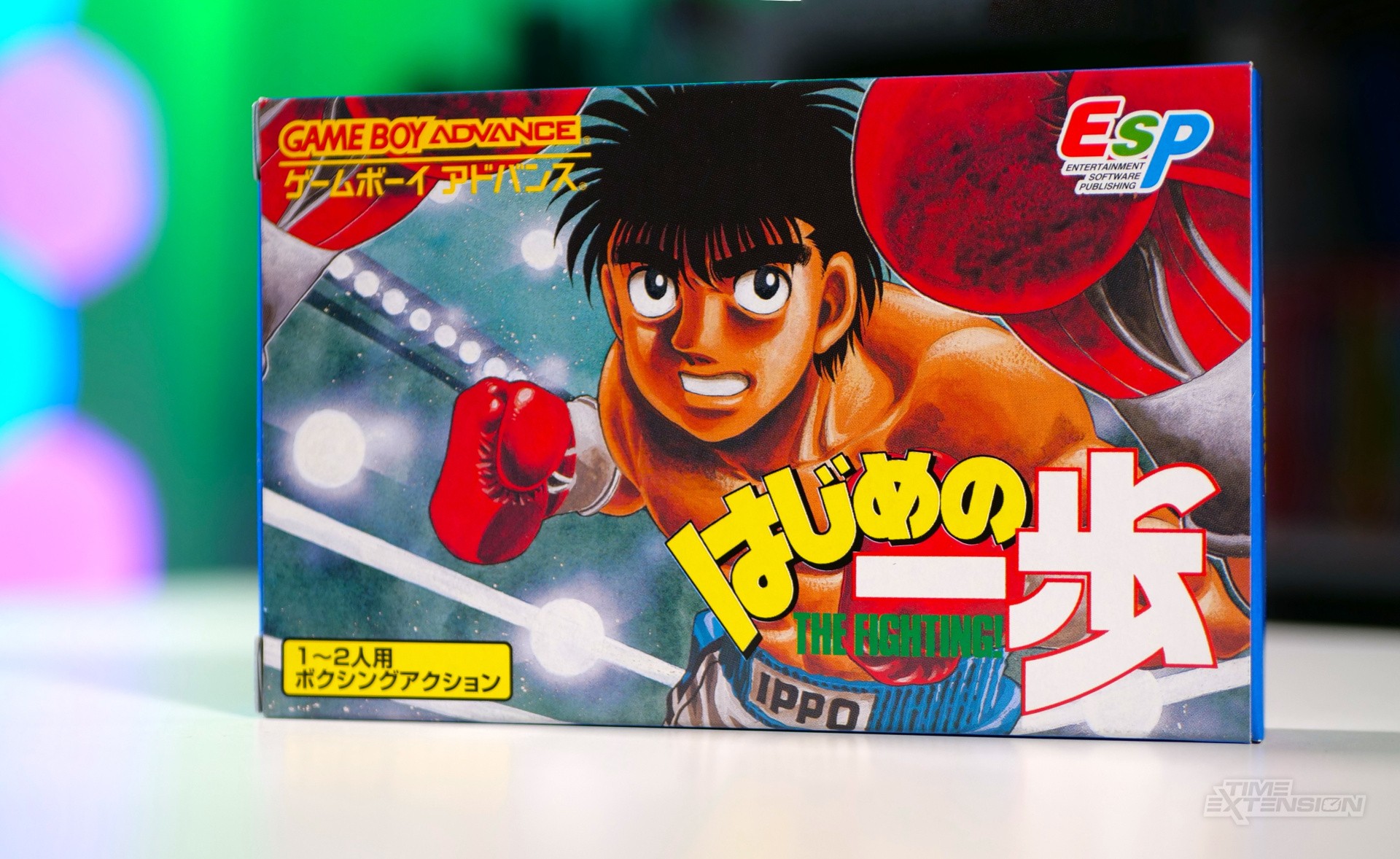
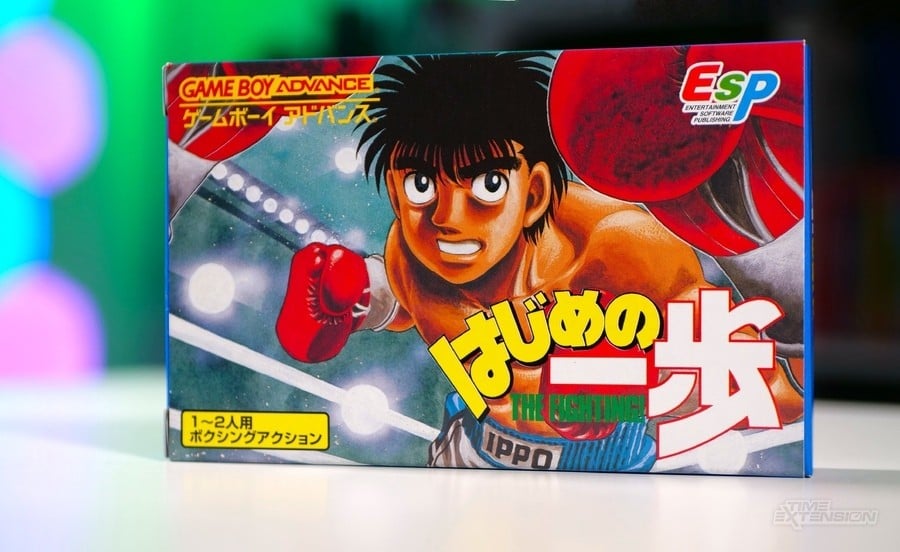
In 2002, Treasure released Hajime no Ippo: The Fighting! for the Game Boy Advance. For many Western players, this title served as their initial introduction to the expansive Hajime no Ippo universe, a franchise that, despite its critical acclaim and extensive adaptations, had not achieved the same level of mainstream recognition outside Japan as some other major Japanese imports at the time. The decision by Treasure to adapt this particular property was a significant one, not only for the studio but also for fans of the boxing genre.
What immediately set Treasure’s adaptation apart was its distinct gameplay philosophy, often drawing comparisons to Nintendo’s beloved Punch-Out!! series. While other boxing games focused on complex button combinations or realistic simulation, Hajime no Ippo: The Fighting! leaned into a more arcade-style, pattern-recognition, and timing-based combat system. Players typically viewed their boxer from behind, facing off against an opponent whose tells and attack patterns needed to be memorized and exploited. This approach, reminiscent of the classic Punch-Out!! formula, offered a surprising amount of depth and strategic nuance. It wasn’t merely about mashing buttons; success hinged on precise dodges, blocks, and well-timed counter-attacks.
The game leveraged the Game Boy Advance’s capabilities to deliver fluid animation and responsive controls, crucial for a timing-sensitive boxing title. Players could execute various punches – jabs, hooks, uppercuts – alongside defensive maneuvers such as weaving, ducking, and guarding. The inclusion of special moves, often mirroring signature techniques from the manga and anime, added an exciting layer of strategy and fan service. The depth of the combat system meant that mastering the game required considerable skill and practice, a hallmark of Treasure’s design ethos. Despite the hardware limitations of the GBA, Treasure managed to create a boxing experience that felt robust, challenging, and incredibly satisfying.
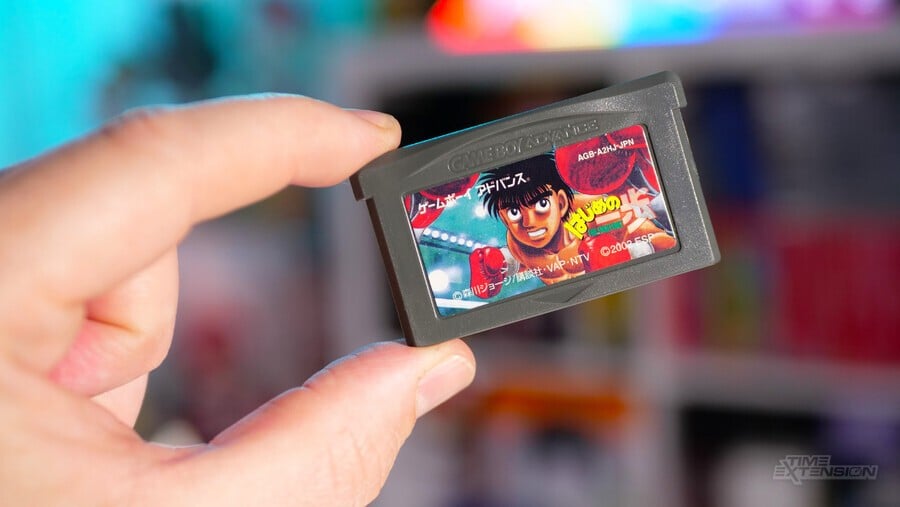
For Western enthusiasts, acquiring the game often involved the costly and sometimes complicated process of importing it directly from Japan. This barrier to entry meant that its reach was somewhat limited, primarily to dedicated fans of Treasure, boxing games, or anime enthusiasts willing to seek out niche titles. Nevertheless, those who made the effort were rewarded with a high-quality boxing game that stood out in the GBA’s extensive library. Critics at the time praised its engaging gameplay, faithfulness to the source material, and the surprising strategic depth it offered for a handheld title. The game achieved an average rating of around 7.5 out of 10 on various aggregated review sites, a respectable score for a licensed GBA title and a testament to Treasure’s development capabilities.
The Broader Hajime no Ippo Video Game Landscape
Despite the critical appreciation for Treasure’s Hajime no Ippo: The Fighting!, it ultimately remained the company’s sole venture into Morikawa’s boxing series. The Hajime no Ippo video game franchise, however, continued to expand with numerous titles developed by other studios across various platforms. This fragmented development history is common for large media franchises, where different developers are commissioned to produce games for different consoles or target audiences, often leading to a diverse range of gameplay styles and quality.
Prior to and concurrently with Treasure’s GBA effort, several other developers contributed to the Hajime no Ippo video game canon. Perhaps the most prominent series outside of Japan was the Victorious Boxers line, primarily developed by Yuke’s. Their first major entry, Hajime no Ippo: Victorious Boxers (known simply as Victorious Boxers: Ippo’s Road to Glory in North America), was released for the PlayStation 2 in 2000. This game presented a more traditional 3D boxing experience, focusing on character models, arena spectacle, and a story mode that closely followed the manga’s early arcs. It garnered a significant following, particularly for its immersive presentation and character roster.
Subsequent titles by Yuke’s, such as Victorious Boxers 2: Fighting Spirit (2004) for the PlayStation 2 and Victorious Boxers: Revolution (2007) for the Nintendo Wii, also saw Western releases. Victorious Boxers 2 refined the formula of its predecessor, offering more characters and improved mechanics, while Victorious Boxers: Revolution leveraged the Wii’s motion controls, attempting to offer a more interactive and physical boxing experience. While these games generally received mixed-to-positive reviews, they collectively offered fans of the series a different flavor of boxing gameplay compared to Treasure’s more arcade-centric GBA title. Other developers also created Hajime no Ippo games for various platforms, including PlayStation, PlayStation Portable, and arcade systems, showcasing the franchise’s enduring appeal in the gaming market.
The existence of multiple Hajime no Ippo video games from different developers highlights both the commercial potential of the IP and the varying interpretations of how best to translate its essence into an interactive medium. While Treasure focused on a refined, skill-based arcade approach akin to Punch-Out!!, other studios opted for more simulation-heavy or 3D-oriented experiences. Each approach brought its own strengths and weaknesses, catering to different segments of the gaming audience.
Broader Impact and Implications
Treasure’s Hajime no Ippo: The Fighting! occupies a unique and significant place in the studio’s history and within the broader Hajime no Ippo multimedia franchise. For Treasure, it represented another successful demonstration of their ability to produce high-quality games even when working within the constraints of a licensed property and on a handheld platform. It reaffirmed their reputation for delivering engaging gameplay, regardless of the genre or source material. The game’s design principles, prioritizing precision and strategic depth, were consistent with the studio’s established identity.

For the Hajime no Ippo franchise, the GBA title, along with the Victorious Boxers series, played a crucial role in expanding its visibility beyond Japan. While the manga and anime were the primary drivers, the video games provided an interactive entry point for new fans, particularly those in the West who might not have otherwise encountered the series. The games acted as complementary media, allowing fans to step into the ring with their favorite characters and experience the thrill of boxing firsthand.
The fact that Treasure did not return to the Hajime no Ippo series is a point of contemplation for many fans. The original article’s author, for instance, expressed a desire to see what Treasure could have achieved with more powerful hardware, hinting at the untapped potential of their unique boxing game design. This speaks to the studio’s distinctive approach and the impact of their single contribution to the franchise. However, industry dynamics, including development costs, licensing agreements, and the pursuit of new projects, often dictate such decisions. Treasure moved on to other licensed works and their own original IPs, while other developers continued to carry the torch for Hajime no Ippo in the video game space.
In retrospect, Hajime no Ippo: The Fighting! stands as a testament to Treasure’s versatility and commitment to quality. It is a niche gem within their illustrious portfolio, a highly regarded licensed title that managed to capture the essence of its source material while delivering a distinctive and memorable gameplay experience. Its legacy continues to resonate with those who sought it out, serving as a reminder that even seemingly peripheral projects from legendary developers can leave an indelible mark on the gaming landscape. The enduring appeal of Hajime no Ippo as a narrative, coupled with Treasure’s masterful game design, ensured that this particular "first step" into boxing was a powerful and memorable one for many players.