Vera Clarissa
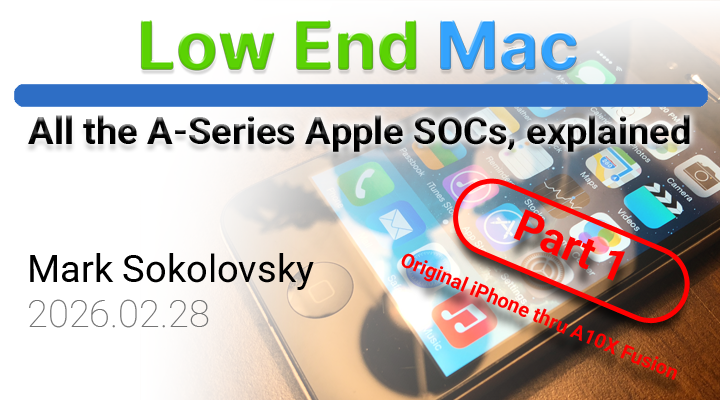
Before Apple embarked on its revolutionary journey of designing its own custom in-house silicon, the early iOS devices relied on chips manufactured by Samsung. The inaugural iPhone, iPod Touch, and iPhone 3G all featured Samsung-sourced processors, a partnership that laid the groundwork for Apple’s future ambitions. This era marked the genesis of what would eventually become the renowned "A-Series" System on a Chip (SoC) family, a lineage that has consistently pushed the boundaries of mobile computing power and efficiency since its official naming convention began in 2010.
Fast forward to the present day, and the landscape has dramatically transformed. The iPhone 17 lineup, for instance, showcases the formidable A19 and A19 Pro chips. These processors deliver desktop-class multicore processing capabilities, unparalleled graphical prowess, and a level of responsiveness previously unimaginable in a smartphone or tablet. While current mobile Apple SoCs can rival established chips like the M1, this remarkable leap in performance is not an overnight phenomenon. Instead, it represents decades of incremental innovation, strategic evolution, and a relentless pursuit of technological mastery.
The Genesis: Early Samsung-Powered Devices
The earliest iterations of Apple’s mobile devices were powered by processors that, while functional for their time, pale in comparison to today’s standards. The first iPhone, iPod Touch, and iPhone 3G utilized what is often referred to as the "APL0098" or the Samsung S5L8900. These chips, part of the S5L89xx series, were adopted after initial iPhone prototypes experimented with Freescale i.MX31 processors. The S5L8900 was designed with a primary focus on power efficiency rather than raw performance, a critical consideration for early battery-constrained mobile devices.
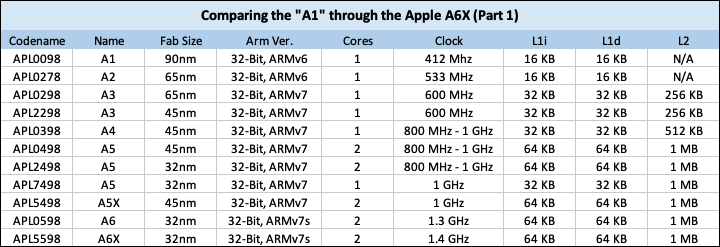
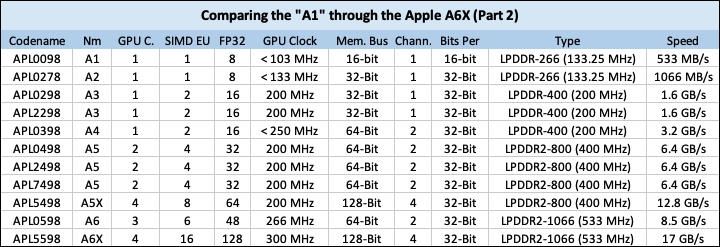
Technically, the S5L8900 was a 32-bit ARMv6 processor, manufactured on a 90-nanometer process. It operated at an underclocked 412 MHz, a significant reduction from its potential 666 MHz. Cache memory was limited, featuring 16 KB of L1 Instruction cache and another 16 KB for L1 data. Notably, it lacked any L2, L3, or shared system cache. The chip was paired with a modest 128 MB of 133.25 MHz LPDDR-266 RAM, resulting in a memory bandwidth of approximately 533 MB/s.
The "A2" and the Dawn of Improved Cache
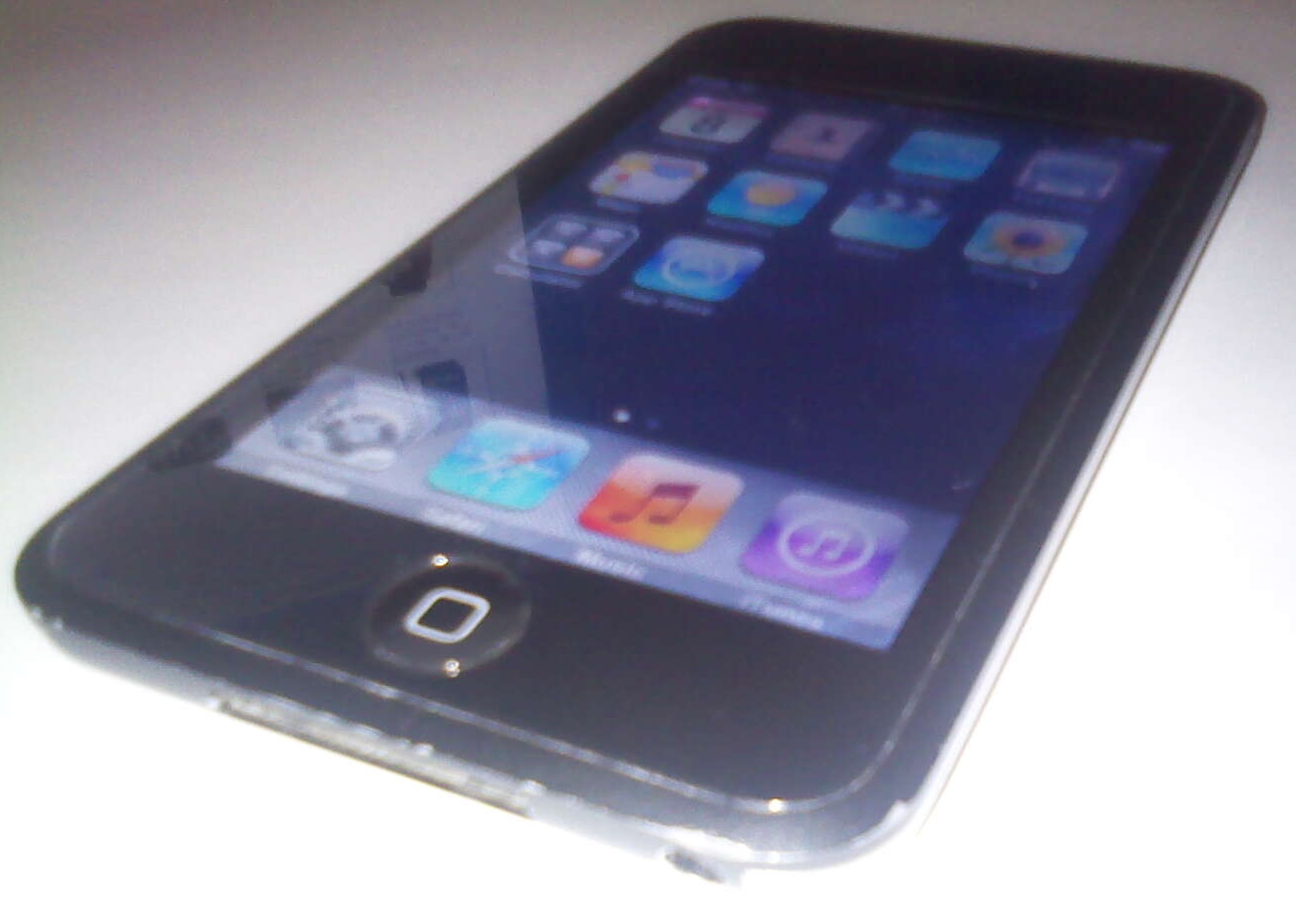
While there isn’t an officially designated "Apple A2" chip, the processor found in the second-generation iPod Touch serves as a fitting successor in the developmental timeline. This chip, largely similar to the A1’s S5L8900, benefited from a more refined 65nm fabrication process, offering minor improvements over its predecessor.
The A3 Series: Doubling Down on Performance
A significant evolutionary step arrived with the S5L8920 and its variant, the S5L8922. The S5L8920 powered the iPhone 3GS, while the S5L8922 was integrated into the third-generation iPod Touch. The key differentiator for this "A3" series was the doubling of L1 Instruction and data caches to 32 KB per core, a change that directly contributed to enhanced performance.
Memory bandwidth saw a substantial increase, doubling to 1.6 GB/s, supported by 256 MB of LPDDR-400 (200 MHz) RAM. This provided a tangible boost in responsiveness and multitasking capabilities. Furthermore, the maximum GPU clock speed was raised to 200 MHz, and crucially, this generation introduced 256 KB of L2 cache. This addition of L2 cache was a groundbreaking development for iOS devices, as previous generations lacked this vital performance enhancement.

The A4: Apple’s First In-House Silicon
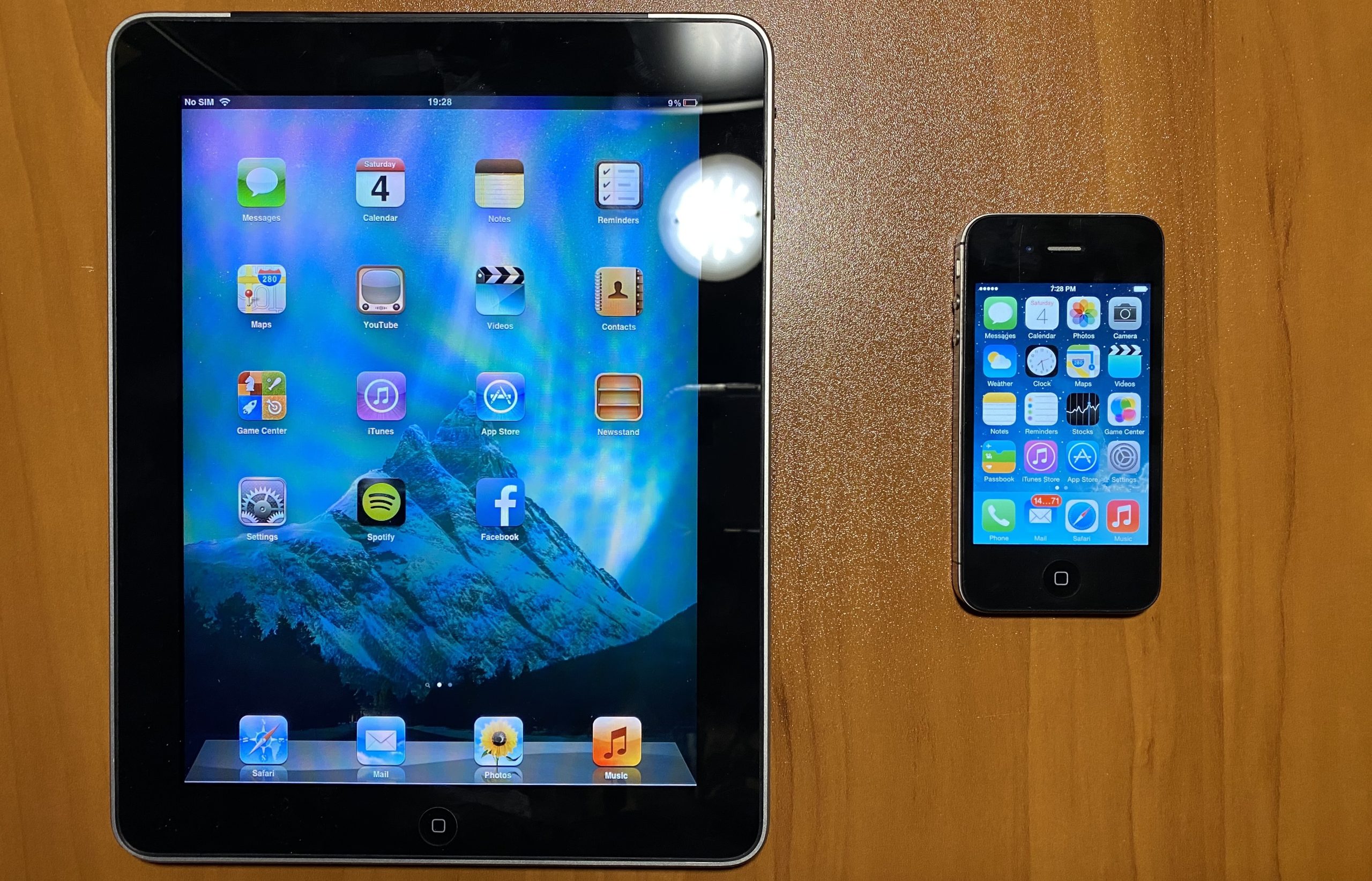
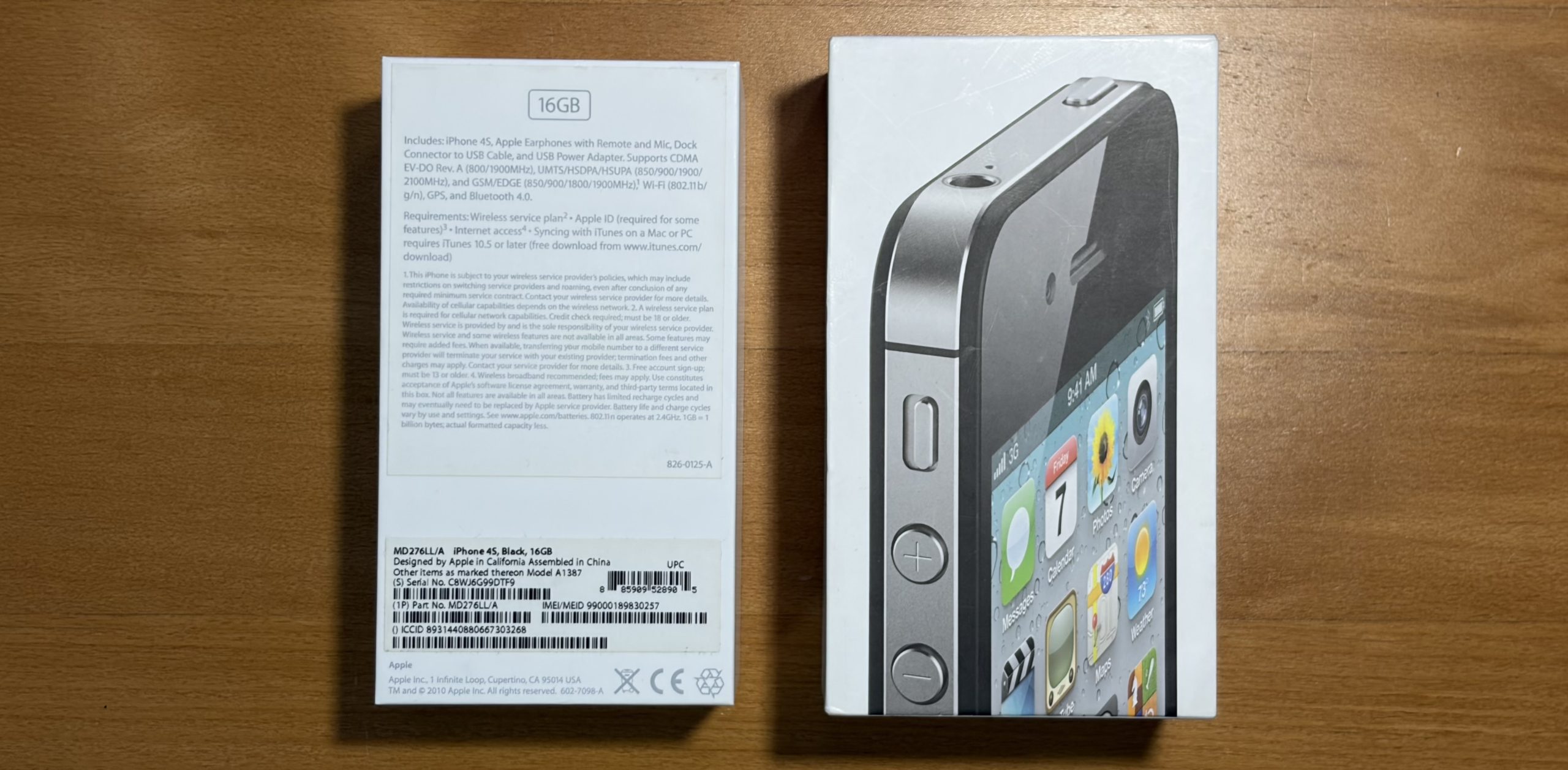
The year 2010 marked a pivotal moment in Apple’s technological journey with the introduction of the A4 chip. This was Apple’s first custom-designed, in-house silicon, signaling a strategic shift away from third-party manufacturers. The A4 powered iconic devices such as the iPhone 4, the original iPad, and the fourth-generation iPod Touch.
While still a 32-bit processor, the A4 significantly improved upon its predecessors. It featured a 512 KB L2 cache, a doubling of the previous generation’s capacity. CPU clock speeds were incrementally increased, reaching up to 1 GHz in some devices. Memory bandwidth also saw a considerable jump to 3.2 GB/s across all devices utilizing this SoC. This marked Apple’s assertion of greater control over its hardware, enabling tighter integration between software and silicon.

The A5 Family: Dual-Core Power and Graphics Prowess
The A5 chip, launched in March 2011 with the second-generation iPad, represented another significant leap forward. Apple advertised the A5 as capable of "twice the work" of the A4, with a ninefold increase in graphical performance. This was largely attributed to its dual-core architecture and improved graphics core. All A5 and A5X chips featured 1 MB of L2 cache.
A notable variant, the A5X, powered the third-generation iPad. This chip boasted a quad-core graphics processor, pushing graphical performance to an impressive 25.6 Gigaflops and introducing several technical enhancements over the standard A5. It’s worth noting that while most A5 variants were dual-core, a locked-down single-core version was developed specifically for the third-generation Apple TV.
The A6 and A6X: Breaking the Gigahertz Barrier
The A6 and its more powerful counterpart, the A6X, marked the first time Apple’s mobile chips surpassed the 1 GHz CPU clock speed threshold. The A6, found in the iPhone 5 and 5c, operated at 1.3 GHz, while the A6X in the fourth-generation iPad pushed this to 1.4 GHz.
RAM technology also received an upgrade with the A5 series, adopting LPDDR2-1066, which translated to memory bandwidths of 8.5 GB/s for the A6 and a remarkable 17 GB/s for the A6X. The GPU clock speeds were also enhanced, with the A6 at 266 MHz and the A6X at 300 MHz. These improvements contributed to smoother app performance, faster gaming, and a more fluid user experience.
The A7: The Dawn of 64-Bit Mobile Computing
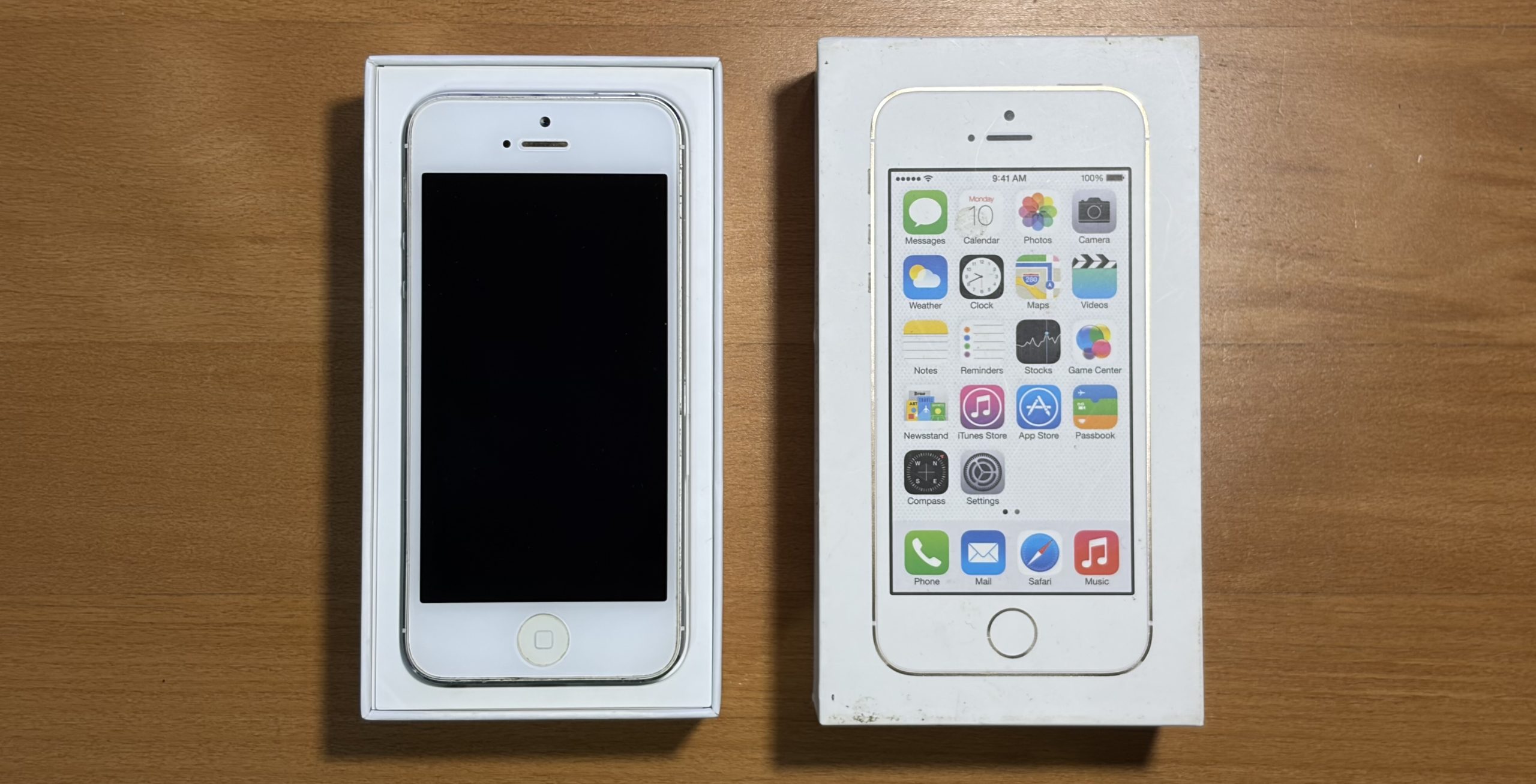
September 10th, 2013, witnessed a groundbreaking announcement with the introduction of the A7 chip. This processor was revolutionary as the first 64-bit mobile Apple Silicon. It powered devices such as the iPhone 5s, the second and third-generation iPad mini, and the original iPad Air.
The A7 contained over one billion transistors and utilized an even smaller fabrication size, leading to significant improvements in performance and power efficiency. The transition to 64-bit architecture enabled Apple to address more memory and execute complex instructions more efficiently, setting a new standard for mobile processing power.
The iPhone 6 Era: The Popularity Boom with the A8
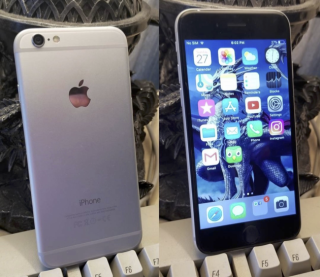
The iPhone 6 and 6 Plus, released in 2014, represented a monumental success for Apple, becoming the most popular iPhones ever created, with an estimated quarter of a billion devices sold worldwide. These devices were powered by the A8 chip, which further refined the performance and efficiency gains seen in previous generations.
The editor’s note within the original content highlights a personal journey of rediscovering iOS with the iPhone 6, illustrating the substantial evolution of the platform and its hardware since earlier models. This period saw a significant demand for larger screen iPhones, and Apple’s response with the 6 and 6 Plus, coupled with the A8’s capabilities, solidified their market dominance.
The A9 and A9X: Enter TSMC and Faster Storage
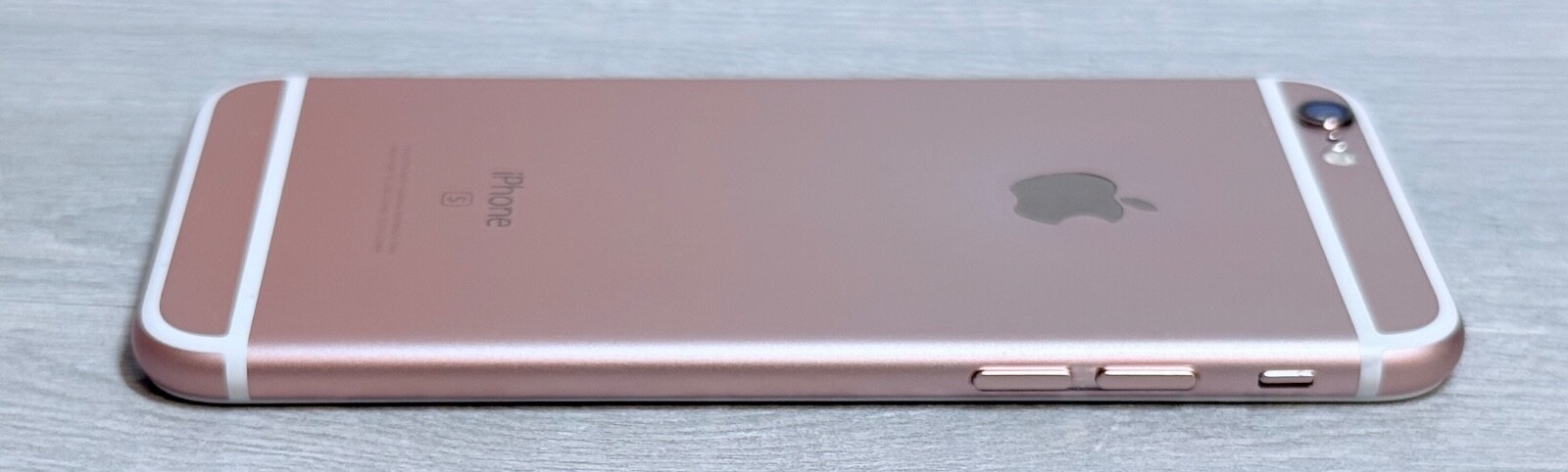
The A9 chip, introduced with the iPhone 6s and 6s Plus, marked another significant technological milestone. Two versions of the A9 chip existed: one manufactured by Samsung and another by TSMC (Taiwan Semiconductor Manufacturing Company), which later appeared in the iPhone SE. This generation also saw Apple’s mobile devices adopt DDR4 RAM, beating Macs by approximately two years.
A key innovation with the A9 was the integration of a custom storage solution featuring an Apple-designed NVMe controller. This introduced PCI Express connectivity and dramatically increased internal storage speeds for the iPhone 6s and subsequent models. This was a crucial step in accelerating data access and overall device responsiveness, particularly for applications that heavily relied on storage performance. The A9X, used in the iPad Pro, offered even greater performance capabilities.
The A10 Fusion: Efficiency Cores and Quad-Core Architecture
The release of the iPhone 7 and 7 Plus on September 16th, 2016, brought the A10 Fusion chip, a processor that fundamentally changed mobile power management. The A10 Fusion was Apple’s first quad-core SoC and, most importantly, introduced "efficiency cores." These cores were designed to handle less demanding tasks, significantly improving battery life without compromising performance for everyday operations.
Apple claimed the A10 Fusion offered 40% better CPU performance and 50% more GPU performance over the A9. This architectural shift towards a hybrid approach, combining high-performance cores with energy-efficient cores, became a cornerstone of Apple’s mobile chip design philosophy, enabling devices to deliver both raw power and extended endurance. The A10X Fusion, found in the iPad Pro, further enhanced performance for professional-grade tasks.
The T2 Chip: Securing the Apple Ecosystem
Beyond the A-series, Apple also introduced the T2 chip, which served as a dedicated security controller in Macs. This chip handled sensitive operations such as secure boot, encrypted storage, and biometric authentication (Touch ID). While not directly part of the A-series powering iPhones and iPads, the T2 represented Apple’s growing commitment to an integrated and secure hardware ecosystem, ensuring that critical functions were handled by specialized, secure silicon.
The journey from Samsung-sourced processors in the original iPhone to the sophisticated, custom-designed A-series chips powering today’s devices is a testament to Apple’s relentless innovation and strategic vision. Each generation has built upon the last, pushing the boundaries of mobile performance, efficiency, and integration, ultimately shaping the modern computing experience. As Apple continues to invest heavily in its silicon development, the future promises even more groundbreaking advancements in the A-series lineage.