
 Jia Lissa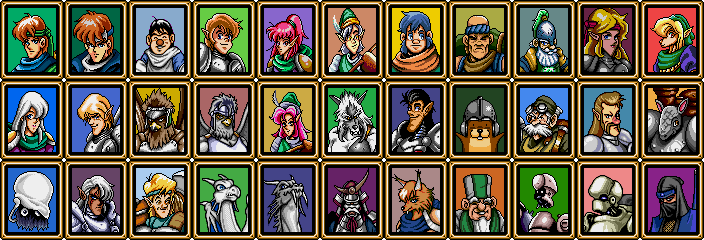
The 1992 release of Shining Force for the Sega Mega Drive marked a transformative moment in the history of tactical role-playing games, signaling the maturation of Sega’s software library and the beginning of a storied franchise that would span decades. Following the commercial success of Shining in the Darkness in 1991, development studio Climax faced the immense pressure of following up a hit that had already exceeded sales expectations, particularly in Western markets. Rather than producing a direct sequel in the same first-person dungeon-crawling style, studio head Hiroyuki Takahashi chose to pivot toward a tactical simulation model, a decision that would ultimately define the series’ identity. This strategic shift was not merely a creative whim but a calculated effort to evolve the role-playing genre by integrating narrative depth with sophisticated combat mechanics, forever altering the landscape of 16-bit gaming.
The Strategic Formation of Sonic Co., Ltd.
By the dawn of the 1990s, the role-playing game (RPG) market was undergoing a significant expansion. Sega, recognizing that its library was heavily weighted toward action and sports titles, sought to establish a firmer foothold in the RPG sector to compete with Nintendo’s dominant position. The success of Shining in the Darkness proved that high-quality, large-scale RPGs could find a global audience. However, the increasing complexity of these titles required resources beyond what Climax could provide as a standalone entity.
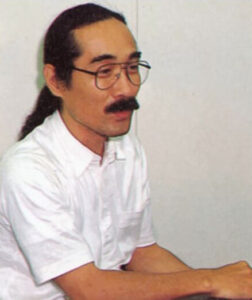
In June 1991, this led to the creation of Sonic Co., Ltd., a joint venture between Sega and Hiroyuki Takahashi. Sega provided 85 percent of the initial 40 million yen investment, with Climax and Takahashi holding the remaining shares. Named after Sega’s burgeoning mascot to mirror Nintendo’s character-named affiliates like Ape Inc., Sonic Co., Ltd. was designed to streamline the production process. The unit focused on planning, market research, and the recruitment of specialized talent from outside the traditional gaming industry, such as manga artists and professional writers. Kenji Orimo, the company’s director, brought a wealth of experience from the manga industry, allowing the studio to integrate professional storytelling and character design into the development cycle from the earliest stages.
A New Philosophy in Tactical Combat
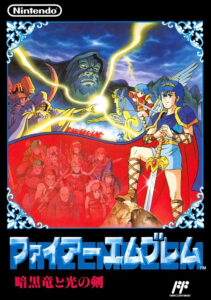
Hiroyuki Takahashi’s vision for Shining Force was rooted in a dissatisfaction with contemporary strategy games. While he admired the tactical depth of PC titles, he found the pacing of console games like Fire Emblem and the technical limitations of board-game ports to be cumbersome. Takahashi sought to bridge the gap between the character-driven drama of Enix’s Dragon Quest series and the strategic requirements of simulation games.
A pivotal influence on this design philosophy was the 1988 PC88 title Silver Ghost, developed by Kure Software Koubou. Silver Ghost emphasized the management of multiple characters in real-time, sparking Takahashi’s interest in how "distance" could be used as a primary mechanic in RPG combat. In traditional turn-based systems, combatants typically faced one another in static positions. Takahashi realized that by introducing varied terrain, movement ranges, and formation-based advantages, he could expand the tactical choices available to players without sacrificing the narrative flow.
This approach nearly caused a rift within Climax. Several key staff members, including directors Kenji Orimo and Yasuhiro Taguchi, were initially skeptical of the strategy-RPG hybrid. Taguchi, in particular, favored a more traditional RPG focus on plot. However, as the project progressed, the team found a middle ground: the game would retain traditional RPG exploration—allowing players to walk through towns, speak to NPCs, and discover hidden items—while reserving the tactical simulation for battle sequences.
Technical Innovation and the 12-Megabit Barrier
The development of Shining Force pushed the Sega Mega Drive hardware to its absolute limits. At the time, standard cartridges typically held four megabits of data. Shining in the Darkness had utilized eight megabits, but the ambitions for Shining Force required a massive 12-megabit cartridge, the largest Sega had produced to that date.
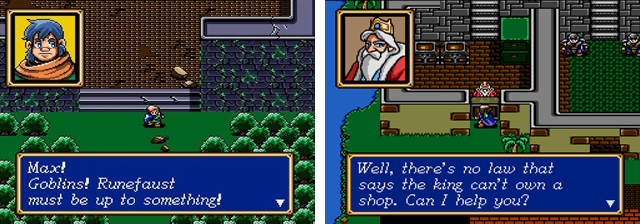
The primary consumer of this memory was the game’s animated battle sequences. Takahashi insisted on high-quality, cinematic combat animations that moved quickly and felt impactful. Unlike many contemporary RPGs that used small, static sprites, Shining Force featured large, detailed character portraits and full-body attack animations. Yoshitaka Tamaki, the lead character designer, created a diverse cast of over 30 playable characters, each requiring unique animations for multiple directions and promoted classes.
To fit these assets onto the cartridge, the programming team, led by Yoshinori Tagawa, developed sophisticated compression routines. While typical compression at the time yielded a 50 percent reduction in file size, Climax’s proprietary tools achieved an unprecedented 22 percent compression rate. This "compression magic" allowed the team to include nearly all of the planned battle screens and animations, ensuring that the visual fidelity of the game matched its mechanical complexity.
Character Design and Narrative Continuity
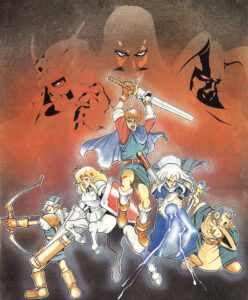
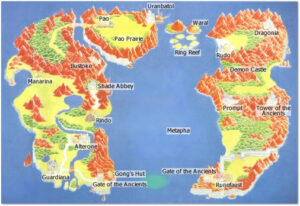
The narrative of Shining Force served as a prequel to Shining in the Darkness, set on the continents of East and West Rune. The story followed Max, a silent protagonist who washed ashore with no memory of his past, as he assembled the "Shining Force" to prevent the resurrection of the Dark Dragon by the sorcerer Darksol. While the gameplay was a departure from its predecessor, the studio maintained continuity through lore and recurring names, a move designed to reward loyal fans without alienating newcomers.
Yoshitaka Tamaki’s character designs moved away from the "Disney-like" caricature of the first game toward a more realistic, albeit still fantasy-oriented, style. The cast was intentionally eclectic, featuring centaurs, birdmen, giants, and even a robotic unit named Adam. Tamaki’s passion for animal-themed characters led to the inclusion of the fan-favorite Zylo the wolfling. The design process was so exhaustive that Tamaki reportedly worked to the point of collapse, often being found asleep in the studio’s bathtub by his colleagues.
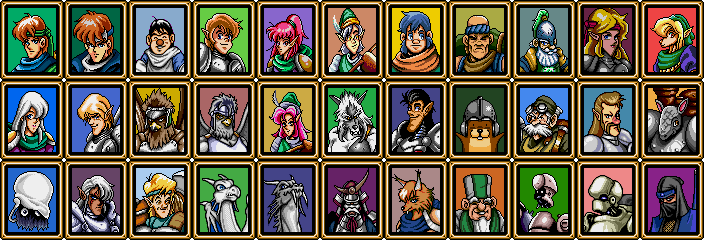
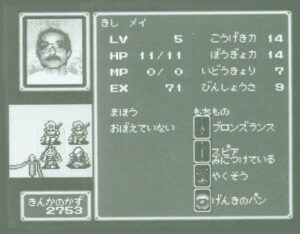
One of the game’s most enduring legacies is the inclusion of "joke" characters like Jogurt (Yogurt), a hamster-like creature that originated as a graphics test using staff photos. Despite having no combat utility, Jogurt became a mascot for the series, illustrating the studio’s willingness to inject humor and personality into a genre that was often perceived as overly serious.
The Crunch and the Fracture with Sega
As the Japanese release date of March 1992 approached, Climax entered a period of extreme "crunch." Takahashi declared a state of emergency, with staff members working 100-hour weeks and some moving their residences to be within walking distance of the office. The typical two-month window between ROM submission and production was shortened to one month, forcing the team to debug and refine the game under immense pressure.
Despite the team’s dedication, the relationship between Climax and Sega began to show signs of strain. Takahashi later noted that as Sega grew into a global powerhouse, its corporate culture became more rigid. The creative autonomy Climax had enjoyed during the development of their first two titles began to erode. Changes in Sega’s management led to Climax being viewed as an "unruly subsidiary," and the studio was increasingly marginalized in Sega’s long-term business plans. This internal friction would eventually culminate in the Dreamcast being the only Sega platform to never receive an original Shining Force installment, and Climax eventually moved away from Sega to work on other platforms.
Release, Reception, and Market Impact
Shining Force was released in Japan on March 27, 1992, to critical acclaim. It was praised for its accessible take on the strategy genre and its high production values. However, sales figures told a more complex story. While the game was a hit, selling approximately 200,000 copies worldwide, it did not significantly outperform its predecessor. Analysts have suggested that the shift to a strategy-RPG hybrid may have confused some fans of the first game, while the perceived complexity of strategy games in the early 90s may have deterred casual RPG players in the West.

Nevertheless, the game’s long-term impact was undeniable. It established the "Force" model of party management and the "Promotion" system, which allowed characters to evolve into more powerful classes at level 10 or 20. These mechanics became staples of the genre. The game’s soundtrack, composed by Masahiko Yoshimura, also set a high bar for Genesis audio, though Yoshimura himself was reportedly unsatisfied with how the hardware rendered his orchestral visions, leading him to release rearranged versions on CD.
Legacy and the Third Act
Shining Force did more than just launch a sequel; it created a blueprint for an entire sub-genre. Its success led to immediate follow-ups on the Game Gear (Shining Force Gaiden) and the Sega CD (Shining Force CD), and eventually the ambitious, three-part Shining Force III on the Sega Saturn.
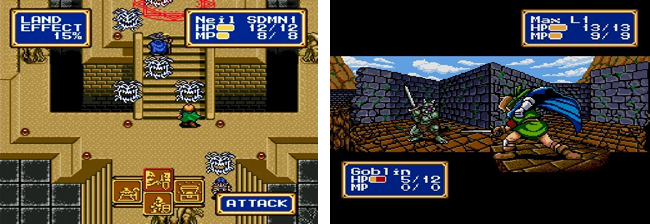
The game remains a cornerstone of the 16-bit era, frequently appearing on "best of" lists and being re-released on modern platforms like the Nintendo Switch and PlayStation. It represented a peak of creative collaboration between Takahashi’s vision and the technical prowess of the Climax staff. While the "Shining" series would eventually continue without Takahashi’s involvement, the foundation laid by the original 1992 masterpiece remains the standard against which all subsequent entries are measured. The transition from the darkness of the dungeon to the light of the battlefield was a gamble that paid off, cementing Shining Force’s place in the pantheon of gaming history.








