Chalid Lutfie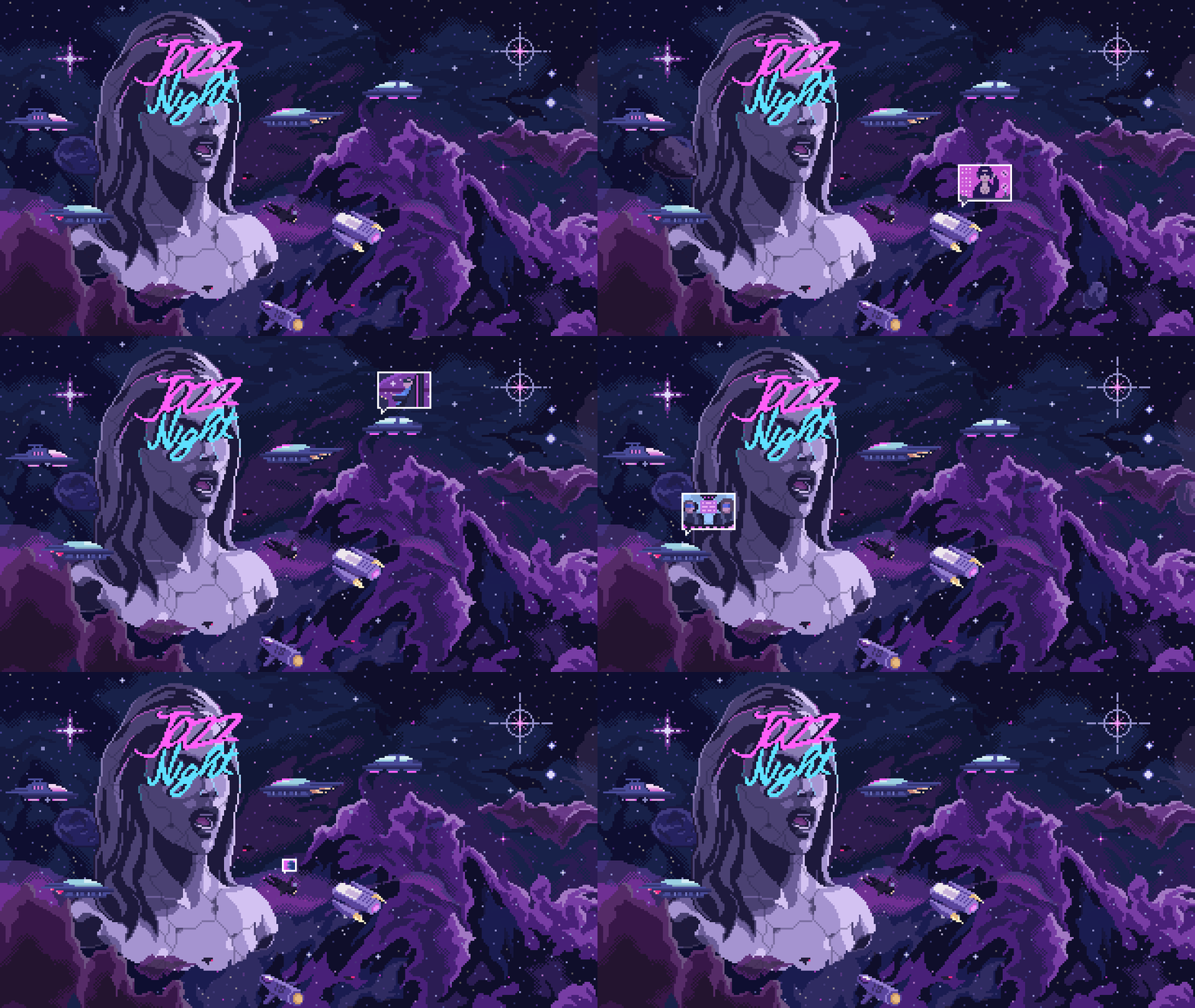
The independent record label Ubiktune has officially announced the release of The Frequency Modulators Orchestra, Vol. 1, marking the label debut of Los Angeles-based producer and composer Juan Irming, better known by his professional moniker, Amplitude Problem. Released on April 25, 2017, the album represents a significant stylistic pivot within the electronic music landscape, merging the precise, often clinical nature of Frequency Modulation (FM) synthesis with the fluid, improvisational structures of traditional jazz-funk. The project is framed as a concept album, utilizing a specific technical palette to explore the intersection of digital technology and human expression.
Technical Foundation and Conceptual Framework
The Frequency Modulators Orchestra, Vol. 1 is distinguished by its strict adherence to a specific production ethos: the entire instrumental arrangement was constructed exclusively using FM synthesizers and lo-fi drum samples. FM synthesis, a method of generating complex waveforms by modulating the frequency of one signal with another, gained commercial prominence in the 1980s via the Yamaha DX7 and various sound chips used in arcade hardware and home computers. Historically characterized by its "cold" and "metallic" timbres, FM synthesis stands in stark contrast to the "warm" harmonic distortion typically associated with analog synthesis or the organic acoustics of live jazz instrumentation.
Irming’s objective with this release was to challenge the perceived limitations of digital synthesis. By applying these rigid digital sounds to the "warm" grooves and nuanced improvisations of jazz, the album seeks to bridge the gap between human performance and machine-generated sound. The result is described as a "synth-funk soundtrack," utilizing the percussive and zany qualities of chip-style FM to drive complex, rhythmic compositions.

A Chronology of the Artist: From Demoscene to Los Angeles
The development of The Frequency Modulators Orchestra, Vol. 1 is the culmination of a career spanning nearly three decades. Juan Irming’s roots are found in the European demoscene of the late 1980s, a subculture dedicated to pushing the technical boundaries of early computing hardware. Operating under the SYNC crew on the Atari ST platform, Irming established himself as a prominent composer, winning several music contests within the demo community. This period was foundational, as it required composers to maximize the potential of limited sound chips, such as the Yamaha YM2149, fostering a deep understanding of hardware-level sound design.
Following his move to the United States and his studies at the Musicians Institute in the early 1990s, Irming transitioned into professional production and sound design. His portfolio includes a diverse range of projects, from video game soundtracks to collaborations with notable figures in the synthwave and nerdcore scenes. Notably, Irming contributed heavily to YTCracker’s 2014 cyberpunk concept album, Introducing Neals. It was during the production of the track "Feel Like Leisure Suit Larry" for that project that Irming rediscovered the potential of FM synthesis for jazz-influenced compositions.
This realization led to the 2015 track "Funky Mustache" on his album Blue Bots Dots, which served as a proof-of-concept for a full-length FM jazz project. By late 2015, the concept for The Frequency Modulators was finalized, initiating a ten-month creative cycle. During this period, Irming focused on heavy improvisation, allowing the "Frequency Modulators"—conceptualized as a digital band—the freedom to perform with the spontaneity of a live jazz ensemble.
Collaborative Contributions and Production Quality
To ensure the album met the high fidelity standards required for both electronic and jazz audiences, Irming enlisted the expertise of Grammy Award-winning mastering engineer Don Grossinger. Grossinger’s involvement is significant given his extensive history with legendary jazz figures, including Miles Davis. The decision to employ a mastering engineer of this caliber underscores the project’s ambition to be viewed as a serious contribution to the jazz-funk genre, rather than a mere exercise in chiptune nostalgia.
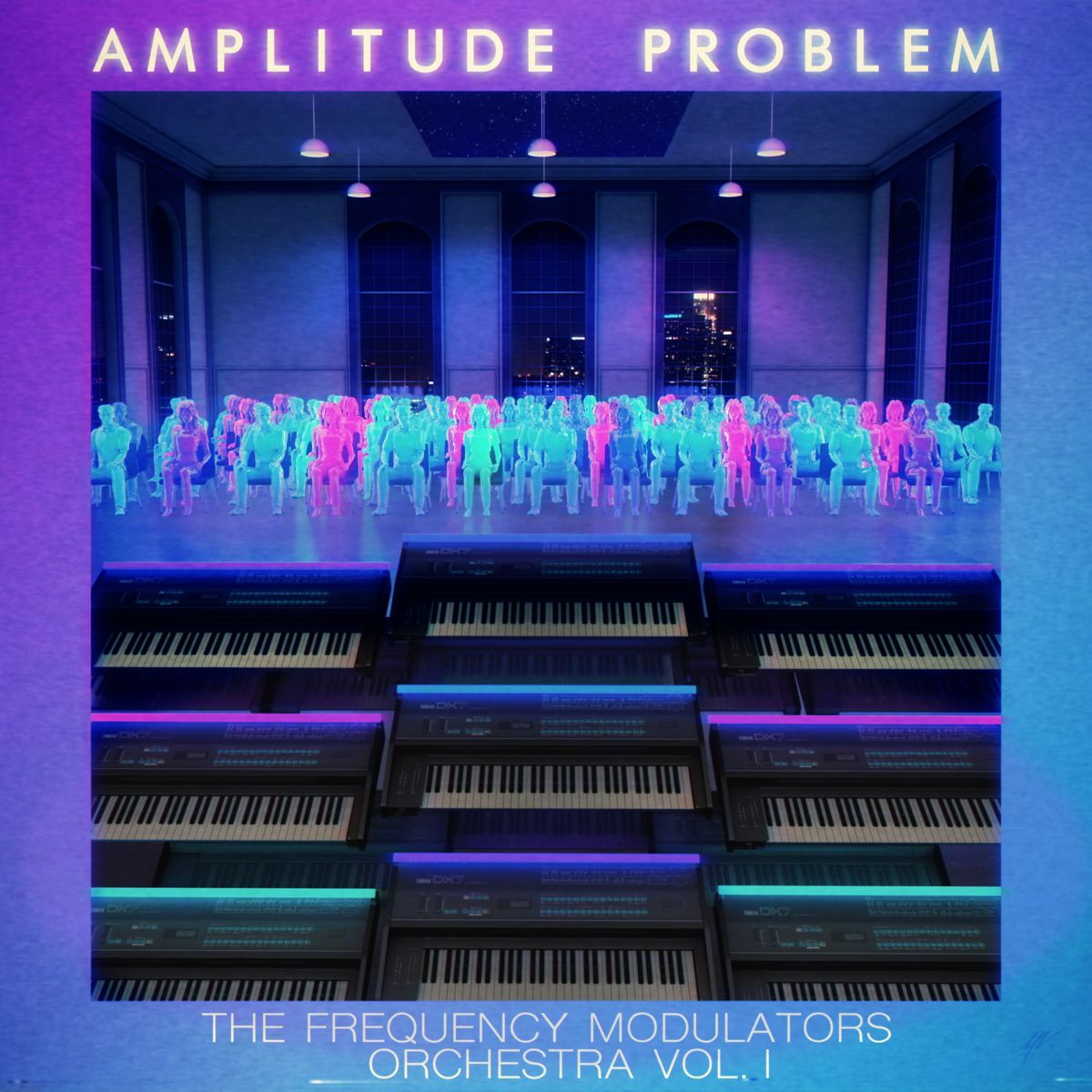
The visual identity of the album was curated to reflect its retro-futuristic and digital themes. The front cover art was produced by Mythical Vigilante, while additional art and animations were handled by Valenberg, a pixel artist known for his work in the synthwave community and on Irming’s previous projects. Valenberg’s "Jazz Night" animation provides a visual counterpart to the music, reinforcing the "pixelated rabbit hole" aesthetic that defines the release.
Deep Dive into the Tracklist and Narrative
The Frequency Modulators Orchestra, Vol. 1 is structured as a narrative and introspective journey. According to Irming, the first four tracks of the album function as a "deep introspective," while the final three tracks offer commentary on broader existential themes. One of the standout tracks, "Ghosts in My Medicine Cabinet," exemplifies the album’s refusal to conform to mainstream electronic tropes. Irming describes the track as an "all-in" delivery, emphasizing that the lack of vocal accompaniment required the music to be more expressive and assertive to maintain listener engagement.
The naming of the project also carries symbolic weight. By branding the project as an "Orchestra," Irming shifted the focus from a solo producer to a collective entity. Each FM instrument was treated as a distinct band member, granted the "privilege to improvise." This approach was designed to inject "good vibes" and a sense of "spontaneous, in-the-moment" performance into a medium that is usually strictly programmed.
Industry Context and Genre Implications
The release of this album on Ubiktune is a strategic fit for both the artist and the label. Ubiktune has long been a hub for music that blends chiptune techniques with progressive rock, jazz, and electronic fusion. The Frequency Modulators Orchestra, Vol. 1 contributes to a growing trend where artists utilize the constraints of legacy hardware not for kitsch value, but as a legitimate palette for high-level musical exploration.

The album arrives at a time when "synthwave" and "retrowave" have reached significant heights in popular culture. However, where many artists in those genres rely on the lush, thick pads of analog emulation, Amplitude Problem’s focus on FM synthesis offers a sharper, more rhythmic alternative. This release highlights the versatility of the FM sound, proving it can handle the sophisticated "human" language of jazz just as effectively as the industrial or pop sounds of the 1980s.
Broader Impact and Future Outlook
The Frequency Modulators Orchestra, Vol. 1 serves as a testament to the enduring relevance of early digital synthesis in the modern production era. By marrying the technical precision of the Atari ST era with the musical sophistication of Los Angeles’ jazz-funk scene, Juan Irming has created a bridge between two seemingly disparate worlds.
The involvement of industry veterans like Don Grossinger and the collaboration with established pixel artists suggest that the "chiptune" aesthetic is continuing to mature into a respected form of contemporary art. For listeners, the album offers an exploration of "bizarre space adventures" through a "variety of different lenses," as Irming puts it.
As the first volume in a projected series, this release sets a high bar for future explorations of the Frequency Modulators concept. It challenges the listener to reconsider the definition of "warmth" in music, suggesting that the human element is not found in the equipment used, but in the conviction and improvisational spirit of the composer. The Frequency Modulators Orchestra, Vol. 1 is currently available across all major digital distribution platforms and streaming services, inviting a new generation of listeners to experience the "FM goodness" of Amplitude Problem.