Ganda Hendra Perkasa
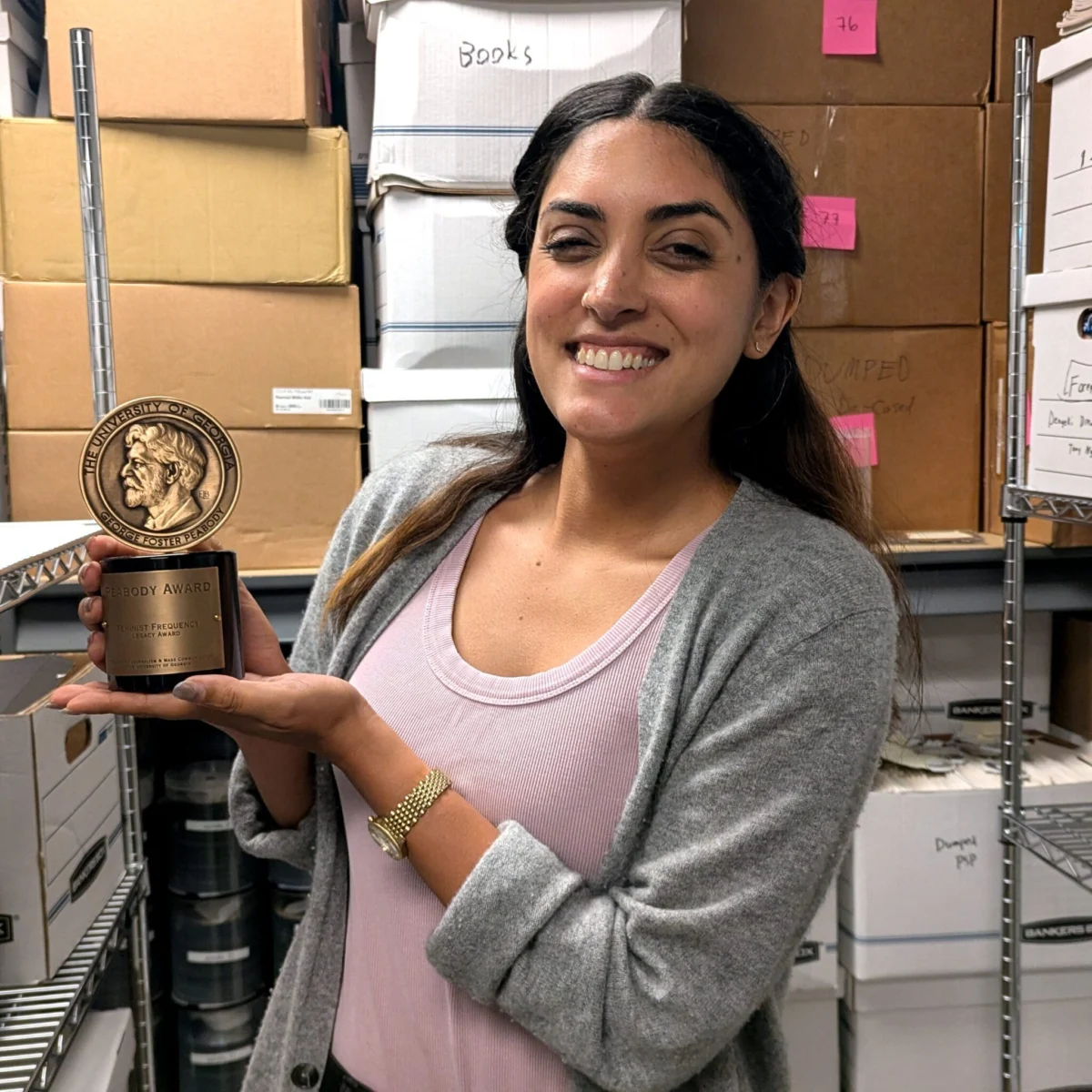
Dr. Flori Pierri, Associate Curator of Science and Technology at the Massachusetts Institute of Technology (MIT) Museum, is navigating a fascinating and increasingly vital frontier: video game preservation. Her expertise, which spans a broad spectrum from the foundational vacuum tubes of early computing to the intricate virtual worlds of modern gaming, provides a unique perspective on the challenges and triumphs of safeguarding our digital heritage. The MIT Museum, renowned for its collections that chronicle scientific and technological advancements, has recently intensified its focus on computer games and the fundamental human experience of play. This renewed commitment is exemplified by the acquisition of the Michael Dornbrook Collection and ambitious plans for a major computer game exhibition slated for 2028.
Dr. Pierri’s role at the MIT Museum is multifaceted, encompassing the curation of diverse collections that range from historical scientific photography and student physics homework to the burgeoning field of video game artifacts. Her work underscores a critical shift in how cultural institutions perceive and engage with digital media. Once dismissed by some as ephemeral entertainment, video games are now recognized as complex cultural products, intricate technological achievements, and significant historical documents. The MIT Museum’s proactive approach, particularly under Dr. Pierri’s guidance, positions it as a leader in this evolving area of archival science.
The Genesis of a Digital Archive: From Dornbrook to Digital Worlds
The recent focus on computer games at the MIT Museum is not an entirely new endeavor, but rather an expansion and deepening of existing interests. The acquisition of the Michael Dornbrook Collection marks a significant milestone. Michael Dornbrook, a prominent figure in the early computer game industry, amassed a substantial collection of materials that offer unparalleled insight into the formative years of the medium. This collection likely includes a wealth of primary source materials such as design documents, source code, marketing materials, and early hardware, providing a crucial bedrock for the museum’s preservation efforts.
The planning for a 2028 computer game exhibition signals a long-term strategic investment in this area. Such an exhibition will not only showcase the history and evolution of video games but also serve as a public-facing initiative to educate and engage a wider audience about the cultural and technological significance of this art form. The decision to host such an exhibition several years in advance allows for meticulous planning, research, and the necessary conservation and acquisition of artifacts.
The Tangible Past: The Importance of Original Equipment
One of the core tenets of Dr. Pierri’s approach, and indeed a significant challenge in digital preservation, is the emphasis on using original equipment for exhibits. This is particularly relevant for video games, which are intrinsically tied to the hardware on which they were played. A game like Spacewar!, for instance, developed on the PDP-1 computer in 1962, requires that specific, often rare and delicate, hardware to be accurately represented and experienced.
The use of original equipment offers an authentic connection to the past, allowing visitors to understand not just the software but also the technological constraints and innovations of its era. This means not only acquiring vintage computers and consoles but also ensuring their operational integrity. This can involve complex restoration processes, sourcing scarce replacement parts, and developing specialized knowledge to maintain and operate these machines safely and effectively. The challenge is compounded by the fact that much of this hardware is no longer in production, making it a finite and increasingly valuable resource.
The Born-Digital Conundrum: New Frontiers in Preservation
The preservation of "born-digital" objects presents a distinct and formidable set of challenges, differing significantly from the preservation of physical artifacts. Unlike a book that can be housed in archival conditions, or a photograph that can be stabilized, born-digital materials – such as software, digital art, and even game code – are inherently susceptible to obsolescence.
Dr. Pierri highlights this shift, moving from preserving physical media to preserving data and the environments in which that data can be accessed. This involves understanding file formats that may become unreadable as software and operating systems evolve, the degradation of storage media (like floppy disks or early optical discs), and the complex legal and ethical issues surrounding the emulation and distribution of copyrighted software.
The MIT Museum’s work in this area likely involves developing robust digital archiving strategies. This could include:
- Emulation: Creating software that mimics the behavior of original hardware and operating systems, allowing legacy software to run on modern computers. This requires deep technical understanding of the original systems.
- Migration: Converting digital information from older formats to newer, more stable formats. This is a complex process that must be done carefully to avoid data loss or corruption.
- Data Integrity Checks: Regularly verifying the integrity of digital archives to detect and correct any form of data degradation.
- Documentation: Meticulously documenting the technical specifications, historical context, and intended user experience of digital artifacts.
The preservation of video games, in particular, is complicated by their interactive nature. Simply archiving the code does not fully capture the experience of playing the game, which is influenced by gameplay mechanics, user interface, sound, and often, emergent player behavior.
Engaging the Public and the Researchers: A Dual Mandate
Dr. Pierri emphasizes the museum’s dual mandate to engage with both the general public and academic researchers. This inclusive approach is crucial for the long-term relevance and impact of its collections.
For the public, the goal is to foster appreciation and understanding of video games as a significant cultural and technological phenomenon. This is achieved through exhibitions, public programs, and accessible online content. The upcoming 2028 exhibition is a prime example of this outreach.
For researchers, the museum provides access to primary source materials that can fuel new scholarship in areas such as game studies, computer history, media studies, and the sociology of technology. The collection of unreleased Infocom game materials is a prime example of such a valuable resource. Infocom, a legendary developer of text-based adventure games, produced titles like Zork and Planetfall. Unreleased materials from such a company would offer invaluable insights into their creative process, design decisions, and the challenges of game development in the early personal computer era. This could include early drafts of game narratives, discarded design concepts, and internal development memos, providing a window into the "making of" these seminal works.
Historical Echoes and Future Implications
The journey from vacuum tubes to virtual worlds, as described by Dr. Pierri, is a narrative of accelerating technological change. The MIT Museum’s commitment to preserving video games is not merely about archiving old software; it is about understanding a pivotal aspect of 20th and 21st-century culture and technology.
Background Context: The history of computing is deeply intertwined with the evolution of video games. Early pioneers like Claude Shannon, the "father of information theory," worked at Bell Labs on foundational concepts that would later underpin digital technologies, including those used in early games. The MIT Museum’s collection of science and technology artifacts provides a rich context for understanding this lineage. The Whirlwind I computer, an early real-time computing system developed at MIT in the 1950s, represents a technological ancestor to the machines that would eventually run complex video games. Similarly, early forms of interactive entertainment, like the Royal Game of the Dolphin (an 1821 mechanical game), hint at a long-standing human desire for interactive diversion that predates electronic computing.
Timeline of Relevance:
- 1950s-1960s: Emergence of early computer games like Tennis for Two (1958) and Spacewar! (1962), primarily developed on university and research mainframes. These were not commercial products but foundational experiments.
- 1970s: The birth of the arcade game industry with Pong (1972) and the first home video game consoles like the Magnavox Odyssey (1972). This marks the beginning of video games as a commercial and cultural force.
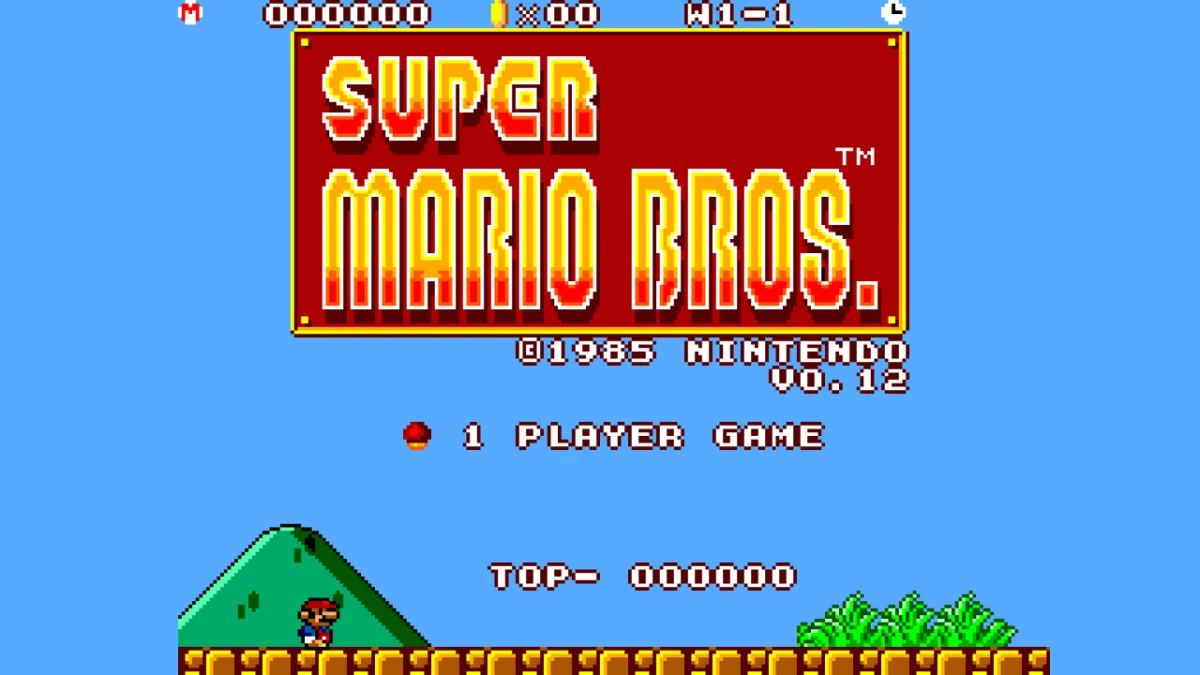
- 1980s: The golden age of arcade games and the rise of home computer gaming, with companies like Atari, Nintendo, and Infocom producing iconic titles. The preservation of software and hardware from this era becomes increasingly complex.
- 1990s-Present: The advent of 3D graphics, the internet, and the proliferation of gaming platforms. The challenges of preserving "born-digital" content become paramount, requiring new strategies and technologies.
Broader Impact and Implications: The work of institutions like the MIT Museum in video game preservation has several significant implications:
- Cultural Heritage: Video games are a significant cultural artifact, reflecting societal values, technological advancements, and artistic expression. Their preservation ensures that future generations can study and understand this vital part of our collective history.
- Technological Advancement: Studying early games and the hardware they ran on can provide valuable insights for contemporary technological development, offering lessons in efficiency, design, and problem-solving.
- Education and Research: Accessible archives of video games and related materials can foster new academic fields and educational programs, promoting interdisciplinary research into media, technology, and culture.
- Inspiration for Future Creators: By understanding the innovations and limitations of past games, future game developers can draw inspiration and build upon existing foundations, pushing the boundaries of interactive entertainment.
Dr. Flori Pierri’s dedication to video game preservation at the MIT Museum signifies a crucial recognition of the medium’s importance. Her work, bridging the gap between historical scientific artifacts and the dynamic world of digital entertainment, is essential for safeguarding a rich and evolving chapter of human innovation and creativity. The challenges are immense, but the rewards – a preserved digital heritage for generations to come – are invaluable.