Cecilia Chamidah Nur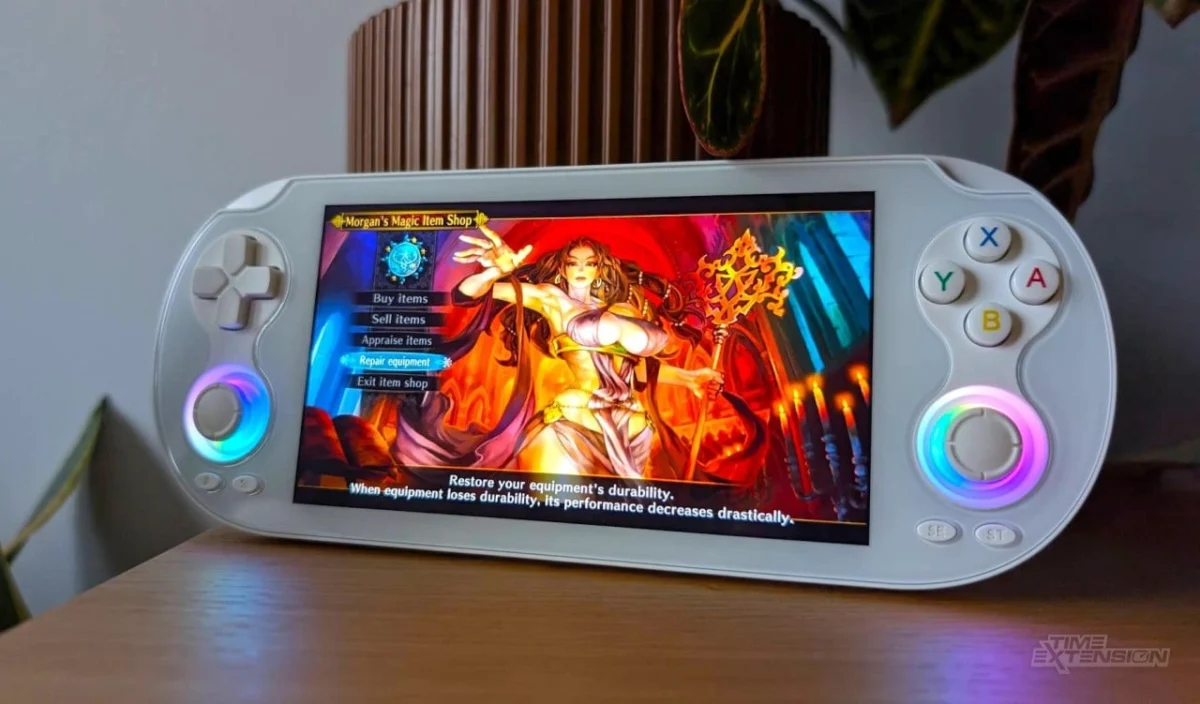
The Anbernic RG Vita Pro, alongside its sibling the RG Vita, represents a significant entry into the competitive retro gaming handheld market, specifically aiming to capture the aesthetic and ergonomic appeal of Sony’s seminal PlayStation Vita. Launched at $149.99 for the Pro model and $109.99 for the standard version, these devices are designed to evoke the spirit of one of the first truly modern gaming handhelds, despite its commercial shortcomings. After extensive testing over the past month, the performance and overall user experience of the RG Vita Pro present a nuanced picture, demonstrating both commendable successes and notable limitations within its targeted niche.
The Enduring Legacy of the PlayStation Vita
To understand the Anbernic RG Vita Pro, one must first appreciate the legacy of the PlayStation Vita. Launched in Japan in December 2011 and globally in February 2012, the PS Vita was an ambitious piece of hardware for its era. It boasted a vibrant 5-inch OLED screen (later LCD in revisions), dual analog sticks, front and rear touchpads, a Sixaxis motion sensing system, and both Wi-Fi and optional 3G connectivity. Sony positioned it as a premium portable gaming device, a direct successor to the highly successful PlayStation Portable. Its candybar form factor and dual-stick design were revolutionary for handheld gaming, setting a precedent that influenced subsequent devices, including the Nintendo Switch and the Steam Deck.
Despite its technical prowess and critical acclaim for its hardware design, the PS Vita faced significant commercial challenges. High initial pricing, proprietary and expensive memory cards, intense competition from the burgeoning smartphone gaming market, and a perceived lack of consistent first-party software support contributed to its eventual classification as a commercial failure. Production for the console ended in 2019. However, its design principles – particularly the dual-stick, widescreen layout – left an indelible mark on the industry, making it a natural inspiration for contemporary retro handheld manufacturers like Anbernic. The RG Vita Pro, therefore, pays homage to this design language, aiming to deliver a modern emulation experience wrapped in a familiar, beloved form factor.
Anbernic’s Position in a Dynamic Market
Anbernic has established itself as a prolific manufacturer in the retro gaming handheld space, known for its rapid product cycles and diverse range of devices that cater to various budget segments and performance expectations. The release of the RG Vita and RG Vita Pro comes at what industry analysts describe as a particularly "precarious moment" for the retro handheld market. This environment is characterized by escalating component costs, supply chain complexities, and intense competition from both established players and emerging brands. Recent reports, including those forecasting a "RAMpocalypse" and subsequent price hikes for high-profile devices like the Retroid Pocket 6 and AYN Thor in the coming years, underscore the economic pressures manufacturers face.
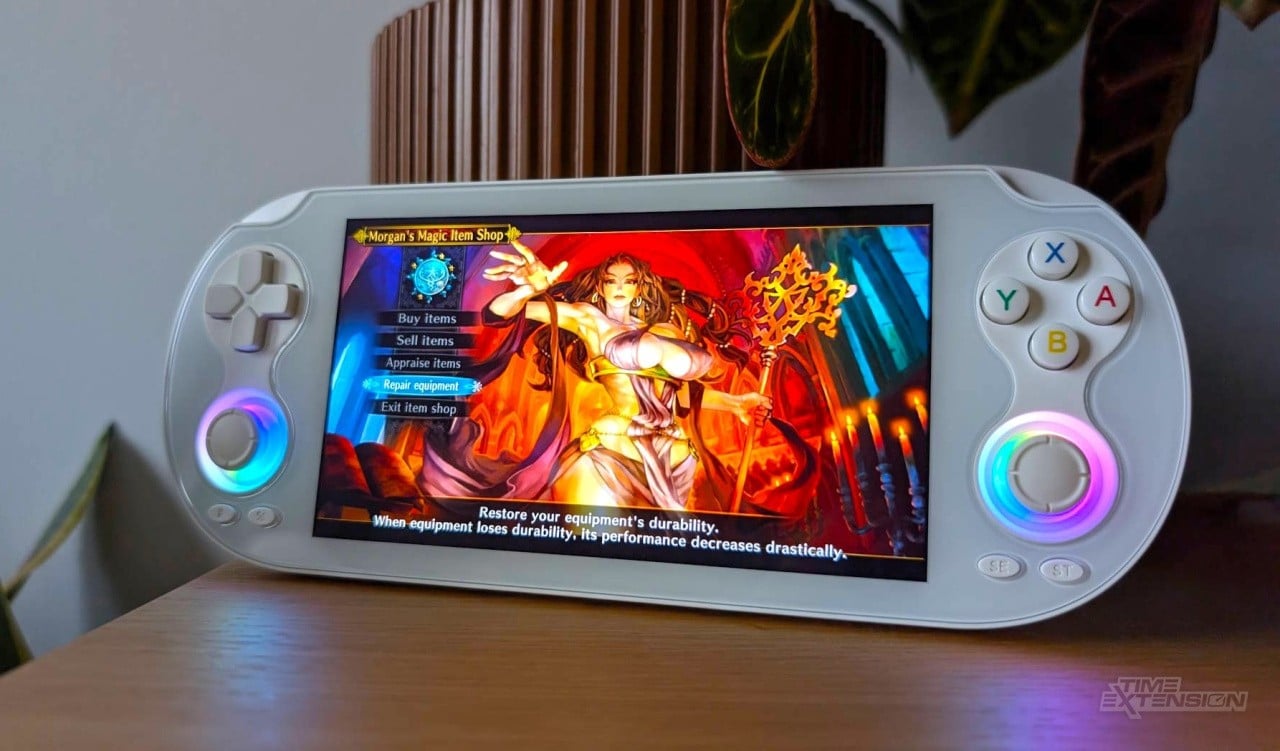
In this context, Anbernic’s decision to launch a device at the $150 price point, offering a new RockChip RK3576 chipset, is a strategic move. It positions the RG Vita Pro as a mid-range option, designed to appeal to users seeking a balance between performance, affordability, and a distinctive design. The company’s ongoing commitment to a dual-OS approach (Linux and Android) and its proactive engagement with community developers for custom firmware solutions are key differentiators in a market where software optimization often unlocks a device’s full potential.
Design, Ergonomics, and Display
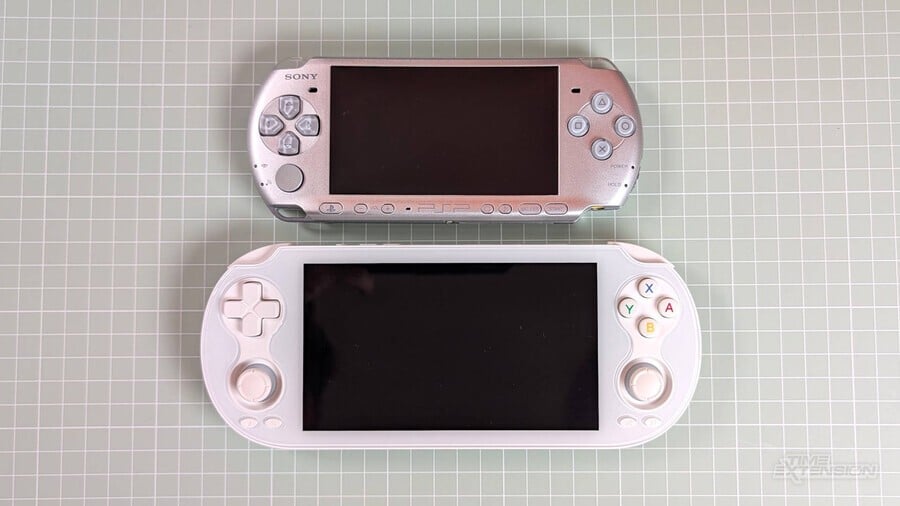
The Anbernic RG Vita Pro, upon initial inspection, aligns more closely with Anbernic’s established build quality rather than replicating the ultra-premium feel of the original PlayStation Vita. While it may not exude the same high-end finish as Sony’s console, its construction is robust and comfortable, a hallmark of Anbernic devices. The all-glass front panel contributes significantly to a more premium tactile experience than its $150 price tag might suggest, although it naturally increases vulnerability to drops.
Ergonomically, the device is surprisingly comfortable for extended play sessions, despite lacking the pronounced ergonomic grips found on some other handhelds. The subtle divots on the back are largely decorative, a departure from the functional grips of the PS Vita. This design choice, however, allows for greater flexibility in hand placement, preventing users from being locked into a predetermined grip.
The display is a crucial component of any handheld, and the RG Vita Pro features a 5.5-inch IPS panel, a modest increase from the Vita’s 5-inch screen. While the IPS technology offers good viewing angles and color reproduction, the reviewer noted it to be "a little dim" compared to some competitors. However, its 1080p resolution ensures crisp and clear visuals, vital for enjoying retro games with enhanced clarity. This contrasts with the PS Vita’s original OLED screen, which offered deeper blacks and more vibrant colors, but at a higher cost and with potential for burn-in.
Precision Controls and Audio Considerations
Anbernic has historically delivered reliable controls, and the RG Vita Pro largely continues this trend. The D-pad utilizes a soft membrane, offering a comfortable and responsive feel, albeit differing from the clickier D-pad of the original Vita, a preference for some enthusiasts. The face buttons, adorned with Nintendo-style ABXY labels, provide a satisfying level of resistance. This choice of labeling is a common industry practice to avoid potential trademark infringements associated with PlayStation’s iconic geometric symbols (triangle, circle, cross, square).
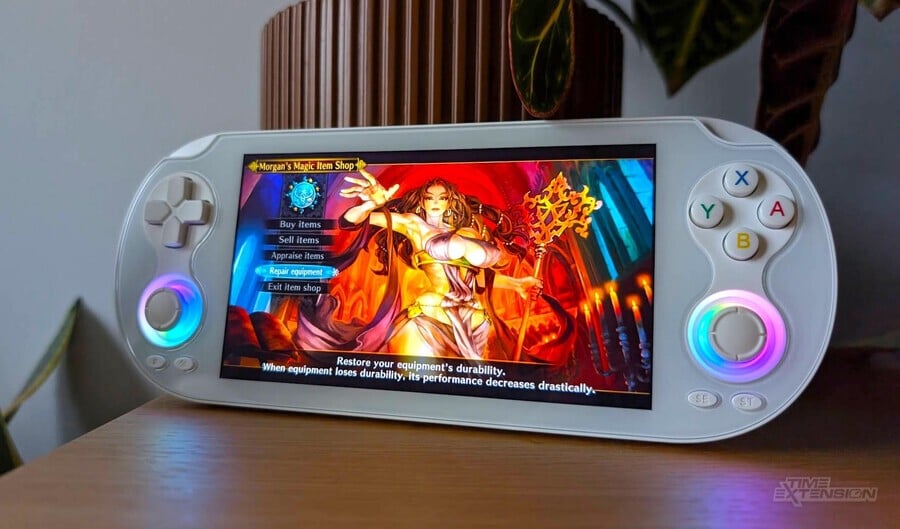
The Hall-Effect joysticks on the RG Vita Pro are a notable inclusion. Positioned on the bottom, they are slightly inset and adequately spaced from other controls, minimizing accidental inputs. Hall-Effect technology, which uses magnets and electrical conductors, is highly praised in the gaming community for its superior durability and resistance to stick drift, a common issue with traditional potentiometer-based joysticks.
However, the shoulder buttons and triggers, while adequately sized, were found to be "excessively clicky." This is a recurring observation in reviews of Anbernic products, with the audible feedback potentially disrupting quiet environments or shared spaces. For audio, the downward-firing speakers are functional but not particularly remarkable, delivering adequate sound for most gaming scenarios. A standard headphone jack is conveniently located at the bottom of the device, alongside two MicroSD card slots, a design choice enabling its dual-boot functionality.
Dual-Boot Functionality and Community Engagement
One of the standout features of the Anbernic RG Vita Pro is its dual-boot capability, allowing users to switch between Linux and Android 14 operating systems. This flexibility caters to different user preferences and technical proficiencies. By default, the device boots into a basic Linux environment. While functional for launching games quickly, this stock Linux build is often perceived as somewhat rudimentary, reflecting a common critique of Anbernic’s default operating system interfaces across its product line.
The Android 14 build, accessible by holding the R button during boot-up, is similarly basic. It notably lacks the Google Play Store, meaning users must sideload applications and games. While this might be a hurdle for some, it also offers benefits such as reduced background processes and improved privacy, preventing Google services from consuming valuable system resources. The Android build does include specific handheld settings for aspects like stick sensitivity, indicating some level of optimization.
Crucially, the RG Vita Pro’s long-term appeal is significantly bolstered by its strong community support. Anbernic’s strategy of providing early access to test devices for developers has fostered a vibrant ecosystem of custom firmware. Options like GammaOS for Android and Knulli for Linux promise enhanced performance, additional features such as overclocking and system-wide shaders, and a more polished user interface. For tinkerers and enthusiasts, these custom firmwares unlock the device’s full potential, transforming a basic out-of-the-box experience into a highly customized and optimized gaming platform. Even for casual users, the pre-configured emulators and "just-works" setup provide a straightforward entry into retro gaming, with minimal technical intervention required beyond pointing emulators to game folders.
Performance Benchmarks and Emulation Capabilities
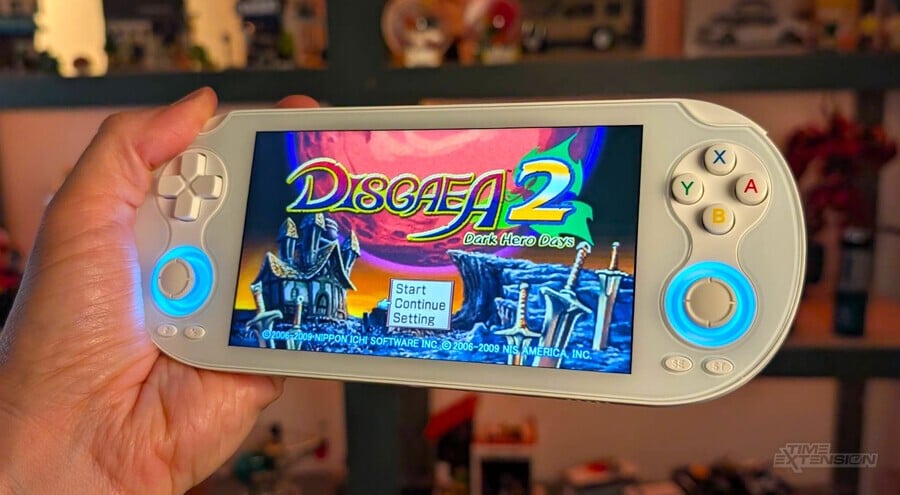
At the heart of the Anbernic RG Vita Pro is the new RockChip RK3576 chipset, paired with 4GB of RAM. On paper, this chipset occupies a lower-mid-range tier, outperforming budget-oriented devices like the Mangmi Air X but falling short of Anbernic’s more powerful T820-based handhelds, such as the RG Slide or RG 476H. In practical application, the performance differences for certain emulation tiers are subtle but significant.
The device delivers stable and enjoyable performance for a wide range of retro home consoles up to the Nintendo 64 and Sega Dreamcast era. Games from these generations typically run smoothly with minimal frame rate drops, providing a satisfying nostalgic experience. However, the RG Vita Pro, like many devices in its price bracket, struggles with more demanding sixth-generation consoles such as the Nintendo GameCube and PlayStation 2. While some lighter titles might be playable, consistent and reliable performance at optimal frame rates remains elusive. For users prioritizing robust GameCube and PS2 emulation, investing in more powerful systems like the Retroid Pocket 4 Pro (or the "Retroid Pocket 5" as referenced in the original context) or the Anbernic RG 477M would be advisable, despite their higher price points.
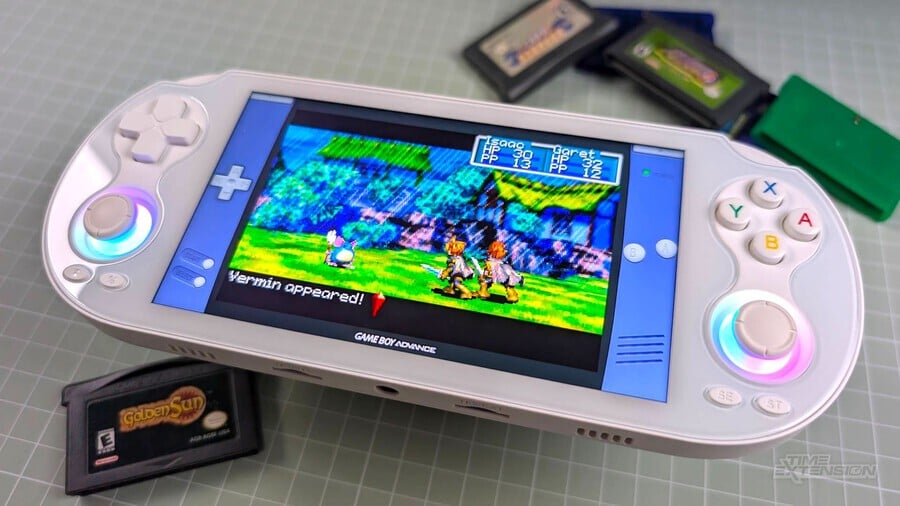
Where the RG Vita Pro truly shines is in its emulation of handheld systems, particularly the PlayStation Portable (PSP). The device offers an exceptional PSP gaming experience, with tested titles running smoothly at 3x upscaling, and many even achieving stable performance at 4x upscaling. This superior performance is complemented by the device’s widescreen form factor, which closely mirrors the original PSP’s aspect ratio, enhancing immersion. The overall sensation of playing PSP games on the RG Vita Pro—combining strong performance with a familiar design—evokes the feeling of using a more powerful, refined version of Sony’s original portable console. Battery life is also commendable, offering approximately five hours of PSP gameplay on a single charge, with a notably fast charging time of roughly 70 minutes from 10% to 90%. The absence of an integrated fan ensures whisper-quiet operation, though the device can become warm under heavy load, it never reaches uncomfortable temperatures.
The PS Vita Emulation Conundrum
Despite its name, the Anbernic RG Vita Pro does not reliably emulate PlayStation Vita games. The device’s naming convention has led to some consumer confusion, as even the more powerful Pro model is generally incapable of playing the majority of the PS Vita catalogue. Performance for Vita games, even lightweight titles, is often unstable, prone to crashes, and indicative of the immaturity of the Vita3K emulator. Emulating the complex architecture of the PS Vita is a demanding task, requiring significant processing power that currently exceeds the capabilities of the RK3576 chipset and the current state of emulator development. For dedicated PS Vita gaming, users are advised to retain their original hardware. The RG Vita Pro’s "Vita" moniker is, therefore, an aesthetic tribute rather than a functional promise regarding native game compatibility.
Expanded Functionality: Streaming and Video Output
Beyond traditional emulation, the RG Vita Pro offers compelling features that enhance its versatility. Its widescreen, 1080p display and full control set, including dual joysticks, make it an excellent device for game streaming. Services like Moonlight or Steam Link can leverage the device’s capabilities to stream PC or console games remotely, offering a high-quality portable gaming experience. The only minor drawback in this regard is the lack of analog triggers, which might limit precision in certain modern games designed with such input in mind.
Furthermore, the device’s support for video output via USB-C or a micro HDMI port is a significant advantage, especially at its price point. Many budget chipsets do not offer any form of video output, making the RG Vita Pro stand out as a versatile media device capable of connecting to external displays. This allows users to transform the handheld into a mini home console for a big-screen gaming experience or to use it as a compact media player.
Another noteworthy feature, particularly for Linux users, is PortMaster support. PortMaster is a community-driven platform that enables the easy installation and management of native Linux ports of classic PC games. Despite the RK3576 chipset’s limitations for local PC emulation (due to underpowering and poor driver support), PortMaster expands the device’s library significantly. Users can enjoy a range of iconic PC titles, such as Morrowind or Grand Theft Auto: Vice City, which would otherwise be impossible to run on such a handheld, thereby broadening its appeal beyond conventional console emulation.
Market Context and Value Proposition
The Anbernic RG Vita Pro enters a highly competitive and evolving market. Its $150 price tag places it in a challenging position, directly competing with more powerful systems that, for an additional $50 or less (especially during sales), can offer superior performance for demanding platforms like PS2 and GameCube, often coupled with OLED screens. The Retroid Pocket 4 Pro (or the "Retroid Pocket 5" as per the original review) is a prime example of such a competitor, offering a compelling alternative for performance-focused users.
However, Anbernic’s strategic timing and feature set offer distinct advantages. The company’s release of the RG Vita Pro amidst a period of rising prices and consolidation in the handheld market could be seen as a defiant move. Its emphasis on PSP emulation, a sleek design, and robust community support for custom firmware are crucial differentiators. The early engagement with developers is particularly prescient, as custom firmware packages have historically been instrumental in extending the lifespan and enhancing the capabilities of Anbernic devices. This growing trend of "tinkering" and optimization is becoming an integral part of the retro handheld hobby, allowing users to unlock performance ceilings and personalize their devices.
Conclusion: A Niche Performer in a Crowded Field
The Anbernic RG Vita Pro is a handheld that excels in specific areas while falling short in others. For enthusiasts primarily seeking a premium PSP emulation experience, coupled with a design that pays homage to one of gaming’s most aesthetically pleasing handhelds, the RG Vita Pro is an excellent choice. Its performance for widescreen handheld systems is among the best in its price segment, offering a compelling alternative to devices primarily optimized for 4:3 retro consoles.
However, the device’s inability to reliably play PlayStation Vita games, despite its name, remains a significant point of contention. While the Vita3K emulator is still maturing, the naming choice could be considered misleading for consumers expecting native compatibility. The $150 price point also necessitates a careful consideration of its value proposition against more powerful competitors that offer broader emulation capabilities for a marginal increase in cost.
Ultimately, the Anbernic RG Vita Pro caters to a specific demographic: those who prioritize excellent PSP emulation, appreciate a sleek, Vita-inspired design, and are either willing to engage with community-driven custom firmware or content with the device’s out-of-the-box performance for its strengths. Its inclusion of video output, game streaming capabilities, and PortMaster support further enhances its utility, positioning it as a versatile device for a nuanced user base. While not an impulse buy, for the right user, the RG Vita Pro offers a rewarding and distinctive retro gaming experience, poised to age gracefully as its community firmware ecosystem continues to evolve.