Ganda Hendra Perkasa
The digital archives of video game history have been significantly enriched with the recent release of digitized audio recordings from the 1989 Computer Game Developers Conference (CGDC). This landmark collection, unveiled shortly after the conclusion of GDC 2026, offers an invaluable window into the nascent stages of the computer game industry, featuring nearly every lecture from the third iteration of the annual event. Held in May 1989 at the Sunnyvale Hilton Hotel, the conference brought together a community that, by today’s standards, was remarkably intimate and foundational, with estimates placing attendance at a mere 300 individuals. The survival and subsequent digitization of these audio tapes, manually dubbed by GDC co-founder Tim Brengle, represent a triumph for historical preservation, illuminating a pivotal era when the very definition and potential of computer gaming were being actively shaped by its pioneers.
A Tight-Knit Community Shaping a New Frontier
The landscape of computer game development in 1989 was vastly different from the global, multi-billion dollar industry it is today. The American computer game development community was characterized by its close-knit nature. Attendees at CGDC 1989 often knew each other personally, a sentiment reflected in the recordings where speakers frequently addressed individuals in the audience by name. This collegial atmosphere fostered a unique environment for knowledge sharing and collaboration, laying the groundwork for future innovations. The small scale of the event belies its significant impact, as the roster of speakers and attendees reads like a who’s who of early gaming luminaries. Figures such as Danielle Bunten Berry, Bing Gordon, Chris Crawford, Richard Garriott, and Steve Cartwright, whose contributions have profoundly shaped the trajectory of interactive entertainment, were all present and actively participating. These recordings are among the earliest surviving audio documentation of their insights and discussions during this formative period.
Key Sessions: Preserving Seminal Discussions
The newly released collection encompasses a diverse range of topics, offering insights into the challenges, aspirations, and evolving understanding of game development and its surrounding ecosystem. Among the highlighted sessions are:
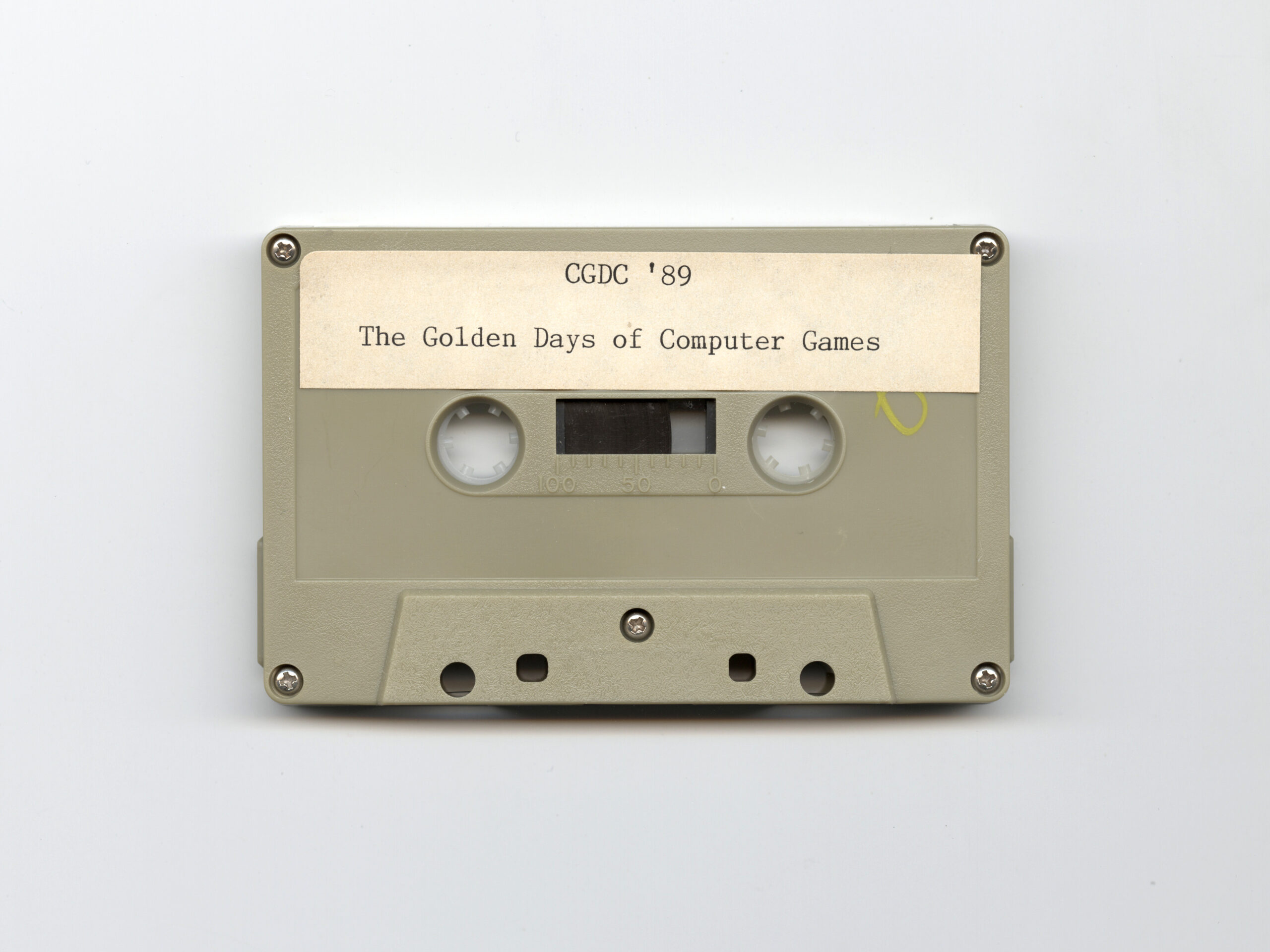
The Golden Days of Computer Games: Nostalgia in the Making
This panel, featuring a remarkable assembly of game developers including Dani Bunten, Steve Cartwright, Chris Crawford, Jon Freeman, and Richard Garriott, delves into the concept of "the good old days" of computer gaming. What is striking is that by 1989, developers were already looking back nostalgically to the early 1980s. This era, characterized by the manual packaging of games in Ziploc bags and a general uncertainty about the industry’s future, stands in stark contrast to the burgeoning professionalization evident at the conference. The discussions underscore the rapid evolution of the field within just a few years, highlighting the early entrepreneurs who were laying the foundation for a major industry without necessarily foreseeing its ultimate scale.
Movies and Games: Navigating the License Landscape
A panel titled "Movies and Games: Living with a License" brought together four game producers to explore the complexities of working with intellectual property from other media. The session provides a fascinating look into the development of the Three Stooges computer game and offers glimpses into industry gossip surrounding notoriously difficult licensed projects. Discussions about the Barbie game for the Commodore 64, a project known for its turbulent development, illustrate the early challenges of adapting established brands for interactive platforms. This panel is particularly relevant as it showcases the industry’s early attempts to leverage popular culture, a strategy that continues to be a significant driver of game development today.
The Press and Games: Forging an Early Relationship
The evolving relationship between game developers and the media was a critical concern even in 1989. "The Press and Games" features a candid discussion between Johnny Wilson, an editor at Computer Gaming World, and Charlotte Taylor-Skeel, the public relations manager for Accolade. Their conversation illuminates the nascent dynamics between publishers, developers, and the burgeoning specialized press, demonstrating that strategic communication and media relations were recognized as vital components of the industry’s growth from its early stages.
Interactive Storytelling: Pioneering Narrative in Games
Dave Albert of Electronic Arts led a compelling session on "Interactive Storytelling." The panel began with a lecture on narrative principles before transitioning into a dynamic, Socratic-style engagement with the audience. This interactive format suggests an early exploration of how to foster deeper player immersion through narrative. The recording offers a tantalizing possibility for identifying early pioneers of narrative design, with Albert addressing an individual named "Brenda." While likely referring to Brenda Laurel, a prominent figure in interactive media, the possibility of it being Brenda (Garno) Romero, another influential game designer, highlights the interconnectedness of this small community.
The Publishers’ Panel: Navigating Market Challenges
Concluding CGDC 1989 was "The Publishers’ Panel," where executives from major American computer game companies discussed the industry from their unique perspectives. A central theme was the perceived "slump" in the U.S. computer game market at the time. This panel is notable for its potentially contentious exchanges, particularly a fiery address by Trip Hawkins. Hawkins, a pivotal figure in the industry, expressed strong disapproval of Nintendo’s closed ecosystem practices for its then-dominant Nintendo Entertainment System (NES), forecasting that its market dominance would not last indefinitely. His critique foreshadowed future shifts in console hardware and business models.
A Glimpse Beyond the Main Stage
While the digitized lectures form the core of this new release, the accompanying materials reveal the existence of other notable sessions. The collection is believed to be missing only two talks from CGDC 1989, and it remains unclear if these were ever recorded. Furthermore, the conference featured 22 roundtable discussions, including one reportedly led by counterculture icon Timothy Leary. The absence of recordings for these roundtables means that the current collection represents the closest available approximation to being present alongside the approximately 300 game designers who were actively shaping the future of their craft at the Sunnyvale Hilton.
The effort to catalog and preserve these historical recordings was significantly aided by the Department of Special Collections at Stanford University Libraries. Their provision of a copy of the CGDC 1989 program from the Steve Meretzky papers served as an essential reference document. The Game Developers Conference has granted permission for these recordings to be shared, and special commendation is due to GDC co-founder Tim Brengle, who personally undertook the painstaking task of manually dubbing these tapes. This act of preservation, completed 37 years after the event, ensures that a crucial piece of gaming history is now accessible to a global audience.
Supporting the Future of Game History Preservation
These invaluable recordings are now freely available as part of a growing digital library of video game history research materials. This initiative is made possible through ongoing support from the community. The organization behind this project has even invested in new audio digitization equipment, ensuring its continued capacity to preserve and share historical audio content. Such projects are vital for understanding the evolution of interactive entertainment and acknowledging the foundational work of its early innovators. The accessibility of these 1989 recordings not only serves as an educational resource but also as a testament to the enduring legacy of the individuals who built the modern video game industry from its humble beginnings.