Chalid Lutfie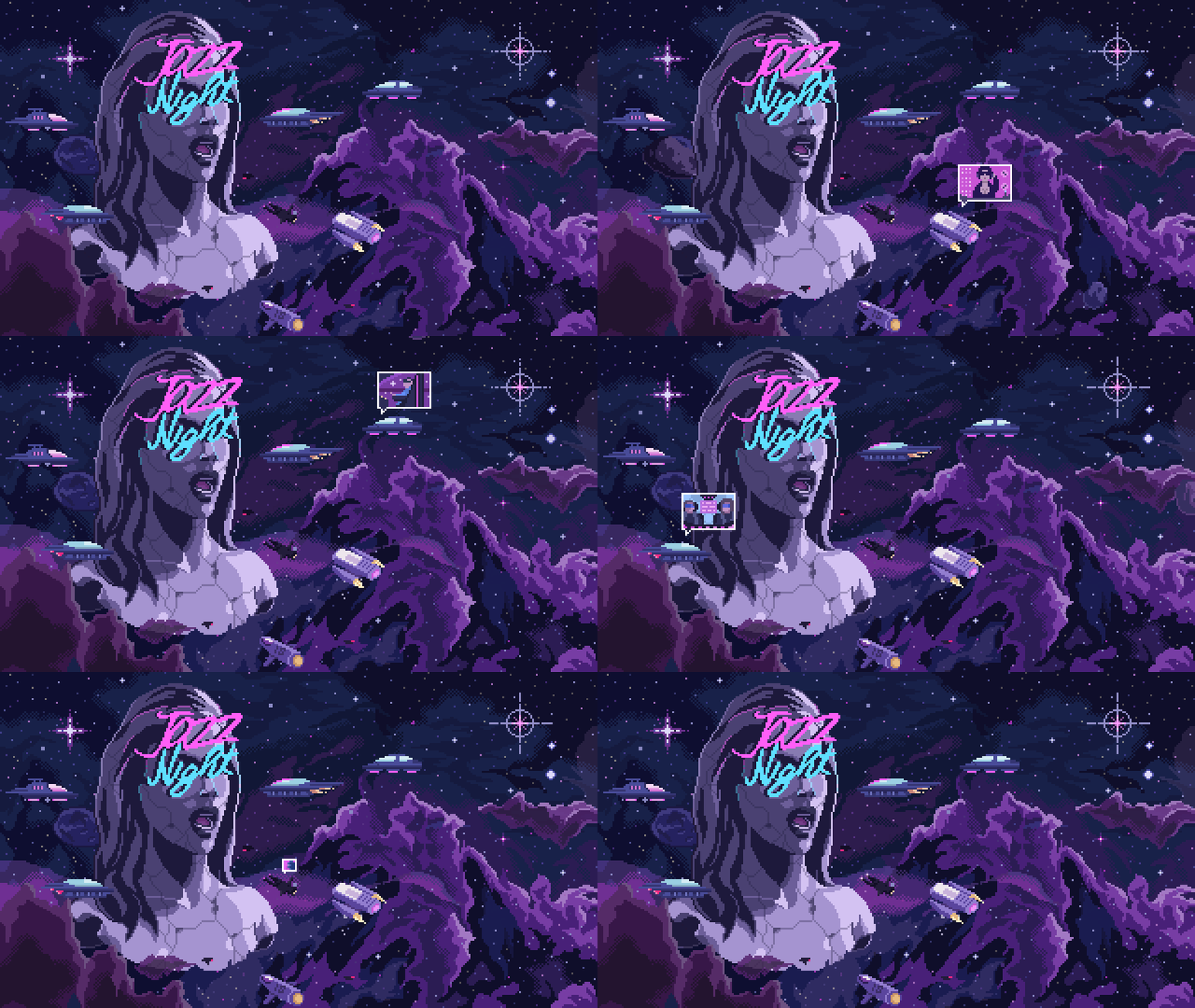
A Technical and Stylistic Synthesis
The Frequency Modulators Orchestra, Vol. 1 is characterized by its strict adherence to specific technical constraints. The album was composed and produced using exclusively FM synthesizers and lo-fi drum samples. This creative limitation serves a dual purpose: it pays homage to the digital soundscapes of the 1980s and early 1990s while challenging the long-held perception that digital synthesis is inherently "cold" or "mechanical."
In the landscape of electronic music production, FM synthesis—popularized by the Yamaha DX7 and various arcade sound chips—is often contrasted with the "warmth" of subtractive analog synthesis. Irming’s project seeks to bridge this gap, utilizing the precise, mathematical nature of FM operators to create the nuanced, "human" grooves typically associated with live jazz performance. The result is a work that balances zany, chiptune-inspired melodies with the sophisticated harmonic language of jazz-funk.
The Evolution of Juan Irming: From Demoscene to Professional Scoring
To understand the foundations of this release, one must look at the career trajectory of Juan Irming. His roots are firmly planted in the European demoscene of the late 1980s, a digital subculture focused on pushing the hardware limits of early home computers. As a composer for the Atari ST crew known as SYNC, Irming established an early reputation for technical proficiency. The Atari ST was a pivotal machine for electronic musicians of that era due to its built-in MIDI ports, and SYNC was a highly regarded group that frequently secured top honors in international music and demo competitions.

Following his formative years in the demoscene, Irming transitioned into formal musical education at the Musicians Institute in Los Angeles during the early 1990s. This move allowed him to blend his self-taught digital skills with a formal understanding of music theory and performance. Over the ensuing decades, his portfolio expanded to include work as a producer, sound designer, and keyboardist.
Irming’s professional credits are extensive, spanning ten LPs and numerous video game soundtracks. He has collaborated with prominent figures in the synthwave and "geek rap" communities, most notably producing tracks for YTCracker’s cyberpunk-themed album, Introducing Neals. His work has appeared alongside genre staples such as Mitch Murder, Lazerhawk, and GUNSHIP. Furthermore, his contributions to the gaming industry include sound design and soundtracks for titles like Power Drive 2000 and the cyberpunk adventure VirtuaVerse.
Chronology and Creative Development
The genesis of The Frequency Modulators Orchestra can be traced back to 2014. During the production of YTCracker’s Introducing Neals, Irming wrote the instrumental for the track "Feel Like Leisure Suit Larry." This specific composition reignited his interest in the percussive and "zany" qualities of FM synthesis.
In 2015, Irming further experimented with this sound on his album Blue Bots Dots, specifically with the track "Funky Mustache." By the end of that year, the conceptual framework for a full-length, FM-only jazz album had solidified. The production of The Frequency Modulators Orchestra, Vol. 1 took place over a ten-month period starting in early 2016.
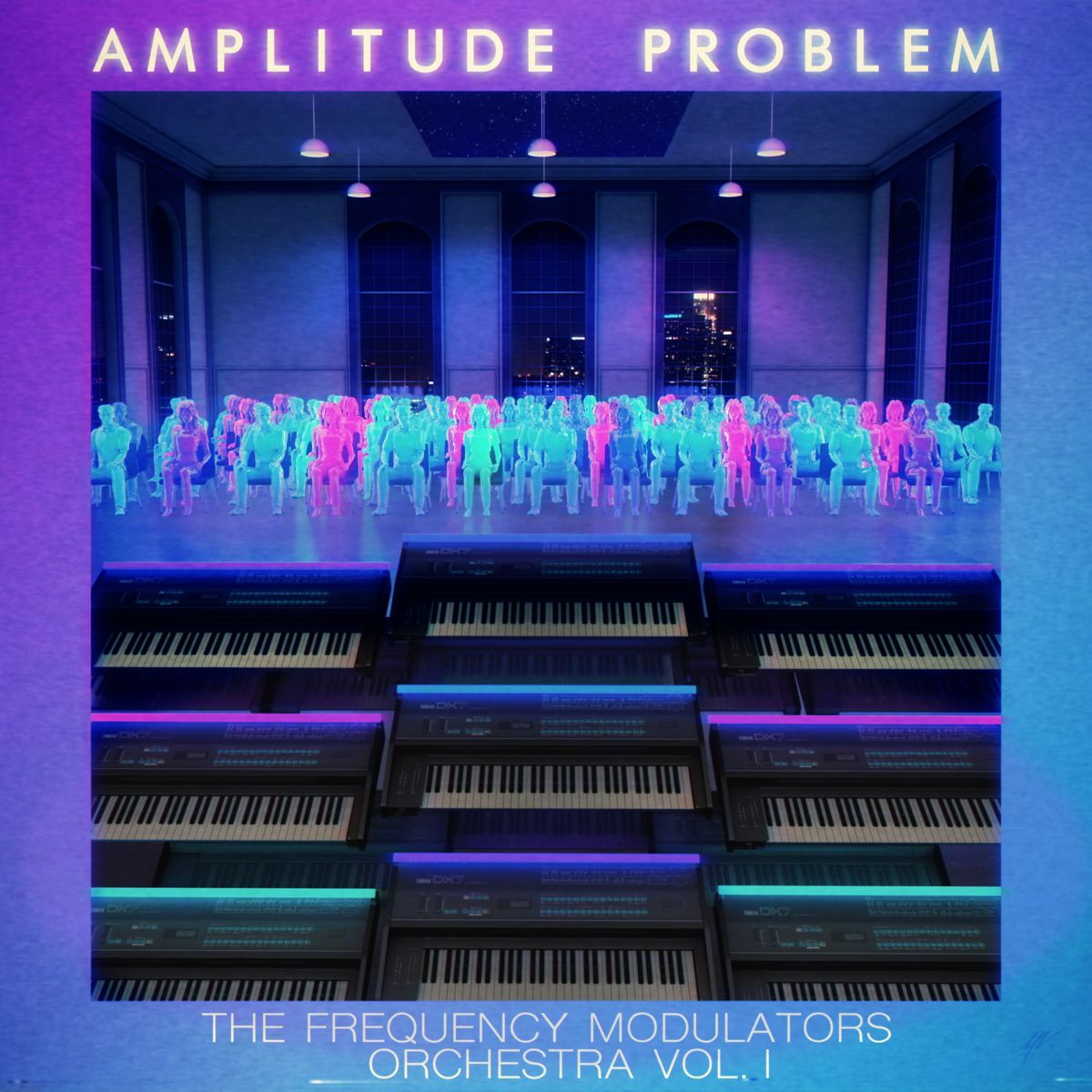
Irming’s creative process for this record was heavily rooted in improvisation. By treating the synthesizers as members of a live ensemble—hence the "Orchestra" in the title—he allowed for spontaneous "jam sessions" in the studio. This approach was intended to ensure that the final recordings retained the "in-the-moment" energy required for authentic jazz-funk, rather than feeling like programmed, static loops.
High-Fidelity Engineering and Visual Identity
Despite its lo-fi drum aesthetic and retro synth palette, the album underwent a high-end post-production process. To ensure the record met the standards of "discerning jazz fans," Irming enlisted the services of Don Grossinger, a Grammy Award-winning mastering engineer. Grossinger’s involvement is a point of significant interest for industry observers, as his previous credits include work with jazz icon Miles Davis. The decision to use a mastering engineer with deep roots in traditional jazz underscores Irming’s commitment to the genre’s legitimacy.
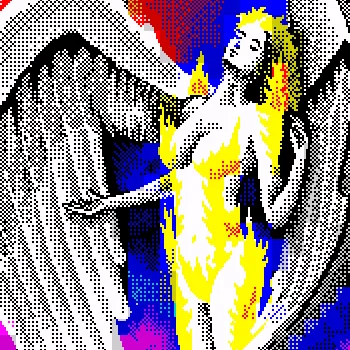
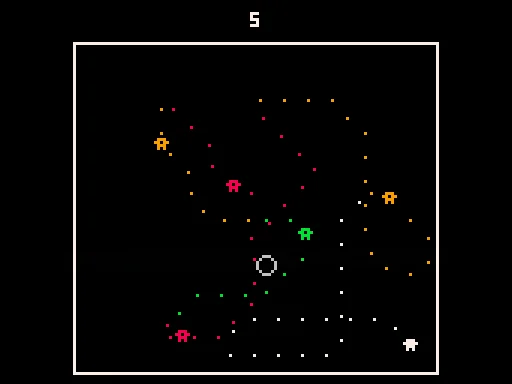
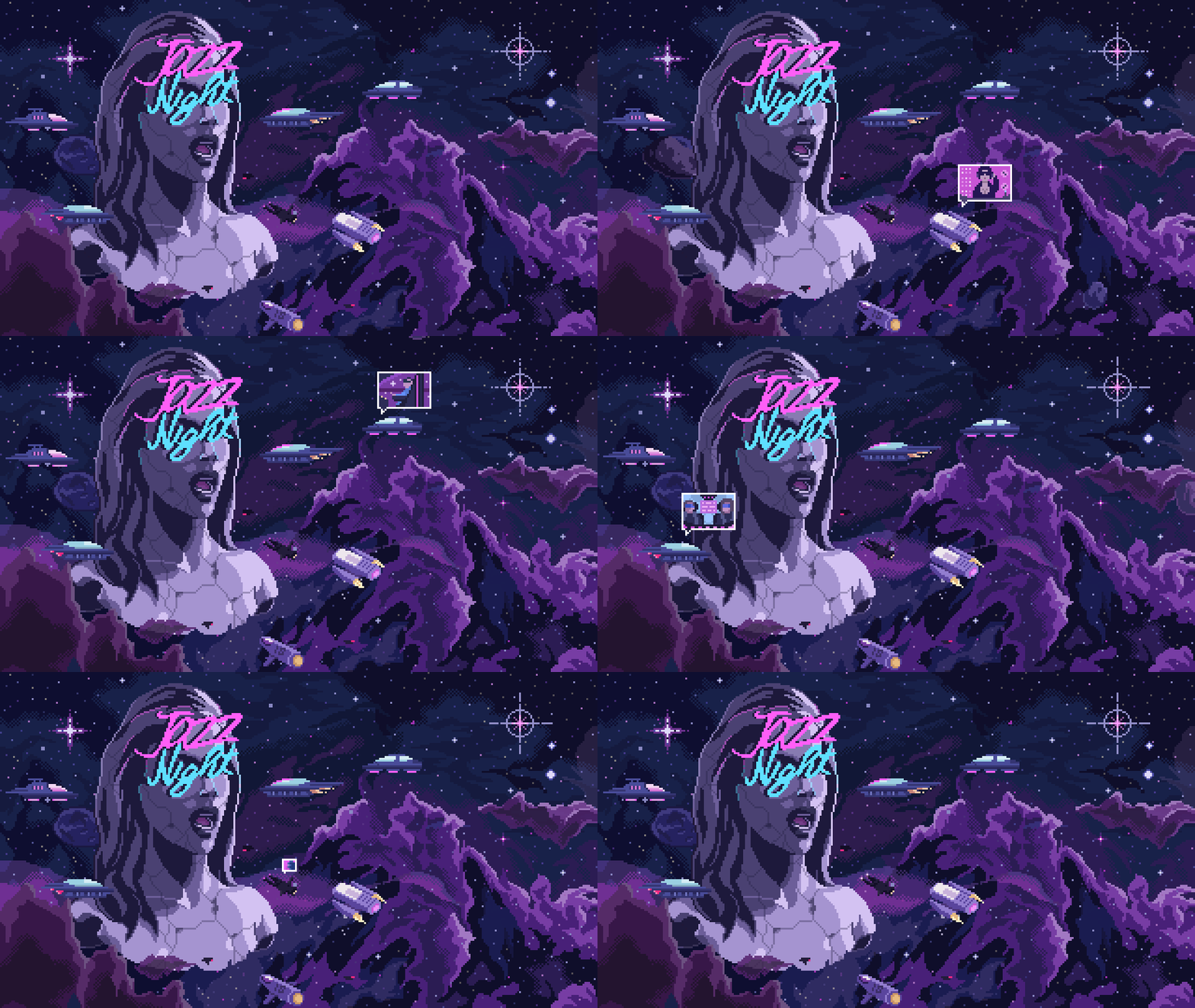
The visual component of the release also reflects a high level of collaborative craftsmanship. The front cover art was created by Mythical Vigilante, while additional art and animations were provided by Valenberg. Valenberg, a well-known figure in the pixel art community, created the "Jazz Night" animation specifically for this project, providing a visual counterpart that mirrors the album’s blend of retro technology and sophisticated nightlife aesthetics.
Narrative Structure and Thematic Content
The album is structured as a narrative journey through seven tracks. According to Irming, the first four tracks represent a "deep introspective," exploring internal states and personal reflections. The final three tracks shift outward, offering "commentary on life and the universe."

This narrative progression is intended to give the instrumental music a sense of purpose and direction. Tracks like "Ghosts in My Medicine Cabinet" serve as examples of Irming’s "all-in" philosophy, where he leans into the more eccentric and experimental possibilities of FM synthesis without reservation. The artist has stated that the creation of a fictional "band"—the Frequency Modulators—was necessary to provide a sense of collective energy on stage, even though the project is a solo endeavor.
Broader Industry Implications and Analysis
The release of The Frequency Modulators Orchestra, Vol. 1 arrives at a time when there is a renewed interest in FM synthesis within the broader electronic music industry. While the 1990s saw a shift toward sample-based synthesis and the 2000s toward software-based "in-the-box" production, the 2010s have seen a resurgence of hardware-inspired sounds.
By positioning FM synthesis within the context of jazz-funk, Amplitude Problem is contributing to a niche but growing movement often referred to as "chip-jazz" or "fusion-wave." This movement seeks to elevate chiptune and retro-digital music beyond mere nostalgia, treating the sounds of the 1980s as a legitimate instrumental palette for complex musical expression.
Market analysts note that the crossover appeal of such projects is significant. The album attracts listeners from several distinct demographics:
- Synthwave and Retrowave Fans: Those who appreciate the 1980s aesthetic and the use of vintage-style hardware.
- Jazz Fusion Enthusiasts: Listeners who value technical proficiency and improvisational structures.
- Demoscene and Gaming Communities: Individuals who follow Irming’s history with the Atari ST and his contributions to modern indie gaming.
The partnership with Ubiktune is also strategic. Ubiktune has established itself as a premier label for high-quality digital music that defies simple categorization, often bridging the gap between video game music and standalone artistic releases.
Official Release and Availability
The Frequency Modulators Orchestra, Vol. 1 was officially released on April 25, 2017. The album is distributed across all major digital platforms, including Spotify, Apple Music, and Bandcamp.
The title suggests that this is intended to be the first in a series of explorations under the "Frequency Modulators" banner. While the debut focuses on the intersection of FM synthesis and jazz-funk, the framework allows for future volumes to explore other genres through the same rigorous technical lens.
As the electronic music landscape continues to fragment into specialized sub-genres, projects like The Frequency Modulators Orchestra demonstrate the potential for technical constraints to foster innovation. By looking backward at the tools of the 1980s, Juan Irming has produced a work that looks forward, suggesting that the "cold" digital sounds of the past still have a significant role to play in the "warm," human musical traditions of the future.