Chalid Lutfie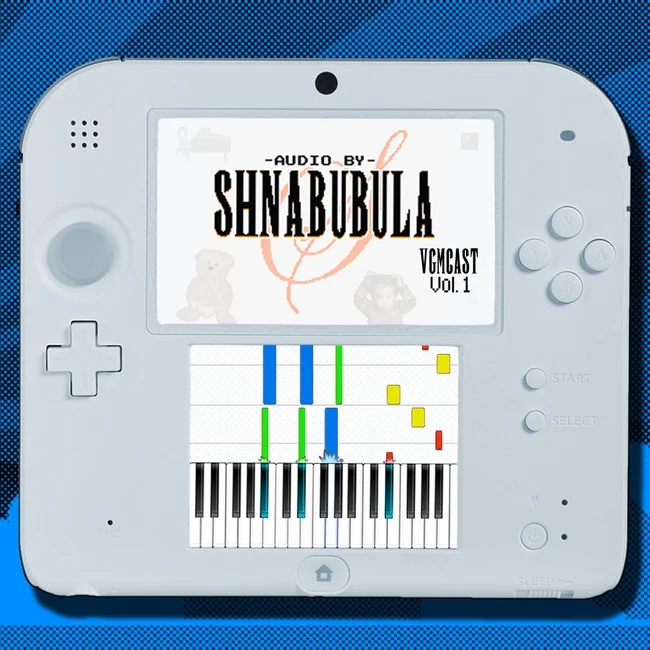
The contemporary landscape of digital music performance has witnessed a significant shift toward interactive, real-time engagement, a trend exemplified by the latest initiative from Samuel Ascher-Weiss, professionally known as Shnabubula. On May 18, 2015, the acclaimed pianist and composer officially announced the commencement of a rigorous new weekly project designed to bridge the gap between technical practice and public performance. Utilizing the Hitbox streaming platform, Ascher-Weiss has committed to a recurring schedule that involves intensive, live-streamed learning sessions followed by curated concert performances. This initiative serves a dual purpose: providing a structured environment for the artist to expand his repertoire and offering fans an intimate look at the cognitive and technical processes involved in mastering complex musical arrangements under significant time constraints.
The Structural Framework of the Performance Series
The project is organized into a two-phase weekly cycle that emphasizes transparency in the creative process. The first phase occurs every Friday, during which Ascher-Weiss hosts an extensive eight-and-a-half-hour live stream on Hitbox. Starting at 12:00 PM EST and concluding at 8:30 PM EST (GMT -5), this session is dedicated entirely to audience requests and rapid-fire learning. During these hours, the artist accepts suggestions from viewers—ranging from obscure video game soundtracks to complex jazz standards and contemporary pop—and attempts to transcribe, arrange, and memorize the material in real-time. This "learning lab" format allows the audience to witness the trial-and-error nature of professional musicianship, a stage of production that is traditionally kept behind closed doors.
The second phase of the cycle takes place two days later, on Sunday at 4:00 PM EST. During this broadcast, Ascher-Weiss performs a polished setlist comprising the songs successfully learned during the Friday session. This structured delay provides a brief window for the artist to refine the arrangements while maintaining the "live" energy of the project. The debut of this format has already yielded substantial results, with the most recent session resulting in a 14-song setlist that showcased the artist’s characteristic blend of technical precision and improvisational flair.
Background and Artistic Context of Samuel Ascher-Weiss
To understand the significance of this project, one must consider the professional background of Samuel Ascher-Weiss. Shnabubula has long been a prominent figure in the chiptune and video game music (VGM) arrangement communities. Known for his "NES Works" series and his ability to translate the complex, multi-channel textures of 8-bit and 16-bit synthesis into virtuosic solo piano compositions, Ascher-Weiss has earned a reputation for technical mastery. His work often blurs the lines between classical structure, stride piano, and experimental electronic music.
Before the launch of this Hitbox series, Ascher-Weiss was already recognized for his contributions to various remixing communities, including OverClocked ReMix. His move into live streaming represents a maturation of the "performance as process" ideology. By inviting the public to watch the learning phase, he is deconstructing the myth of the "effortless virtuoso," instead highlighting the discipline, ear training, and theoretical knowledge required to process high volumes of musical data in a single sitting.
The 2015 Streaming Landscape: Hitbox and the Rise of Creative Content
The choice of Hitbox as a primary platform is noteworthy within the context of 2015’s digital media environment. While Twitch remained the dominant force in the gaming space, Hitbox sought to differentiate itself through lower latency and a community-centric approach. For a musician like Ascher-Weiss, low latency is critical for real-time interaction with a chat-based audience, particularly when the artist is taking immediate requests and seeking feedback on specific melodic transcriptions.
During this period, the "Music & Performing Arts" category was beginning to see explosive growth across all streaming platforms. Artists were no longer using these services solely for promotion; they were using them as primary venues. The Shnabubula project reflects a broader industry trend where the "behind-the-scenes" content—traditionally reserved for DVD extras or "making-of" documentaries—has become the main attraction. The data from the initial sessions suggests a high level of engagement, as the eight-hour Friday window allows for a global audience to cycle through the stream, contributing to a diverse and challenging setlist.
Technical Analysis of the Learning Process
The cognitive demands of the Friday learning sessions are substantial. According to musicological standards, the act of "learning live" involves several simultaneous mental operations:
- Auditory Analysis: The artist must listen to a requested track, often for the first time, and identify the key, time signature, and harmonic progression.
- Transcription and Adaptation: Since many requests come from synthesized soundtracks (VGM) that utilize non-traditional scales or multiple layers of sound that exceed the physical capabilities of two hands, the artist must make instantaneous decisions on how to "reduce" the score for the piano without losing the essence of the piece.
- Muscle Memory Encoding: Within the span of a few minutes, the artist must develop the physical gestures required to execute the piece reliably.
In the 14-song set recorded following the May 15 session, Ascher-Weiss demonstrated a high success rate in these areas. The repertoire spanned various genres, testing his ability to switch between the percussive requirements of rhythmic game music and the lyrical demands of melodic ballads. The recording of these performances has since been made available as a digital album, providing a permanent archive of what was essentially a temporary, high-stakes academic exercise.
Chronology of the Project’s Development
The trajectory of the Shnabubula Live Request series can be traced through the following milestones:
- Early May 2015: Ascher-Weiss begins testing the Hitbox interface, gauging community interest in a dedicated "request day."
- May 15, 2015: The first full-scale Friday "Learning Marathon" takes place. Ascher-Weiss spends over eight hours interacting with the Hitbox community, culminating in the mastery of 14 distinct tracks.
- May 17, 2015: The inaugural Sunday Performance Stream is held, where the 14-song set is played in its entirety for a live audience.
- May 18, 2015: The official announcement of the project is posted to social media and music blogs, accompanied by the release of the YouTube recording and the downloadable album of the first set.
This timeline indicates a rapid transition from concept to execution, suggesting that the infrastructure for such a project was already supported by a loyal fanbase eager for interactive content.
Community Reaction and Broader Implications
While official statements from platform representatives at Hitbox were not released, the reaction from the VGM and chiptune communities has been overwhelmingly positive. Observers note that the project provides a rare educational resource for aspiring pianists. Watching a professional navigate the difficulties of a complex piece—including the moments where they stumble or have to rethink an arrangement—humanizes the art form.
Furthermore, the project has implications for the monetization of independent music. By offering the resulting recordings as an album immediately after the performance, Ascher-Weiss is utilizing a "just-in-time" production model. This reduces the time between the creation of content and its availability for consumption, a vital strategy for artists operating in the fast-paced digital economy of the mid-2010s.
Analysis of Potential Long-Term Impact
The "Shnabubula Method" of live-streamed learning could serve as a blueprint for other virtuoso performers. As the traditional music industry continues to grapple with declining physical sales and low streaming royalties, the value of "experience-based" content increases. The live stream is not just a delivery mechanism for music; it is a unique event that cannot be fully replicated by a static recording.
From a technical standpoint, the project pushes the boundaries of what is expected from a solo performer. The sheer volume of material—14 songs in one week—is a pace that few professional musicians can maintain without a decline in quality. However, Ascher-Weiss’s background in improvisation and his deep familiarity with the structural tropes of video game music provide him with a unique toolkit for this specific challenge.
In conclusion, the launch of Shnabubula’s Hitbox series marks a notable moment in the intersection of music, technology, and community engagement. By transforming the private act of practice into a public spectacle, Samuel Ascher-Weiss is not only expanding his own musical horizons but also redefining the relationship between the performer and the audience in the digital age. As the series continues, it will likely serve as a significant case study in the viability of long-form, interactive musical broadcasting. The 14-song set currently available serves as a testament to the success of this model and a preview of the high-caliber performances expected in the weeks to come.