Retno Hari Mulyono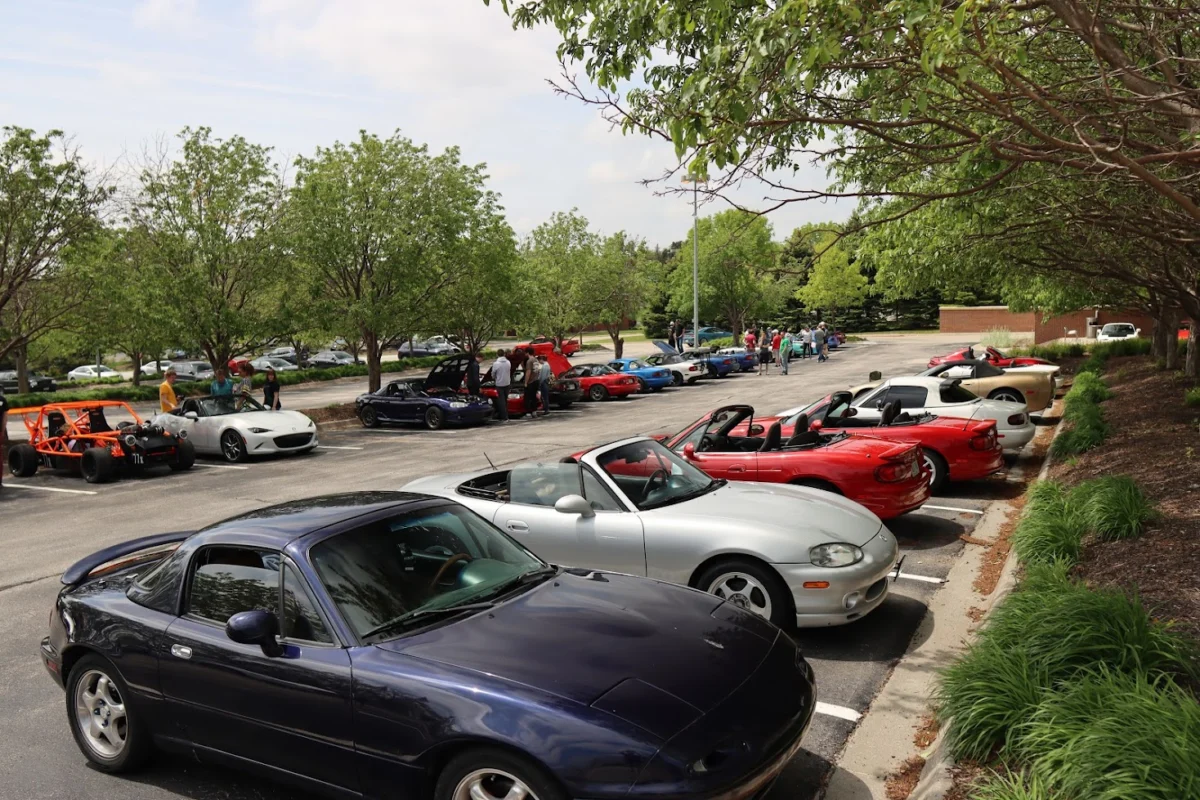
The second-generation Mazda MX-5, known internally as the NB, has long been a cornerstone of the enthusiast automotive community, offering a balance of mechanical simplicity and driver engagement that is increasingly rare in the modern era. On March 19, 2021, a specific 2000 Mazda Miata began a transformative journey under new ownership, marking the start of a twelve-month project dedicated to restoration, performance modification, and competitive motorsport entry. This year-long case study provides a detailed look at the maintenance requirements, aesthetic overhauls, and safety upgrades necessary to transition a twenty-year-old roadster into a reliable track-ready vehicle.
Technical Specifications and Market Context
The 2000 Mazda Miata is powered by the BP4W 1.8-liter inline-four engine, a powerplant noted for its durability and non-interference design. Producing approximately 140 horsepower and 119 lb-ft of torque in its factory configuration, the vehicle’s primary performance advantage lies in its curb weight of roughly 2,300 pounds. This lightweight architecture, combined with a 50/50 weight distribution and a double-wishbone suspension at all four corners, makes the NB generation a preferred platform for amateur racers and weekend hobbyists alike.
During the 2021-2022 period, the market for used sports cars saw a significant surge in valuation. According to industry data, the "modern classic" segment, which includes the NB Miata, experienced a price appreciation of nearly 20% year-over-year as enthusiasts sought analog driving experiences. The acquisition of a 2000 model in March 2021 placed the project at the beginning of this upward trend, highlighting the importance of preventative maintenance in preserving the asset’s value.
Phase I: Baseline Stabilization and Community Integration
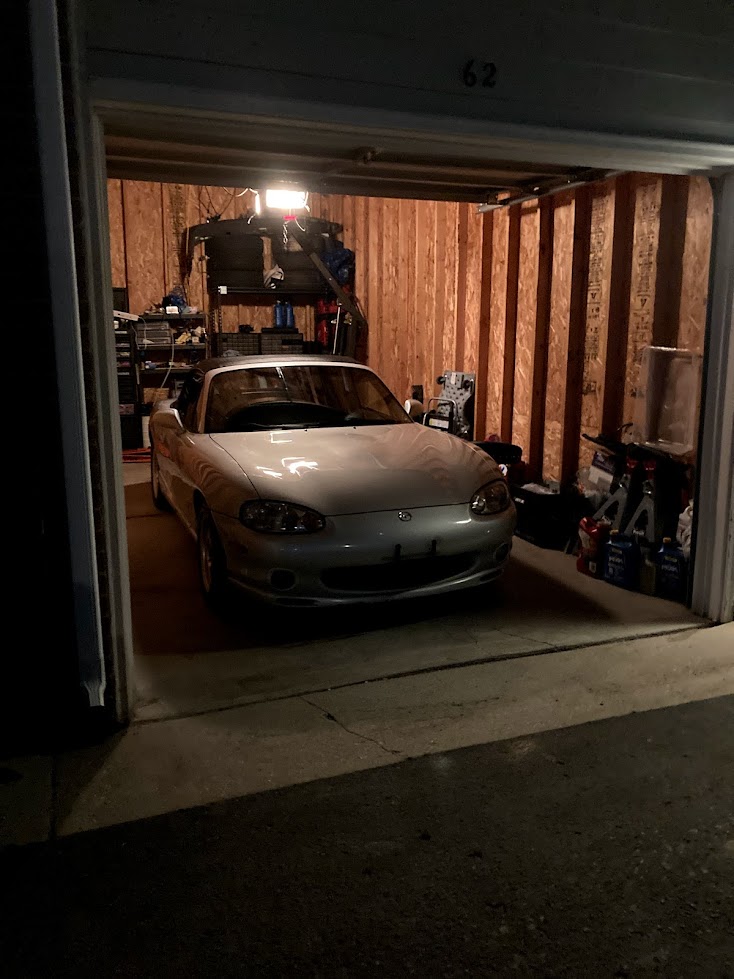
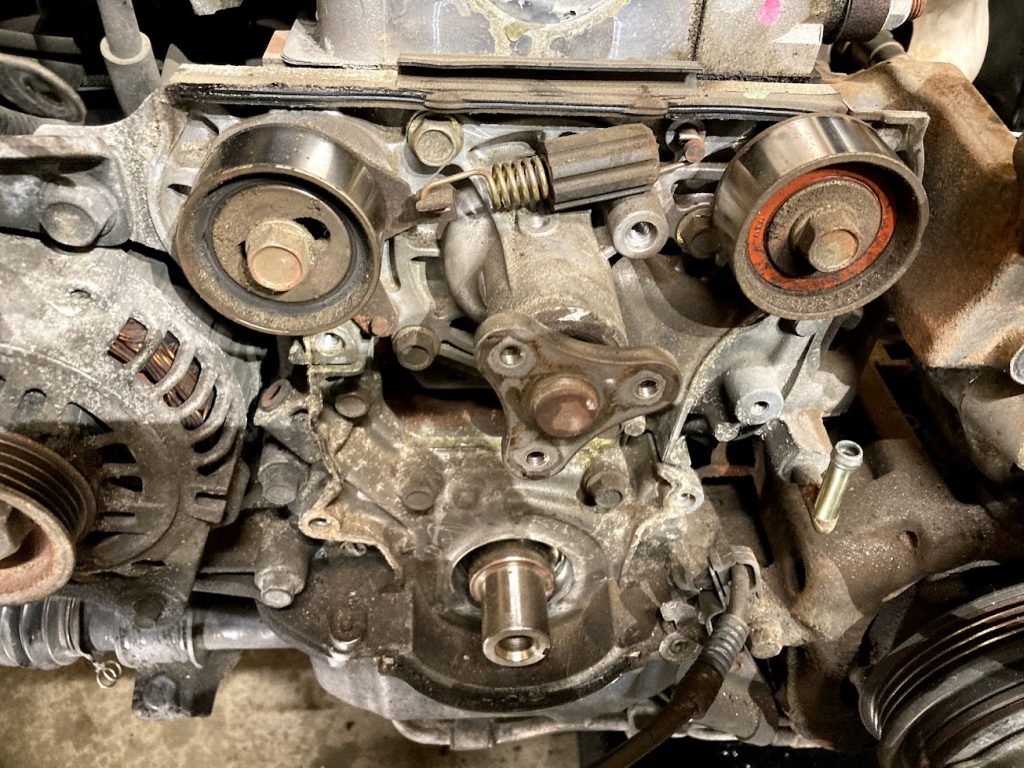
The first quarter of ownership (March through May 2021) focused on mitigating the risks associated with a vehicle lacking a documented maintenance history. Upon acquisition, the project lead prioritized mechanical integrity over cosmetic improvements. While the BP4W engine is a non-interference motor—meaning a timing belt failure would not result in catastrophic valve-to-piston contact—the owner opted for a comprehensive "baseline" service to ensure reliability during high-stress driving conditions.
Maintenance during this period included the replacement of vital fluids, inspection of cooling systems, and general oversight of the powertrain. By April, the vehicle was undergoing extensive "teardown" procedures to address potential points of failure. This proactive approach is standard practice in the motorsport community, where the goal is to achieve a "known good" state before the vehicle is subjected to the thermal and mechanical loads of a race track.
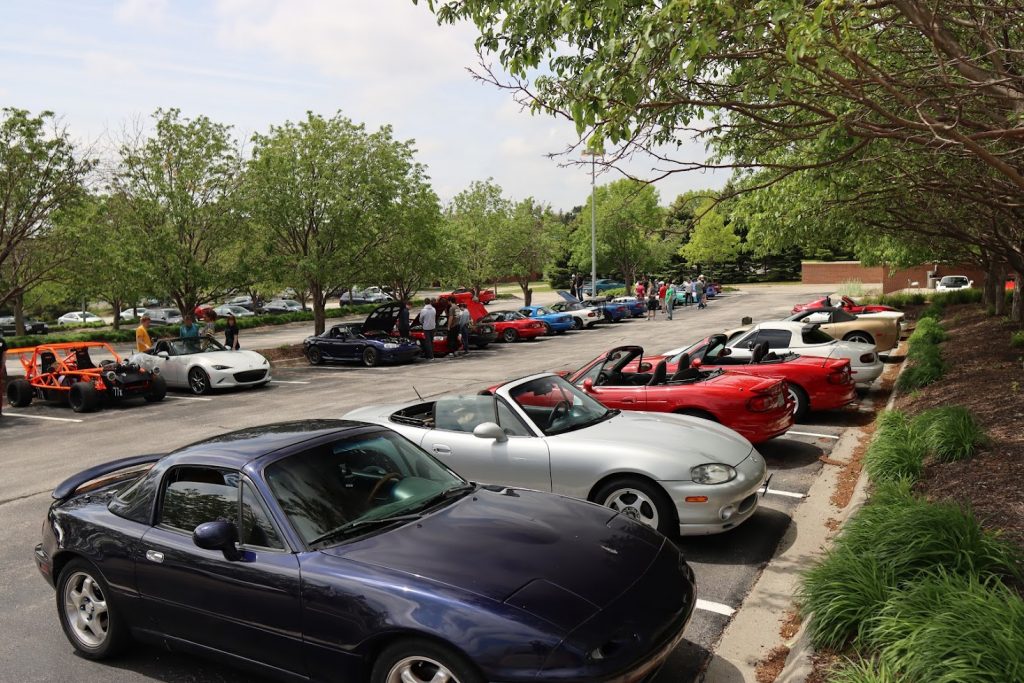
In May, the project expanded into the social and networking spheres of the automotive world. Participation in local Miata-specific car meets allowed for a comparative analysis of different builds, ranging from stock daily drivers to high-output turbocharged and supercharged variants. These interactions often serve as a vital resource for technical troubleshooting and part selection within the niche community.
Phase II: Exhaust Dynamics and Aesthetic Rebranding
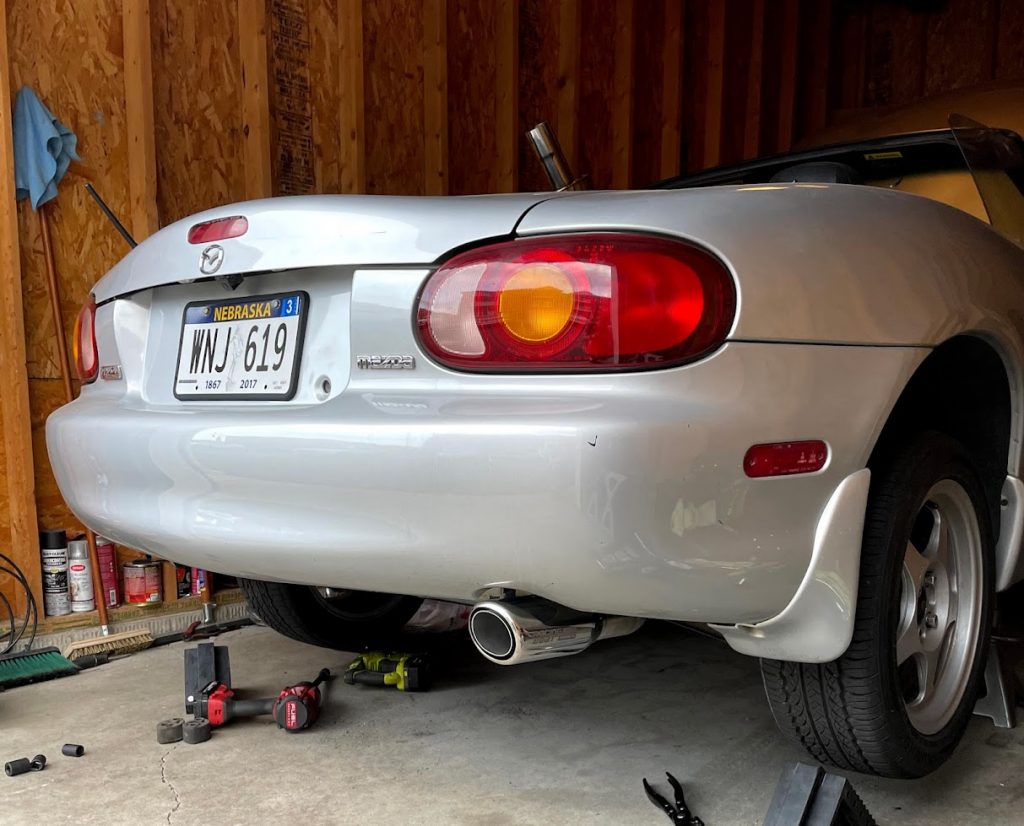
The second phase of the project (June through August 2021) shifted toward performance enhancement and visual identity. In June, the vehicle’s original exhaust system, which had begun to exhibit rust and triggered various catalytic converter-related diagnostic codes, was entirely removed. In its place, a multi-component aftermarket system was installed to improve engine respiration and acoustics.
The upgraded exhaust suite consisted of:
- Raceland Header: Designed to improve exhaust flow directly from the cylinder head.
- Cobalt Midpipe: Providing a clear path for exhaust gases while maintaining structural rigidity.
- Racing Beat Power Pulse Muffler: Selected for its ability to provide a deeper tone without exceeding noise regulations for public roads.
Despite these upgrades, the installation highlighted the complexities of modern-classic maintenance, as the failure to reconnect the Exhaust Gas Recirculation (EGR) pipe led to persistent engine management codes. This served as a technical reminder of the balance required between performance modifications and factory emissions systems.
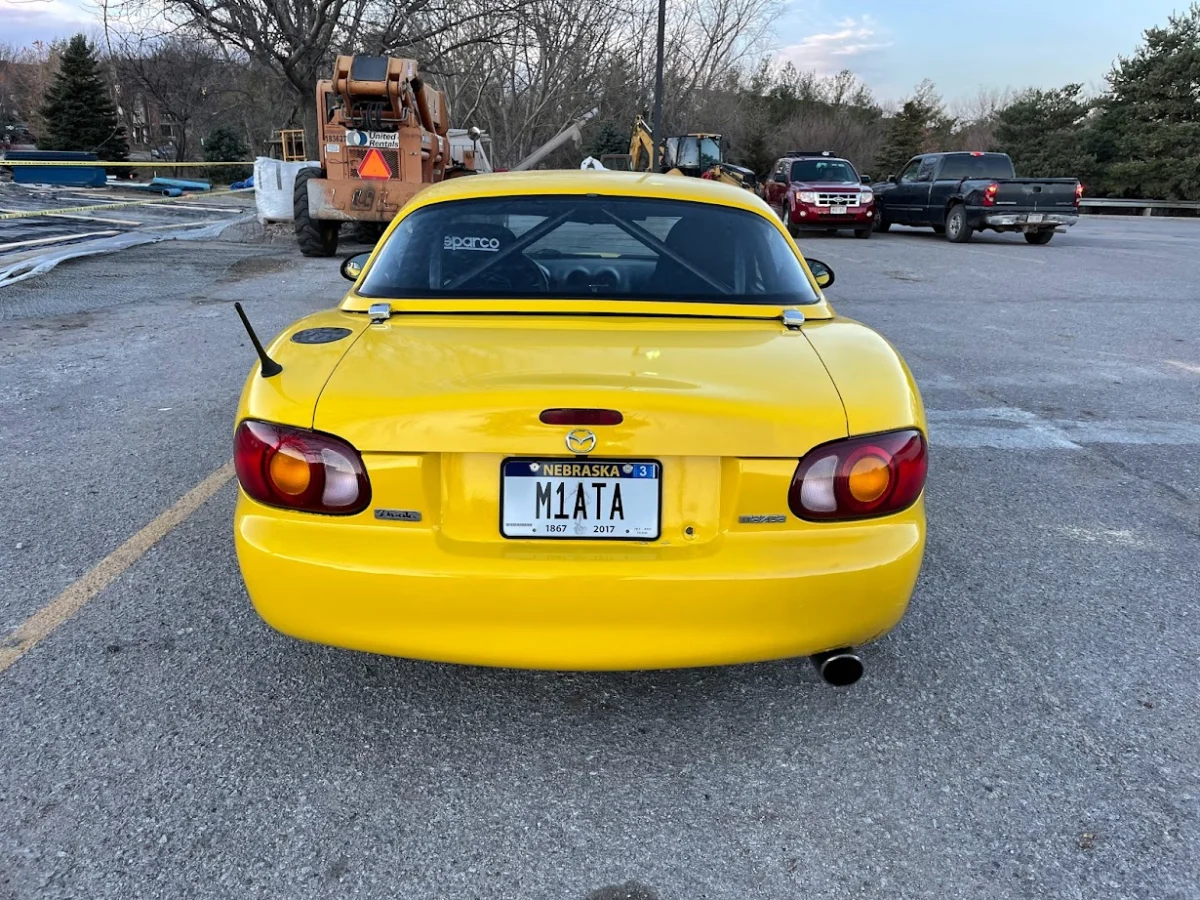
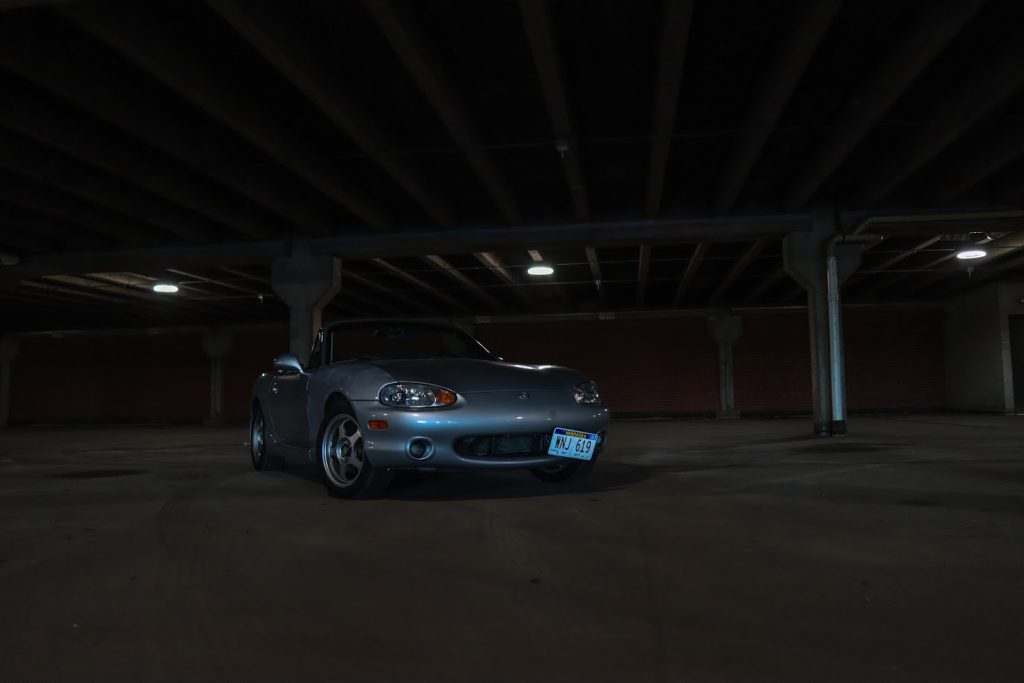
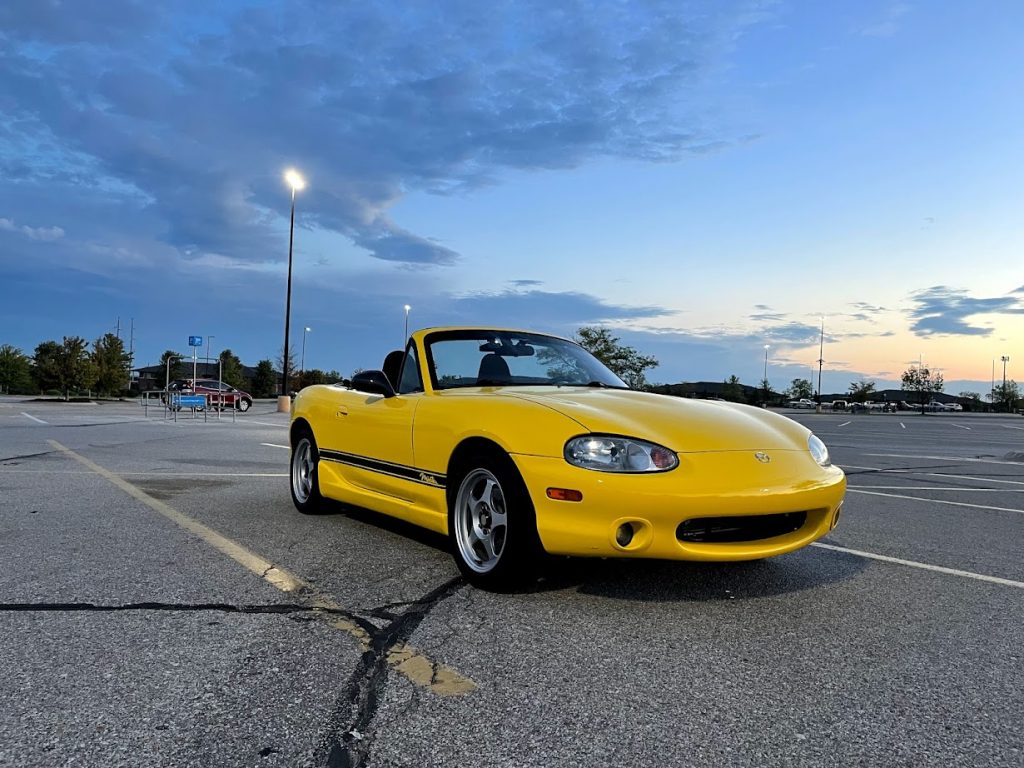
Visually, the car underwent a radical transformation in July and August. Originally finished in silver, the vehicle was prepared for a full vinyl wrap. To ensure a smooth application, a damaged front fender was replaced and "rattle can" painted to create a uniform surface. The final choice of a yellow wrap not only provided a distinct visual profile but also aligned with the historically vibrant color palettes offered by Mazda’s specialized "M-Edition" or "Blazing Yellow" special releases.
Phase III: Performance Testing and Competitive Entry
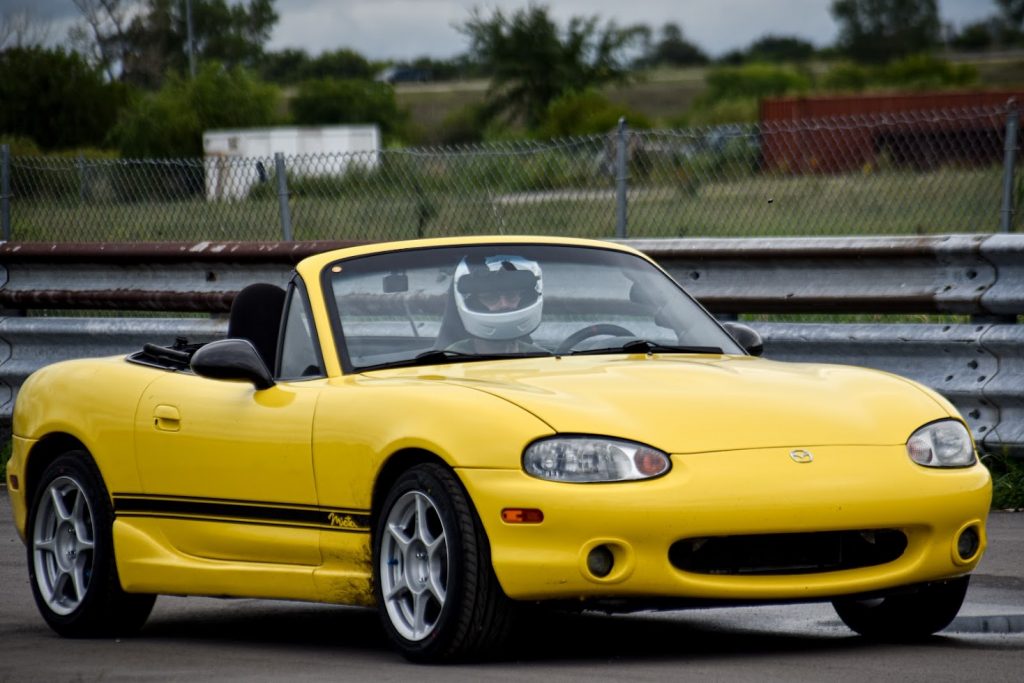
By September 2021, the vehicle was prepared for its first high-performance driving event (HPDE). The project’s first track day took place at Raceway Park of the Midlands. This event served as the ultimate stress test for the cooling system and brake components. Track data indicates that the Miata platform excels in "momentum driving," where maintaining cornering speed compensates for lower straight-line acceleration.
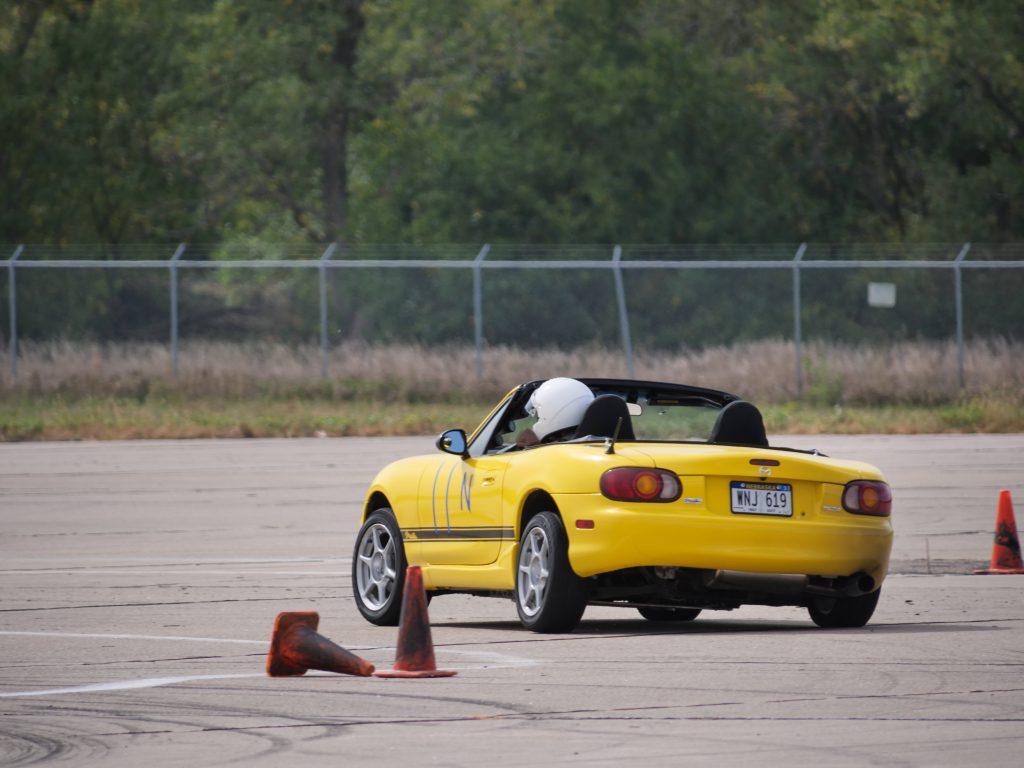
In October, the owner transitioned to autocross, a discipline focused on low-speed precision and handling through a course defined by pylons. Autocross represents a lower-cost entry point into motorsports, emphasizing driver skill and suspension tuning. These competitive outings provided the data necessary to plan the next round of mechanical upgrades, particularly regarding suspension damping and roll stiffness.
Phase IV: Winter Overhaul and Safety Standardization
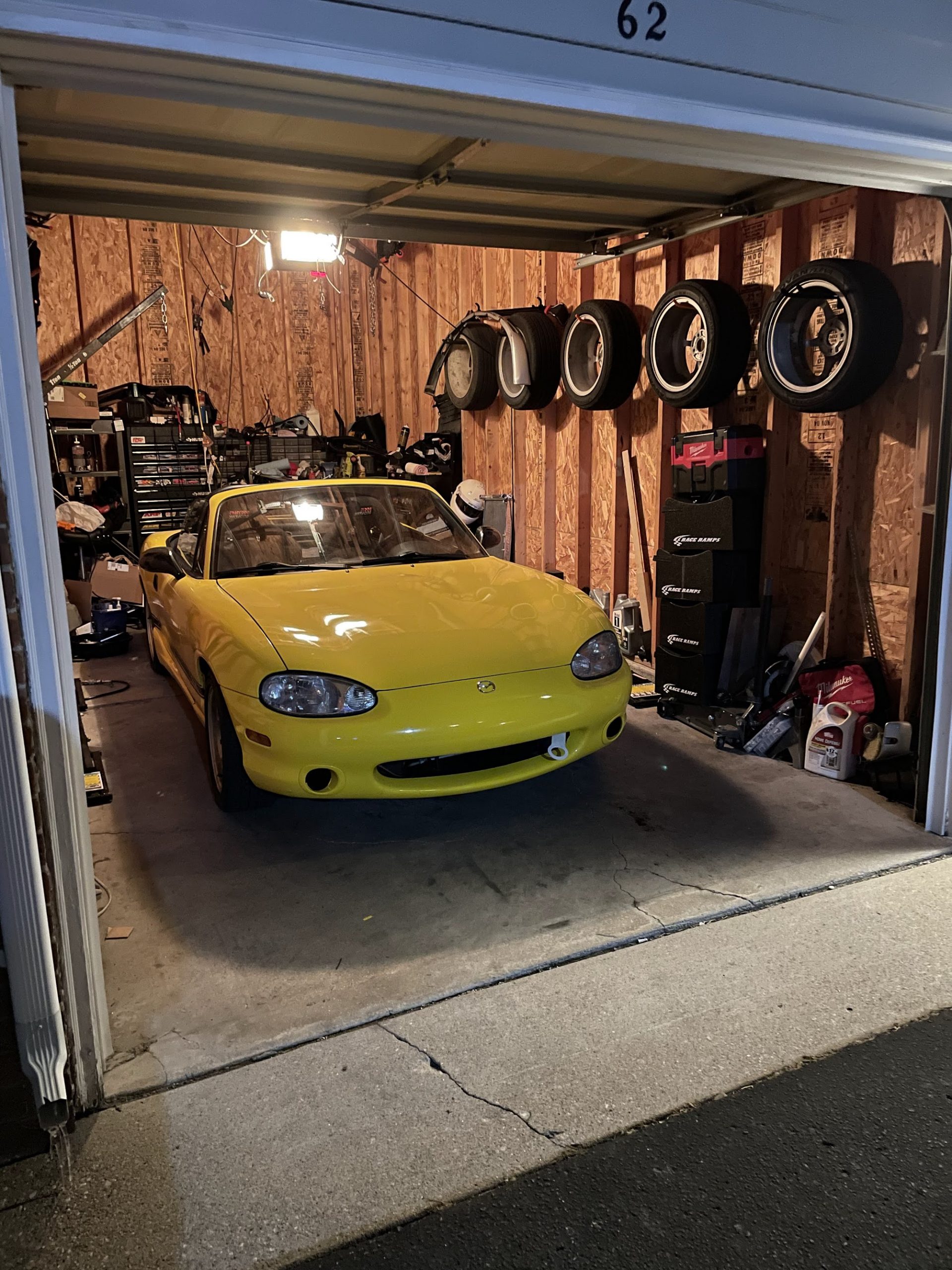
The final quarter of the first year (November 2021 through February 2022) was defined by seasonal adaptation and deep-mechanical overhauls. Located in Nebraska, the project faced the environmental challenge of salted roads, which are notoriously corrosive to the NB Miata’s chassis. To preserve the structural integrity of the frame and quarter panels, the vehicle was largely retired from road use during the peak winter months.
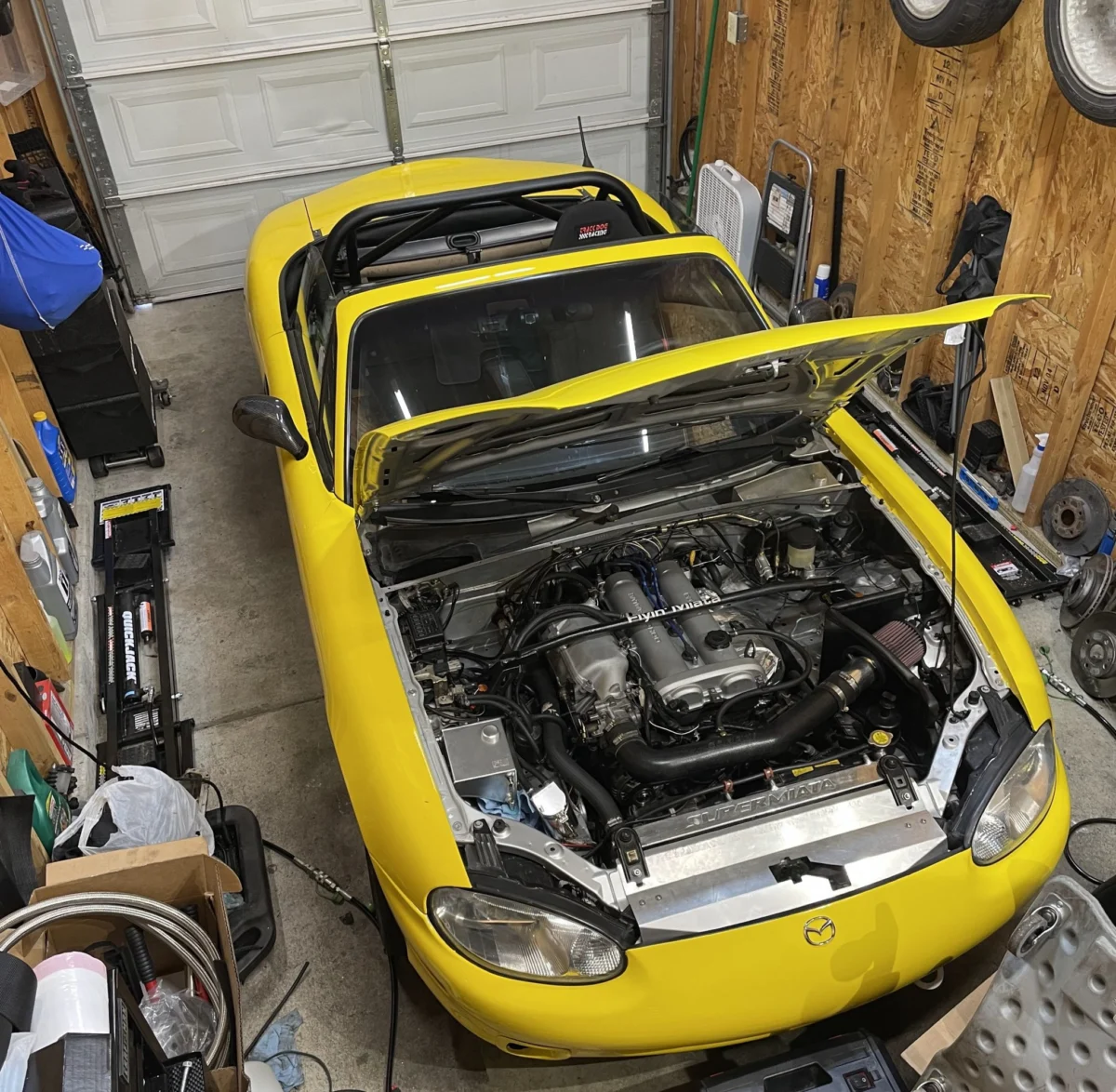
This downtime allowed for a "suspension refresh" in December and an "engine-out" service in January. The engine removal was necessitated by several critical factors:
- Rear Main Seal Leak: A common failure point in high-mileage BP engines that requires separation of the engine and transmission.
- Stripped Oil Drain Plug: Requiring repair or replacement of the oil pan.
- Coolant Reroute Installation: A vital modification for Miatas used on track, which improves the flow of coolant to the rear of the engine block, preventing localized overheating in the fourth cylinder.
As the project entered February 2022, the focus shifted to cabin safety and ergonomics. To comply with track safety regulations and the "broomstick test" (which requires a driver’s helmet to be below the line between the roll bar and the windshield frame), the owner installed Track Dog Racing UltraShield Rally Sport seats. These were paired with 6-point harnesses, a fire extinguisher, and a Head and Neck Support (HANS) device.
The year concluded with a transition from professional shop services to DIY precision. Rather than utilizing a traditional tire shop, the owner performed a "string alignment" to set the vehicle’s camber, caster, and toe. While less technologically advanced than laser systems, DIY alignments allow for frequent adjustments based on specific track conditions and driver feedback.
Broader Impact and Conclusion
The first twelve months of this NB Miata project illustrate a broader trend in the automotive world: the shift from "disposable" used cars to "curated" project vehicles. The owner’s investment in safety gear and mechanical cooling indicates a growing awareness among enthusiasts regarding the longevity of internal combustion engines and the importance of professional-grade safety in amateur racing.
From a technical standpoint, the project confirms that the NB Miata remains one of the most accessible platforms for mechanical education. The ability to perform engine-out services in a residential garage and the availability of a robust aftermarket support system ensure that these vehicles will remain a fixture on tracks for years to come.
As the project enters its second year, the foundation of reliability, safety, and aesthetic distinction has been firmly established. The transition from a stock 2000 model to a specialized "M1ATA" (as noted on the vehicle’s vanity plates) serves as a blueprint for the modern enthusiast: prioritize the baseline, invest in safety, and utilize data from competitive events to drive the evolution of the machine. The journey of this yellow NB Miata continues to be a testament to the enduring philosophy that, for many in the driving community, the Miata is indeed the answer to the search for a pure, engaging automotive experience.