Retno Hari Mulyono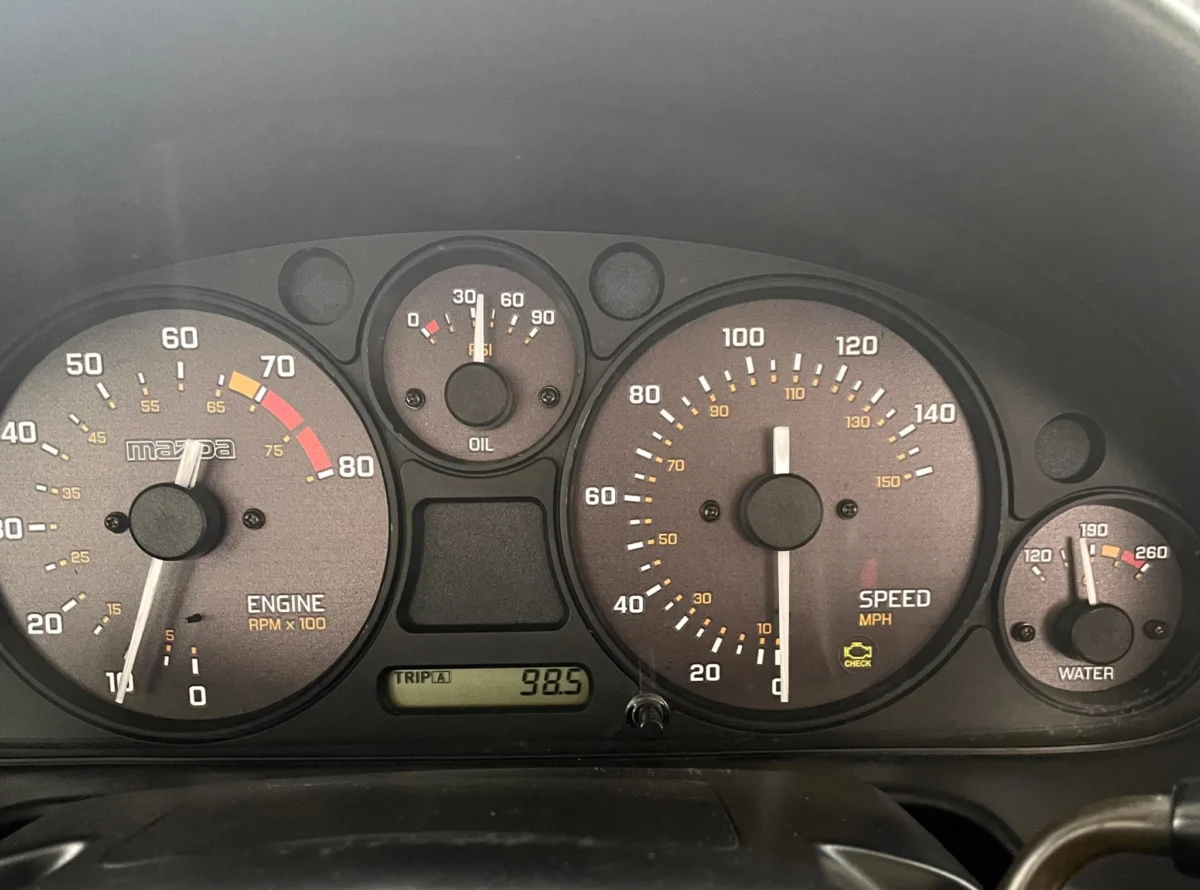
The second-generation Mazda MX-5, known internally as the NB, remains a cornerstone of the global enthusiast community, praised for its mechanical simplicity and balanced chassis. However, as these vehicles age and are increasingly repurposed for high-performance applications such as autocross and track days, the limitations of the factory instrumentation have become a focal point for technical upgrades. While the original dashboard design provided a clean, analog aesthetic, it lacked the precision required for monitoring engine health under strenuous conditions. This has led to a significant shift in the aftermarket landscape, moving away from intrusive auxiliary pods toward integrated digital solutions and bespoke analog faces that maintain the vehicle’s original design language while providing modern telemetry.
The Technical Limitations of Factory NB Instrumentation
The factory gauge cluster in the Mazda NB Miata, produced between 1998 and 2005, utilizes a five-gauge layout that appears comprehensive but is functionally restricted. The primary concern for performance drivers lies in the oil pressure and coolant temperature gauges, which function more as buffered indicators than precision instruments.
In the stock configuration, the oil pressure gauge operates as a "dummy" gauge. Unlike the early NA6 models (1989–1993), which featured a linear, functioning oil pressure sender, the NB utilizes a basic pressure switch. This switch is calibrated to trigger at approximately 7 PSI; once this threshold is met, the needle moves to a fixed middle position and remains static regardless of actual pressure fluctuations. Consequently, a driver cannot monitor the critical pressure drops that may occur during high-G cornering or as oil thins at elevated temperatures. By the time the needle drops to zero, catastrophic engine damage is often imminent.
Similarly, the factory coolant temperature gauge is heavily damped. It is designed to stay in a centered "normal" position across a wide temperature range—typically between 165°F and 210°F. This "dead zone" prevents the driver from seeing gradual temperature creeps during spirited driving, only moving toward the red zone once the engine is already nearing an overheat condition. For the enthusiast seeking to preserve the longevity of the BP-series engine, these factory components are insufficient for real-time diagnostics.
The Evolution of Auxiliary Gauge Solutions
Historically, Miata owners addressed these deficiencies by installing auxiliary gauges. The most common method involved the use of A-pillar pods, which could house two or three 52mm gauges. While this solution provided the necessary data—such as vacuum/boost, oil temperature, and battery voltage—it introduced significant ergonomic and safety trade-offs.
Automotive engineers and track safety inspectors have frequently noted that A-pillar pods can create substantial forward-visibility blind spots. In tight, technical environments like autocross courses or narrow mountain passes, these obstructions can hinder a driver’s ability to hit apexes accurately. Furthermore, the installation of these pods often requires "sandwiching" aftermarket plastic over the factory trim, leading to poor fitment and a cluttered interior aesthetic. The resulting "bird’s nest" of wiring required to power multiple individual gauges also poses a challenge for clean interior management and long-term reliability.
Integrating Modern Telemetry: The CANchecked MFA 2.0
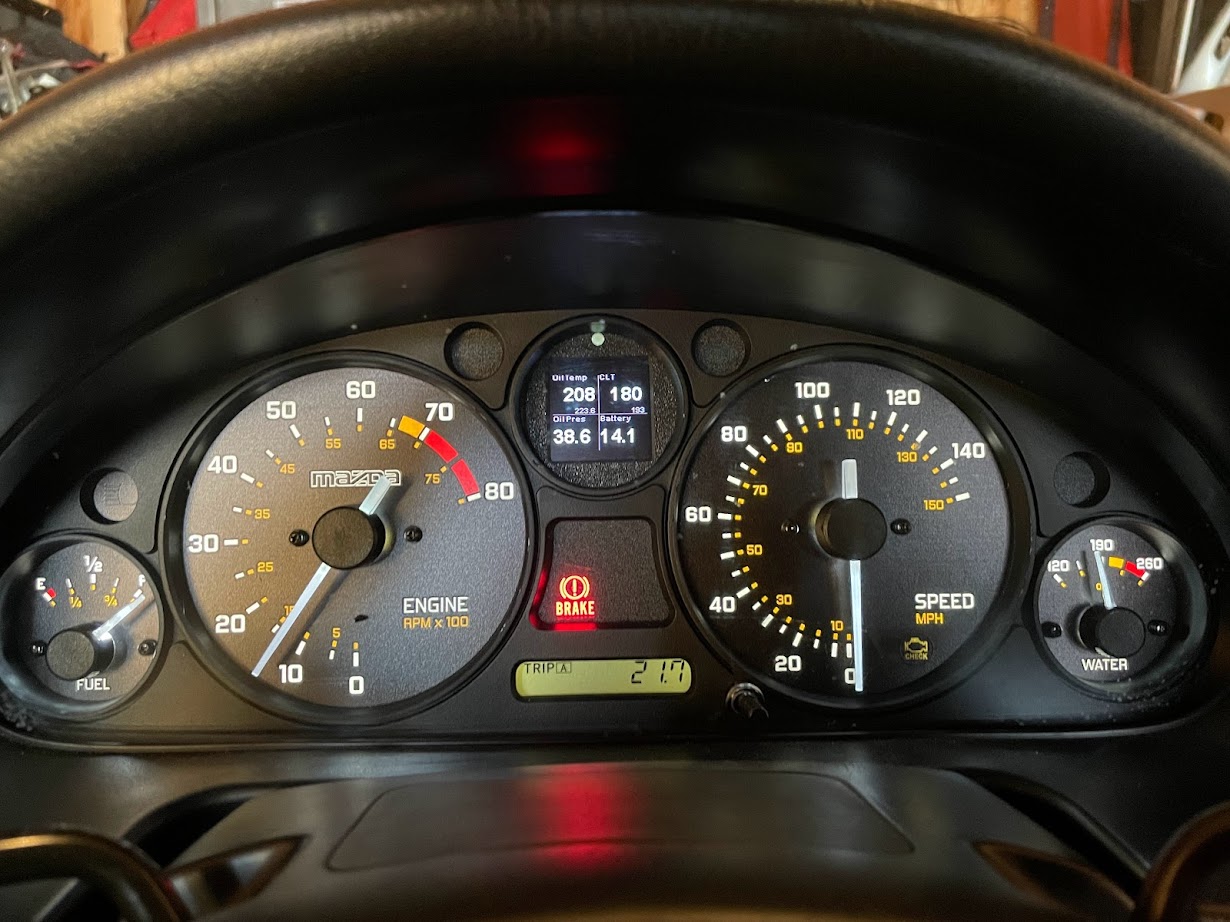
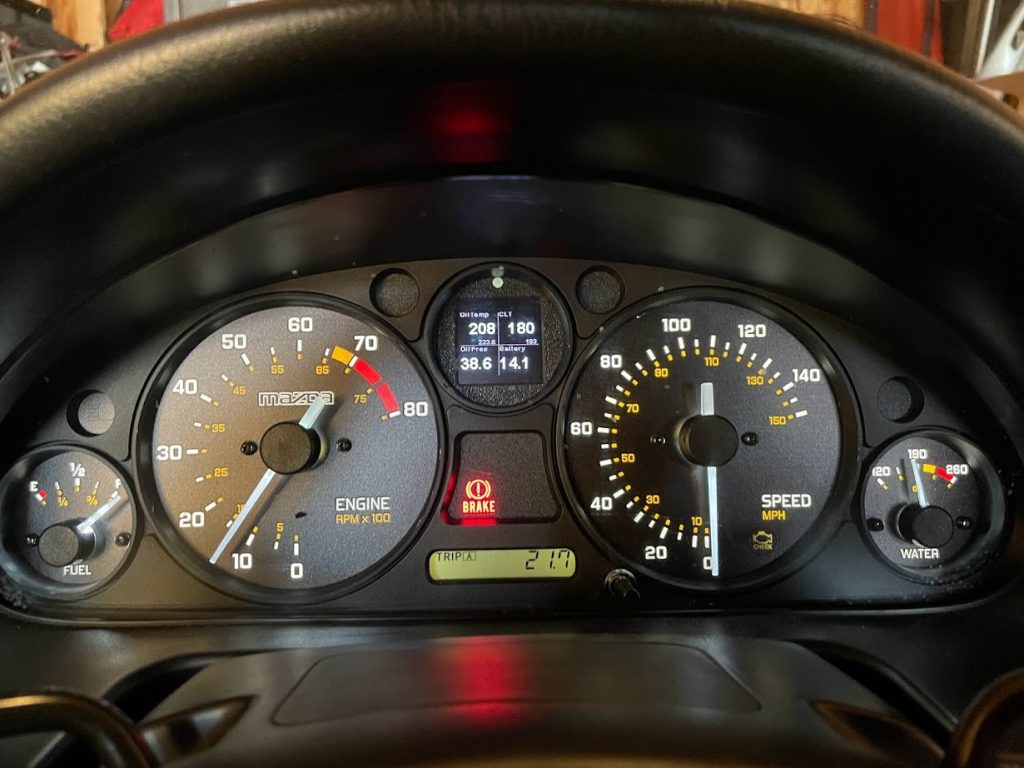
As the "Restomod" movement gains momentum within the Japanese Domestic Market (JDM) car scene, more integrated solutions have emerged. The CANchecked MFA 2.0 multifunction display represents a paradigm shift in how data is presented in the Miata cockpit. Rather than adding external pods, this device is designed to replace the factory oil pressure gauge within the existing cluster housing.
The MFA 2.0 is a high-resolution LCD that interfaces with the vehicle through two primary channels: the Controller Area Network (CAN bus) and direct analog inputs. Because the factory NB ECU does not natively support CAN bus output, this upgrade is typically paired with a standalone Engine Management System (EMS), such as the Megasquirt MS3 or Haltech Elite. These ECUs can be configured to broadcast a wide array of engine data—including Intake Air Temperature (IAT), Air-Fuel Ratio (AFR), and Manifold Absolute Pressure (MAP)—directly to the CANchecked display.
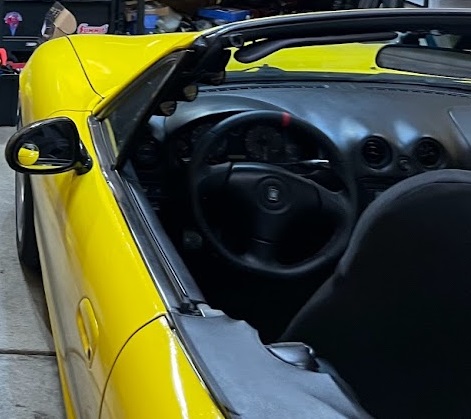
For parameters not covered by the ECU, the device provides four analog inputs. This allows for the integration of high-precision NTC (Negative Temperature Coefficient) sensors for oil and coolant monitoring. The primary advantage of this system is its versatility; the screen can be configured to display up to six parameters simultaneously across multiple user-defined dashboards. This level of data density allows the driver to maintain a "factory-plus" look while having access to professional-grade telemetry. However, field reports indicate that while the display is highly functional, readability can be compromised in direct sunlight—a notable consideration for owners of convertible models.
Aesthetic Refinement through RevLimiter Custom Instrumentation
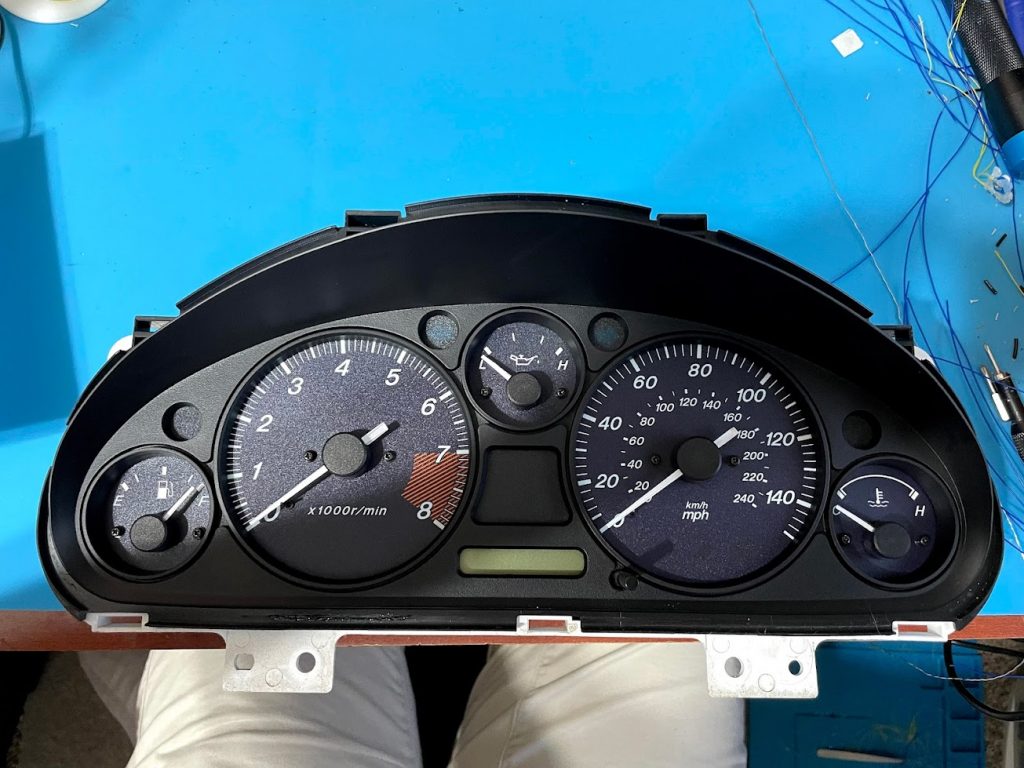
While digital integration solves the data problem, the visual appeal of the cluster remains a priority for many owners. The aftermarket has seen a surge in demand for high-quality, "OEM-plus" gauge faces that honor the car’s heritage. RevLimiter, a prominent manufacturer in the Miata community, has set the standard for these modifications.
The "JNC" (Japanese Nostalgic Car) design is a popular choice for the NB platform, drawing inspiration from classic 1960s and 70s Japanese sports cars. These faces are engineered to meet or exceed original equipment manufacturer (OEM) standards, utilizing multi-layer printing to ensure even light distribution and durability.
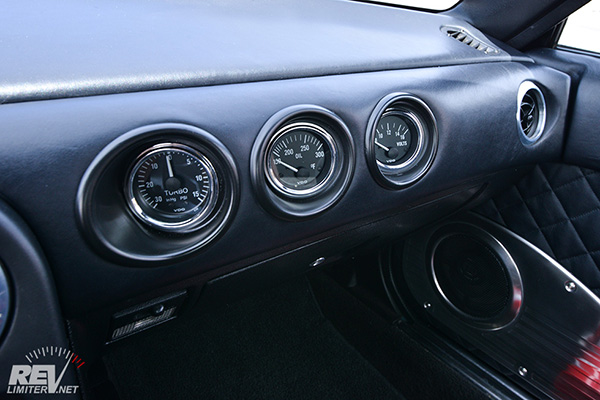
A critical component of the aesthetic upgrade involves the lighting system. The factory NB cluster uses incandescent bulbs with green "condoms" or filters to achieve its signature glow. Modern builders frequently replace these with high-output white LEDs, which, when paired with custom RevLimiter faces, provide a crisp, modern illumination that improves night-time legibility without looking out of place in a vintage interior. The installation process, while delicate, allows for the recalibration of needles, ensuring that the speedometer and tachometer remain accurate despite the changes in hardware.
Chronology of an Instrumentation Overhaul
The transition from a stock setup to a fully modernized cluster typically follows a specific technical timeline:
- Baseline Evaluation: Assessing the health of the factory sensors and identifying the "blind spots" in the stock telemetry.
- EMS Installation: Upgrading to a standalone ECU (e.g., Megasquirt) to enable CAN bus communication.
- Sensor Integration: Installing high-accuracy linear sensors for oil pressure and temperature, often requiring the use of oil filter sandwich plates or tapped oil galleries.
- Cluster Disassembly: Removing the factory cluster and carefully extracting the dummy oil pressure gauge and factory faces.
- Digital/Analog Hybrid Assembly: Mounting the CANchecked LCD into the OPG (Oil Pressure Gauge) slot and applying the RevLimiter JNC faces to the remaining analog dials.
- Configuration and Calibration: Programming the CAN bus protocols to ensure the LCD correctly interprets the ECU data and calibrating the analog needles for accuracy.
Broader Implications for the Enthusiast Market
The move toward integrated, high-data-rate instrumentation in older vehicles reflects a broader trend in the automotive aftermarket. As cars like the NB Miata transition from "used cars" to "modern classics," owners are less willing to compromise on interior ergonomics.
The shift toward data-driven driving is also evidenced by the increasing adoption of professional loggers like the RaceCapture/Pro. These devices go beyond simple engine monitoring, incorporating high-frequency GPS (25Hz) and 6-axis accelerometers. By logging CAN bus data alongside chassis dynamics—such as brake pressure, throttle position, and wheel speed—drivers can perform detailed post-session analysis to improve lap times and vehicle setup.
Industry analysts suggest that the market for these "invisible" upgrades will continue to grow. As owners seek to balance the analog soul of the Miata with the performance requirements of modern track environments, the integration of digital displays into classic housings offers a compelling solution. It preserves the driver’s connection to the machine while providing the transparency needed to push the vehicle to its absolute mechanical limits.
Conclusion
The modernization of the Mazda MX-5 NB gauge cluster is more than a cosmetic endeavor; it is a necessary evolution for a vehicle that continues to punch above its weight in competitive motorsports. By replacing ineffective factory "dummy" gauges with high-resolution LCDs and precision-engineered analog faces, enthusiasts are effectively bridging the gap between 1990s mechanical simplicity and 21st-century data science. This approach ensures that the Miata remains a viable, safe, and highly communicative platform for years to come, allowing drivers to monitor the heartbeat of their machines with unprecedented clarity.