Chalid Lutfie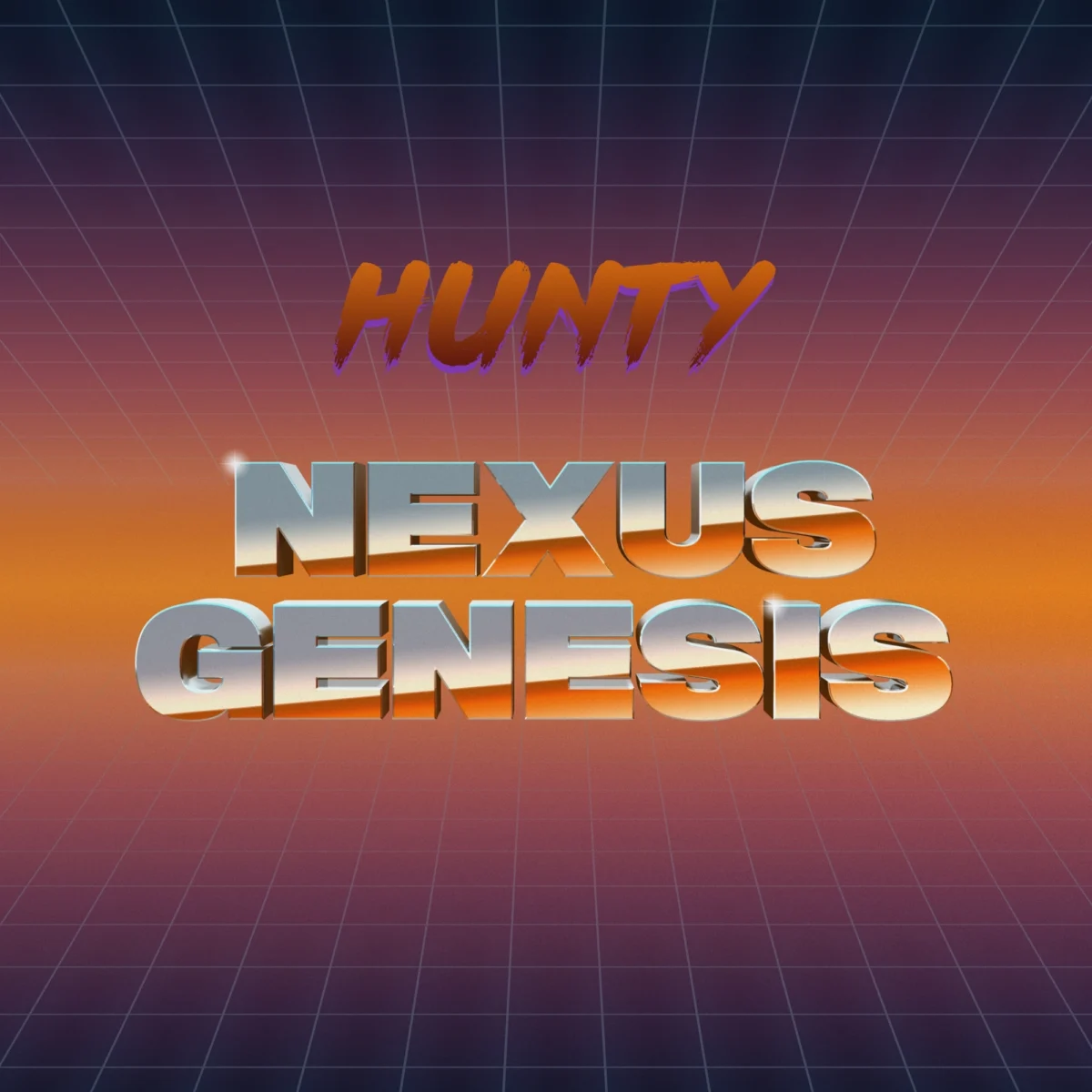
The digital music label Ubiktune has officially announced the release of Nexus Genesis, the debut studio album from composer Hunter Bridges, known professionally as Hunty. This release represents the culmination of a nine-year creative journey, serving as the definitive soundtrack for Sonic Nexus, a high-profile fan-led video game project that played a pivotal role in the modern history of the Sonic the Hedgehog franchise. The album is framed not only as a collection of game music but as a technical homage to the 16-bit era of synthesis, specifically the FM synthesis architecture that defined the Sega Genesis console.
Historical Context and the Genesis of Sonic Nexus
The origins of Nexus Genesis trace back to the summer of 2006, a period of significant activity within the amateur game development community. Sonic Nexus began development under the leadership of Brad Flick, known in the community as Slingerland, and eventually grew to include a team of dedicated artists and programmers. At its inception, the project was intended to be a "fan game"—a non-commercial tribute to the classic 2D Sonic titles of the early 1990s.

During this era, the Sonic fan community was primarily centered around platforms such as Sonic Fan Games HQ (SFGHQ) and the Sonic Amateur Games Expo (SAGE). These hubs served as incubators for talent, where young developers experimented with reverse-engineering game engines and creating original assets. Hunter Bridges joined the project in 2006, tasked with creating an original score that could match the aesthetic quality of the official Sega releases.
At the time, the technical limitations of the internet necessitated the use of MIDI files for game music to keep file sizes manageable for dial-up users. However, as broadband adoption increased, Bridges and the Nexus Team transitioned to full-resolution waveform audio. This shift allowed for a more complex layer of sound design, moving the project away from simple arrangements toward a professional-grade production standard.
The Intersection of Fan Development and Professional Industry
The trajectory of Sonic Nexus is inextricably linked to the professional career of Christian Whitehead, also known as "The Taxman." Whitehead was a key collaborator on the project, providing his proprietary "Retro Engine"—a custom-built framework designed to replicate the physics and visual capabilities of the Sega Genesis with modern precision.

By 2008, the development of Sonic Nexus had reached a critical juncture. The team sought to migrate the game from the more restrictive "Sonic Worlds" engine in Multimedia Fusion to Whitehead’s Retro Engine. This move promised a level of gameplay authenticity that was previously unattainable in the fan scene. However, by 2010, the landscape of the project changed permanently.
Christian Whitehead produced a proof-of-concept video showing a version of Sonic CD running on the Retro Engine on an iPhone. This demonstration caught the attention of SEGA’s corporate leadership. In a rare move for the gaming industry, SEGA opted to hire Whitehead to lead official remakes of Sonic CD, Sonic the Hedgehog, and Sonic the Hedgehog 2 for modern platforms.
This professionalization of the project’s lead developer created a complex legal and ethical situation for the remaining members of the Nexus Team. To protect Whitehead’s burgeoning business relationship with SEGA and to avoid potential intellectual property conflicts, the decision was made to cease development on Sonic Nexus. The game, despite having multiple critically acclaimed demos and significant community momentum, was effectively shelved, leaving its substantial library of original music and art unreleased to the general public.

Technical Composition and FM Synthesis
The primary objective of Nexus Genesis was to capture the specific sonic signature of the Yamaha YM2612 sound chip, the hardware responsible for the music of the Sega Genesis. Hunter Bridges has cited Sonic the Hedgehog 3 as his primary influence, a soundtrack renowned for its complex arrangements and use of FM (Frequency Modulation) synthesis.
The process of achieving this "authentic" sound required years of technical study. Unlike modern sample-based composition, FM synthesis involves the modulation of carrier waves by operators, creating metallic, percussive, and harmonically rich textures that are difficult to replicate with standard digital tools. During his senior year of college, Bridges focused his academic efforts on FM synthesis, seeking a middle ground between the restrictive nature of traditional chiptune trackers and the flexibility of modern Digital Audio Workstations (DAWs).
In 2013, as a precursor to the album, Bridges released the "Sonic 3 & Knuckles FM8 Patch Collection." This was a set of digital instrument presets for the Native Instruments FM8 software, meticulously designed to emulate the exact patches used by SEGA’s internal composers in the 1990s. The completion of Nexus Genesis in 2015 utilized these technical breakthroughs to realize the Sonic Nexus score with a level of fidelity that Bridges felt was finally equal to the original hardware.

Timeline of Development
The following chronology outlines the nearly decade-long evolution of the project:
- Summer 2006: Sonic Nexus begins development under Brad Flick. Hunter Bridges joins as the primary composer.
- 2006–2008: Multiple demos are released to critical acclaim at the Sonic Amateur Games Expo (SAGE). Bridges transitions from MIDI-based composition to high-resolution audio using Cubase.
- 2008: The project moves to Christian Whitehead’s Retro Engine to improve gameplay physics.
- 2010: Sonic Nexus merges with other fan projects, Sonic XG and Retro Sonic, to consolidate resources.
- Late 2010: Christian Whitehead is hired by SEGA following the success of his Sonic CD mobile pitch. Development on Sonic Nexus is officially halted to avoid IP complications.
- 2013: Hunter Bridges releases the FM8 Patch Collection, providing the community with tools to replicate the 16-bit Sonic sound.
- August 16, 2015: Ubiktune officially releases Nexus Genesis, marking the formal conclusion of the project’s musical component.
Impact and Industry Implications
The release of Nexus Genesis serves as a case study in the longevity and cultural impact of fan-created content. While the game itself was never completed, the music has found a second life as a standalone commercial and artistic work. This reflects a broader trend in the video game industry where the lines between amateur "modding" communities and professional development continue to blur.
Industry analysts note that SEGA’s handling of the Sonic Nexus team—specifically the hiring of Christian Whitehead—represented a shift in how major publishers interact with their fan bases. Rather than issuing "Cease and Desist" orders, which is common practice for companies like Nintendo, SEGA chose to integrate top-tier fan talent into their official production pipeline. This strategy eventually led to the development of Sonic Mania (2017), a critically and commercially successful title that was developed largely by individuals who began their careers in the fan-game scene described by Bridges.

Furthermore, Nexus Genesis contributes to the preservation of a specific era of digital music theory. By documenting and utilizing the nuances of the YM2612 chip, Bridges has contributed to a niche but vibrant movement of "New Retro" composition that prioritizes technical accuracy over mere nostalgia.
Album Reception and Legacy
Nexus Genesis has been characterized as a "love letter" to the original composers of the 16-bit era, such as Masato Nakamura and the members of the SEGA Sound Team (SST). The album art, created by Daniel Warner Smith, and the inclusion of themes originally written for specific levels like "Pristine Palisade," provide a glimpse into what the completed game might have looked like.
For Hunter Bridges, the album represents the fulfillment of a personal promise made after the project’s cancellation in 2010. By partnering with Ubiktune, a label known for its curated selection of chiptune and video game-inspired music, the soundtrack has been granted a platform that extends beyond the immediate Sonic fandom.

The album stands as a testament to a unique period in digital history where a community of amateur creators, separated by geography but united by dial-up forums and a shared love for a 16-bit blue hedgehog, managed to influence the direction of a multi-billion dollar franchise. While Sonic Nexus may remain the "game-that-never-was," its auditory legacy is now firmly established in the digital landscape.