Retno Hari Mulyono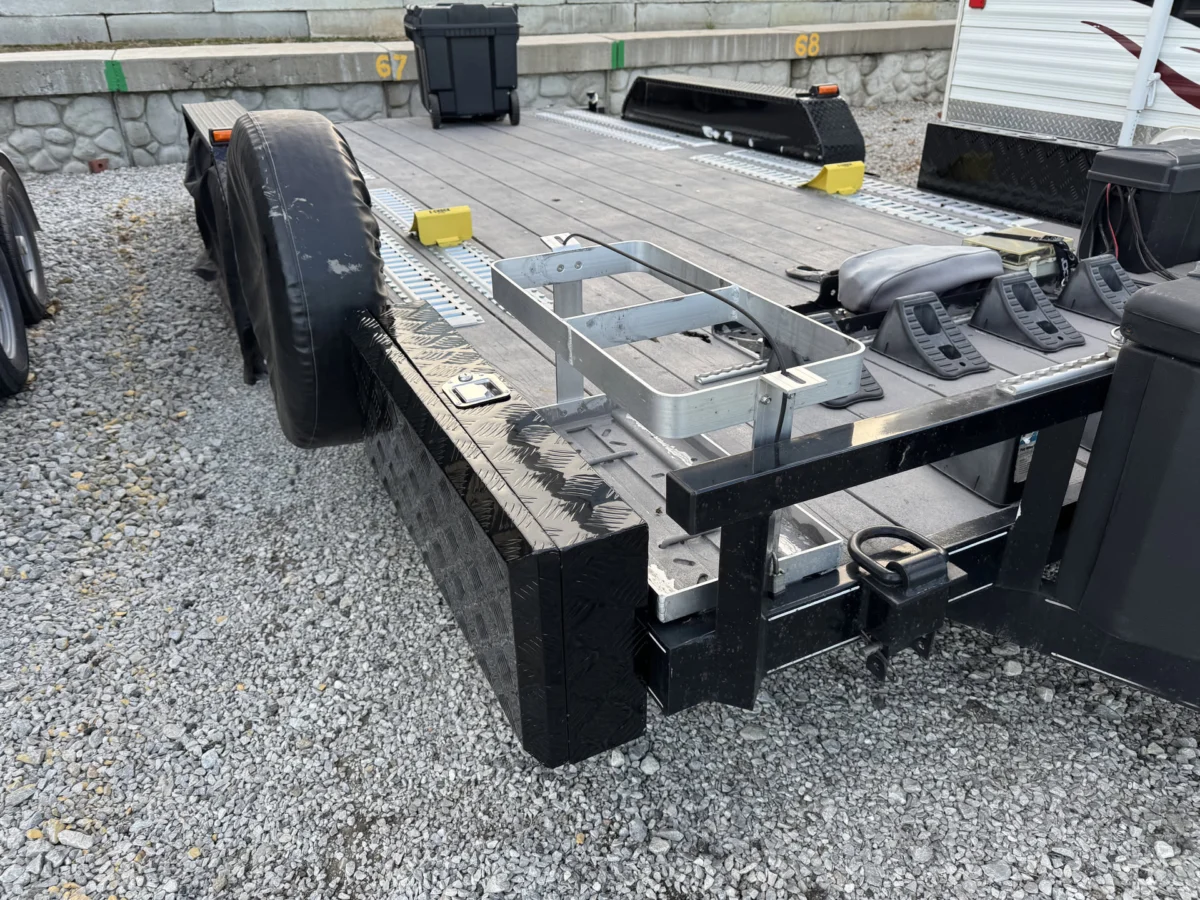
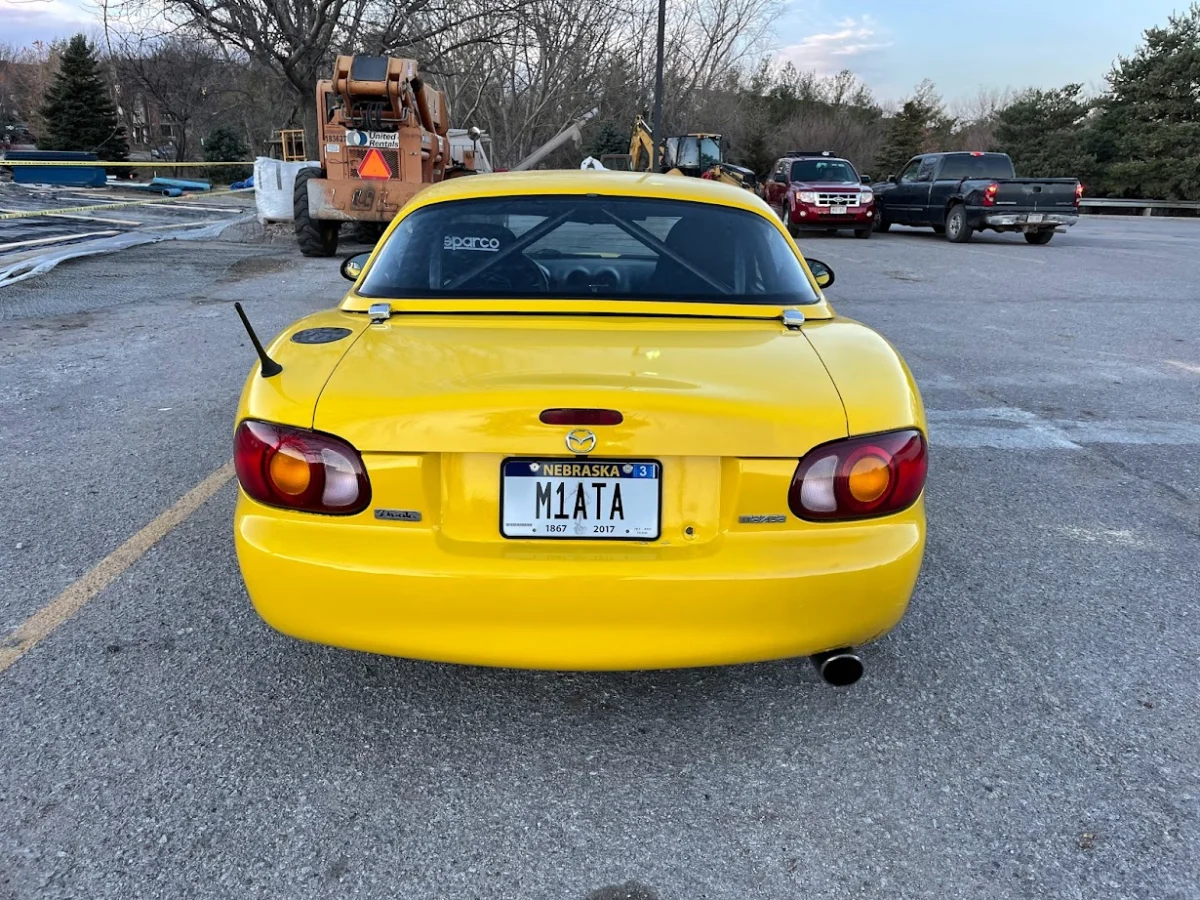
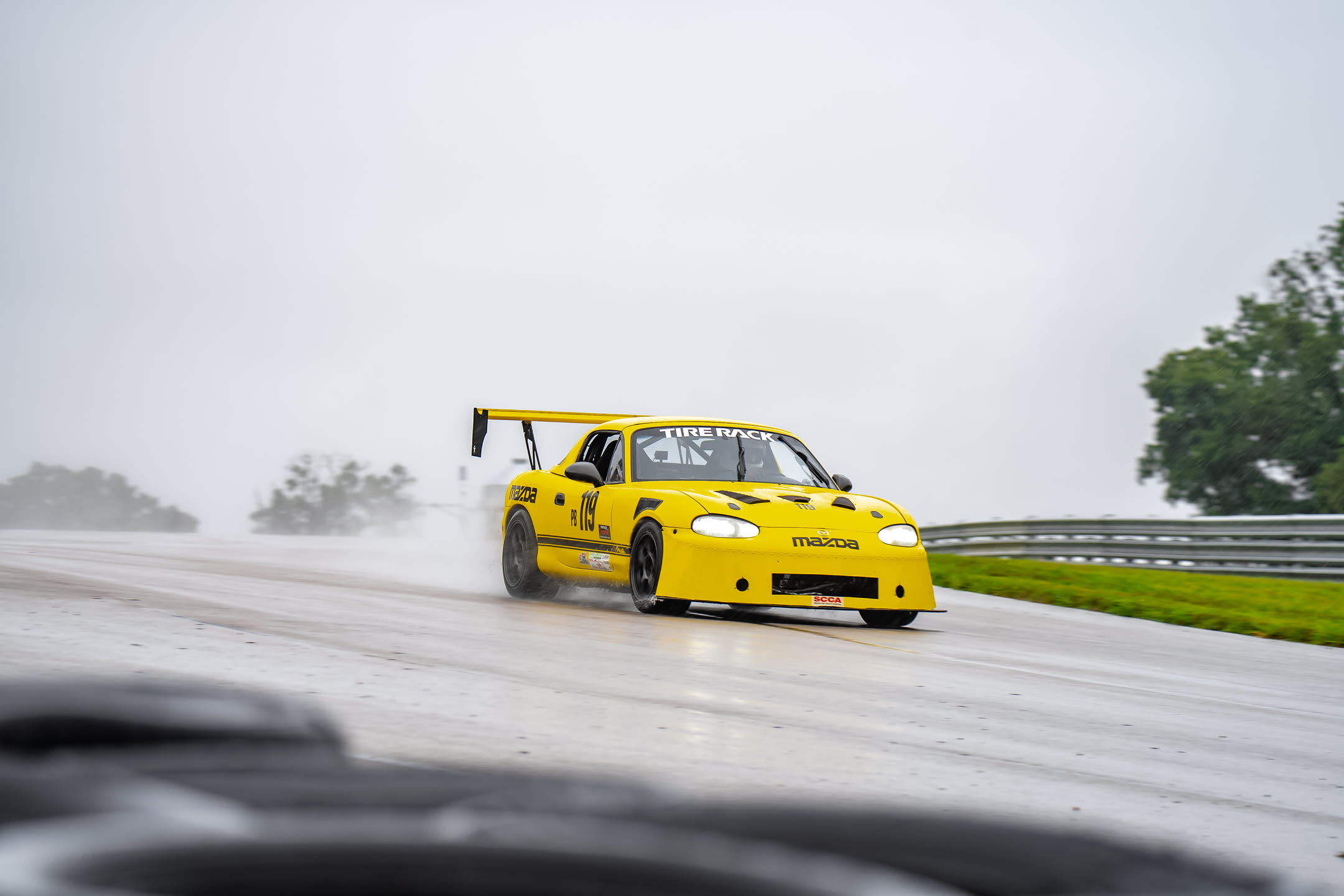
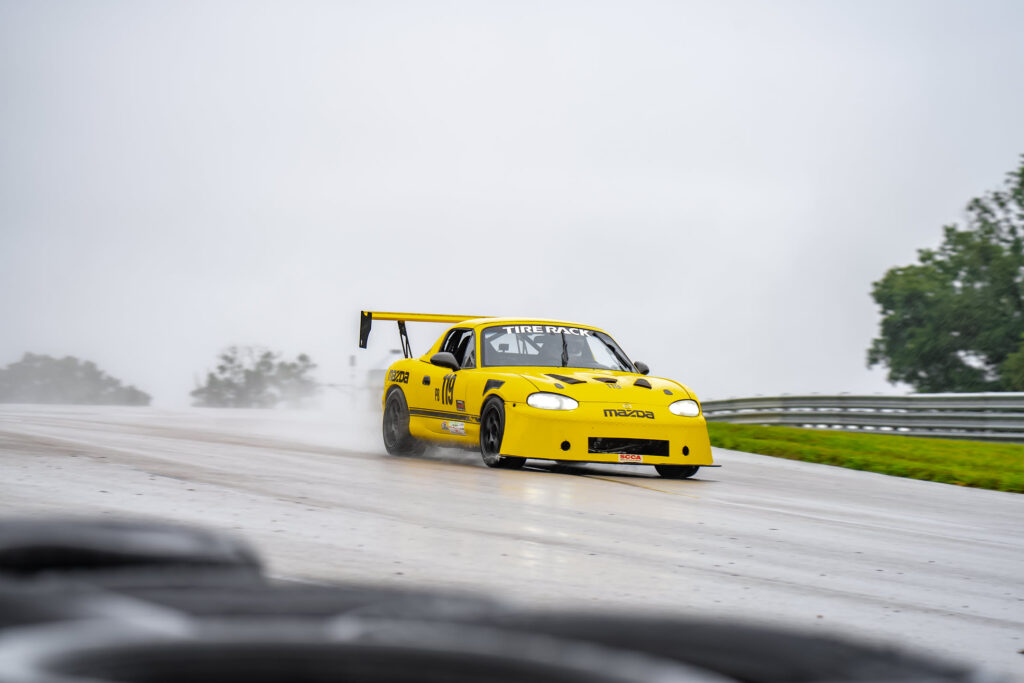
The fifth year of a dedicated Mazda NB Miata track development program concluded in February 2026, marking a significant transition from incremental modifications to major electronic and mechanical overhauls. This period, spanning from March 2025 to February 2026, saw the vehicle undergo rigorous testing across several Midwest racing circuits, including Hallett Motor Racing Circuit, Ozarks International Raceway, and High Plains Raceway. The year was defined by a pursuit of reliability following critical component failures, the integration of modern digital infrastructure, and a strategic expansion of the development fleet.
Technical Performance and Power Benchmarking
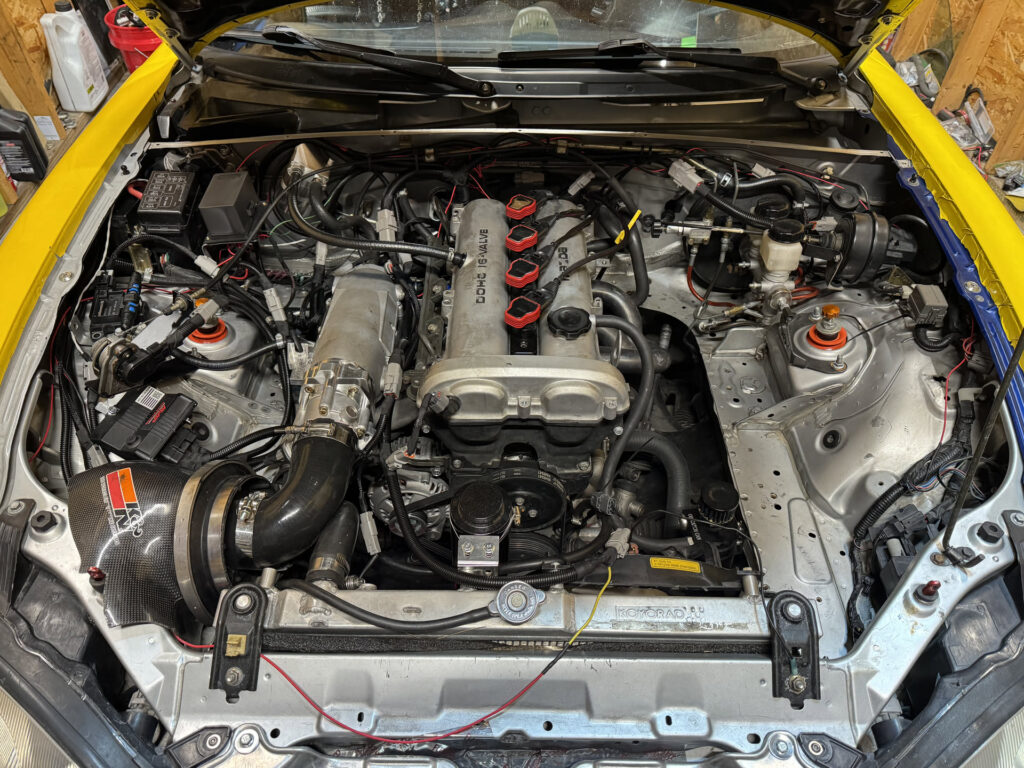
The 2025 racing season commenced with a standardized power assessment to establish a baseline for the Sports Car Club of America (SCCA) Midwest Division (MiDiv) Time Trials. The vehicle, a 2000 Mazda Miata (NB generation), was subjected to dynamometer testing to verify the impact of a newly installed Skunk2 intake manifold, which replaced the previous "square top" OEM manifold.
Testing conducted on a Dynojet chassis dynamometer yielded a peak output of 145.09 wheel horsepower (whp) and 129.67 lb-ft of wheel torque. This represents a substantial increase over the stock factory rating, which typically delivers approximately 115 whp when constrained by the original Electronic Control Unit (ECU). Longitudinal data from the previous two years showed readings of 133.27 whp and 136.11 whp on a different dynamometer, suggesting that while the new manifold and tuning have optimized the power band, variations in dyno calibration must be accounted for in competitive classing.
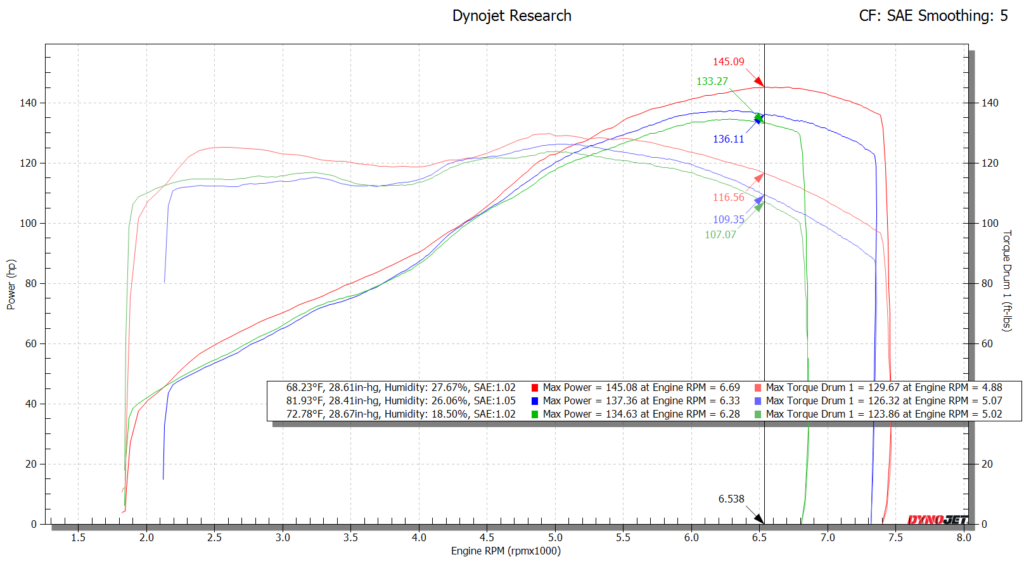
The data confirms that the combination of high-flow induction and the MS3Pro Evo standalone ECU has successfully pushed the naturally aspirated 1.8-liter BP-ZE engine toward the upper limits of its reliable performance envelope for regional time trial competition.
Chronology of Mechanical Failures and Reliability Engineering
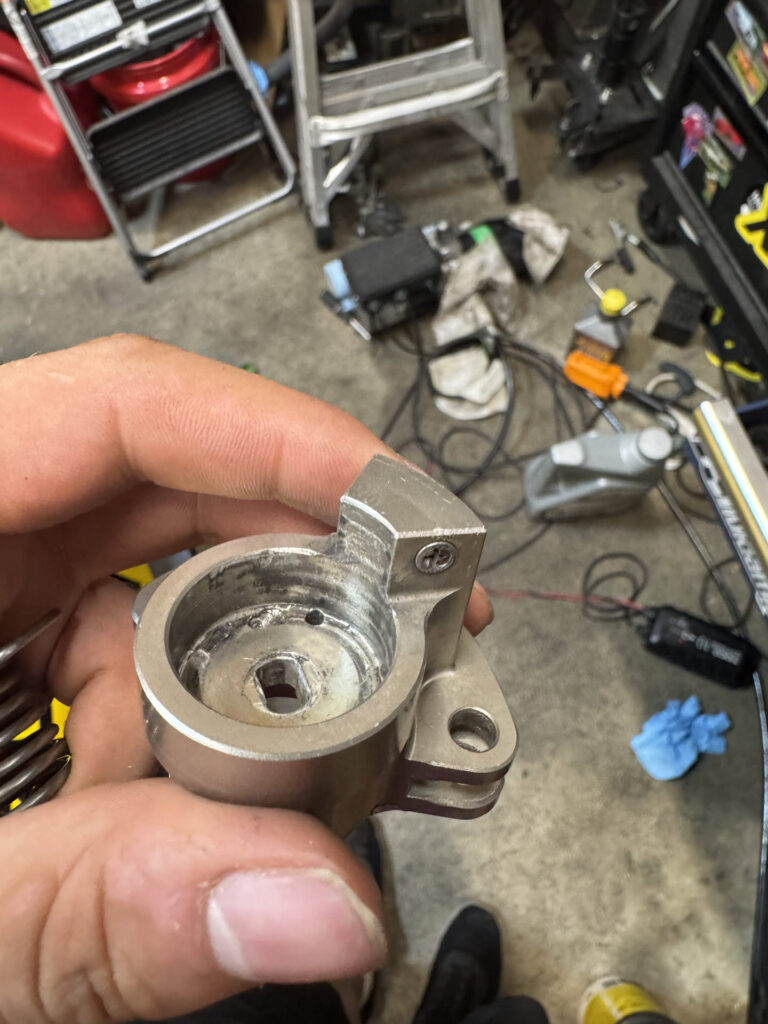
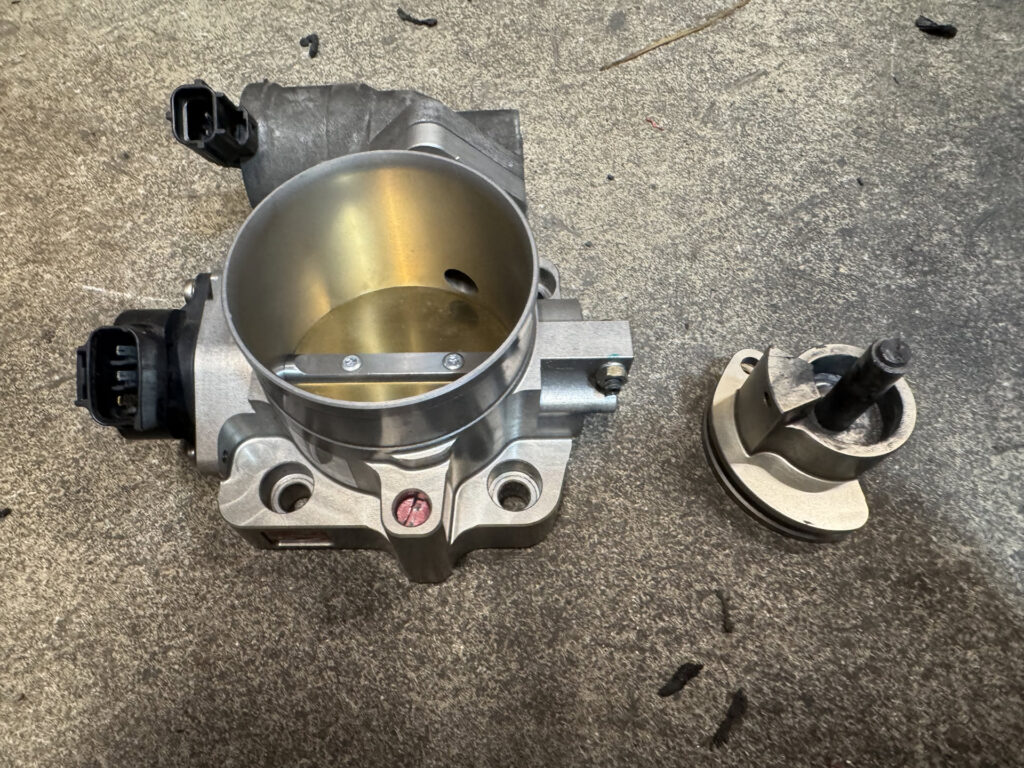
The second quarter of 2025 served as a critical test of the vehicle’s endurance. In May, during a testing session at I29 Speedway, the vehicle experienced a failure of the throttle return spring on the aftermarket Skunk2 throttle body. Despite the failure, the driver managed to complete the session by leveraging the vehicle’s braking system to overcome the engine’s torque—a maneuver that highlighted the inherent risks of mechanical throttle linkages in high-vibration environments.
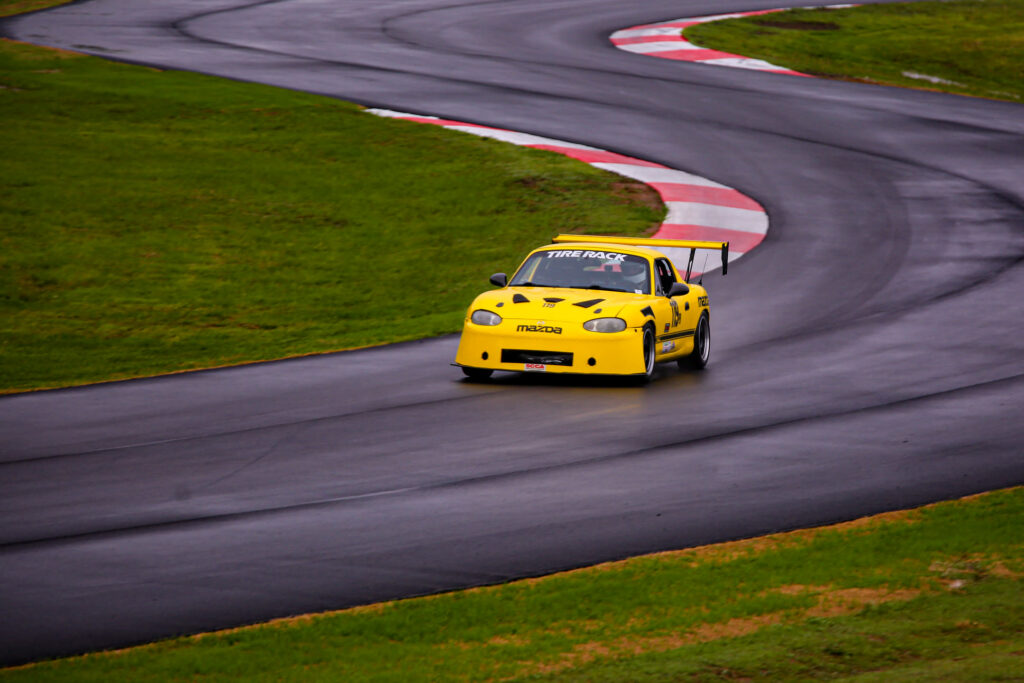
While a temporary repair allowed for the completion of the event, a secondary and more catastrophic failure occurred in August 2025 at High Plains Raceway. During a timed lap, the throttle body shaft sheared completely. This failure resulted in a total loss of power and required the vehicle to be towed from the circuit. Critically, the failure occurred on the external portion of the shaft, preventing the engine from ingesting metallic debris, which would have resulted in total engine failure.
In response to these recurring mechanical vulnerabilities, the development team initiated a transition to modern "Drive-by-Wire" (DBW) technology during the October 2025 off-season. This overhaul involved:
- Hardware Integration: Installation of a Bosch 60mm electronic throttle body and a Honda-sourced accelerator pedal position sensor.
- Electronic Control: Integration of an AMP EFI drive-by-wire controller to interface with the existing MS3Pro Evo ECU.
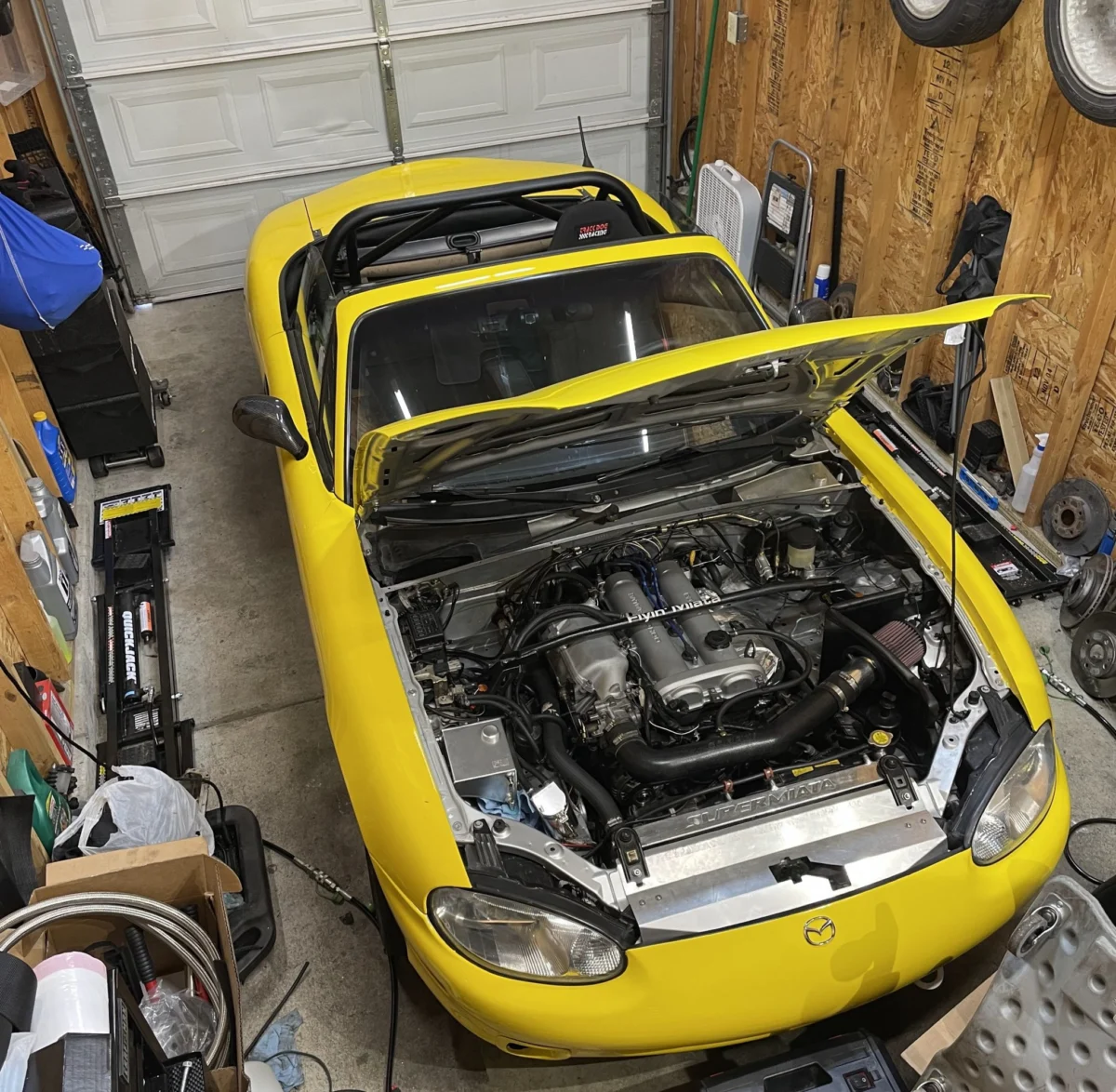
- Wiring Infrastructure: The complete removal of the 25-year-old factory engine wiring harness, replaced by a custom-built, modular harness utilizing Deutsch connectors, a dedicated fuse/relay block, and a central ground bus bar.
This transition effectively eliminated the mechanical failure points associated with traditional cable-actuated throttles while providing the ECU with more precise control over air intake and idle stabilization.
Digital Cockpit and Telemetry Enhancements
The modernization of the vehicle’s electronics extended to the driver interface in November 2025. Following the removal of the factory wiring harness, the original analog instrument cluster was replaced with a Tinker Electronics digital dash.
The digital unit interfaces directly with the Megasquirt ECU via a Controller Area Network (CAN) bus, providing real-time telemetry with user-defined alarm thresholds. The current configuration prioritizes critical engine health metrics, including:
- Engine Coolant Temperature (CLT) and Intake Air Temperature (IAT)
- Oil Temperature and Oil Pressure
- Manifold Absolute Pressure (MAP) and Air-Fuel Ratio (AFR)
- Battery Voltage and Ethanol Content percentage
The system also incorporates programmable shift lights and turn signal indicators, improving driver ergonomics. To maintain street legality and logistical convenience, the ECU was programmed to process the stock vehicle speed sensor (VSS) data, allowing the factory cruise control system to remain functional despite the removal of the original dashboard electronics.
Drivetrain and Handling Optimization
The final quarter of the development cycle focused on the vehicle’s mechanical interface with the track surface. In December 2025, a Coolerworx short-throw shifter was installed to address persistent "miss-shifts" encountered during high-G cornering. Unlike previous short-throw kits, the Coolerworx unit features a stiff external return-to-center spring and adjustable gate set screws. A critical safety feature of this unit is the integrated reverse gear lockout, which prevents accidental engagement of the reverse gate during rapid downshifting into first or second gear.
In January 2026, the vehicle’s differential was upgraded from a 4.30 Torsen Type II to a Supermiata-tuned OS Giken limited-slip differential (LSD). While the Torsen unit is highly regarded for general performance, data analysis indicated it struggled to maintain traction during low-speed, high-angle turns where the inside rear wheel became unloaded. The OS Giken unit, a clutch-type LSD, provides more consistent torque distribution and predictable lockup characteristics, which is expected to yield significant improvements in exit speeds on technical circuits.
Logistical Sustainability and Fleet Expansion
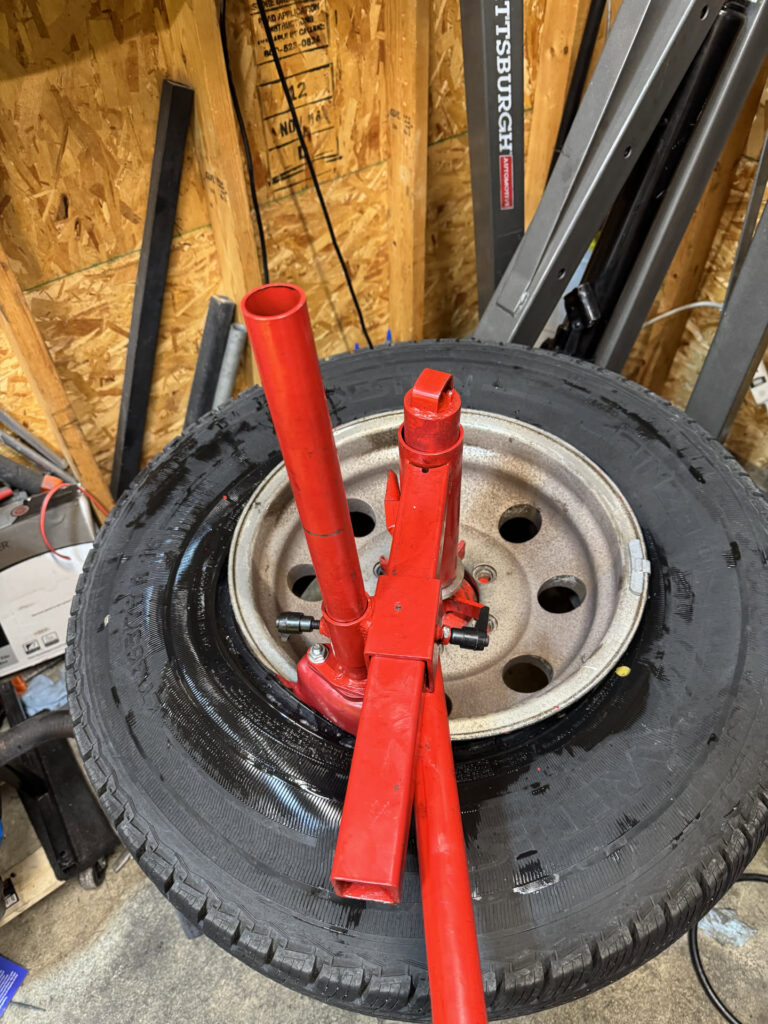
Beyond the vehicle itself, the program addressed the rising costs of track day logistics. In June 2025, the team transitioned to an in-house tire service model, acquiring a manual tire changer and a bubble balancer. This move was prompted by the escalating labor rates at commercial tire shops. After processing more than 20 tires, including high-performance 200-treadwear (200TW) compounds, the team reported that the DIY approach not only reduced costs but also provided superior balancing results compared to some commercial services.
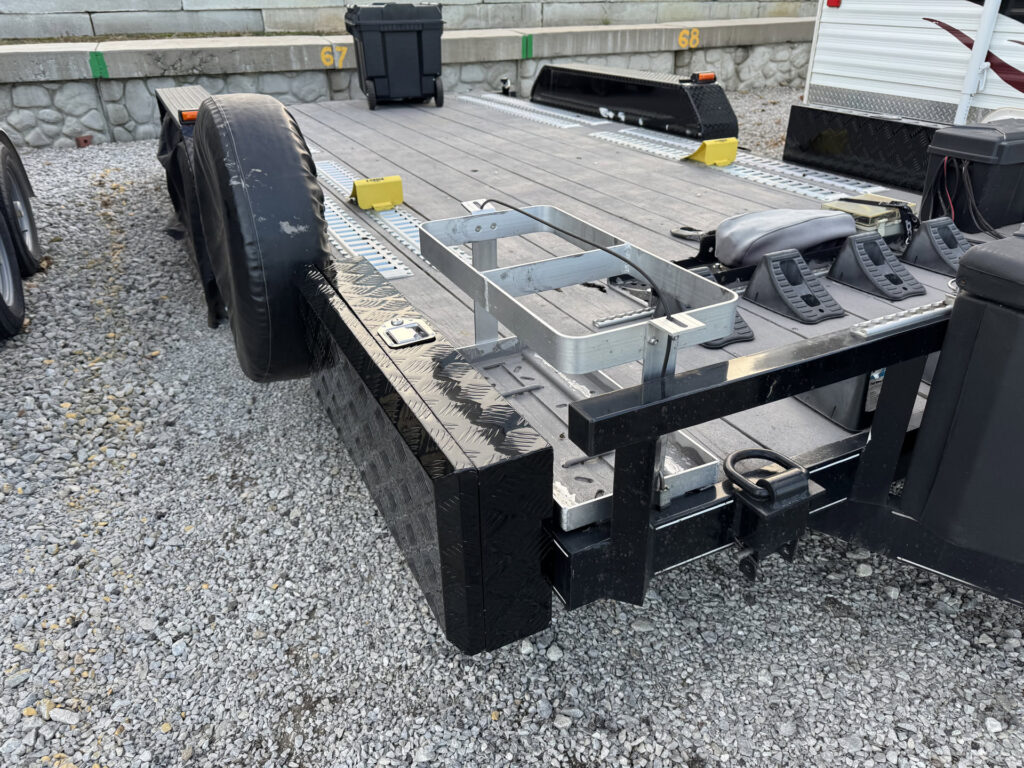
Furthermore, the open car hauler trailer received structural enhancements in September 2025. The addition of E-track tie-down systems has significantly improved transport security. Unlike traditional axle straps, which can loosen as the vehicle’s suspension settles during transport, the E-track system secures the wheels directly to the trailer deck, maintaining consistent tension over long distances.
In a strategic move to separate development testing from primary competition, a second NB Miata was acquired in February 2026. The 2001 model, purchased for $1,800, featured a Variable Valve Timing (VVT) engine and a six-speed transmission. Though initially in poor condition, the vehicle has been refurbished with surplus parts from the primary track car, including the 4.30 Torsen differential and stock suspension components, serving as a dedicated street-legal testbed.
Broader Impact and Cumulative Data Analysis
The fifth year of operation concluded with a robust data set provided by the Garmin Catalyst performance optimizer. Throughout 2025, the vehicle completed 357 laps, representing 10.9 hours of active track time across 14 separate events. This brings the vehicle’s career totals to 1,380 laps and 43.8 hours of high-intensity operation.
While the owner noted that personal best lap times were fewer this year, the analysis suggests that the vehicle has reached a plateau where environmental conditions—such as ambient temperature and track surface moisture—play a larger role in performance than minor tuning adjustments. The transition to the OS Giken differential and the drive-by-wire system in 2026 is expected to break this plateau by providing a more stable and technologically advanced platform.
The evolution of this Mazda NB Miata serves as a case study in the lifecycle of a grassroots racing project. It demonstrates the transition from simple bolt-on modifications to sophisticated systems engineering. By addressing the fundamental weaknesses of the 25-year-old platform—specifically its mechanical throttle and analog wiring—the program has successfully extended the competitive viability of the NB Miata in a modern racing environment. As the 2026 season approaches, the focus shifts from survival and reliability to the fine-tuning of advanced drivetrain components and the integration of a multi-car development strategy.