Cecilia Chamidah Nur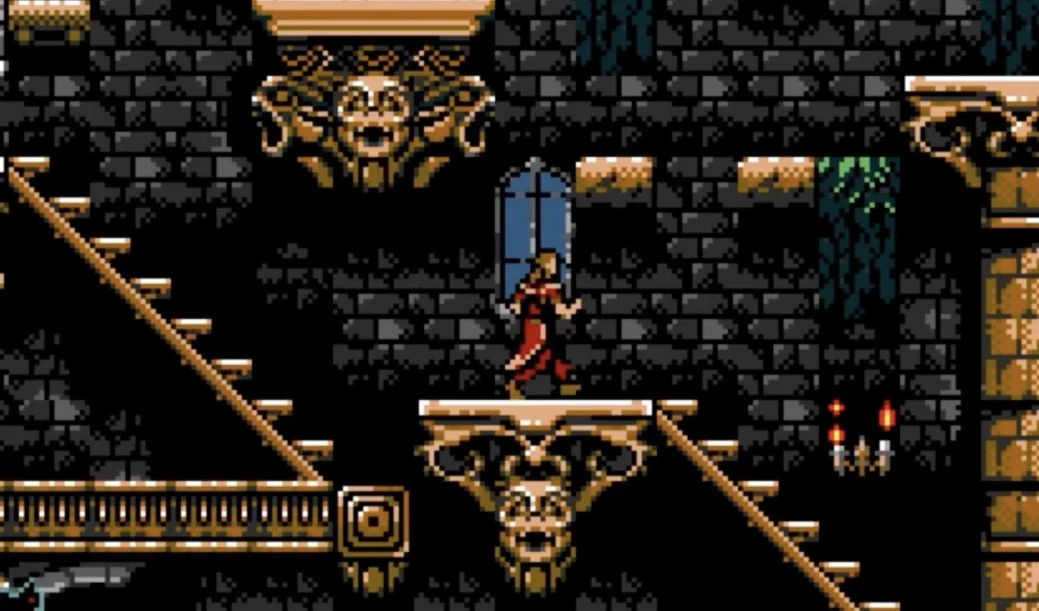
In a development sending ripples through the retro gaming community, Miki Higashino, the acclaimed composer renowned for her work on iconic Konami titles, has announced her return to MSX development. Higashino is set to lend her unparalleled musical talents to Nightstalker, an eagerly anticipated MSX2 homebrew project heavily inspired by the classic Castlevania series. This announcement marks a significant moment, not only for the burgeoning MSX homebrew scene but also for fans eager to experience new compositions from a maestro whose work has defined generations of gaming soundtracks.
The news was officially disseminated via social media by the Nightstalker development team, Bad Landed, stating, "A legend returns. Miki Higashino (@mkhgsnofficial), composer of some of the most iconic (MSX) soundtracks of all time, is back. For the first time, she composes music for SCC, contributing to the soundtrack of: Nightstalker." Higashino herself expressed profound excitement regarding the collaboration, highlighting a long-held ambition: "The SCC sound chip is a long-held dream that I’ve wanted to tackle. And the prospect of creating music for vampires gets my blood boiling with excitement." This statement underscores not only her dedication to the craft but also a specific technical and thematic challenge she is eager to embrace, promising a soundtrack that will leverage the unique capabilities of the MSX’s SCC chip.
Nightstalker: A New Challenger in the Retro Platformer Arena
Nightstalker, previously covered in March 2025, is being developed by Bad Landed, a collective of seasoned MSX veterans dedicated to pushing the boundaries of the platform. The team comprises coder Frederik Boelens, artist Joël Verdonck, level designer Patrice Verstichel, and audio expert Jorrith Schaap. Their shared passion for the MSX platform and classic action-platformers forms the bedrock of Nightstalker‘s ambitious vision. The project is explicitly pitched as an action-platformer directly emulating the revered style of the classic NES Castlevania titles, known for their challenging gameplay, intricate level design, and evocative gothic atmosphere.
The Castlevania series, particularly its early iterations on the NES, established a foundational blueprint for the action-platformer genre. Elements such as the protagonist’s whip as a primary weapon, the use of sub-weapons, formidable boss encounters, and sprawling, interconnected levels filled with supernatural adversaries have become synonymous with the franchise. Nightstalker aims to capture this essence, delivering a modern experience steeped in retro aesthetics and mechanics. Early glimpses of the game suggest a meticulous attention to detail, from sprite work and animation to environmental design, all striving to evoke the nostalgic charm and challenging spirit of its inspirations. The commitment to developing for the MSX2 further reinforces this dedication to authentic retro experiences, appealing directly to a niche but passionate audience that appreciates the hardware’s unique characteristics and limitations.
Miki Higashino’s Enduring Legacy: A Maestro of Gaming Scores
Miki Higashino, often credited as MIKI-Chang during her prolific tenure at Konami, is widely regarded as one of the most influential and innovative composers in video game history. Her compositions are celebrated for their melodic richness, emotional depth, and ability to perfectly complement the on-screen action, imbuing games with an unforgettable sonic identity. Her career at Konami spanned some of the company’s most golden years, contributing to a diverse array of genres and platforms.
Among her most iconic works are the soundtracks for several classic arcade games. Yie Ar Kung-Fu (1985), a pioneering fighting game, featured her catchy and energetic tunes that set the tone for competitive arcade action. Gradius (1985), the legendary shoot ’em up, boasted an unforgettable soundtrack that has become synonymous with the genre, with tracks like "Challenger 1985" and "Aircraft Carrier" still revered today for their dynamic energy and memorable melodies. Salamander (1986), known as Life Force in North America, also benefited from her compositional prowess, delivering a score that intensified the game’s high-octane horizontal and vertical scrolling action. These early works showcased her versatility and ability to craft compelling soundscapes for fast-paced arcade experiences, establishing her as a foundational figure in game music.
Beyond the arcade, Higashino made an indelible mark on console gaming, most notably with her contributions to the PlayStation RPGs Suikoden (1995) and Suikoden II (1998). The Suikoden series is lauded for its epic narratives, vast cast of characters, and emotionally resonant soundtracks, much of which can be attributed to Higashino. The scores for these games are masterclasses in orchestral composition, blending traditional Japanese influences with sweeping symphonic arrangements to create a rich tapestry of sound that perfectly underscored the games’ themes of war, camaraderie, and destiny. Tracks like "Beginning" from Suikoden and "Reminiscence" or "Gothic Neclord" from Suikoden II are considered masterpieces, demonstrating her capacity for both grand epic themes and intimate, poignant melodies. Her work on Suikoden cemented her status as a composer capable of profound emotional storytelling through music, a skill that continues to resonate with fans decades later.
Higashino’s connection to the MSX platform is also well-established, making her return particularly fitting. She previously composed soundtracks for MSX versions of Yie Ar Kung-Fu and the 1986 fantasy-themed vertical shooter Knightmare. These MSX scores, while often constrained by the hardware’s capabilities compared to their arcade counterparts, were nonetheless praised for their ingenuity and effectiveness, demonstrating her skill in adapting her musical vision to specific technical limitations. This prior experience with the MSX hardware and its unique sound capabilities makes her involvement with Nightstalker a true homecoming, promising a deep understanding of the platform’s sonic potential.
The SCC Chip: A Symphony of Silicon
Higashino’s expressed desire to work with the Konami SCC (Sound Custom Chip) is a crucial detail that excites both audiophiles and MSX enthusiasts. The SCC is a custom sound chip developed by Konami, often included within the cartridges of their MSX game releases. Its significance lies in its ability to vastly enhance the audio capabilities of the standard MSX computer. While the MSX typically relied on a General Instrument AY-3-8910 Programmable Sound Generator (PSG) chip, which offered three square wave channels and one noise channel, the SCC provided an additional five channels of waveform synthesis. This allowed for much richer, more complex, and higher-quality music and sound effects, effectively elevating the MSX’s audio output to rival or even surpass some dedicated arcade machines of its era.
The SCC chip fundamentally changed what was possible for music on the MSX. With its waveform synthesis capabilities, composers could define custom waveforms for each channel, leading to a much broader palette of sounds compared to the PSG’s limited square waves. This meant more realistic instrument simulations, more elaborate harmonies, and a greater sense of depth and atmosphere in game soundtracks. For Konami, the SCC became a signature element, distinguishing their MSX titles with superior audio quality.
Notable MSX games that leveraged the SCC chip include F-1 Spirit: The Way to Formula 1 (MSX1), Nemesis 2 (MSX1, known as Gradius 2 in Japan), Parodius (MSX1), and the critically acclaimed Metal Gear 2: Solid Snake (MSX2). The soundtracks for these titles are often cited as benchmarks for MSX audio, directly attributable to the SCC’s expanded capabilities. For Miki Higashino, a composer known for her intricate arrangements and melodic complexity, the SCC offers a powerful canvas. Her previous MSX works, while excellent, were often constrained by the standard PSG. Now, with the SCC, she can explore a much wider range of sonic textures and harmonies, promising a soundtrack for Nightstalker that fully exploits the chip’s potential and her own creative vision. This move is not merely a return but an evolution, as she tackles a hardware challenge she has long envisioned.
Chronology and Anticipated Impact
The journey of Nightstalker began to gain broader public attention with its initial coverage in March 2025, when details about its Castlevania-inspired gameplay and MSX2 platform target emerged. This established the project as a significant contender in the homebrew scene, drawing interest from retro enthusiasts worldwide. Miki Higashino’s involvement, announced shortly thereafter, represents a major turning point. Her illustrious career, spanning from the mid-1980s with arcade hits to the late 1990s with seminal RPGs like Suikoden, provides a rich historical context for her return. Her previous MSX contributions in the mid-80s further cement her credentials for this specific platform.
The announcement of Higashino’s participation immediately elevates Nightstalker‘s profile from a promising homebrew project to a highly anticipated release with legitimate industry pedigree. For Bad Landed, this collaboration is an immense validation of their efforts and vision. The presence of a composer of Higashino’s stature guarantees a level of musical quality that few homebrew projects can aspire to, significantly enhancing the game’s overall appeal and perceived value. It also brings invaluable media attention, potentially attracting a wider audience beyond the dedicated MSX community.

The MSX community’s reaction has been overwhelmingly positive. Forums, social media, and dedicated retro gaming sites have buzzed with excitement, recognizing the significance of a composer of Higashino’s caliber contributing to a modern MSX title. Many view this as a testament to the enduring appeal of the MSX platform and the vibrancy of its homebrew scene. It also serves as an inspiration for other independent developers, demonstrating that high-profile talent can be drawn to passion projects on vintage hardware.
Broader Implications for Retro Gaming and Homebrew Development
Miki Higashino’s involvement with Nightstalker is indicative of several broader trends within the video game industry and retro gaming subculture. Firstly, it highlights the increasing viability and recognition of homebrew development. What was once a niche pursuit for hobbyists is now attracting professional-level talent and producing games that rival commercial releases in quality and ambition. The accessibility of development tools, combined with a passionate global community, has fostered an environment where projects like Nightstalker can thrive.
Secondly, this collaboration underscores the continued relevance and artistic freedom offered by older hardware platforms. For composers and developers, working with systems like the MSX presents unique creative constraints and opportunities. The SCC chip, for instance, offers a distinct sonic character that modern digital audio workstations often struggle to replicate authentically. For artists like Higashino, these limitations can paradoxically foster greater creativity, pushing them to innovate within a defined sonic palette.
Finally, Higashino’s return exemplifies a broader movement of veteran developers and artists revisiting their roots or exploring new avenues within the retro gaming space. This phenomenon is driven by a combination of nostalgia, a desire for creative control often absent in large-scale commercial projects, and the enduring love for the foundational experiences that shaped the industry. It signals a healthy ecosystem where heritage and innovation can coexist, ensuring that the legacies of classic hardware and iconic creators continue to evolve and inspire.
Nightstalker is currently slated for release in 2027. As development progresses, the integration of Miki Higashino’s musical vision with Bad Landed’s dedication to authentic Castlevania-inspired gameplay will undoubtedly be a key focus for fans and critics alike. The project promises to be a compelling blend of classic inspiration, cutting-edge homebrew development, and the timeless artistry of one of gaming’s most celebrated composers, all brought to life on the venerable MSX2 platform. Enthusiasts are encouraged to follow the development team’s updates on their official social media channels, including Twitter/X (@NightstalkerMSX) and BlueSky (@nightstalkermsx.bsky.social), for the latest news on this highly anticipated title. The collaboration is poised to deliver a "fang-tastic" experience, as the original announcement playfully suggested, resonating deeply with fans of retro gaming and Miki Higashino’s unparalleled musical legacy.