Cecilia Chamidah Nur
Hamster Corporation, the prolific stewards of arcade history through its esteemed Arcade Archives series, has unveiled its latest addition: SNK’s 1995 strategic title, Master of Syougi. Scheduled for release on April 2nd, 2026, across Nintendo Switch and PlayStation 4 platforms at a price of $7.99, this announcement marks a notable departure from the high-octane action games that have frequently characterized recent Arcade Archives releases. The timing of the announcement, coinciding with April 1st, has sparked a mix of intrigue and amusement within the retro gaming community, underscoring the title’s distinctive nature within Hamster’s ever-expanding catalog.
A Strategic Shift in Arcade Archives Offerings
Following a series of highly anticipated reissues that have spotlighted reflex-driven experiences, such as the groundbreaking racing dynamics of Ridge Racer and Rave Racer, the aerial combat of Ace Combat 22, and the hydro-racing thrills of Aqua Jet, Hamster is pivoting to a cerebral challenge. Master of Syougi, originally an exclusive Japanese release, presents a deep dive into the world of traditional Japanese chess. This strategic pivot highlights Hamster’s commitment to a broad spectrum of arcade preservation, extending beyond universally recognized action genres to encompass culturally significant and niche titles. The re-release allows a global audience, 31 years after its initial debut, to engage with a piece of gaming history previously confined to the Japanese market.
Understanding Shogi: The Heart of Master of Syougi
To fully appreciate Master of Syougi, it is essential to understand shogi itself. Often referred to as Japanese chess, shogi is a two-player strategy board game that shares a common ancestor with Western chess, originating from ancient Indian chaturanga. While both games involve moving pieces across a grid to checkmate an opponent’s king, shogi introduces unique complexities that elevate its strategic depth. Key among these is the "drop rule," which allows players to redeploy captured pieces back onto the board as their own. This mechanic fundamentally alters the game, making draws exceedingly rare and shifting the strategic focus from piece exchange to piece utilization and positional advantage. Unlike Western chess where a piece’s capture removes it permanently from play, shogi’s drop rule means that the material balance on the board can fluctuate wildly, leading to dynamic and often unpredictable outcomes. Pieces also have distinct movement patterns, and upon reaching the final three ranks of the board, most pieces have the option to "promote," gaining new, more powerful movement capabilities. This layered complexity demands foresight, adaptability, and a deep understanding of positional play, making shogi a revered intellectual pursuit in Japan.
SNK’s Foray into Traditional Strategy
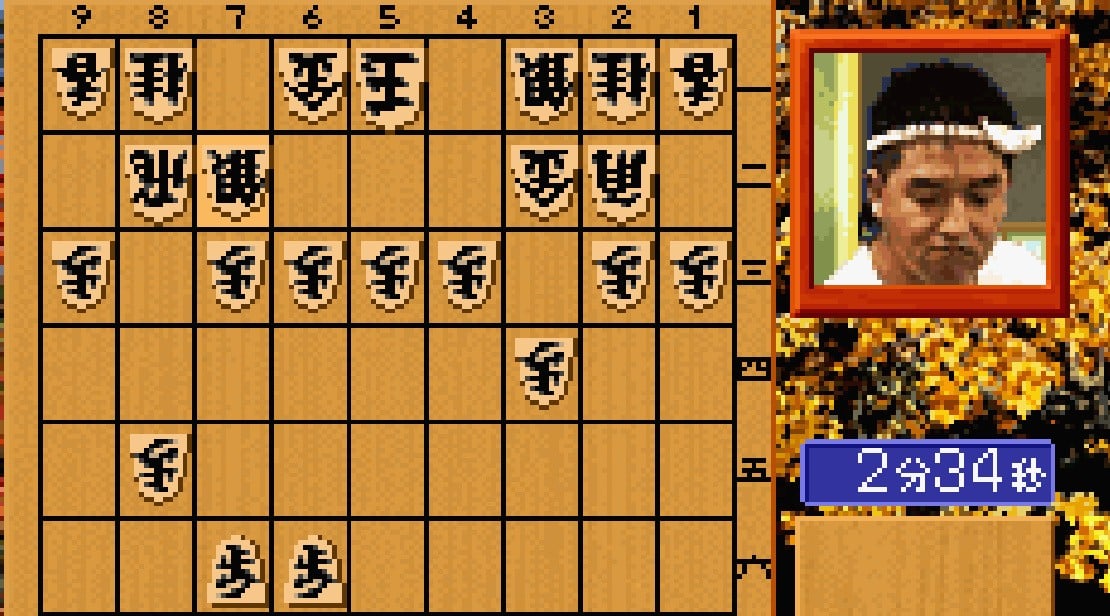
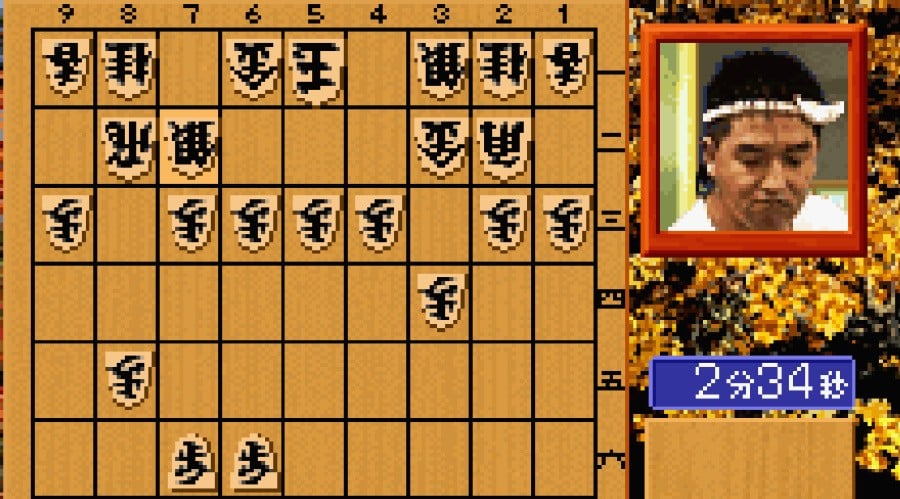
SNK Corporation, renowned globally for its innovative arcade hardware and a portfolio rich with iconic fighting games like Fatal Fury and The King of Fighters, alongside run-and-gun classics such as Metal Slug, might seem an unlikely developer for a shogi title. However, the mid-1990s represented a period of diversification for many Japanese publishers, keen to cater to the varied tastes of their domestic market. The Neo Geo, SNK’s flagship arcade and home console system, was celebrated for its high-fidelity graphics and sound, delivering an unparalleled arcade experience in the home. While largely associated with action-packed, fast-paced genres, the Neo Geo also hosted a selection of more unconventional titles, demonstrating SNK’s willingness to experiment and broaden its appeal within Japan. Master of Syougi stands as a testament to this period, an "authentic shogi title" leveraging the Neo Geo’s powerful hardware to render the board and pieces with clarity, and to incorporate unique features like live-action video clips to depict opponent reactions, adding a layer of immersive presentation rare for strategy games of its era. This choice underscored the game’s intent: to provide a premium, definitive digital shogi experience for Japanese enthusiasts.

A Chronicle of Exclusivity: From Arcades to Handhelds
Master of Syougi‘s journey through various platforms highlights its consistent targeting of the Japanese market.
- 1995: Arcade Debut and Neo Geo CD Port: The game first appeared in Japanese arcades, offering a digital shogi experience with arcade-grade visuals and sound. Later the same year, it was ported to the Neo Geo CD, SNK’s CD-ROM based home console iteration of the Neo Geo, which aimed to make games more affordable, albeit with longer loading times. Both releases were strictly for the Japanese domestic audience, reflecting the perceived niche appeal of shogi outside Japan.
- 1998-1999: Neo Geo Pocket and Neo Geo Pocket Color: SNK continued to support Master of Syougi on its subsequent hardware, bringing it to the Neo Geo Pocket handheld in 1998, and its color iteration, the Neo Geo Pocket Color, in 1999. These handheld versions demonstrated the game’s enduring appeal within Japan and SNK’s strategy to maintain a presence across different gaming segments. The transition to handhelds likely involved adapting the interface and graphics for smaller screens while retaining the core strategic gameplay, further cementing its status as a foundational shogi simulation in SNK’s catalog. These too remained exclusive to Japan, further limiting international exposure.
- 2026: Arcade Archives Global Release: The upcoming release marks the first time Master of Syougi will be officially available outside Japan. This monumental shift is largely due to Hamster’s dedication to global game preservation and digital distribution models, which transcend the geographical and logistical barriers that once restricted such titles.
Features Designed for Accessibility and Immersion
Despite its origins in a complex traditional game, Master of Syougi incorporated features designed to cater to both seasoned players and newcomers. Its description highlights "adjustable settings to display beginner guides," a crucial addition for those unfamiliar with shogi’s intricate rules and piece movements. This tutorial functionality would have been invaluable in guiding players through the game’s mechanics, from basic piece movement to the nuances of the drop rule and promotion. Furthermore, the inclusion of "handicaps (piece drops)" indicates a system to balance games between players of differing skill levels, a common practice in traditional shogi where a stronger player might remove some of their starting pieces to give an advantage to a weaker opponent. This thoughtful design element ensured competitive fairness and provided a pathway for skill development. The aforementioned "short live-action video clips during matches to show your opponent reacting to your moves" added an innovative, albeit somewhat unusual, layer of immersion. While perhaps quaint by modern standards, these clips would have been cutting-edge for 1995, offering a visual flourish that animated the strategic battles and injected personality into the digital opponent.
The Arcade Archives Phenomenon and Evolving Expectations
Hamster’s Arcade Archives initiative has transformed the landscape of retro gaming, establishing itself as a vital force in game preservation. The series meticulously recreates classic arcade experiences, often including various regional ROMs, display options, online leaderboards, and save state functionalities, elevating them beyond simple emulation. This dedication to quality and historical accuracy has garnered a loyal following. Over the past year, the company has released a string of critically acclaimed and fan-favorite titles, notably the aforementioned Ridge Racer and Rave Racer from Namco, and SNK’s own Ace Combat 22 and Aqua Jet. These titles, known for their technical prowess and significant cultural impact, have set a high bar for expectations within the community. Gamers have come to anticipate Hamster unearthing more iconic, often fast-paced, and graphically impressive arcade experiences.
The announcement of Master of Syougi, therefore, arrives at a curious juncture. On one hand, it exemplifies Hamster’s unwavering commitment to the full breadth of arcade history, including titles that might not fit the conventional "blockbuster" mold. On the other, it potentially presents a stark contrast to the heightened expectations cultivated by recent releases. The perception of this particular title, especially given its timing on April 1st (April Fool’s Day), becomes a fascinating case study in community reception. While it is certainly not an April Fool’s joke, the juxtaposition with previous high-profile releases and its niche genre could easily lead some to initially perceive it as such. This playful irony may even be a subtle nod from Hamster, acknowledging the diverse tastes within their audience while reaffirming their mission to preserve all facets of arcade gaming.
Broader Implications: Preservation, Accessibility, and Cultural Exchange

The global release of Master of Syougi through Arcade Archives carries significant implications for game preservation, accessibility, and cultural exchange.
- Game Preservation: For decades, many region-locked or culturally specific games like Master of Syougi remained inaccessible to a wider international audience. Digital storefronts and dedicated preservation efforts like Arcade Archives are dismantling these barriers, ensuring that a more complete historical record of video games is available for future generations of players and scholars. This is crucial for understanding the full scope of gaming’s evolution across different cultures.
- Accessibility: By bringing Master of Syougi to modern consoles, Hamster is not only preserving it but also making it accessible to millions. Players on Nintendo Switch and PlayStation 4, who might never have encountered a Neo Geo or a shogi game before, now have an opportunity to engage with this unique title. The inclusion of beginner guides within the game itself further lowers the barrier to entry, inviting newcomers to learn a complex but rewarding strategy game.
- Cultural Exchange: This release serves as a valuable tool for cultural exchange. For many Western players, Master of Syougi will be their first exposure to shogi in a digital format, potentially sparking an interest in the traditional game and broader Japanese culture. It provides a window into the types of entertainment popular in Japan during the 1990s, showcasing that arcade offerings extended beyond the universally popular fighting and shooting genres.
- Market for Niche Titles: The success of such a niche title on a global scale could also inform future preservation efforts. It demonstrates that there is a viable market for historically significant games, even if they cater to specialized interests, particularly when presented with the quality and care characteristic of the Arcade Archives series. This encourages Hamster and other preservationists to continue exploring the vast, uncataloged libraries of retro gaming.
While Hamster Corporation does not typically issue statements on individual title reception, their consistent release schedule and the meticulous quality of their Arcade Archives titles implicitly convey a mission-driven approach to game preservation. For SNK, the re-release of Master of Syougi through such a respected platform underscores the enduring legacy of their Neo Geo era and highlights the company’s diverse development history beyond its most famous franchises. The retro gaming community, while perhaps initially surprised by this particular entry, largely embraces Hamster’s comprehensive approach, recognizing the value in preserving both the mainstream and the esoteric.
In conclusion, Master of Syougi‘s entry into the Arcade Archives collection is more than just another game release; it is a significant cultural event. It represents Hamster’s dedication to providing a holistic view of arcade history, offering a rare opportunity for global audiences to engage with a classic Japanese strategy game previously shrouded in regional exclusivity. Far from an April Fool’s jest, this release is a serious and commendable effort in game preservation, inviting players to test their intellect and explore a rich facet of Japanese gaming heritage on modern platforms.