Cecilia Chamidah Nur
The retro gaming community experienced a vibrant week, marked by revelations concerning an iconic unreleased title, the resurgence of a Japanese cult classic, fan-driven preservation efforts, and new hardware developments. Insights into the development struggles of Sega’s ambitious Sonic X-treme resurfaced, while the long-awaited re-release of the PlayStation title ’70s Robot Anime Geppy-X garnered significant attention. Furthermore, a new console tease from Evercade’s parent company, Blaze, sparked considerable speculation, underscoring the dynamic landscape of classic gaming.
Unearthing the Demise of Sonic X-treme: A Saturn Saga
The narrative surrounding Sega’s ill-fated Sonic X-treme continues to captivate gaming historians and fans, with recent comments from designer Chris Senn shedding new light on the "fork in the road" that ultimately led to its cancellation. Touted by some as the potential savior for the Sega Saturn in Western markets, Sonic X-treme instead became one of the most prominent unreleased projects in Sega’s storied history. Its development hell, spanning from 1994 to 1997, is often cited as a critical factor in the Saturn’s commercial struggles against the formidable Sony PlayStation and the Nintendo 64.
The project began as an attempt to translate Sonic’s 2D speed into a 3D environment, a challenge that proved immensely difficult for the technology and development practices of the era. Initial concepts for the Sega 32X were abandoned, leading to a complex and often fractured development cycle for the Saturn. Key design decisions, internal conflicts within Sega of America and Sega of Japan, and the severe illness of lead developers contributed to a chaotic environment. Chris Senn’s insights, shared in a lengthy interview with Retro64 and Anonymous, hosted on Sega Retro, highlight the immense pressure and technical hurdles faced by the team. The game’s innovative "fisheye lens" perspective, intended to create a unique sense of speed and environment, was technically ambitious but ultimately unfulfilled. Sega, facing intense competition and mounting losses from the Saturn, made the difficult decision to cancel the project in early 1997. This decision left a void in the Saturn’s software library, particularly for a flagship 3D platformer that could rival Nintendo’s Super Mario 64. The absence of a strong, original 3D Sonic title on the Saturn is widely considered a significant missed opportunity, impacting the console’s long-term viability and contributing to Sega’s eventual exit from the hardware market. While Sega has rarely commented directly on the internal struggles of Sonic X-treme in recent years, the company has, on occasion, acknowledged the project’s existence, even unearthing original screenshots in 2023. The continued fascination with Sonic X-treme underscores its perceived importance and the enduring "what if" scenario it represents for a generation of gamers.
70s Robot Anime Geppy-X Rises Again: A Cult Classic’s Modern Revival
A significant development for aficionados of niche Japanese gaming culture was the announcement of a re-release for ’70s Robot Anime Geppy-X on modern systems. This PlayStation-exclusive, originally launched in 1999, had attained legendary cult status primarily due to its extreme rarity and unique blend of retro anime aesthetics with mecha combat gameplay. Physical copies of the game have commanded prices soaring into the hundreds of dollars on secondary markets, making it largely inaccessible to a new generation of players and even many seasoned collectors.
The upcoming re-release represents a triumph for game preservation and accessibility. ’70s Robot Anime Geppy-X is not merely a game but a loving homage to the Super Robot anime genre of the 1970s, complete with lengthy animated cutscenes, an original score, and a sprawling narrative across multiple discs. The decision by publisher Bliss Brain to bring this title to contemporary platforms was likely driven by the persistent demand from fans and a growing appreciation for unique, overlooked gems from the 32-bit era. Interviews with key creatives, including Akira Yamato, one of the game’s designers, sound director and composer Momo Michishita, and Bliss Brain’s Yasuhide Nagasawa, offered rare insights into the game’s creation and the motivations behind its revival. Yamato reportedly expressed enthusiasm for a new audience to experience the title, stating, "It’s an honor to see Geppy-X find new life. We poured our hearts into capturing the spirit of an era, and now more people can appreciate that dedication." Nagasawa of Bliss Brain highlighted the technical challenges of porting the game while ensuring its authenticity, underscoring their commitment to a faithful adaptation. This re-release follows a trend of bringing formerly region-locked or scarce Japanese titles to a global audience, mirroring successful efforts with other PlayStation and retro titles, and promises to introduce Geppy-X to a wider player base who previously could only experience it through emulation or prohibitively expensive physical copies. The implications extend beyond mere gameplay, offering a window into a specific period of Japanese popular culture and game design that has often been overlooked outside its domestic market.
John Romero’s Project Redwood: The MMO That Never Was
The gaming industry titan John Romero, celebrated for revolutionizing the first-person shooter genre with seminal titles like Wolfenstein 3D, DOOM, and Quake during his tenure at id Software, has navigated a diverse and often challenging career path post-id. Beyond his celebrated FPS creations, Romero has explored various genres, from spiritual successors to mobile titles, social games, and even ambitious massively multiplayer online (MMO) projects. One such endeavor, Project Redwood, aimed to disrupt the established MMO landscape by "flipping World of Warcraft on its head" to cultivate a safe and engaging role-playing environment specifically for children.
This ambitious concept, conceived in the mid-2000s, sought to create a family-friendly online world distinct from the often-complex and time-consuming adult-oriented MMOs dominating the market. World of Warcraft, launched in 2004, had rapidly become a global phenomenon, setting a high bar for content, server stability, and player engagement. Romero’s vision for Project Redwood was to simplify the mechanics, emphasize cooperative play, and provide a secure social space for younger players. However, the project ultimately succumbed to the inherent complexities of MMO development, particularly difficulties encountered with the third-party engine the development team had licensed. Developing an MMO from scratch is a monumental task, requiring vast resources, robust infrastructure, and sophisticated networking capabilities. Licensing an engine, while potentially streamlining some aspects, introduces its own set of challenges, including limitations on customization, bugs, and dependency on external support. The "fatal" blow, as described by Romero, came from these engine-related difficulties, preventing the team from realizing their innovative vision. This incident highlights the significant risks and technical hurdles involved in developing large-scale online games, even for industry veterans. The failure of Project Redwood underscores the immense capital and technical expertise required to compete in the MMO space, a genre known for its high development costs and even higher rates of project cancellations. While the game never saw the light of day, its concept reflects Romero’s continuous drive for innovation and his willingness to tackle diverse gaming experiences, even if some ultimately prove too challenging to bring to fruition.
Sailing Hyrule’s Seas: Zelda: Wind Waker in Your Web Browser
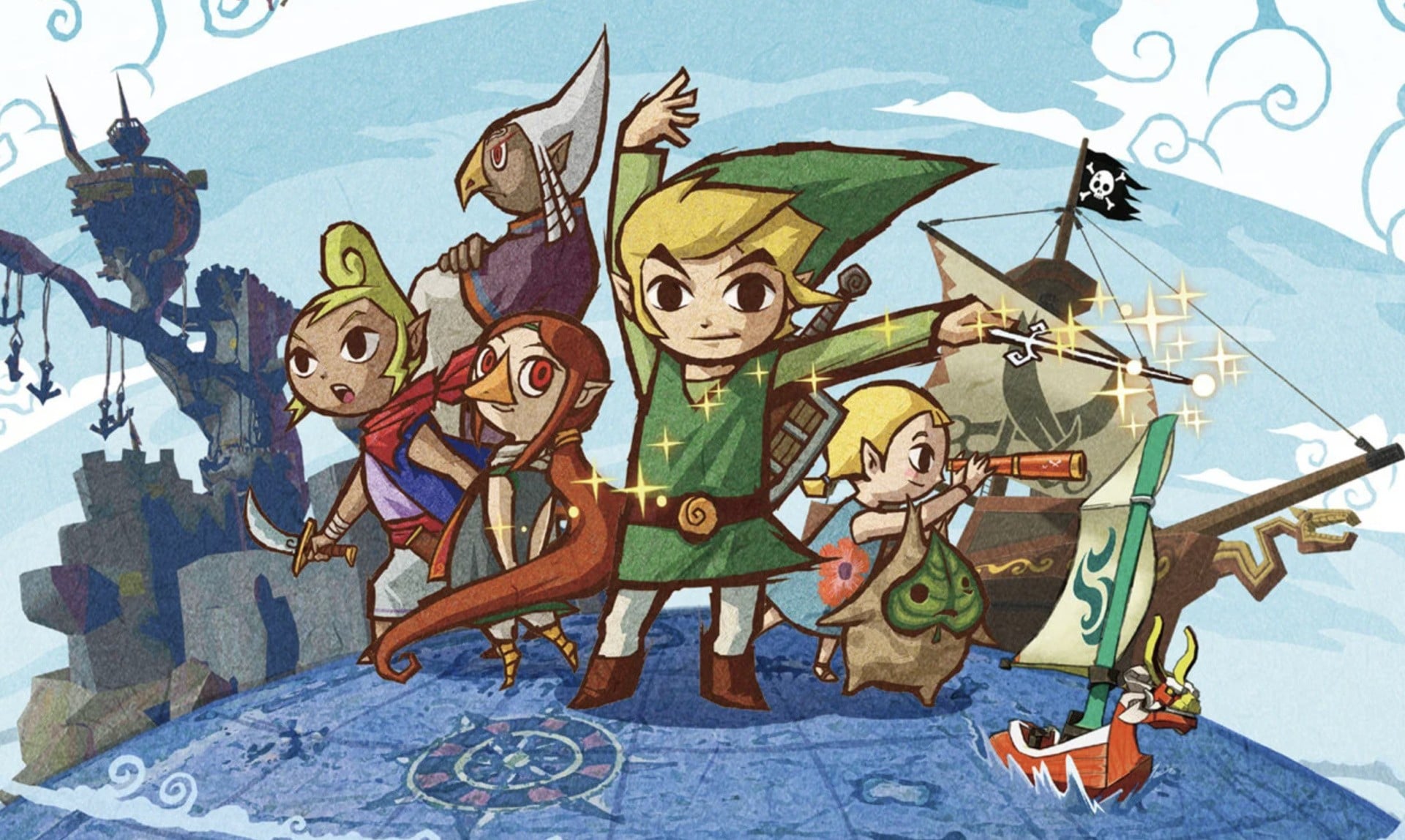
The Legend of Zelda: The Wind Waker, initially met with controversy upon its official announcement due to its distinctive cel-shaded "Toon Link" art style, has since cemented its legacy as one of the most cherished and critically acclaimed entries in the entire Zelda series. Its vibrant world, expansive Great Sea, and charming characters have resonated deeply with players. In a remarkable demonstration of fan dedication and modern web development capabilities, the sea-based portion of Wind Waker has now been recreated and made accessible directly within a web browser.
This impressive feat is the work of developer Robin Payot, who utilized Three.js, an open-source JavaScript library renowned for creating lightweight, cross-browser 3D experiences. The project allows users to navigate the iconic ocean, complete with its distinct graphical style and sense of adventure, providing a novel way to interact with a beloved classic. The original Wind Waker, released for the Nintendo GameCube in 2002, was lauded for its innovative sailing mechanics and a vast, interconnected world, albeit one that required significant traversal. The fan-made web experience, while not a full game port, serves as both a nostalgic tribute and a technical showcase. It underscores the growing trend of browser-based game experiences and the power of open-source tools to democratize 3D content creation. For many, the ability to casually explore the Great Sea without needing a console or emulator is a highly welcome development, enhancing accessibility and celebrating the game’s enduring appeal. This kind of fan-driven project not only preserves a piece of gaming history but also introduces it to new audiences who might not have had the opportunity to play the original. The implications extend to game preservation, demonstrating how modern web technologies can be harnessed to keep classic experiences alive and accessible, fostering a deeper connection between players and the games they cherish.
Evercade Nexus: Blaze Teases New Hardware
Blaze, the company behind the popular Evercade retro gaming ecosystem, has ignited considerable excitement within the collector community by teasing a new piece of hardware named the ‘Evercade Nexus’. This announcement, made with minimal details beyond the name, mirrors Blaze’s previous strategy when introducing its Evercade Alpha series of bartop arcades, which also began with a cryptic listing hinting at future releases. The lack of specific information has, predictably, triggered widespread speculation among fans regarding the nature and capabilities of this forthcoming device.
The Evercade platform has carved out a unique niche in the retro gaming market by offering licensed collections of classic games on physical cartridges, playable across a range of dedicated handhelds (Evercade Handheld, Evercade EXP) and home consoles (Evercade VS). This model differentiates it from emulation-based systems by focusing on legitimate licensing and a tangible collecting experience. Given Blaze’s existing product line, the ‘Evercade Nexus’ could represent several possibilities: a new generation of handheld console, potentially with enhanced features like higher resolution screens, improved battery life, or new control schemes; a more powerful home console variant; or even an entirely new form factor that expands the Evercade ecosystem further, perhaps venturing into desktop mini-PCs or more integrated arcade solutions. Speculation also includes potential improvements in connectivity, processing power, or integration with digital storefronts, while maintaining the core cartridge-based experience that defines the brand. Blaze’s strategy of incremental teases has proven effective in building anticipation and engaging its dedicated fanbase. While no official statements beyond the name have been released, the company’s track record suggests that the Nexus will continue to uphold Evercade’s commitment to officially licensed retro gaming. The announcement signifies Blaze’s ongoing investment in the retro hardware market and its continuous effort to innovate within its established platform, further solidifying its position as a key player in the physical retro game space.
Internet Reacts to PSP "Beginning of Life On The Go" Claim
A recent social media post from the account of United States Secretary of Education Linda McMahon, an former CEO of WWE, claiming that the PlayStation Portable (PSP) marked "the beginning of life on the go," sparked a significant backlash and widespread "dunking" from internet users. This statement demonstrated a fundamental misunderstanding of the extensive history of handheld gaming, a sector that predates the PSP by several decades.
The handheld gaming industry has a rich and varied lineage dating back to the 1970s. Pioneers like Mattel and Waco experimented with rudimentary electronic devices such as the Mattel Auto Race (1976) and Simon (1978), offering early forms of portable digital entertainment. Nintendo, a dominant force in the market, further evolved the concept with its innovative Game & Watch series, first launched in 1980, which cleverly leveraged withered technology into million-selling units. The true revolution arrived in 1989 with the release of the Nintendo Game Boy, which, despite its monochrome screen, captivated a global audience with its robust design, long battery life, and iconic titles like Tetris. Following the Game Boy’s success, numerous other handhelds emerged, including the Atari Lynx (1989), Sega Game Gear (1990), Bandai Wonderswan (1999), Neo Geo Pocket Color (1999), and Nokia N-Gage (2003), all preceding the PSP’s debut in late 2004 (Japan) and early 2005 (North America). The PSP, while a groundbreaking device for its time with its powerful graphics and multimedia capabilities, was far from the genesis of portable gaming. The internet’s strong reaction to McMahon’s statement was rooted in the factual inaccuracy and the perceived ignorance of a well-documented technological history. Social media users swiftly provided detailed timelines and examples of earlier handhelds, highlighting the vast array of devices that defined "life on the go" for gamers long before the PSP. This incident serves as a stark reminder of the importance of historical accuracy, particularly when public figures comment on widely known cultural and technological phenomena. The collective response from the gaming community underscored its passion for its history and its readiness to correct misinformation.
Fan Recreation: Friday the 13th NES Game for Game Boy Color
The notoriously difficult and often-maligned NES adaptation of Friday the 13th, originally released in 1989, has received a surprising and welcome recreation for a classic Nintendo handheld. Titled Friday the 13th: Revisited, this fan-made project brings the cult classic’s unique blend of horror, exploration, and challenging gameplay to the Game Boy Color, a platform released nearly a decade after the original.
The project is the meticulous work of programmer Zeichi, with original music contributed by Exemia. Released earlier this week on itch.io as a free download, Friday the 13th: Revisited is explicitly described as "a tribute to the 1988 NES classic, recreated from scratch for the Game Boy Color." The original NES game, developed by LJN, is famous for its frustrating difficulty, confusing map layouts, and the iconic purple-and-green color palette that defined its aesthetic. Despite, or perhaps because of, these quirks, it has garnered a loyal following and a reputation as a "bad good" game. The decision to recreate it for the Game Boy Color is particularly interesting, as it presents new technical challenges and opportunities. Zeichi’s recreation not only faithfully translates the core gameplay elements, including the side-scrolling cabins and caves, the overhead camp map, and encounters with Jason Voorhees, but also adapts them to the GBC’s graphical and audio capabilities. This project highlights the dedication and talent within the retro gaming community to preserve, reimagine, and celebrate classic titles, even those with divisive reputations. Fan-made ports and remakes are crucial for keeping the spirit of older games alive, offering new ways to experience them on different platforms and potentially improving aspects that were criticized in the original. For fans of the original Friday the 13th on NES, this GBC version offers a fresh, portable perspective on a game that has long been a subject of both derision and affection.
RetroTap: A Modern Solution for Vintage Console Power
For avid collectors and enthusiasts who maintain multiple vintage gaming consoles connected to their beloved CRT displays, the perennial problem of "cable carnage" and the proliferation of bulky power adapters, often referred to as "wall warts," is a painfully familiar reality. Each retro console typically requires its own specific power supply, many of which are large, inefficient blocks that consume excessive space on power strips and contribute to an unsightly tangle of wires. Addressing this common frustration, a new solution called RetroTap has emerged, promising to streamline power management for retro setups.
RetroTap is designed to replace this "tangled mess of ageing, bulky wall warts with a modern central power solution engineered for simplicity and exceptionally low ripple," according to its creator. The product aims to consolidate multiple power inputs into a single, compact unit, providing clean and stable power to a variety of retro consoles simultaneously. The issues with original power supplies extend beyond mere aesthetics; many older adapters can be inefficient, generate excess heat, and over time, may degrade, leading to inconsistent power delivery that could potentially harm vintage hardware. Modern power solutions, like RetroTap, offer enhanced safety features, improved energy efficiency, and a cleaner power signal, which is critical for sensitive electronics. The demand for such a product stems directly from the growing retro gaming market, where collectors are increasingly seeking elegant and practical solutions for managing their expansive collections. RetroTap’s approach of offering a centralized, multi-output power supply could significantly reduce clutter, improve the organization of gaming setups, and potentially prolong the life of cherished retro consoles by providing a consistent and high-quality power source. This innovation reflects a broader trend within the retro community: the development of modern accessories and quality-of-life improvements that cater to the unique needs of vintage hardware enthusiasts, bridging the gap between nostalgic gameplay and contemporary convenience.
This week’s retro gaming news underscores the enduring appeal of classic titles and the vibrant, innovative community dedicated to their preservation, re-evaluation, and enhancement. From historical insights into development failures to the triumphant return of obscure classics and ingenious modern solutions for common collector woes, the world of retro gaming continues to evolve, engaging both seasoned enthusiasts and new generations of players.