Retno Hari Mulyono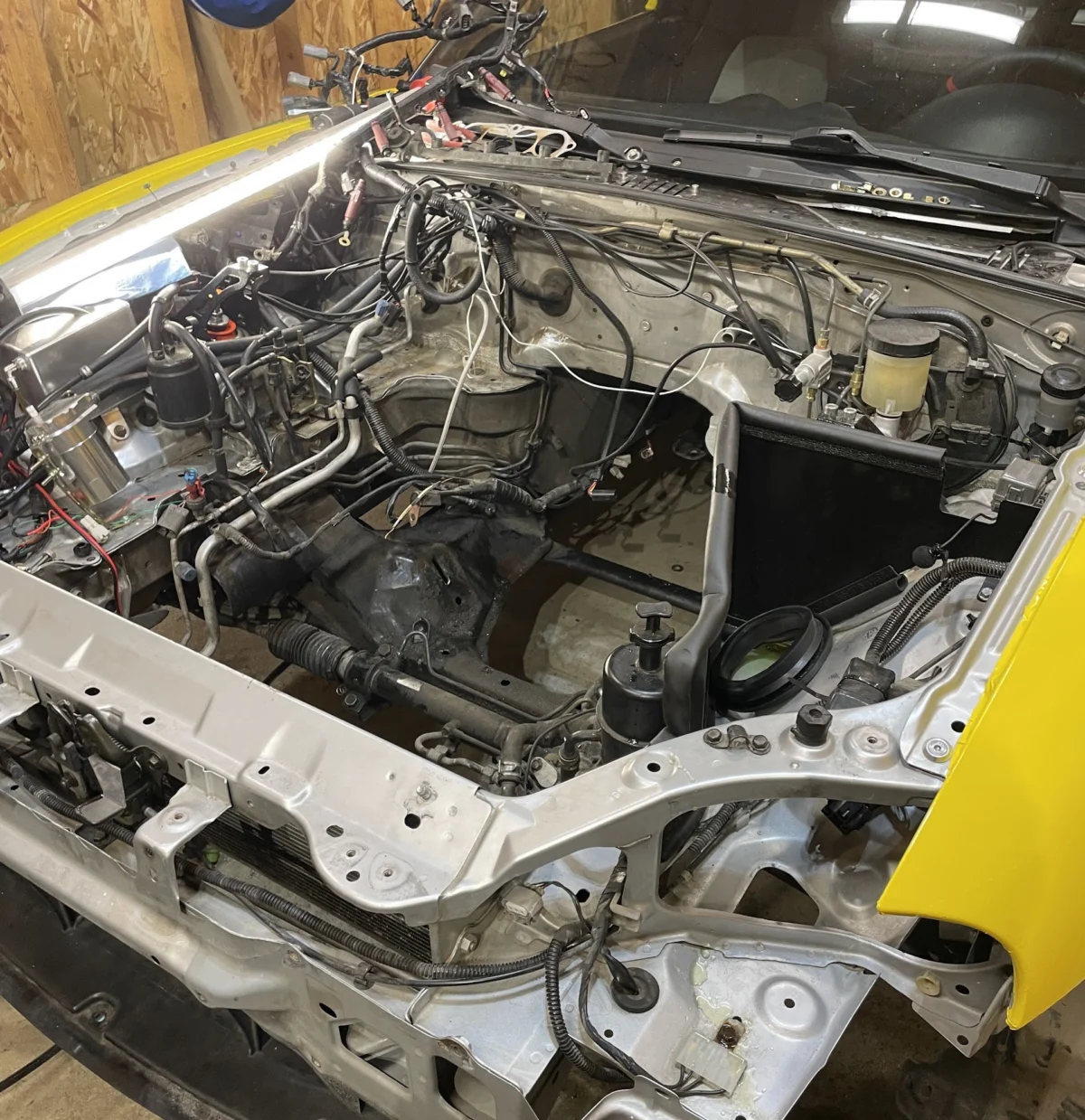
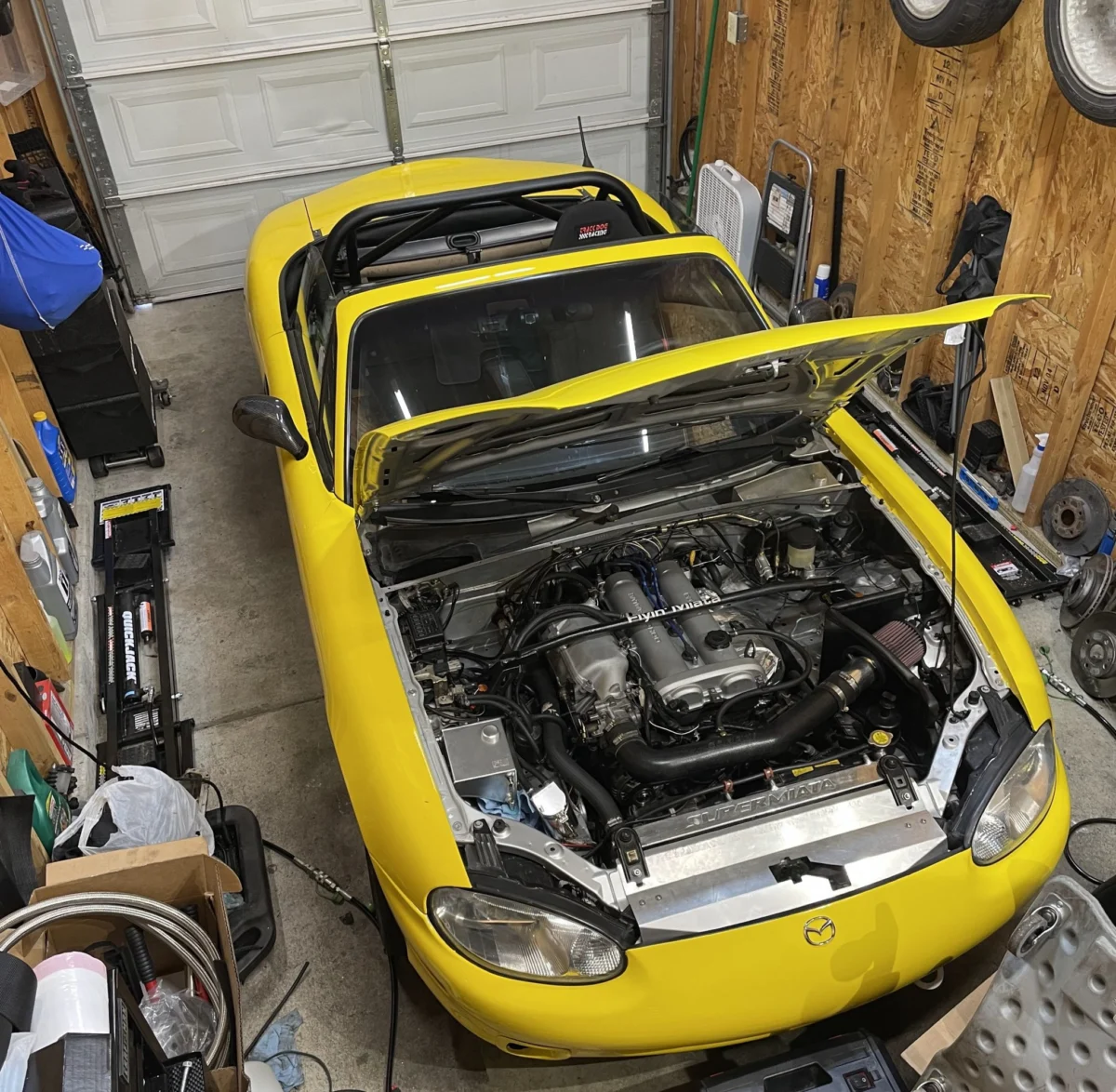
The maintenance and restoration of the second-generation Mazda MX-5, known internally as the NB chassis, remains a focal point for automotive enthusiasts seeking to preserve the legacy of the world’s best-selling roadster. A recent technical project involving a 2000 model year NB Miata highlights the complexities of long-term powertrain management, specifically focusing on the extraction of the 1.8-liter BP-series engine to address systemic oil leaks, drivetrain wear, and inherent cooling deficiencies. This comprehensive overhaul served not only as a corrective measure for a failing rear main seal and a compromised oil pan but also as an opportunity to implement high-performance upgrades, including a lightweight flywheel, a sport-grade clutch, and a critical coolant reroute system designed to rectify a decades-old engineering compromise.
Strategic Objectives and the Rationale for Engine Extraction
In the realm of automotive maintenance, the decision to remove an engine and transmission assembly is rarely taken lightly, usually reserved for catastrophic failure or extensive restoration. However, for the NB Miata, the "while you are in there" philosophy often dictates a full extraction when multiple minor issues converge. In this specific case study, the primary catalyst was a significant oil leak from the rear main seal, a common malady in high-mileage BP engines. While a rear main seal can theoretically be replaced by dropping the transmission alone, the convergence of other required repairs—including a stripped oil pan drain plug and the installation of a rear-mounted coolant reroute—rendered a full engine pull the most efficient path forward.
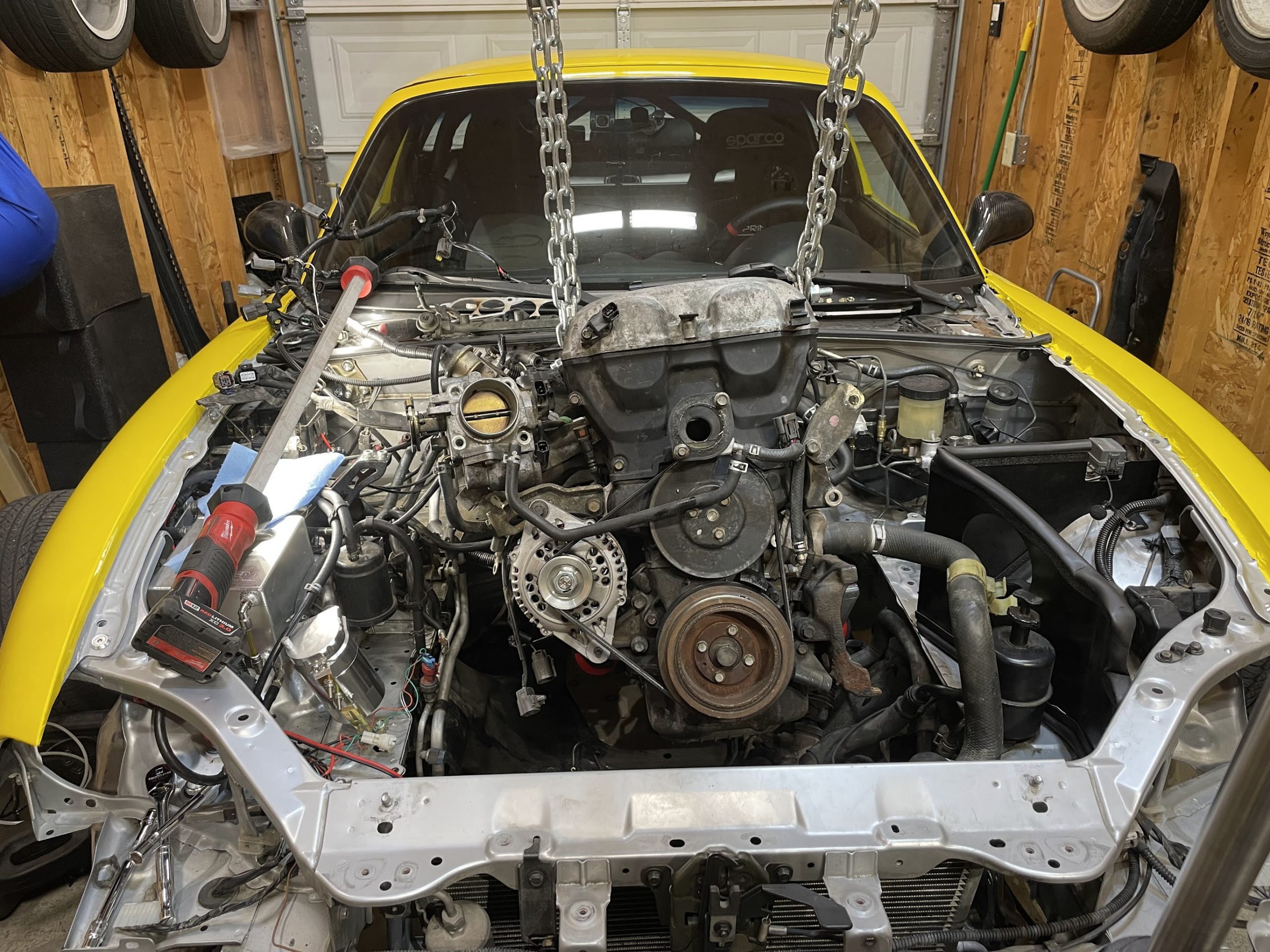
The project was guided by three core objectives: achieving a leak-free engine bay, enhancing the vehicle’s thermal efficiency for track environments, and improving the tactile response of the drivetrain through upgraded rotational components. By removing the engine and transmission as a single unit from the top of the engine bay, technicians gain 360-degree access to the block, allowing for precise torque applications and the meticulous application of Room Temperature Vulcanizing (RTV) silicone, which is critical for the Miata’s multi-piece oil pan assembly.
Chronology of the Powertrain Overhaul
The project commenced during the winter off-season, a period typically utilized by enthusiast racers for preventative maintenance. The process began with the disconnection of the auxiliary systems, including the cooling system, fuel lines, and the electrical harness. Utilizing a standard engine hoist, the BP-4W engine and its accompanying five-speed manual transmission were extracted.
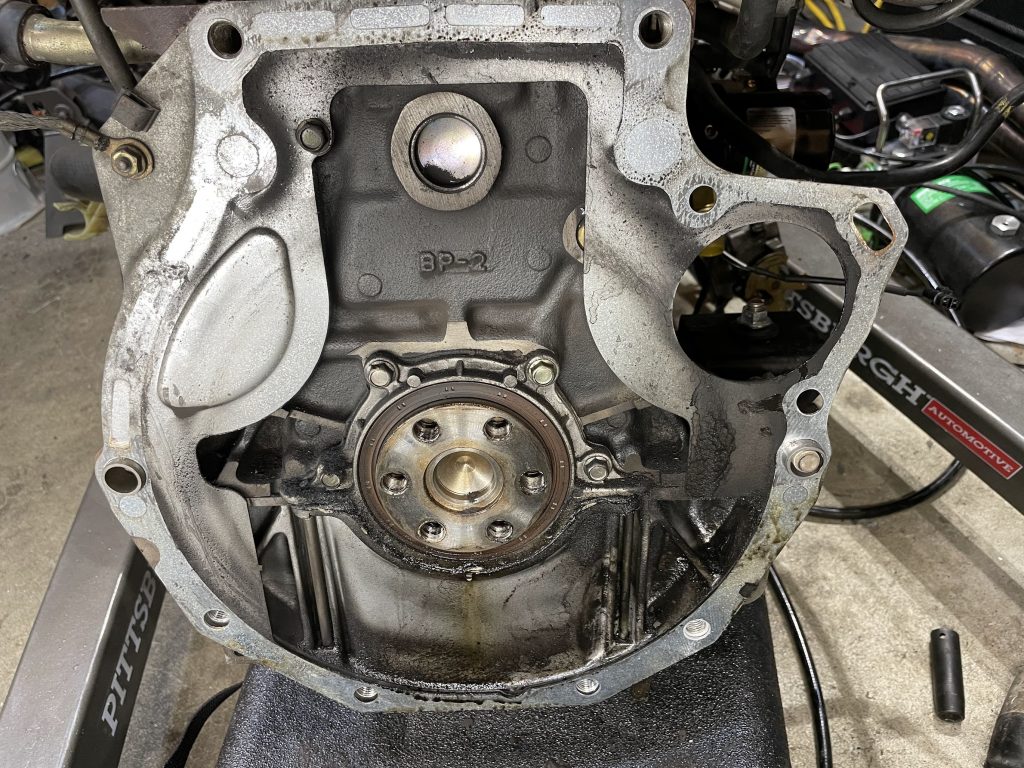
Following the extraction, the focus shifted to the "British roadster" heritage of the Mazda B-series engine. Historically, the Mazda B-engine family, which debuted in the 1980s, was influenced by classic European designs, inheriting both their charm and their propensity for oil seepage. To combat this, a comprehensive resealing strategy was implemented. This included the replacement of the front and rear crank seals, the camshaft seals, the valve cover gasket, and the transmission input and output shaft seals.
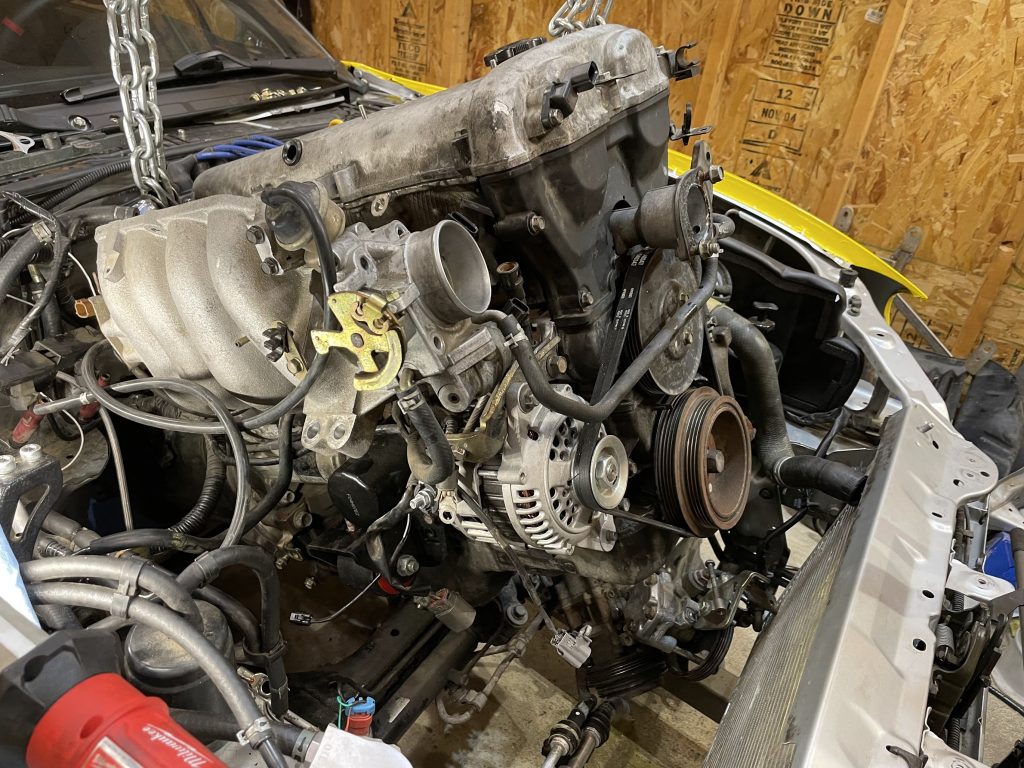
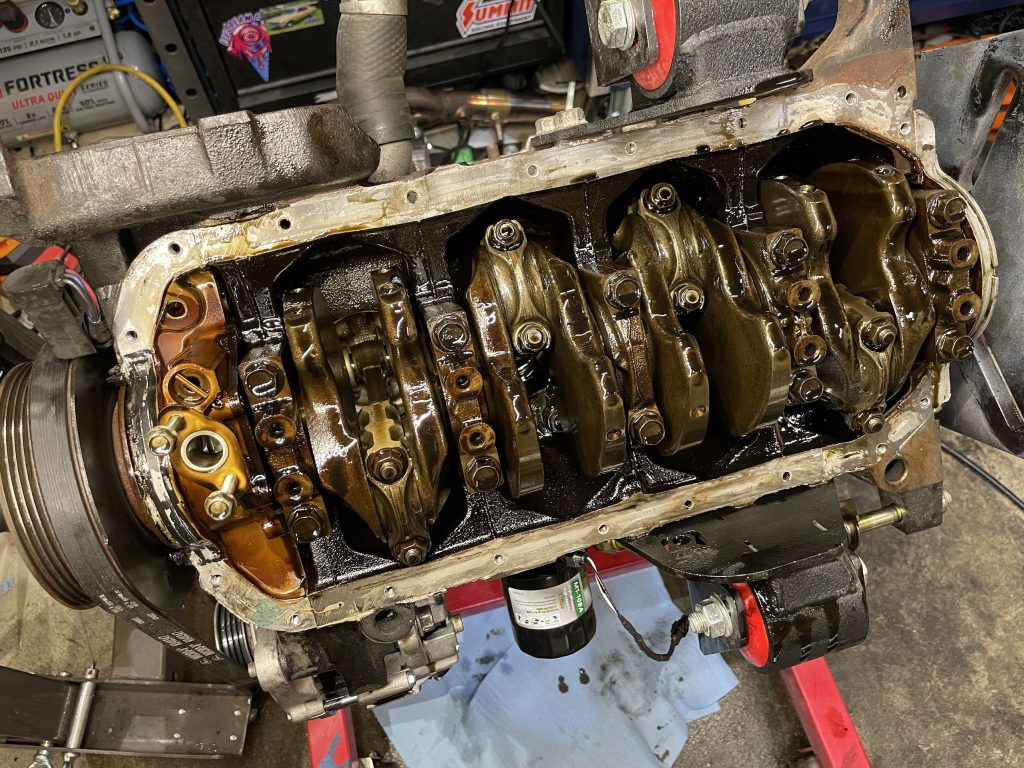
A critical phase of the chronology involved the oil pan. The original pan featured stripped drain plug threads—a common result of over-torquing during routine maintenance. The solution involved replacing the damaged unit with a verified used oil pan. This process is notoriously difficult due to the windage tray (baffle plate) sandwiched between the engine block and the pan. The technical team noted that the baffle plate is easily deformed during separation; therefore, a meticulous cleaning and resealing process was required to ensure the structural integrity of the lower block assembly.
Drivetrain Enhancements: Rotational Mass and Power Transfer
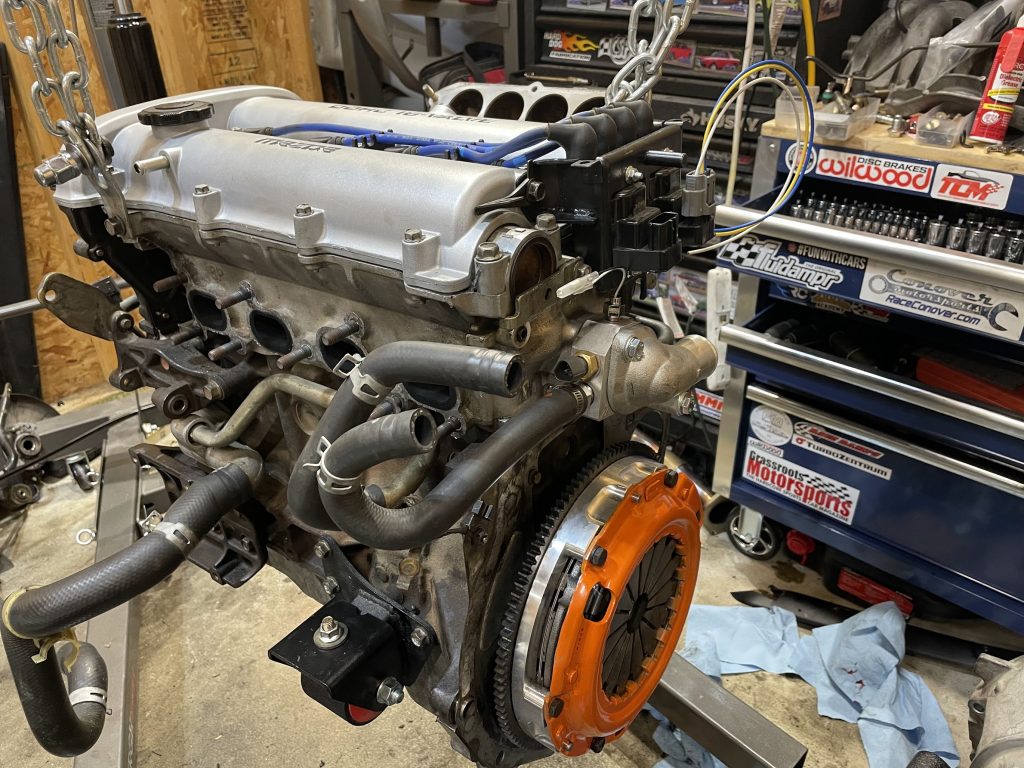
With the engine removed, the project transitioned from maintenance to performance optimization. The factory clutch and flywheel, likely original to the vehicle, were replaced with a Supermiata Sport Clutch and a 9lb aluminum flywheel. This selection was based on the need for a component that could handle future forced induction or high-compression modifications while maintaining street-legal drivability.
The technical implications of a 9lb flywheel are significant. By reducing the rotational inertia of the crankshaft assembly, the engine can fluctuate its RPMs with greater speed. This is particularly advantageous during "heel-and-toe" downshifting on a race track, where rapid rev-matching is essential for maintaining vehicle balance. While the lighter mass can theoretically make the vehicle more prone to stalling in stop-and-go traffic, the Supermiata organic disc was chosen to mitigate this, providing a factory-like engagement feel with a slightly increased pressure plate clamping force. Initial testing indicated a brief "break-in" period characterized by a distinct odor, a common phenomenon as the organic friction material heat-cycles and seats against the new flywheel surface.
Thermal Management: Correcting the Transverse Legacy
Perhaps the most vital reliability upgrade performed was the installation of a Hawley Performance coolant reroute kit. To understand the necessity of this modification, one must look at the history of the Mazda B6 and BP engines. Originally designed for transverse (front-wheel drive) applications like the Mazda 323, the engine’s cooling flow was optimized for a layout where the water pump and thermostat were on opposite ends of the block.
When Mazda adapted the engine for the longitudinal (rear-wheel drive) Miata, they moved the thermostat to the front of the engine, near the water pump, to facilitate easier service. This created a "short circuit" in the cooling path, where coolant would enter and exit the front of the engine, leaving the fourth cylinder at the rear to run significantly hotter than the others. Under track conditions, this thermal imbalance can lead to premature ring wear or head gasket failure.
The Hawley Performance kit, and similar designs like the Supermiata Qmax, moves the thermostat back to the rear of the cylinder head, forcing coolant to travel the entire length of the block. Technical data suggests that this reroute significantly flattens the temperature gradient across all four cylinders. While the installation is physically demanding due to the tight clearance between the engine and the firewall, the engine-out scenario provided the ideal window for this modification.
Induction and Aesthetics: The "Flat-top" Manifold and Refurbishment
The final stage of the mechanical overhaul involved the induction system. The 2000 NB Miata originally came equipped with the Variable Inertial Charging System (VICS), which uses butterflies in the intake runners to optimize torque across the rev range. However, for dedicated track use, enthusiasts often seek the European and Japanese Domestic Market (EUDM/JDM) "flat-top" intake manifold.
The flat-top manifold lacks the internal butterflies of the VICS or the later VTCS (Variable Tumble Control System) found in 2001–2005 models. This design offers a larger internal plenum volume and straighter runners, which are scientifically proven to improve high-RPM airflow. By simplifying the induction tract, the team also removed potential failure points associated with the vacuum-actuated solenoids required for VICS.
To conclude the project, the valve cover and the new intake manifold were stripped and refinished in an OEM-plus aluminum coating. This choice was pragmatic; while a polished mirror finish is aesthetically pleasing, an aluminum-toned paint hides the inevitable casting imperfections and resists the visible effects of heat cycling and minor abrasions better than high-gloss alternatives.
Analysis of Implications and Future Outlook
Despite the meticulous nature of the overhaul, the project serves as a reminder of the "persistent" nature of vintage automotive engineering. Post-installation testing revealed a minor recurring oil leak at the rear of the engine after approximately 500 miles of operation. This development highlights a critical reality in Miata maintenance: the interface between the rear main seal, the oil pan, and the rear main seal carrier is a high-stress point where even microscopic misalignments can lead to seepage.
The broader implication for the Miata community is the necessity of a "contingency infrastructure." The owner has already secured a spare BP-4W engine from a specialized UK breaker, Prestige Spares, to serve as a platform for a dedicated high-performance rebuild. This strategy allows the vehicle to remain operational while a "zero-hour" engine is prepared on a stand, minimizing downtime.
In conclusion, the extraction and refurbishment of the NB Miata powertrain represent a balance of corrective maintenance and proactive engineering. By addressing the cooling system’s historical flaws and upgrading the drivetrain’s response, the vehicle is better positioned for the rigors of competitive track use. However, the recurring leak underscores the ongoing challenge of maintaining 25-year-old sports cars, suggesting that for the dedicated enthusiast, the work of optimization is never truly finished. The project now moves into a phase of long-term monitoring, with upcoming technical reviews slated to focus on chassis safety and the annual performance metrics of the refreshed platform.