
 Farhan hamdan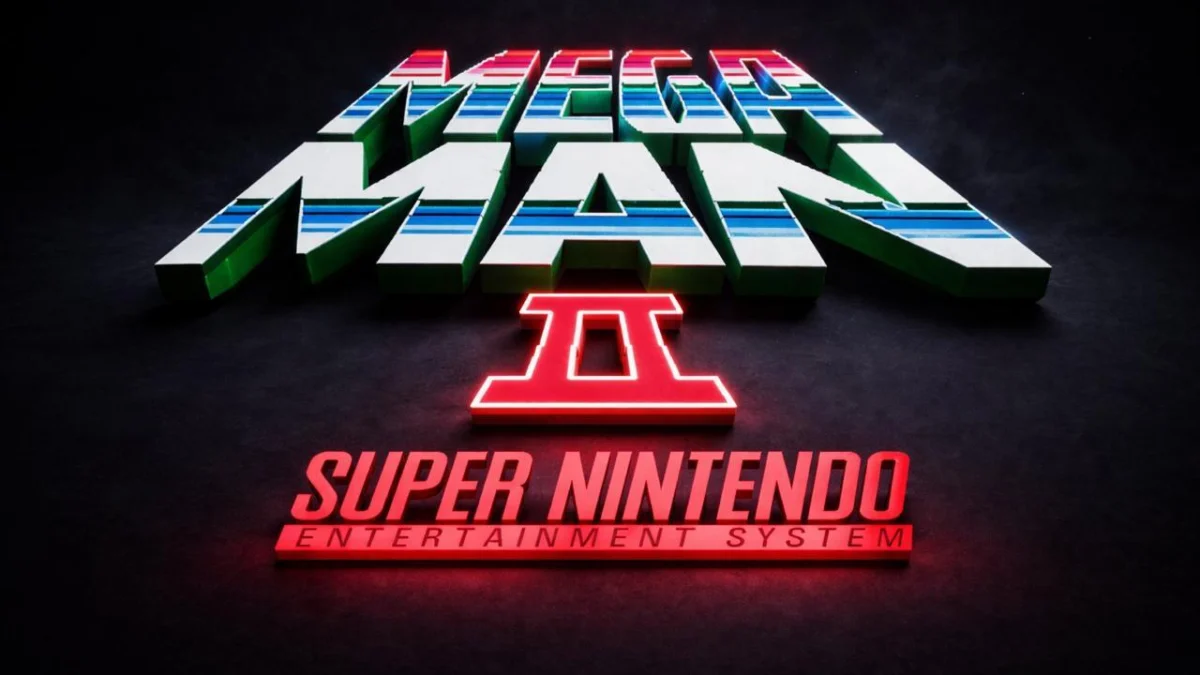
Developer Infidelity has officially announced a monumental project: a complete 16-bit aesthetic overhaul of the classic NES title Mega Man II, building upon his existing NES to SNES conversion. This ambitious undertaking aims to reimagine the beloved 8-bit platformer with the graphical and auditory capabilities of the Super Nintendo Entertainment System, promising a fresh visual and sonic experience while meticulously preserving the original gameplay integrity. The announcement, made through Infidelity’s Patreon and social media channels, has ignited considerable excitement within the retro gaming community, highlighting the enduring passion for classic titles and the innovative spirit of fan developers.
The Genesis of a Grand Vision: From 8-Bit Port to 16-Bit Reimagining
The journey towards this 16-bit transformation began with Infidelity’s earlier work: a direct NES to SNES conversion of Mega Man II. This initial project demonstrated the feasibility of porting 8-bit games to more powerful 16-bit hardware, primarily focusing on performance enhancements. The previous conversion already delivered a noticeable reduction in the sprite flicker and slowdown that often plagued demanding NES titles, leveraging the SNES’s superior processing power and hardware-accelerated sprite handling. This foundation proved that Mega Man II‘s core mechanics could thrive in a 16-bit environment, setting the stage for a more comprehensive artistic and technical upgrade. The current announcement takes this concept significantly further, moving beyond mere performance optimization to a full-fledged aesthetic reimagining.
Infidelity’s dedication to preserving the authentic gameplay experience remains a cornerstone of this new project. The 16-bit overhaul is designed to play "exactly like the original NES version" and his current SNES conversion. This commitment ensures that veteran players will find the familiar challenge and precise controls they remember, free from any unintended alterations to level design, enemy behavior, or physics. The core objective is not to remake the game in terms of mechanics, but to enhance its presentation, making it feel as if Mega Man II had been conceived and developed for the Super Nintendo from its inception.
Technical Ambitions: Graphics, Sound, and Performance Enhancements
The most significant aspect of this overhaul lies in its commitment to a complete visual transformation. Unlike simpler ports or asset swaps, Infidelity explicitly stated that this will "not just be an asset conversion of Wily Wars." Mega Man: The Wily Wars for the Sega Genesis/Mega Drive famously offered 16-bit remakes of the first three Mega Man games, but its art style and overall execution often drew mixed reactions. Infidelity’s project aims for a distinct aesthetic, one that truly evokes the SNES era.
The developer is actively seeking a talented pixel artist to collaborate on the project. This open call for collaboration underscores the community-driven nature of many fan projects and the potential for diverse artistic visions to coalesce. Should an dedicated artist not be found, Infidelity has outlined a fallback strategy: utilizing existing tilesets from other acclaimed SNES Mega Man titles, such as Mega Man VII or Mega Man X. This pragmatic approach would involve carefully selecting and adapting assets to match the aesthetic and thematic nuances of individual levels within Mega Man II, ensuring a cohesive and high-quality visual experience even without a dedicated new artist. The ultimate goal, however, remains to craft entirely new 16-bit graphics that capture the spirit of the original while leveraging the SNES’s expanded color palette and sprite capabilities.
Beyond visuals, the project harbors equally ambitious audio goals. A "true dedicated SPC700 soundtrack" is planned for the game in its 16-bit mode. The SPC700 is the SNES’s dedicated sound chip, renowned for its ability to produce rich, complex, and high-quality audio through sampled instruments and sophisticated synthesis. This contrasts sharply with the NES’s more limited five-channel programmable sound generator (PSG). Implementing a new SPC700 soundtrack would mean re-arranging and re-orchestrating Mega Man II‘s iconic melodies to take full advantage of the SNES’s audio hardware, potentially delivering a much fuller, more dynamic, and immersive soundscape. This is a considerable undertaking in itself, requiring skilled composers and sound engineers familiar with the SNES’s unique audio architecture. The prospect of hearing classics like "Dr. Wily’s Castle" or "Flash Man Stage" re-envisioned with SNES-quality instrumentation is a major draw for many fans.
Furthermore, the project includes several quality-of-life enhancements that address long-standing criticisms of the original NES game. One significant planned improvement is the "complete removal of sprite flicker." Sprite flicker, a common issue on the NES, occurred when too many sprites were displayed on a single scanline, forcing the console to rapidly alternate their visibility to avoid exceeding hardware limits. While the initial SNES conversion already reduced this, Infidelity’s re-doing of the game’s code aims to eliminate it entirely, providing a consistently smooth visual experience. Another intriguing feature under consideration is the ability to switch between 8-bit and 16-bit modes dynamically, a concept famously implemented in games like Wonder Boy: The Dragon’s Trap. This would offer players the unique choice to experience the game in its original graphical fidelity or its new 16-bit incarnation on the fly, adding significant replay value and a fascinating comparative element.
Developer Background and Community Engagement

Infidelity, known for their meticulous work in NES to SNES conversions, has established a reputation within the retro gaming scene for their technical prowess and dedication. Their Patreon page serves as a central hub for updates, early access to projects, and a direct channel for community interaction. Supporters gain real-time insights into development progress, technical challenges, and artistic decisions, fostering a strong sense of community involvement. The Patreon model has become a vital mechanism for funding ambitious fan projects like this, allowing developers to dedicate time and resources to their passion projects outside traditional commercial structures.
The developer’s previous work, including the initial Mega Man II SNES port with MSU-1 audio support, showcased their capability to not only port games but also integrate advanced features. MSU-1 (Media Streaming Unit-1) is a custom enhancement chip developed for the SNES that allows for CD-quality audio playback and full-motion video, significantly expanding the console’s multimedia capabilities. While the new project aims for a dedicated SPC700 soundtrack for its 16-bit mode, the experience with MSU-1 highlights Infidelity’s comfort with pushing the boundaries of SNES hardware. Resources detailing Infidelity’s earlier conversions are available through platforms like the Internet Archive, demonstrating a track record of successful and technically sound projects.
The Broader Context: Fan-Driven Preservation and Enhancement
This Mega Man II 16-bit overhaul is a prime example of the vibrant and continually evolving landscape of fan-driven game preservation and enhancement. For decades, communities of enthusiasts have engaged in ROM hacking, fan translations, and homebrew development, breathing new life into classic titles. These projects often stem from a deep love for the source material and a desire to see games reach their full potential or become accessible to wider audiences.
The phenomenon of NES to SNES conversions is a particularly interesting niche. It represents a bridge between two iconic generations of Nintendo hardware, allowing developers to leverage the superior capabilities of the SNES—such as larger sprite limits, more colors, dedicated sound hardware, and faster processing—to enhance games originally constrained by the NES’s 8-bit architecture. These conversions offer a unique appeal: they provide a modernized experience without fundamentally altering the cherished gameplay that defined the originals. This approach contrasts with official remakes, which sometimes diverge significantly from the source material, or simple emulation, which perfectly replicates the original but does not address inherent technical limitations like slowdown or flicker.
The implications of such projects are manifold. They contribute significantly to the cultural preservation of video game history, making classic titles more palatable and enjoyable for contemporary audiences who might be less tolerant of older technical limitations. They also serve as a powerful testament to the creative potential within gaming communities, showcasing the talent and dedication of individuals who often work independently, driven solely by passion. Furthermore, these projects foster an environment of continuous innovation, pushing the boundaries of what’s possible with retro hardware and software.
Anticipation and Future Outlook
While no release date has been set, a common characteristic of such ambitious fan projects, the announcement alone has generated considerable buzz. The development timeline for a project of this scope, especially one seeking artistic collaboration, could span several years. However, the transparent development process, supported through Patreon and social media, ensures that the community will be kept informed as the project progresses.
The prospect of experiencing Mega Man II, a game widely considered one of the greatest NES titles of all time, with a full 16-bit SNES makeover is a compelling one. It offers a unique blend of nostalgia and novelty, promising to deliver a definitive version of the classic for a new era of retro gaming enthusiasts. The project’s success could further inspire similar undertakings, solidifying the role of fan developers in enriching the legacy of video game history. As Infidelity embarks on this intricate journey, the retro gaming world watches with keen anticipation, eager to witness the rebirth of a legend in glorious 16-bit fidelity. Regular updates are expected through Infidelity’s Patreon and social media, and the retro gaming media, including RetroRGB, has pledged to keep the community informed as key milestones are reached. The collaborative call for an artist marks a critical early phase, underscoring that this is truly a community-powered endeavor at its heart.








