Cecilia Chamidah Nur
A decade ago, the Sonic Boom initiative was conceived as Sega’s ambitious attempt to re-energize its iconic Blue Blur, Sonic the Hedgehog, through a sprawling cross-media blitz encompassing video games, an animated television series, and a comprehensive merchandise line. This ambitious strategy aimed to introduce Sonic to a new generation, giving the beloved character a fresh lease on life and expanding his appeal beyond traditional gaming audiences. However, as revealed by former developer Chris Senn, the journey to realize this vision was fraught with significant challenges, ultimately leading to a series of critically panned video games and a stark lesson in the complexities of multimedia production.
The Genesis of Sonic Boom: A Cross-Media Vision
Sega’s decision to launch Sonic Boom in the early 2010s was not a sudden impulse but rather a strategic response to the evolving entertainment landscape and the need to maintain the Sonic franchise’s relevance. By this point, Sonic had a long and storied history, marked by both critical successes and divisive entries. The Sonic Boom project, announced in 2014, represented a bold departure, featuring redesigned characters and a distinct universe separate from the main Sonic continuity. This "new take" was intended to be highly synergistic, with the animated series, toys, and video games launching in close proximity to maximize market impact.
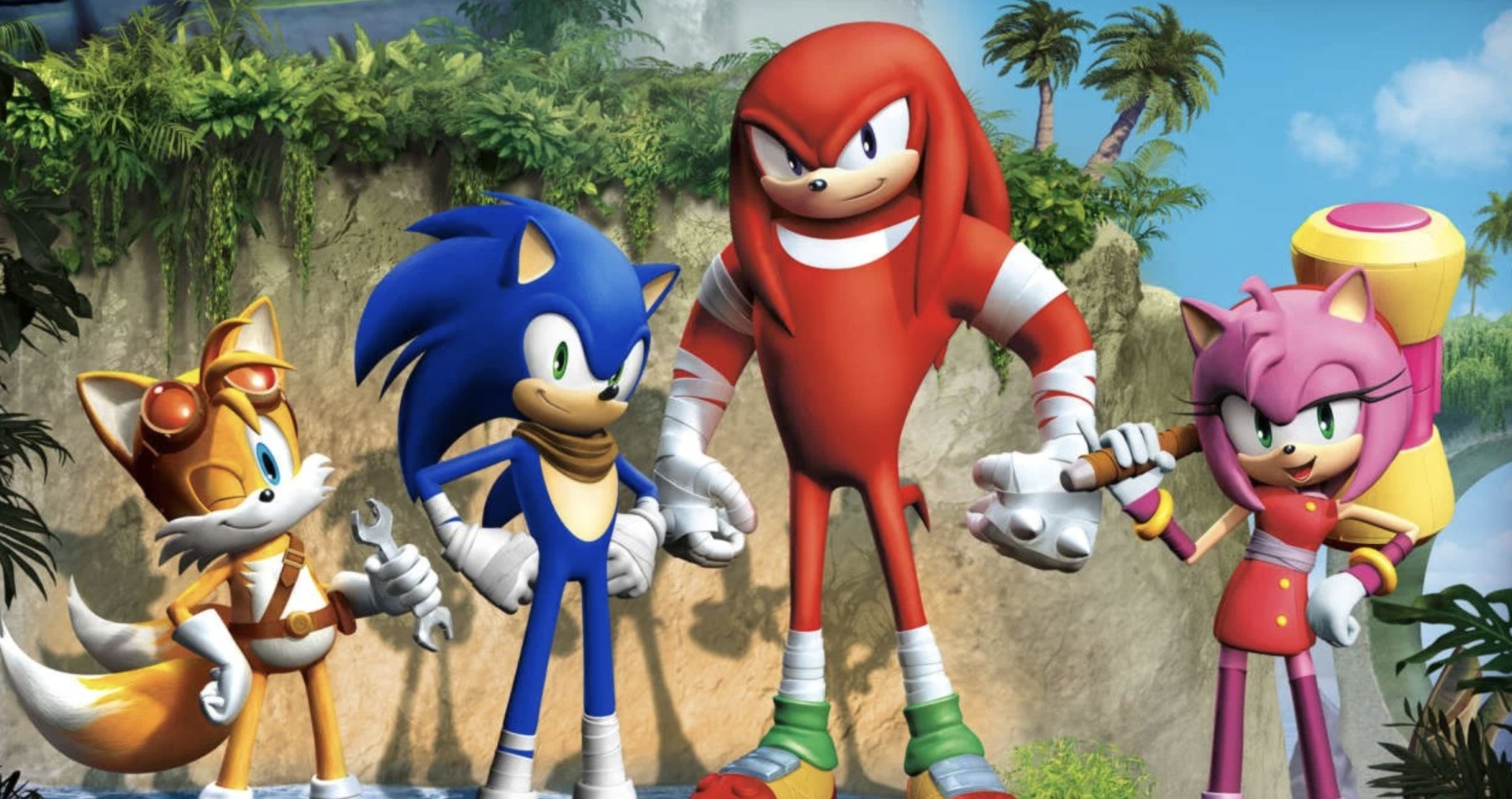
The central video game component of this initiative included Sonic Boom: Rise of Lyric for the Wii U and Sonic Boom: Shattered Crystal for the Nintendo 3DS, with a later 3DS title, Sonic Boom: Fire & Ice, released in 2016. These games were developed by Big Red Button Entertainment (for Rise of Lyric) and Sanzaru Games (for the 3DS titles), under the guidance of Sega and Nintendo. The ambition was palpable: to create a cooperative action-adventure experience that emphasized teamwork among Sonic, Tails, Knuckles, and Amy, diverging from the traditional high-speed platforming the series was known for.
Big Red Button and the Ambition of Cooperative Gameplay
Chris Senn, a veteran developer with a history at Sega Technical Institute, where he worked on the ill-fated Sonic X-treme, joined Big Red Button Entertainment specifically for the Sonic Boom project. His motivation was deeply personal and professional: to finally complete a Sonic game, thereby closing a chapter left open by X-treme‘s cancellation. More importantly, Senn was drawn to Sonic Boom‘s core design philosophy: "stronger with your friends." This simple yet powerful statement ignited his imagination, promising a real-time cooperative Sonic experience that felt innovative and engaging.
The initial vision for Rise of Lyric was revolutionary for the franchise. It aimed to build a game where players truly collaborated, leveraging each character’s unique abilities to navigate environments, solve puzzles, and overcome obstacles. Sonic’s speed, Tails’ flight, Knuckles’ strength, and Amy’s agility were meant to intertwine seamlessly, fostering a dynamic multiplayer experience. This emphasis on teamwork was intended to differentiate Sonic Boom from previous Sonic titles, appealing to a broader audience that valued cooperative play.
However, as Senn recounts, the reality of development diverged sharply from this ambitious blueprint. Financial constraints and dwindling timelines forced critical compromises. "We were running out of time and money," Senn explained, leading to decisions that "chopped all of the awesome cooperative stuff from the game." What remained was a diluted experience, a single-player game with optional co-op elements that felt tacked on and uninspired. Senn’s sarcastic recollection of the final cooperative mechanics – "Hey, let’s work together. I’ll stand on this pressure plate.’ ‘Oh, I’ll stand on the other pressure plate. This is so fun.’" – encapsulates the profound disappointment felt by developers who had envisioned something far grander. The cooperative promise, the very reason Senn joined the project, was ultimately sacrificed.
Development Hurdles: Unfinished Hardware and Conflicting Demands
The challenges faced by the Sonic Boom development team extended far beyond internal design compromises. A significant hurdle was the target platform itself: the Wii U. When production commenced, the Wii U was not yet a finalized console. This meant developers were working with incomplete specifications and unstable development kits, a notoriously difficult scenario in game development. "We were developing for a new hardware device – the Wii U – which wasn’t finished yet, so we didn’t have all the specs and we didn’t necessarily have versions we could run that were bug-free," Senn stated. This constant struggle with nascent hardware created a foundation of instability, making optimization and bug fixing an uphill battle throughout the project.
Adding to this technical complexity was the enormous pressure of the multimedia launch schedule. Sonic Boom: Rise of Lyric was not a standalone game; it was one crucial pillar in a vast, interconnected ecosystem. "Nintendo and Sega were building this huge launch plan where our game would tie into another game being made, that would tie into a TV show, that would tie into a whole new toy line," Senn revealed. This intricate web of dependencies meant that design decisions for the game were often dictated by external factors, such as the requirements for the animated series or the nascent toy designs.
Developers found themselves in an impossible position, having to integrate elements like specific vehicles requested by the toy line designers, even when the game was mere months from shipping. Such last-minute demands, imposed by the overarching cross-media strategy, severely hampered the team’s ability to polish the core gameplay. The prioritization of cross-promotional synergy over core game development quality became a defining characteristic of the project’s later stages. Senn candidly admitted, "Had the decision not been made to make this what it ultimately turned out to be – bugs aside – I don’t know if the game would have shipped, honestly." This underscores the immense pressure to meet an externally imposed deadline, regardless of the game’s readiness.
The Identity Crisis: "The Slowest Sonic Game Ever"
Perhaps the most fundamental issue, and certainly the most personally disappointing for Senn, was the game’s profound identity crisis regarding speed. For three decades, "speed" has been synonymous with Sonic the Hedgehog. Yet, in Sonic Boom: Rise of Lyric, this core tenet was conspicuously absent. Senn recalled raising concerns six months before shipping, questioning the lack of speed in a game filled with combat and puzzles. The response he received was definitive and startling: "Well, we’re not making a classic Sonic game."
This philosophical divergence culminated in a now-infamous pitch: "This is going to be the slowest Sonic game ever." This statement, antithetical to the very essence of the franchise, highlights a deep misunderstanding or deliberate re-prioritization of Sonic‘s identity. While Senn acknowledged that a strong cooperative element might justify a slightly slower pace, the final product delivered neither the promised robust co-op nor the iconic speed. "Ultimately, what we created didn’t do either," he lamented. The game thus failed to carve out a new identity while simultaneously abandoning the established one, leaving it in an unenviable creative limbo.
Critical Reception and Commercial Impact
Upon its release in November 2014, Sonic Boom: Rise of Lyric was met with overwhelmingly negative reviews. Our friends at Nintendo Life awarded the Wii U version a 4/10, concluding that it was "a worrying misstep for Sega." They criticized it as "a mishmash of ideas that never got to fully develop," echoing Senn’s sentiments about the rushed and compromised development. The critical consensus was similarly harsh across the industry. Sonic Boom: Rise of Lyric currently holds a dismal Metacritic score of 32/100, based on 52 critic reviews, placing it among the lowest-rated games of its generation. Common criticisms included its numerous technical glitches, repetitive combat, uninspired level design, and, crucially, its failure to deliver on the promise of speed or engaging cooperative play.
The Nintendo 3DS counterpart, Sonic Boom: Shattered Crystal, fared only marginally better, securing a Metacritic score of 47/100. While generally considered less buggy than its Wii U sibling, it still suffered from issues like repetitive gameplay, simplified mechanics, and a lack of depth. The later 3DS title, Sonic Boom: Fire & Ice (2016), showed some improvement, earning a Metacritic score of 62/100, but by then, the initial damage to the Sonic Boom brand had been done.
Commercially, the Sonic Boom games did not achieve the success Sega had hoped for. While exact sales figures are often not disclosed, Rise of Lyric was widely considered a commercial disappointment, contributing to the broader struggles of the Wii U console, which itself faced challenges in market penetration. The lukewarm reception of the games undoubtedly impacted the overall multimedia initiative, failing to provide the strong gaming pillar needed to support the TV show and merchandise lines effectively.
Broader Implications for the Sonic Franchise and Cross-Media Strategies
The failure of Sonic Boom served as a significant cautionary tale for Sega and the video game industry at large. For Sega, it necessitated a period of introspection regarding the direction of its flagship franchise. The post-Boom era saw a more conservative approach to Sonic game development, focusing on titles that embraced the character’s core strengths, such as Sonic Mania (2017), which harked back to the classic 2D speed-focused gameplay, and Sonic Frontiers (2022), which, despite its open-zone approach, prioritized high-speed traversal. The Sonic Boom universe ultimately faded, with the games receiving no direct sequels beyond Fire & Ice, and the animated series concluding in 2017.
Beyond Sega, Sonic Boom‘s troubled development underscored the inherent risks of tightly integrated cross-media strategies. While the allure of simultaneous launches across different entertainment platforms is powerful, the practicalities of coordinating multiple creative teams, differing production cycles, and evolving hardware can create an insurmountable pressure cooker. Game development, in particular, requires iterative design, extensive testing, and the freedom to adapt, which can be severely constrained when tied to external deadlines for television production or toy manufacturing. The incident highlighted how a lack of autonomy and the imposition of external design mandates can dilute the core experience of a video game, irrespective of the talent involved.
Legacy and Future of Sonic
Chris Senn’s interview provides invaluable insight into the internal struggles that plagued Sonic Boom: Rise of Lyric. His account reveals a development team caught between ambitious creative visions, the harsh realities of technical limitations, and the unyielding demands of a large-scale multimedia launch. The cancellation of his earlier project, Sonic X-treme, left an open wound, and while Sonic Boom offered a chance at closure, it ultimately presented a different kind of disappointment – the failure to realize a game’s full potential due to external pressures and a fundamental deviation from the character’s essence.
The Sonic Boom era stands as a unique, albeit challenging, chapter in the Sonic franchise’s history. It was an ambitious experiment that aimed to reinvent and revitalize, but its execution was undermined by a confluence of technical difficulties, creative compromises, and an identity crisis. The lessons learned from this period have undoubtedly influenced Sega’s subsequent strategies, reinforcing the importance of staying true to a franchise’s core appeal while still exploring new avenues. As Sonic continues to evolve with new games, movies, and animated series, the story of Sonic Boom remains a poignant reminder of the intricate dance between creative vision, commercial ambition, and the harsh realities of game development.
The full interview with Chris Senn, which also delves into the fascinating history of Sonic X-treme, offers further perspective on these complex development processes. For those interested in the broader context, Nintendo Life’s ‘Sonic Boom at Ten’ feature provides an insightful retrospective on this brief yet impactful sub-franchise.
[source segaretro.org]