Cecilia Chamidah Nur
The world of classic gaming continues to evolve, bringing forth a blend of nostalgic reflections, technological advancements, and significant industry shifts. This past week, several stories captured the attention of enthusiasts, from candid admissions about past cinematic failures to major console generations officially entering the "retro" lexicon, alongside crucial developments in game preservation and community engagement.
Rosamund Pike Reflects on the DOOM Film: A "Catastrophe" That Nearly Ended Careers
In a remarkably candid revelation this past week, acclaimed actress Rosamund Pike openly discussed her experience starring in the 2005 live-action adaptation of the seminal first-person shooter DOOM, labeling the film "probably one of the worst films ever made." Her forthright assessment underscores the persistent challenges inherent in translating beloved video game franchises to the silver screen.
Pike, whose career has since flourished with roles in critically acclaimed films such as Gone Girl and I Care a Lot, did not mince words when describing the project’s impact. "The film was an absolute bomb. It probably could have ended my career," she stated, emphasizing the financial and critical failure that often accompanies such ambitious yet ill-fated adaptations. The DOOM film, which also starred Dwayne "The Rock" Johnson, grossed approximately $58.7 million worldwide against a production budget estimated at $60 million, failing to recoup its investment and receiving overwhelmingly negative reviews from critics and fans alike. Its Rotten Tomatoes score stands at a dismal 18%, emblematic of the widespread disappointment it generated.
The 2000s were a particularly tumultuous period for video game movie adaptations, with many projects struggling to capture the essence of their source material or find commercial success. Films like House of the Dead (2003), Alone in the Dark (2005), and BloodRayne (2006) frequently landed on lists of the worst films ever made, contributing to a prevailing skepticism within Hollywood regarding the genre’s viability. Pike’s comments highlight the personal and professional risks actors take when signing onto such projects.
Despite her initial fears, Pike acknowledged that the film did not, in fact, derail her career or that of her co-star. "But then it wasn’t career-ending for The Rock, or me as it turned out," she mused. Dwayne Johnson, already a rising star at the time, leveraged his charismatic screen presence to pivot into a string of successful action films and eventually became one of Hollywood’s highest-grossing actors. Pike, similarly, demonstrated resilience and versatility, going on to achieve critical acclaim and an Academy Award nomination. Their ability to transcend the DOOM film’s failure speaks to their individual talents and strategic career choices.
The enduring legacy of the DOOM film serves as a cautionary tale, yet also as a point of reflection on the evolution of video game adaptations. While many early attempts faltered, more recent endeavors like Arcane, The Last of Us, and Sonic the Hedgehog have demonstrated that successful adaptations are possible when creative teams deeply understand and respect the source material, or are willing to innovate rather than merely replicate. Pike’s retrospective offers a valuable, if painful, insight into a significant chapter in the history of video game cinema.
Bleem! Creator Reveals Sega’s Unexpected Enthusiasm for PlayStation Games on Dreamcast
A fascinating piece of gaming history resurfaced this week, as Randy Linden, the principal programmer behind the groundbreaking PlayStation emulator Bleem!, disclosed that Sega actively encouraged his company to develop and release Bleemcast. This specialized emulator allowed users to play original PlayStation (PS1) games directly on the Sega Dreamcast, a revelation that sheds new light on the console war dynamics of the late 1990s and early 2000s.
Bleem!, initially launched in 1999 for PC, was revolutionary for its time, enabling PC users to play PS1 games with enhanced graphics. Its mere existence sparked a significant legal battle with Sony, who viewed it as a threat to their intellectual property and console sales. Despite Sony’s aggressive legal actions, Bleem! largely prevailed in court, asserting its right to create emulators.
The subsequent development of Bleemcast for the Dreamcast, released in 2001, was shrouded in mystery and speculation regarding Sega’s involvement. Linden’s recent comments confirm what was previously only rumored: "We got in contact with Sega, and Sega was thrilled at the idea, and they sent us all the technical specs for the Dreamcast. They loaned us a Dreamcast hardware development system, including a GD-ROM writer and all the necessary software to do the development." This level of direct support from a first-party console manufacturer for software designed to run a rival’s games was virtually unprecedented.
Sega’s decision to support Bleemcast can be understood within the context of the Dreamcast’s challenging market position. Launched in 1999, the Dreamcast was a powerful and innovative console, but it struggled to gain significant market share against the juggernaut that was the PlayStation 2, which launched in 2000. Despite critical acclaim and a passionate fanbase, the Dreamcast suffered from a perceived lack of third-party support compared to Sony’s platform, and Sega was facing severe financial difficulties.
By encouraging Bleemcast, Sega likely sought to offer a unique selling proposition for the Dreamcast. The ability to play a vast library of existing PS1 titles, often with improved graphical fidelity due to the Dreamcast’s superior hardware, could have been a desperate bid to attract consumers who already owned PS1 games or were drawn to the PlayStation ecosystem. It presented the Dreamcast not just as a next-generation console but as a versatile entertainment hub capable of bridging generational gaps.
Ultimately, Bleemcast’s impact on the Dreamcast’s fortunes was limited. Bleem! Inc. ceased operations in 2001, partly due to the financial strain of the Sony lawsuit and the rapid market shift towards the PlayStation 2. However, Linden’s revelation highlights Sega’s innovative and sometimes unconventional strategies during its final console generation. It represents a fascinating moment where platform exclusivity was momentarily challenged by a console manufacturer willing to embrace interoperability, even if it meant showcasing a competitor’s content, in an attempt to survive in a fiercely competitive market. The historical account serves as a testament to the dynamic and often surprising alliances forged during pivotal moments in gaming history.
GameStop Declares Xbox 360, PS3, and Wii U "Officially Retro"
In a move that has both amused and affirmed the sentiments of many gamers, retail giant GameStop has issued a tongue-in-cheek statement declaring the PlayStation 3, Xbox 360, and Nintendo Wii U "for all practical purposes, now officially retro consoles." This informal but impactful proclamation by a major retailer signifies a critical juncture in the lifecycle of these seventh and eighth-generation platforms, marking their transition from contemporary systems to cherished pieces of gaming history.
The definition of "retro" in gaming is often fluid, typically encompassing consoles and games from at least two generations prior, or those that are no longer actively supported by their manufacturers with new software releases. The PlayStation 3 and Xbox 360, both launched in late 2005 and 2006 respectively, dominated the seventh console generation, bringing high-definition gaming and robust online multiplayer experiences to the mainstream. The Nintendo Wii U, launched in 2012, represented Nintendo’s foray into the eighth generation, albeit with limited commercial success.
GameStop’s declaration is not merely a marketing ploy; it reflects observable market trends and consumer behavior. As these consoles age, new game releases for them become non-existent, and their digital storefronts face closure or reduced functionality, such as the gradual winding down of the PS3 and Wii U eShops. This shift drives a growing demand for physical copies of games and original hardware among collectors and enthusiasts seeking to preserve and revisit these eras. The retro gaming market, globally valued at over a billion dollars, thrives on this cyclical appreciation for older systems.
The Xbox 360, with its pioneering Xbox Live Arcade and achievements system, and the PlayStation 3, known for its powerful Cell processor and free online multiplayer, defined a significant era of gaming. Iconic titles like Grand Theft Auto V, The Elder Scrolls V: Skyrim, and Mass Effect spanned these platforms, selling millions and leaving an indelible mark on game design. The Wii U, despite its commercial struggles, boasts a unique library of first-party Nintendo titles, many of which have been ported to the Nintendo Switch, highlighting their enduring quality. Its innovative GamePad concept, though ahead of its time, has cemented its place as a fascinating footnote in Nintendo’s hardware history.
For GameStop, recognizing these consoles as "retro" likely influences their inventory management, pricing strategies for pre-owned games and hardware, and potential marketing efforts aimed at the burgeoning retro gaming community. It also signals to consumers that the window for finding new accessories or services directly related to these consoles is narrowing, further encouraging the retro collecting impulse. This unofficial "retro" status solidifies the cultural and historical significance of these platforms, ensuring their place in the ongoing narrative of video game evolution and preservation efforts.
Limited Run Games Vows "Renewed Fan-First Focus" Amidst Community Concerns
Publisher Limited Run Games (LRG), renowned for its physical releases of digital-only and niche titles, has announced a "renewed fan-first focus" aimed at addressing recent criticisms and enhancing its customer experience. The statement comes as the company faces increasing scrutiny from its dedicated community regarding issues such as prolonged shipping delays, inconsistent communication, and perceived saturation of its release schedule.
Since its inception in 2015, Limited Run Games has carved out a unique and highly successful niche, providing physical editions for countless indie and retro-inspired games that might otherwise remain digital-only. This mission resonated deeply with collectors and preservationists who value tangible media. However, as the company grew, scaling its operations to meet burgeoning demand proved challenging. Over the past few years, the LRG community has voiced concerns over escalating wait times for orders, often stretching beyond a year, and a perceived decline in the quality of customer service and updates.
The "renewed fan-first focus" commitment outlines several key areas for improvement: "celebrating the community, strengthening communication, and delivering a more consistent experience around every release." While specific actionable steps were not detailed in the initial announcement, industry observers anticipate that this will involve streamlining their production and fulfillment processes, increasing transparency regarding order statuses, and potentially re-evaluating their release cadence to ensure manageable workloads.
The physical media collecting market, while niche, is passionate and highly engaged. Companies like LRG operate on trust and the promise of delivering unique, high-quality collector’s items. When these expectations are not met, particularly concerning timeliness and communication, it can lead to significant dissatisfaction. The challenges faced by LRG are not unique; other smaller-scale publishers in the collector’s market have also grappled with similar logistical hurdles as their popularity surged.
This pivot towards a "fan-first" approach is crucial for Limited Run Games’ long-term sustainability and reputation. Rebuilding trust and demonstrating tangible improvements will be essential for retaining its loyal customer base and continuing its vital work in physical game preservation. The success of this initiative will undoubtedly set a precedent for how other specialized publishers navigate the complexities of a growing, yet demanding, collector’s market.

Konami’s Arcade Classic ‘Devastators’ Joins Arcade Archives on Modern Consoles
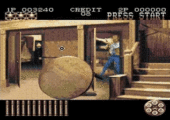
Hamster Corporation, the Japanese developer behind the acclaimed Arcade Archives series, has announced the upcoming reissue of Konami’s "3D View" run ‘n gun shoot ’em up, Devastators, for modern consoles. This release continues Hamster’s dedicated mission to bring a vast array of classic arcade titles, particularly from Konami’s illustrious catalog, to a new generation of players and preservation enthusiasts.
Devastators, originally released by Konami in 1988, stands out for its unique third-person perspective, which was somewhat ahead of its time for the genre. Players navigate through visually distinct environments, engaging in intense run ‘n gun combat against hordes of enemies. While not as widely recognized as some of Konami’s other arcade powerhouses like Gradius or Contra, Devastators offered a compelling and challenging experience that contributed to the rich tapestry of late 1980s arcade gaming.
Hamster’s Arcade Archives series has become an invaluable resource for retro gaming, meticulously emulating original arcade hardware to provide authentic experiences on contemporary platforms such as PlayStation 4, Nintendo Switch, and Xbox One. Their catalog includes hundreds of titles from various developers, but their partnership with Konami has been particularly fruitful, leading to reissues of classics like Frogger, Scramble, TwinBee, and many others. This commitment ensures that historically significant games are not lost to time, but remain accessible and playable.
The re-release of Devastators will allow players to experience its innovative gameplay and challenging difficulty with modern conveniences, including save states, customizable controls, and online leaderboards, encouraging both nostalgic replays and competitive new runs. For many, this will be their first opportunity to play the game outside of emulation or rare arcade cabinets, further solidifying Hamster’s role as a crucial custodian of arcade gaming history. The ongoing success of the Arcade Archives program underscores a strong demand for high-quality, authentic reissues of vintage games, demonstrating the enduring appeal and historical importance of the arcade era.
Final Fantasy IX Animated Series Confirmed to Be in Production
Fans of Square Enix’s beloved role-playing game Final Fantasy IX have reason to rejoice, as it has been officially confirmed that production has commenced on season one of a new animated series set within the game’s enchanting world. The news, quietly updated on the official website of French animation studio Eurovisual, signals a significant step forward for a project that has been the subject of speculation for some time.
Final Fantasy IX, originally released in 2000 for the PlayStation, is widely regarded as one of the most cherished entries in the iconic Final Fantasy series. Known for its return to a more traditional high-fantasy setting, its endearing cast of characters (including Zidane Tribal, Princess Garnet, Vivi Ornitier, and Steiner), and its poignant narrative themes of life, death, and identity, the game holds a special place in the hearts of many RPG enthusiasts. Its distinctive art style, inspired by classic European fairy tales, lends itself particularly well to animation.
Eurovisual, a studio with a track record in producing high-quality animated content, notably for younger audiences, is spearheading the project. While specific details regarding the series’ plot, target audience, or distribution platform remain under wraps, the confirmation of "production has begun on season one" suggests that the project has moved beyond conceptual stages into active animation and development. This typically involves character design finalization, scriptwriting, voice acting, and the laborious process of bringing the world of Gaia to life.
The announcement comes amidst a broader trend of video game adaptations finding increasing success across various media. Following the critical and commercial triumphs of series like Netflix’s Arcane (based on League of Legends) and HBO’s The Last of Us, Hollywood and international studios are recognizing the rich storytelling potential within video game universes. Previous Final Fantasy animated ventures, such as the feature film Final Fantasy: The Spirits Within (2001) and the CGI miniseries Final Fantasy VII: Advent Children (2005), have had mixed receptions, but the current climate appears more favorable for nuanced adaptations.
For Final Fantasy IX fans, the news instills a mix of excitement and cautious optimism. The challenge for Eurovisual will be to capture the game’s unique tone—its blend of humor, drama, and philosophical depth—while appealing to both longtime fans and new viewers. The successful translation of Final Fantasy IX‘s intricate world and memorable characters to an animated format could significantly broaden its appeal and introduce its timeless story to a new generation, further cementing its legacy within the pantheon of great RPGs.
Animal Crossing PC Port Controversy: AI Tool "Claude Code" Sparks Debate
News emerged this week that a newly developed native PC port of Nintendo’s popular Animal Crossing franchise utilizes AI tools, specifically "Claude Code," in its development, a revelation that has reportedly "put some people off the whole venture." This development ignites a fresh debate surrounding the increasing integration of artificial intelligence in game development and its implications for both creators and consumers.
The Animal Crossing series, celebrated for its charming life simulation gameplay, adorable characters, and tranquil atmosphere, has garnered immense popularity, particularly with Animal Crossing: New Horizons on the Nintendo Switch. A "native PC port" signifies a version of the game specifically engineered to run on PC hardware, rather than through emulation, typically offering enhanced performance, graphics, and compatibility. The creation of such a port from a console-exclusive title is a significant undertaking, often requiring substantial code re-engineering.
The controversy centers on the use of "Claude Code," which refers to code generated by AI models like Anthropic’s Claude. These AI-powered tools assist developers by generating, completing, or optimizing code snippets, potentially accelerating development cycles and reducing manual effort. While AI assistance in coding is not entirely new—tools like GitHub Copilot have been in use for some time—the explicit mention of a specific AI tool in the context of a major game port has amplified concerns.
Reactions from the gaming community have been mixed. Proponents of AI in development highlight its potential for efficiency, allowing smaller teams to achieve more ambitious goals or speeding up iterative processes. It can free up human developers to focus on more creative or complex problem-solving. However, a significant portion of the community expresses unease. Concerns range from the ethical implications of using AI-generated content (e.g., potential copyright infringement if the AI was trained on copyrighted code without permission) to fears about job displacement within the game development industry. Some players also voice a philosophical objection, feeling that AI-assisted development detracts from the "human touch" and artistic integrity of a game.
The debate around AI in creative industries is intensifying, touching upon everything from art generation to scriptwriting. For the Animal Crossing PC port, the "off-put" reaction suggests that for a segment of the audience, the method of creation impacts their perception and willingness to engage with the final product. This situation underscores the critical need for transparency from developers regarding their use of AI, and for ongoing discussions within the industry and broader society about the responsible and ethical deployment of these powerful new technologies. The implications of AI’s role in game development are far-reaching, potentially reshaping workflows, creative processes, and consumer expectations for years to come.
RetroAchievements Unleashes Massive Nintendo Wii Support
In a landmark expansion for the retro gaming community, RetroAchievements has officially added comprehensive support for the Nintendo Wii. This update marks the "biggest rollout ever" for the popular service, introducing over 180 achievement sets for a diverse array of Wii titles, significantly enhancing the replayability and challenge for players revisiting the console’s vast library.
RetroAchievements is a community-driven platform that integrates achievement systems into emulated retro games. Much like modern console achievement or trophy systems, it allows players to unlock digital accolades for completing specific in-game challenges, discovering secrets, or achieving milestones. The service breathes new life into classic titles, providing fresh incentives for exploration and mastery beyond their original design.
The addition of Nintendo Wii support is a monumental undertaking due to the console’s immense and varied game catalog. Launched in 2006, the Wii revolutionized gaming with its motion controls, appealing to both hardcore gamers and a broad casual audience. Its library includes groundbreaking first-party titles like Super Mario Galaxy, The Legend of Zelda: Twilight Princess, and Wii Sports, alongside a plethora of innovative third-party games. The "biggest rollout ever" signifies the sheer volume of achievement sets developed by the dedicated RetroAchievements community, a testament to their passion and commitment to game preservation and enhancement.
This expansion has several significant implications for the retro gaming scene. Firstly, it provides a powerful new incentive for players to revisit Wii games, many of which are now over a decade old. Achievements can encourage deeper engagement with games, prompting players to tackle challenges they might have overlooked in their initial playthroughs. Secondly, it further cements RetroAchievements’ position as a premier platform for retro game enhancement, extending its reach to a highly popular and historically significant console generation. Finally, it highlights the ongoing efforts within the gaming community to continually enrich and preserve gaming history, ensuring that even older titles can offer modern gaming experiences.
The integration of Wii support into RetroAchievements is a boon for preservationists and challenge-seekers alike, underscoring the enduring appeal of the console and the creativity of a community dedicated to celebrating gaming’s past.
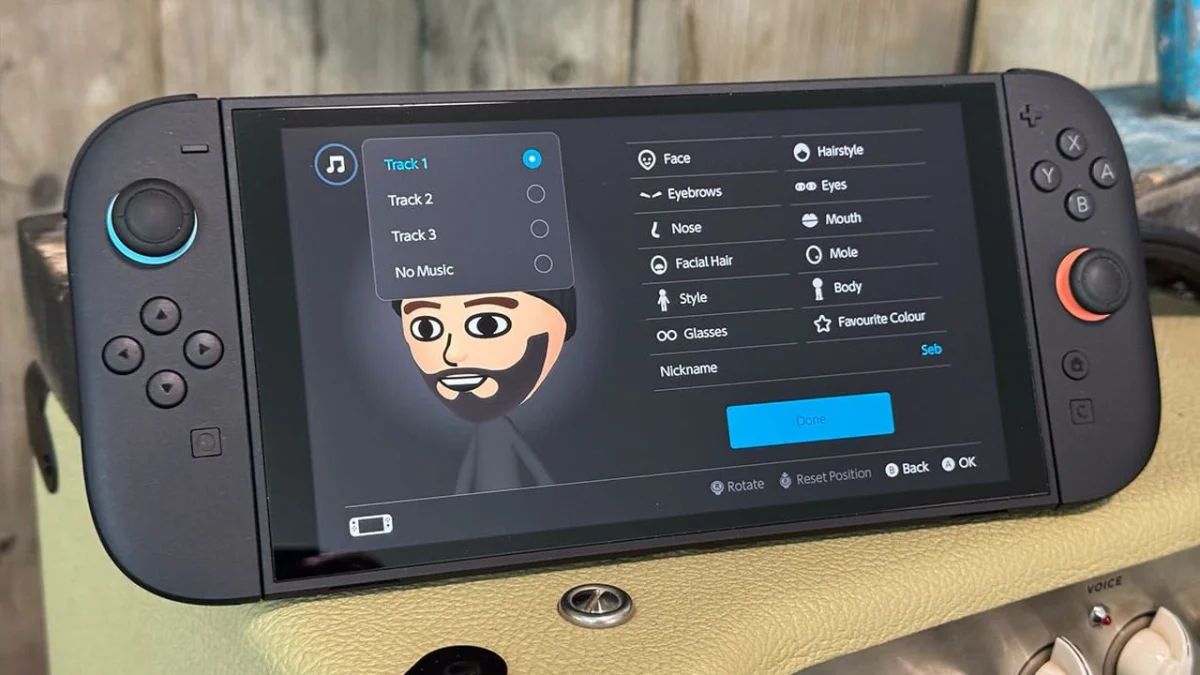
Review of the Week: AYANEO Pocket Air Mini – A Budget-Friendly Retro Handheld
This week’s notable hardware review focuses on the AYANEO Pocket Air Mini, a compact handheld device praised for combining budget-friendly performance with a build quality that significantly surpasses many of its direct competitors in the retro handheld market. The review positions the Pocket Air Mini as an easy recommendation for anyone seeking to play classic games on the go without a substantial financial outlay.
The handheld gaming market has seen a resurgence in recent years, fueled by devices like the Steam Deck and ROG Ally for modern PC gaming, and a thriving ecosystem of dedicated retro handhelds from manufacturers such as Anbernic, PowKiddy, and AYANEO. While Anbernic and PowKiddy often compete on aggressive pricing, their devices can sometimes feature variable build quality or less premium materials. AYANEO, on the other hand, is typically known for its higher-end, more expensive handheld PCs that boast premium components and robust construction.
The Pocket Air Mini appears to strike a compelling balance. By offering "a level of budget performance," it suggests that the device is capable of comfortably emulating a wide range of retro systems, from 8-bit and 16-bit classics up to potentially some sixth and seventh-generation consoles, without carrying the premium price tag of AYANEO’s more powerful models. Crucially, its "build quality far superior to that of Anbernic and PowKiddy" implies a more durable, comfortable, and aesthetically pleasing device, addressing a common complaint among users of budget retro handhelds. This superior craftsmanship, even at a lower price point, enhances the overall user experience, making it feel less like a compromise and more like a considered purchase.
The target audience for the Pocket Air Mini includes retro gaming enthusiasts, casual gamers looking for a dedicated portable emulation device, and those who appreciate premium design without needing cutting-edge performance. Its positioning suggests it’s designed to be a reliable, enjoyable platform for revisiting cherished classics, distinguishing itself from the crowded market by focusing on the often-overlooked aspect of hardware quality at an accessible price. This review highlights AYANEO’s strategic move to broaden its market appeal, offering a compelling option for those who prioritize a quality physical experience alongside their retro gaming needs.