
 Farhan hamdan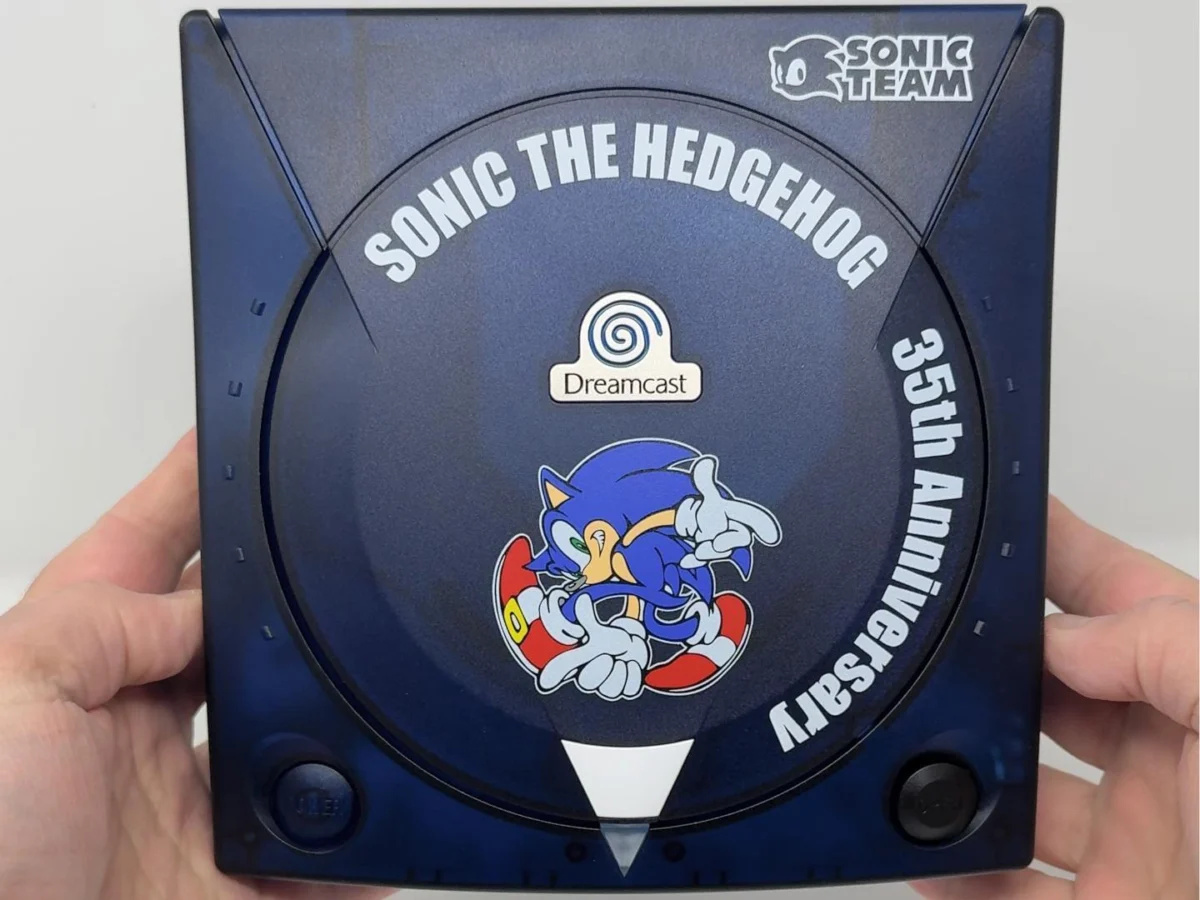
Yoei, a renowned manufacturer celebrated for its commitment to high-quality, injection-molded console replacement shells, has recently unveiled a distinctive "35th Anniversary" themed shell series for the Sega Dreamcast. This release, designed to commemorate the enduring legacy of Sonic the Hedgehog, offers enthusiasts a premium option to revitalize their classic consoles. Priced at approximately $100, these shells are available in multiple color variations, providing a sophisticated aesthetic upgrade and a durable replacement for aging original casings. The timing of this launch is particularly notable, aligning with the burgeoning community anticipation surrounding an unofficial but highly anticipated Dreamcast port of the critically acclaimed title, Sonic Mania.
The Genesis of a Celebration: Sonic’s Enduring Legacy and the Dreamcast’s Place
While the Sega Dreamcast made its debut in Japan on November 27, 1998, and in North America on September 9, 1999, several years after the original Sega Genesis and the introduction of Sonic the Hedgehog in 1991, the iconic blue blur remained an indelible part of Sega’s cultural identity. Sonic’s inaugural appearance in Sonic the Hedgehog for the Genesis established him as Sega’s primary mascot, a direct competitor to Nintendo’s Mario, and a symbol of speed and attitude that defined a generation of gaming. His 35th anniversary, officially set for 2026, is being celebrated pre-emptively or thematically through this special edition release, underscoring his pervasive influence across Sega’s hardware generations. The Dreamcast itself hosted two significant 3D entries in the franchise, Sonic Adventure (1998) and Sonic Adventure 2 (2001), which introduced new gameplay mechanics and further cemented Sonic’s place in the transition to 3D gaming. These titles, alongside a vibrant library of innovative games, solidified the Dreamcast’s status as a pioneering console, despite its relatively short commercial lifespan. Its advanced graphics for the era, online capabilities via its built-in modem, and focus on arcade-style experiences garnered a devoted following that persists to this day.
Yoei’s Craftsmanship: Elevating Console Aesthetics and Longevity
Yoei has established a formidable reputation within the retro gaming community for its meticulous approach to manufacturing replacement console components. The utilization of injection molding technology is central to their success, ensuring that each shell produced meets stringent standards for fit, finish, and durability. Unlike cheaper alternatives often produced through less precise methods, injection molding allows for complex designs, consistent quality, and materials that closely mimic or surpass the properties of original equipment manufacturer (OEM) parts. This precision is critical for replacement console shells, where perfect alignment of ports, buttons, and internal components is paramount for functionality and aesthetics.
The necessity for such high-quality replacement shells stems from a common issue plaguing vintage consoles: material degradation. Many early plastic casings, particularly those made from ABS plastic, are susceptible to a phenomenon known as "retro-brighting" or yellowing. This process is often exacerbated by exposure to UV light and the presence of bromine flame retardants in the plastic composition, leading to an unsightly discoloration and, in some cases, increased brittleness. Original Dreamcast shells are no exception, with many consoles exhibiting significant yellowing or even developing cracks over decades of use. Yoei’s injection-molded shells provide a robust and aesthetically pleasing solution, offering a perfect fit that breathes new life into cherished, but cosmetically compromised, Dreamcast units. The manufacturing process involves injecting molten plastic into a precisely machined mold, which then cools and solidifies into the desired shape. This method ensures minimal tolerances, smooth surfaces, and robust structural integrity, differentiating Yoei’s products from lower-quality reproductions.
A Timely Release: The Sonic Mania Dreamcast Port and Community Engagement
The introduction of the "35th Anniversary" Sonic Dreamcast shells is particularly well-timed, coinciding with significant developments in the retro gaming modding scene. A major factor is the ongoing community-driven effort to port Sonic Mania to the Sega Dreamcast. Sonic Mania, released in 2017, was a critically acclaimed return to the classic 2D platforming style that defined Sonic’s early years, celebrated for its nostalgic pixel art, innovative level design, and faithful adherence to the franchise’s roots. Developed by a team of fans and independent developers, it was published by Sega for modern platforms.
The endeavor to bring Sonic Mania to the Dreamcast represents a monumental undertaking by dedicated enthusiasts. While not an official Sega release, the prospect of playing a modern 2D Sonic masterpiece on its spiritual successor console has ignited considerable excitement within the Dreamcast community. This ambitious project, often tracked and discussed on platforms like X (formerly Twitter) by developers such as Falco Girgis (referenced in the original article), highlights the enduring passion for the Dreamcast and its potential for continued innovation through fan efforts. The synergy between a new, high-quality Sonic-themed shell and the imminent availability of a Sonic Mania port creates a compelling narrative for Dreamcast owners, offering a unique opportunity to house a modern classic within a console that visually celebrates its iconic mascot. This convergence exemplifies the vibrant interplay between hardware preservation, fan creativity, and the commercial offerings that cater to these niche but dedicated markets.
The Price of Perfection: Value Proposition in the Retro Market

The approximately $100 price point for a replacement console shell might appear substantial to an uninformed observer. However, within the context of the specialized retro gaming hardware market, this pricing reflects several critical factors: the advanced manufacturing techniques employed, the quality of materials, the niche demand, and the intrinsic value of console preservation. Injection molding, especially for relatively small batch productions like custom console shells, involves significant upfront investment in mold creation, which can cost tens of thousands of dollars. The precision required for these molds to ensure perfect component fit and alignment adds to the manufacturing complexity and cost.
Furthermore, the materials used by Yoei are selected for their durability and aesthetic appeal, often surpassing the longevity of original plastics. For collectors and enthusiasts, investing $100 in a premium shell is not merely an aesthetic upgrade but a practical measure to protect and extend the life of a console that is no longer in production. Considering the rising value of pristine vintage consoles, a high-quality replacement shell can also contribute to maintaining or even enhancing the console’s overall value. Compared to the costs associated with other high-end retro gaming modifications—such as internal HDMI output kits (which can range from $150-$300), optical drive emulators ($100-$200), or professional recapping services ($50-$150)—a $100 shell represents a competitive and justifiable investment for a critical external component that significantly impacts the console’s presentation and protection.
A Spectrum of Choice: Customization Options and Availability
Beyond the specific "35th Anniversary" Sonic theme, Yoei’s commitment to customization is evident in the variety of colors available for their Dreamcast replacement shells. While the video showcased a particular design, the official product listing on retro.cool, the primary vendor, confirms a broader palette. This range of options allows users to personalize their Dreamcast consoles to an unprecedented degree, moving beyond the standard white or grey of the original units. From translucent options that reveal the console’s internal circuitry to vibrant solid colors, these shells cater to diverse aesthetic preferences, transforming a functional replacement into a statement piece.
The availability through specialized retro gaming retailers like retro.cool is typical for niche products of this nature. These platforms serve as vital hubs for the retro gaming community, connecting manufacturers of high-quality, specialized components with enthusiasts who actively seek them out. The direct purchase link provided in the original article ensures easy access for interested buyers, streamlining the process of acquiring these sought-after upgrades. The presence of these options underscores a growing trend in the retro gaming scene: an emphasis not just on playing old games, but on curating and customizing the hardware itself, transforming consoles into unique artifacts.
The Broader Impact: Preserving Gaming History Through Modern Manufacturing
The emergence of manufacturers like Yoei and the availability of premium replacement parts like the "35th Anniversary" Sonic Dreamcast shells have a profound broader impact on the landscape of gaming preservation. As vintage consoles age, the physical degradation of their components becomes an increasing concern. Without the availability of high-quality replacement parts, many beloved systems would eventually succumb to wear and tear, rendering them unplayable or aesthetically unappealing. Third-party manufacturers, driven by passion and precision, fill a critical void left by original manufacturers who have long ceased production and support for these legacy systems.
By providing durable, aesthetically pleasing, and precisely engineered shells, Yoei contributes significantly to the sustainability of retro gaming. These shells enable enthusiasts to extend the functional and visual lifespan of their consoles, ensuring that future generations can experience these pivotal pieces of gaming history in their intended form. This movement extends beyond mere aesthetics; it fosters a culture of repair, customization, and preservation that actively combats obsolescence. The work of content creators, such as Bob from RetroRGB, who regularly showcase these products through livestreams and detailed reviews, plays a crucial role in validating their quality and informing the community, further cementing the trust and demand for such premium components. Their demonstrations, often involving detailed shell swaps and upgrades, provide practical guidance and showcase the tangible benefits of these investments.
Community Reception and Expert Endorsement
The retro gaming community’s reception to high-quality replacement parts is generally enthusiastic. Products like Yoei’s Dreamcast shells are often met with appreciation for their contribution to console preservation and customization. While direct statements from Yoei or Sega are not part of the original article, the very existence of such a product implies Yoei’s recognition of market demand and its commitment to meeting the high standards expected by enthusiasts. Sega, while typically protective of its intellectual property, generally adopts a permissive stance towards fan-made modifications and tributes that do not directly compete with its commercial offerings, particularly when they celebrate its heritage. The implied endorsement from prominent community figures like RetroRGB’s Bob, who dedicates significant airtime to showcasing these products, further solidifies their reputation and encourages adoption among a wider audience of modders and collectors. The livestreams mentioned in the original article, titled "Dremcast Shell Swap & Upgrades" and "Dreamcast: Shell & VMU Pro Stream," serve as practical demonstrations, validating the product’s quality and ease of installation for the community.
In conclusion, Yoei’s "35th Anniversary" Sonic Dreamcast shells represent more than just a cosmetic upgrade; they symbolize a convergence of nostalgia, modern manufacturing excellence, and dedicated community efforts. By offering high-quality, injection-molded replacements, Yoei not only addresses the practical needs of console preservation but also empowers enthusiasts to celebrate Sega’s iconic mascot and customize a beloved console for years to come, further cementing the Dreamcast’s enduring legacy in the annals of gaming history.








