Farhan hamdan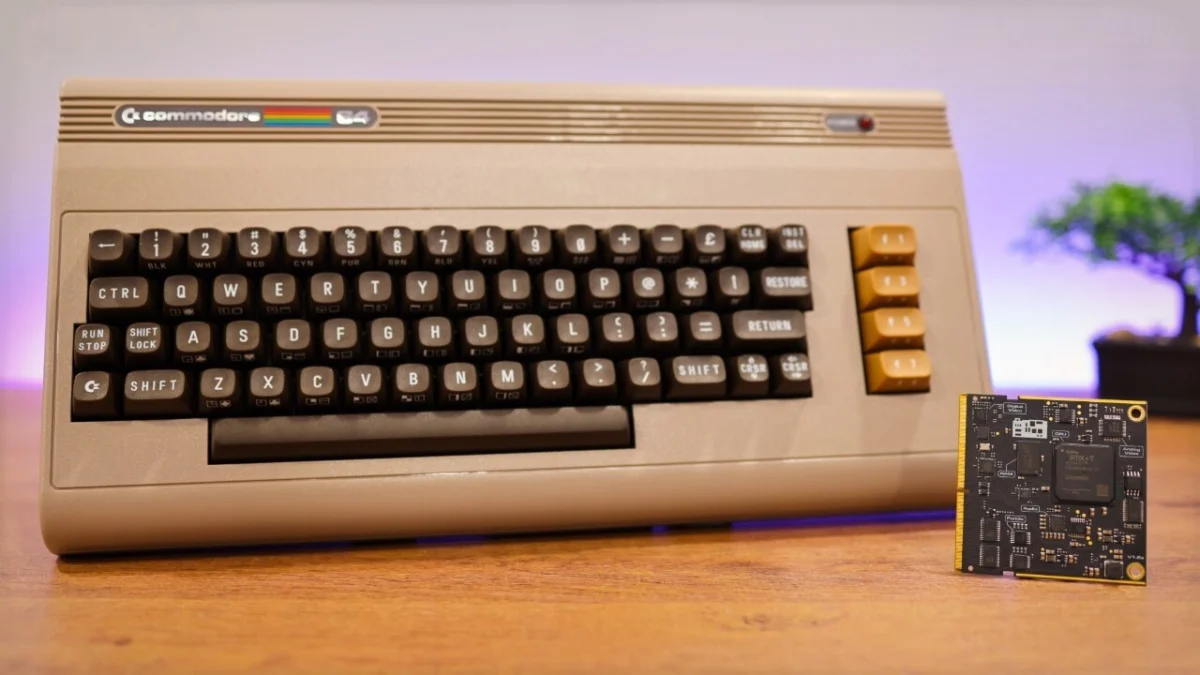
The intricate world of retro computing has been once again illuminated by a comprehensive review and teardown of the FPGA-based Commodore 64 Ultimate, meticulously presented by Ken from the acclaimed YouTube channel "What’s Ken Making." This detailed examination, which notably includes exclusive insights from both original and contemporary Commodore team members, offers an unparalleled look into a device poised to bridge the gap between historical computing and modern technological expectations. Ken’s signature in-depth analysis, encompassing a full overview and a forensic look at the internal components, provides enthusiasts and curious observers alike with crucial information regarding the authenticity and engineering prowess behind this modern homage to an iconic machine. For anyone with an interest in the C64 Ultimate, this review serves as an indispensable resource, delving far beyond surface-level impressions to reveal the very essence of its design and functionality.
The Rebirth of an Icon: The Commodore 64 Ultimate’s Vision
The Commodore 64 Ultimate represents a significant milestone in the retro computing landscape, not merely as a replica, but as a sophisticated re-implementation of the legendary Commodore 64 using Field-Programmable Gate Array (FPGA) technology. Unlike software emulation, which simulates hardware functions, FPGA-based systems reconfigure physical hardware to behave precisely like the original integrated circuits. This approach is paramount for achieving cycle-accurate fidelity, ensuring that software, games, and even subtle hardware quirks behave exactly as they would on a vintage C64. Developed by "The Commodore Team," a collective dedicated to preserving and extending the legacy of the original brand, the C64 Ultimate aims to deliver an authentic experience without the inherent unreliability and maintenance challenges associated with decades-old hardware.
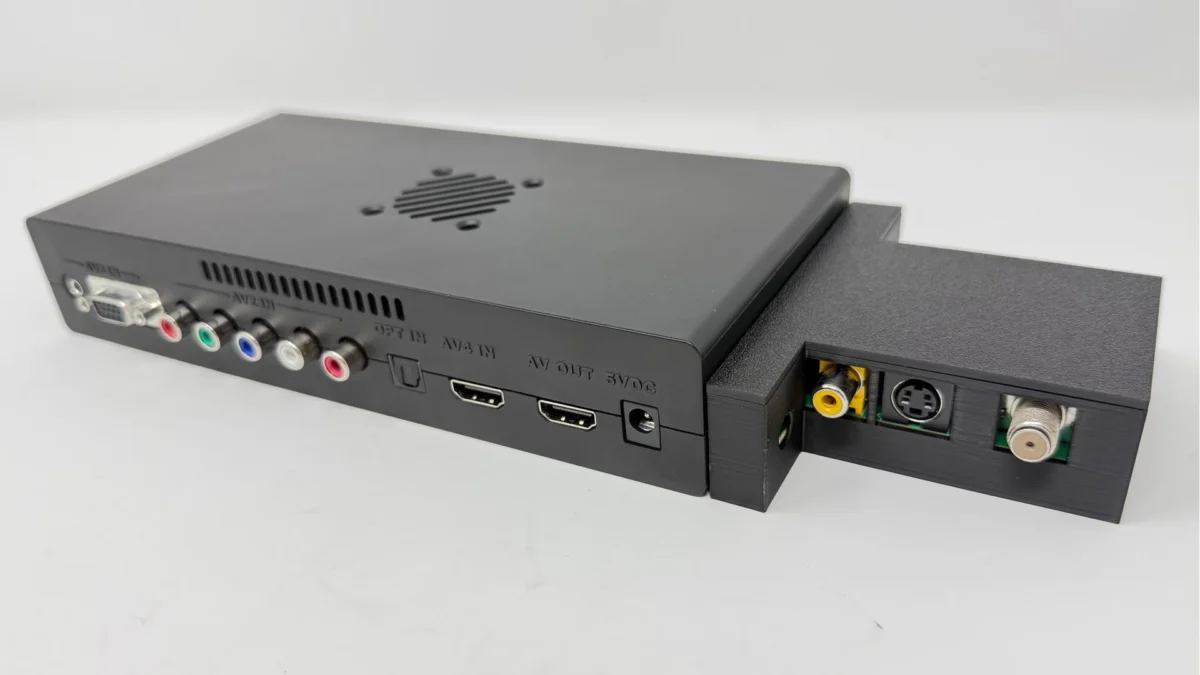
The device typically integrates modern conveniences such as HDMI output for contemporary displays, USB ports for peripherals, and SD card support for vast libraries of software, effectively merging the soul of the 8-bit era with the practicalities of the 21st century. Its design philosophy centers on accessibility and longevity, providing a stable platform for both seasoned retro enthusiasts to relive their past and for new generations to discover the foundational computing experiences that shaped an industry. The C64 Ultimate is not merely a console; it is a meticulously engineered piece of hardware designed to be a living museum of computing history, capable of executing software with the precision demanded by purists.
A Legacy Forged in Silicon: The Original Commodore 64’s Enduring Impact
To fully appreciate the significance of the C64 Ultimate, one must first understand the monumental impact of its predecessor. The original Commodore 64, launched by Commodore International in January 1982 at the Consumer Electronics Show, rapidly became the best-selling single computer model of all time, with estimates of units sold ranging from 12.5 million to 17 million over its lifetime. Its release price of $595 (equivalent to over $1,800 in 2024) placed it within reach of many households, making it a ubiquitous presence in homes, schools, and businesses throughout the 1980s.
Powered by a MOS Technology 6510 microprocessor, 64 kilobytes of RAM, and featuring advanced graphics capabilities through its VIC-II chip (displaying 16 colors and hardware sprites) and revolutionary sound via the SID (Sound Interface Device) chip, the C64 was an unparalleled machine for its time. It offered a vibrant platform for gaming, education, productivity, and creative endeavors. Its accessible BASIC interpreter encouraged programming, fostering a generation of software developers and computer enthusiasts. The C64 cultivated a massive and passionate community, giving rise to an enormous software library encompassing thousands of titles, from groundbreaking games like Impossible Mission and Maniac Mansion to essential productivity tools and educational programs. The machine’s influence extended into the demoscene, a subculture of computer artists and programmers who pushed the hardware to its absolute limits to create stunning audiovisual presentations.
The C64’s cultural significance cannot be overstated. It democratized computing, making technology accessible to millions and sparking an enduring love affair with digital worlds. Even decades after its discontinuation in 1994, the Commodore 64 maintains a fervent global following, sustained by enthusiasts, collectors, developers, and preservationists who continue to celebrate its legacy through emulation, software development, and now, hardware re-implementations like the C64 Ultimate. This enduring relevance underscores the demand for authentic modern interpretations that honor its original design while providing contemporary utility.
The Discerning Eye of "What’s Ken Making": A Standard for Technical Review
Ken, the proprietor of the "What’s Ken Making" channel, has established himself as a trusted authority in the retro technology community. His reviews are distinguished by their exceptional depth, technical rigor, and meticulous attention to detail. Unlike many superficial product overviews, Ken’s approach involves a thorough deconstruction of the hardware, often referred to as a "teardown," where he examines individual components, circuit board layouts, and manufacturing quality. This methodology provides viewers with an unparalleled understanding of a product’s internal engineering, informing potential buyers about build quality, design choices, and potential points of failure or excellence.
His expertise is particularly valuable when assessing complex retro hardware such as FPGA systems, where the nuances of design and component selection directly impact authenticity and performance. Ken’s ability to articulate intricate technical concepts in an accessible manner, combined with his evident passion for the subject matter, has garnered him a dedicated following. His reviews are not merely demonstrations; they are educational journeys into the engineering principles behind the devices he covers. For a product like the C64 Ultimate, which hinges on its technical accuracy and build quality, a review from "What’s Ken Making" carries significant weight, acting as a crucial validator for a community that values precision and authenticity above all else.
Voices from the Past and Present: The Commodore Team’s Insights
A particularly compelling aspect of Ken’s review is the inclusion of interviews with members of "The Commodore Team," encompassing both individuals who were part of the original Commodore International era and those currently contributing to the modern Commodore.net initiatives. This cross-generational dialogue offers a rare and invaluable perspective on the evolution of the Commodore brand and the design philosophy behind the C64 Ultimate.
Insights from original Commodore engineers or designers could shed light on the challenges faced during the C64’s initial development, the compromises made due to technological constraints of the time, and the core intentions behind its architecture. Such historical context is crucial for understanding why certain design decisions were made and how they contributed to the C64’s unique character. Conversely, discussions with current team members would reveal the motivations behind resurrecting the C64 in an FPGA format, the technical hurdles encountered in replicating decades-old silicon behavior, and their vision for the future of the Commodore legacy.
This collaboration between a respected technical reviewer and the creators (both historical and contemporary) of the technology being examined provides a layer of authenticity and depth rarely seen. It transforms a product review into a historical document, offering a continuous narrative from the inception of the C64 to its modern re-imagination. While the full interview with the C64 team was initially posted exclusively on Ken’s Patreon, with plans for a public release, its existence underscores the commitment of the C64 Ultimate’s creators to transparency and engaging directly with the enthusiast community. These conversations are vital for contextualizing the engineering choices within the C64 Ultimate and affirming its place as a legitimate successor to the original machine’s spirit.
Beyond Emulation: The Technical Superiority of FPGA for Retro Systems
The choice of FPGA technology for the Commodore 64 Ultimate is not merely a technical preference; it is a fundamental design decision that significantly elevates its status above software emulation. FPGA, or Field-Programmable Gate Array, is an integrated circuit designed to be configured by a customer or a designer after manufacturing. Unlike a traditional CPU that executes instructions from software, an FPGA can be configured to mimic the actual digital logic gates and pathways of original hardware components.

In the context of retro computing, this means an FPGA can be programmed to behave as a cycle-accurate recreation of the MOS 6510 CPU, the VIC-II graphics chip, the SID sound chip, and other custom chips found in the original Commodore 64. This hardware-level replication offers several key advantages over software emulation:
- Cycle Accuracy: FPGA recreations can achieve clock-cycle perfect timing, which is critical for many vintage games and demos that rely on precise hardware timings for their functionality. Software emulators, running on modern operating systems, often struggle to maintain this level of precision due to inherent latency and scheduling complexities.
- Reduced Latency: Because the FPGA is essentially running the hardware directly, there is significantly less input lag (latency) compared to software emulation, where layers of operating system, drivers, and emulation software can introduce delays. This is particularly important for fast-paced games.
- Hardware Fidelity: FPGA replicates the exact behavior of the original chips, including subtle quirks and undocumented features that might be missed or inaccurately represented by software emulation. This ensures that the user experience is as close to the original hardware as possible.
- No Operating System Overhead: FPGA devices typically run a very lean, dedicated firmware, avoiding the overhead, security vulnerabilities, and compatibility issues associated with general-purpose operating systems.
While software emulation remains a crucial tool for preservation and accessibility, FPGA technology represents the pinnacle of hardware-level accuracy for retro computing. Devices like the C64 Ultimate, alongside other notable FPGA-based systems such as those from Analogue Inc., demonstrate a growing trend towards providing premium, authentic retro experiences that cater to a discerning audience seeking the purest form of digital nostalgia. The investment in FPGA hardware underscores a commitment to uncompromising fidelity, validating the C64 Ultimate’s claim as a true spiritual successor to the original.
The Expanding Market for Retro Computing Hardware
The market for retro computing and gaming has witnessed an unprecedented surge in recent years, fueled by nostalgia, a desire for historical preservation, and a growing appreciation for the foundational technologies that paved the way for modern computing. This market is diverse, encompassing various approaches to reliving the past:
- Software Emulation: Accessible and often free, software emulators run on modern PCs, smartphones, and consoles, providing a convenient way to experience old games and software. However, they can sometimes fall short in terms of accuracy and latency.
- Mini Consoles: Manufacturers like Nintendo, Sony, and Commodore itself (with THEC64 Mini and Maxi) have released miniature versions of classic consoles, pre-loaded with games. These are generally affordable and user-friendly but often rely on software emulation and lack the full functionality or expandability of the original systems.
- Original Hardware: Collectors and purists often seek out original, functional vintage computers and consoles. While offering the most authentic experience, this route is expensive, requires significant maintenance, and original hardware can be prone to failure due to age.
- FPGA Recreations: Products like the C64 Ultimate occupy the premium segment of this market. They offer the authenticity of original hardware combined with the reliability and modern connectivity of new devices. This segment appeals to enthusiasts who prioritize accuracy and a premium build quality over the lowest possible price point.
The C64 Ultimate positions itself firmly within the FPGA recreation segment, targeting users who are willing to invest in a superior, hardware-accurate experience. Its existence signifies a maturation of the retro market, where specialized products cater to nuanced demands for authenticity and modern convenience. The continued growth of this segment reflects a broader cultural appreciation for the history of technology and a desire to interact with it in its most genuine form.
Implications for Preservation and Innovation
The emergence and reception of products like the C64 Ultimate carry significant implications for both digital preservation and future innovation within the retro computing sphere.
From a preservation standpoint, FPGA-based re-implementations ensure that the intricate behaviors and unique characteristics of historical hardware are not lost to time. As original chips degrade and become increasingly rare, the ability to accurately replicate their functionality at a hardware level guarantees that future generations can experience these systems as they were intended. This goes beyond merely running old software; it involves understanding the hardware-software interaction that defined an era of computing. The involvement of original team members in reviews and development further solidifies this preservation effort by capturing institutional knowledge that might otherwise be forgotten.
In terms of innovation, the C64 Ultimate demonstrates the potential for combining historical fidelity with modern design principles. It encourages the development of new accessories, software enhancements, and community-driven projects that extend the life and utility of these "retro-modern" platforms. The integration of modern I/O (HDMI, USB, SD cards) makes these systems far more accessible and practical for contemporary use, potentially drawing in new users who might otherwise be intimidated by vintage equipment.
The success of such projects also reinforces the business model for niche markets, demonstrating that there is a viable demand for high-quality, specialized retro hardware. This could inspire further investment and development in other classic systems, ensuring a vibrant future for the entire retro computing ecosystem. Moreover, the detailed technical reviews by creators like Ken provide an educational service, demystifying complex technologies and fostering a deeper understanding among enthusiasts.
Accessibility and Community Engagement
Beyond technical specifications and historical accuracy, the C64 Ultimate, through its development and review, significantly contributes to accessibility and community engagement. By providing a reliable, user-friendly platform, it lowers the barrier to entry for individuals interested in exploring the Commodore 64’s vast software library. Newcomers can experience classic games, delve into BASIC programming, or explore the demoscene without the complexities of maintaining vintage hardware or configuring finicky emulators.
The active involvement of "The Commodore Team" and the collaborative nature of reviews, such as Ken’s, with insights from both original and current developers, strengthens the bond within the retro community. It fosters a sense of continuity and shared heritage, allowing enthusiasts to connect with the origins of their passion. The initial Patreon-exclusive release of the full interview, with the promise of future public access, exemplifies how content creators leverage platforms to reward supporters while eventually broadening access to valuable information, thus enriching the entire community. This interplay between content creators, developers, and the audience is crucial for sustaining the vibrant and dedicated retro computing scene.
Availability and Support for the Ecosystem
For those intrigued by the blend of nostalgia and modern engineering, the Commodore 64 Ultimate is available for order directly from the official Commodore website. The address, https://www.commodore.net/category/all-products, serves as the primary portal for acquiring this advanced piece of retro hardware.
Furthermore, supporting the independent content creators who dedicate their time and expertise to dissecting and celebrating these technologies is vital for the health of the retro community. Ken from "What’s Ken Making" offers various avenues for support through his Patreon at https://www.patreon.com/cw/WhatsKenMaking, allowing his audience to contribute to the production of his high-quality, in-depth reviews and teardowns. Similarly, the broader retro community benefits from the work of other prominent figures, such as Bob from RetroRGB, who also maintains a Patreon at https://www.patreon.com/retrorgb. These platforms enable creators to continue producing valuable content, ensuring that detailed, informed perspectives on retro hardware remain accessible to enthusiasts worldwide.
In conclusion, Ken’s comprehensive review of the FPGA-based Commodore 64 Ultimate is more than just a product assessment; it is a profound exploration of historical preservation, technological evolution, and community dedication. By meticulously examining the hardware and gathering insights from the individuals who shaped the Commodore legacy, the review underscores the enduring significance of the Commodore 64 and the innovative spirit driving its modern re-imagination. The C64 Ultimate stands as a testament to the power of FPGA technology in delivering authentic retro experiences, ensuring that the magic of the 8-bit era continues to captivate and inspire new generations.