Retno Hari Mulyono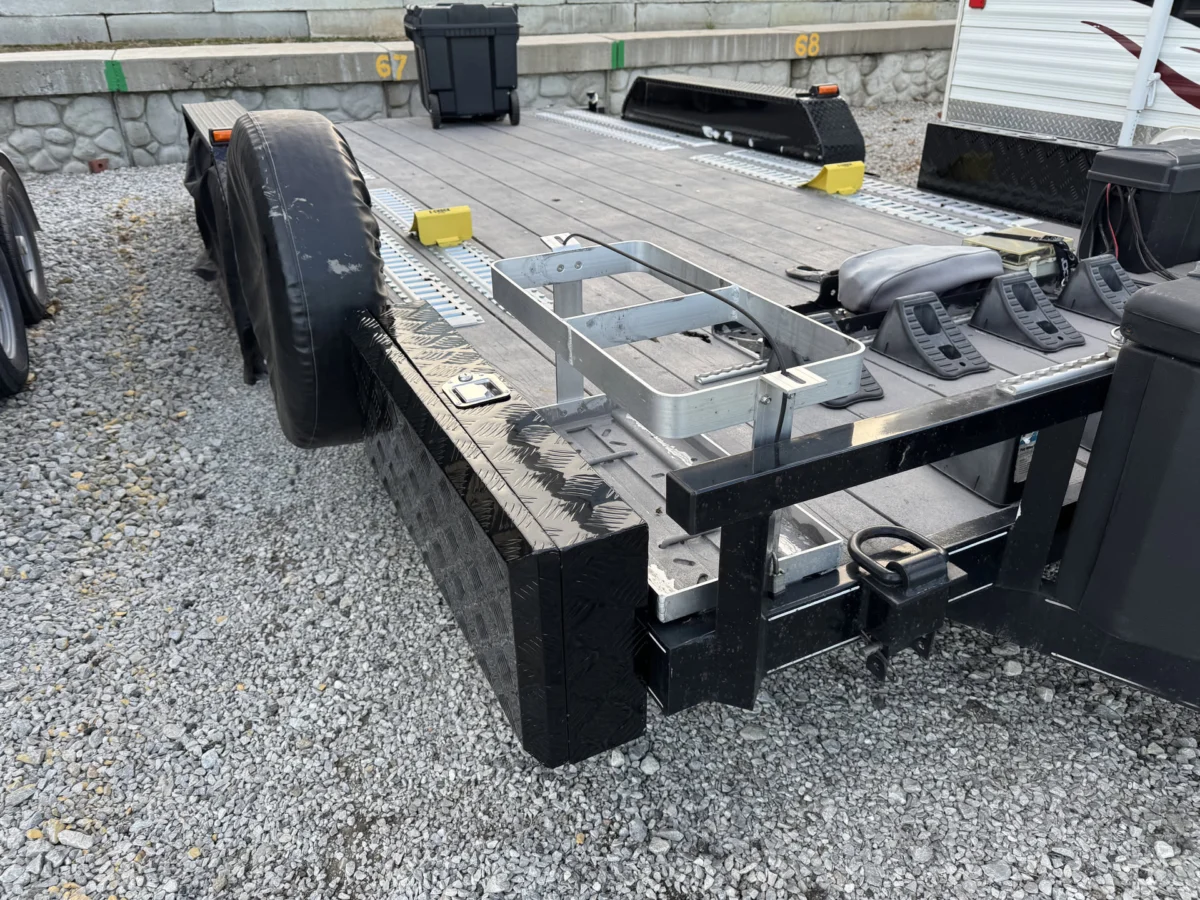
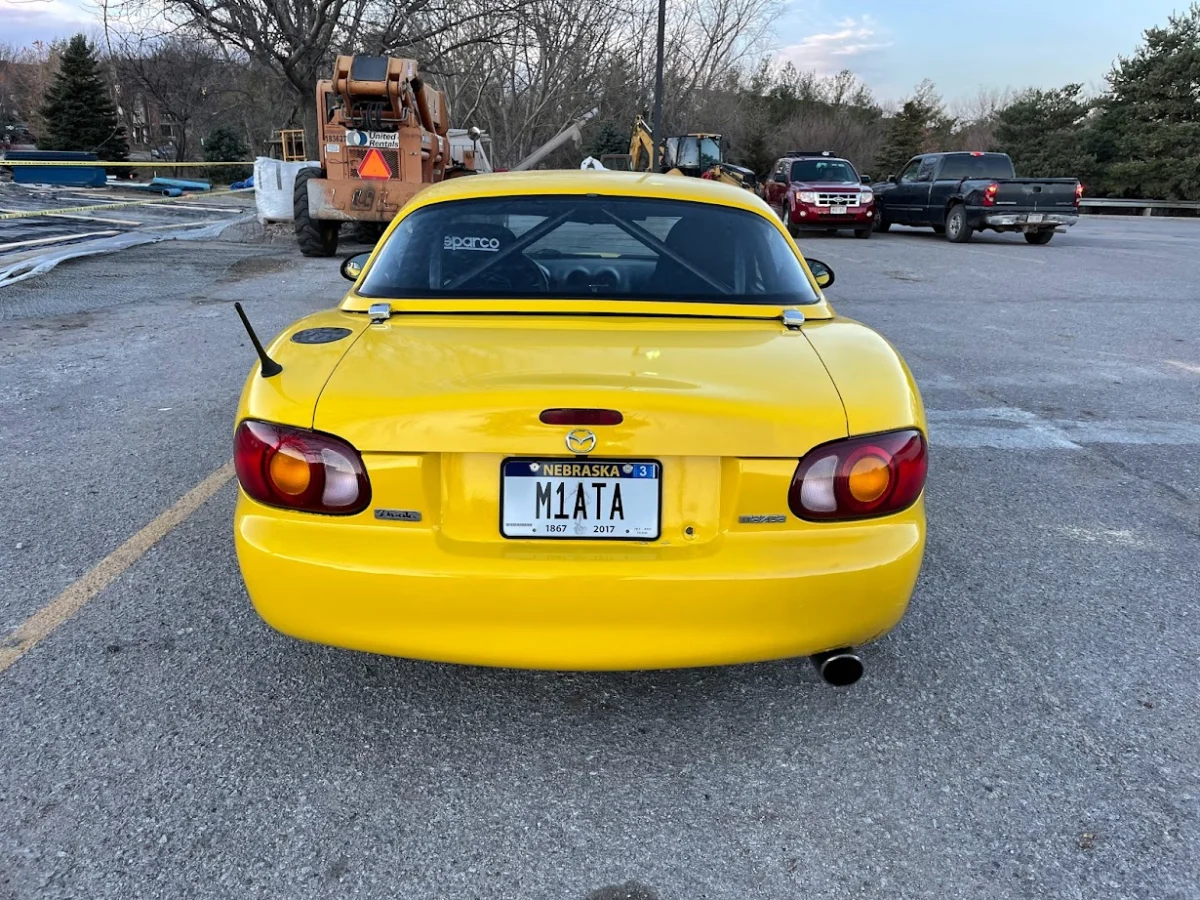
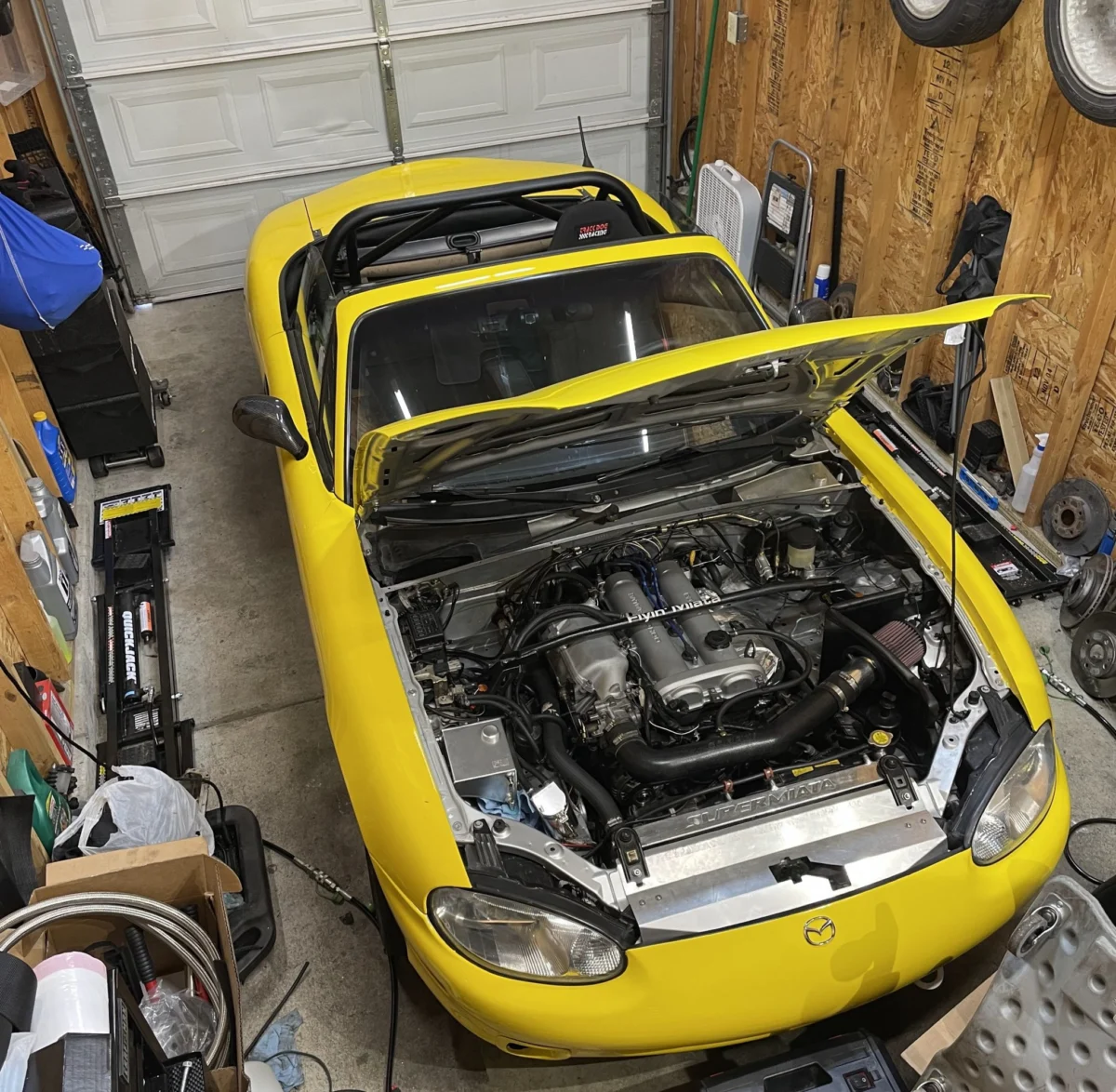
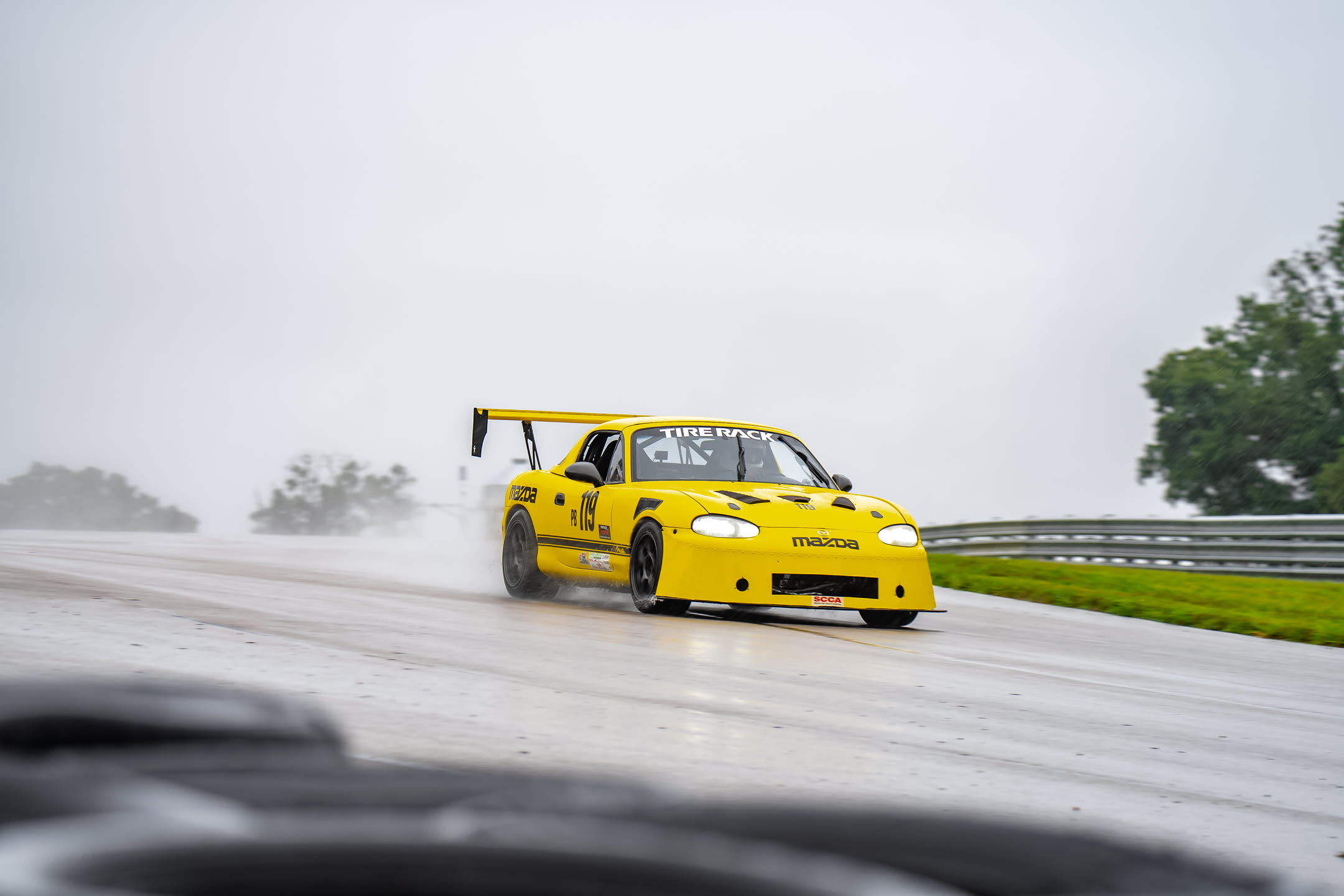
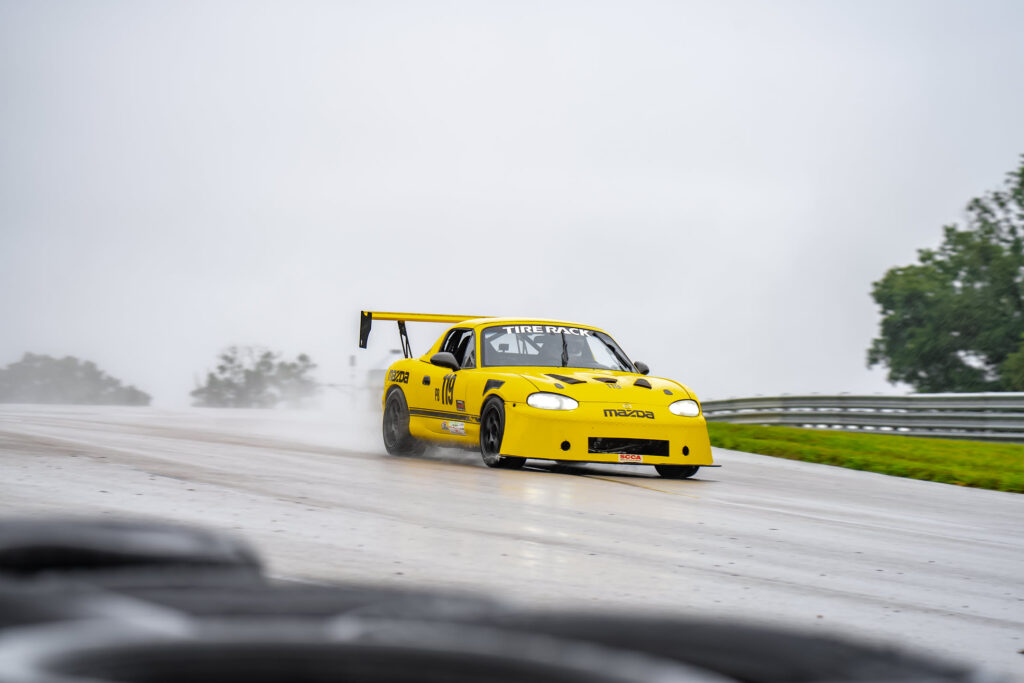
The transition of a base-model 2000 Mazda Miata (NB generation) from a standard production roadster into a specialized, high-performance track vehicle represents a significant undertaking in grassroots motorsports engineering. As the vehicle enters its fifth year of dedicated track development, a comprehensive review of the March 2025 to February 2026 season reveals a narrative of substantial power gains, critical mechanical failures, and a sophisticated technological pivot toward digital engine management and drive-by-wire systems. This period marks the culmination of over 1,300 laps of data-driven refinement, highlighting both the potential and the inherent limitations of the NB platform when subjected to the rigors of competitive time-trial environments.
Performance Benchmarking and the Manifold Evolution
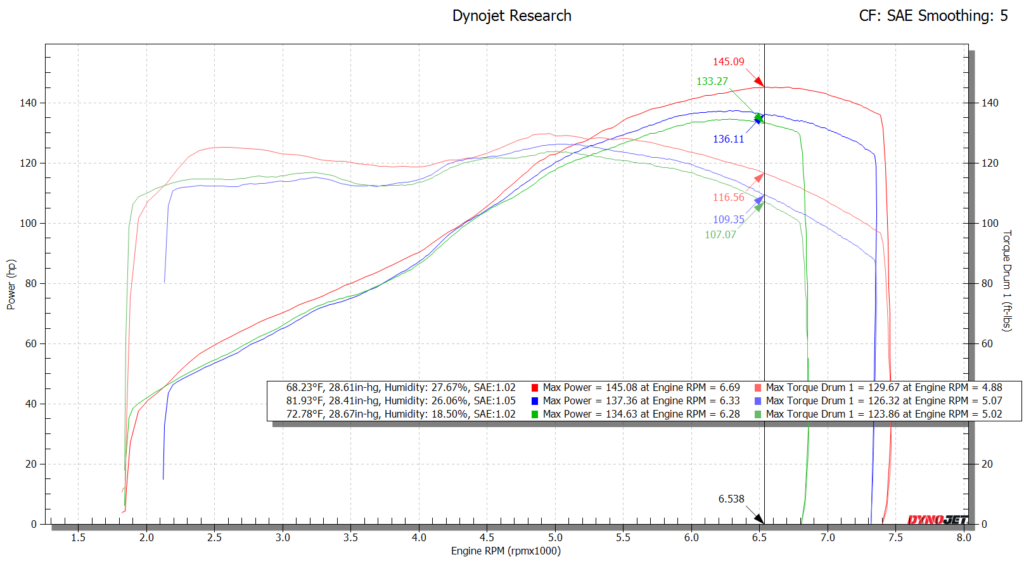
The 2025 season commenced with rigorous dynamometer testing aimed at classing the vehicle for the Sports Car Club of America (SCCA) Mid-States Division (MiDiv) Time Trials. Performance metrics are a cornerstone of competitive racing, and the year-over-year data indicates a successful upward trajectory in engine efficiency. The primary mechanical change for the early 2025 season was the transition from a "square top" intake manifold to a Skunk2 performance manifold.
Testing conducted on a Dynojet system yielded a peak output of 145.09 wheel horsepower (whp) and 129.67 lb-ft of torque. When compared to the vehicle’s stock baseline of approximately 115 whp, this represents a 26% increase in power, achieved primarily through breathing modifications and a standalone ECU. Historical data from the previous two years on a different Dynojet showed 133.27 whp and 136.11 whp, respectively. While the owner noted potential variances between different dynamometer facilities, the consistent growth in horsepower underscores the efficacy of the Skunk2 intake manifold in optimizing the airflow of the 1.8-liter BP-series engine at higher RPM ranges.
The Reliability Crisis: Throttle Body Structural Failures
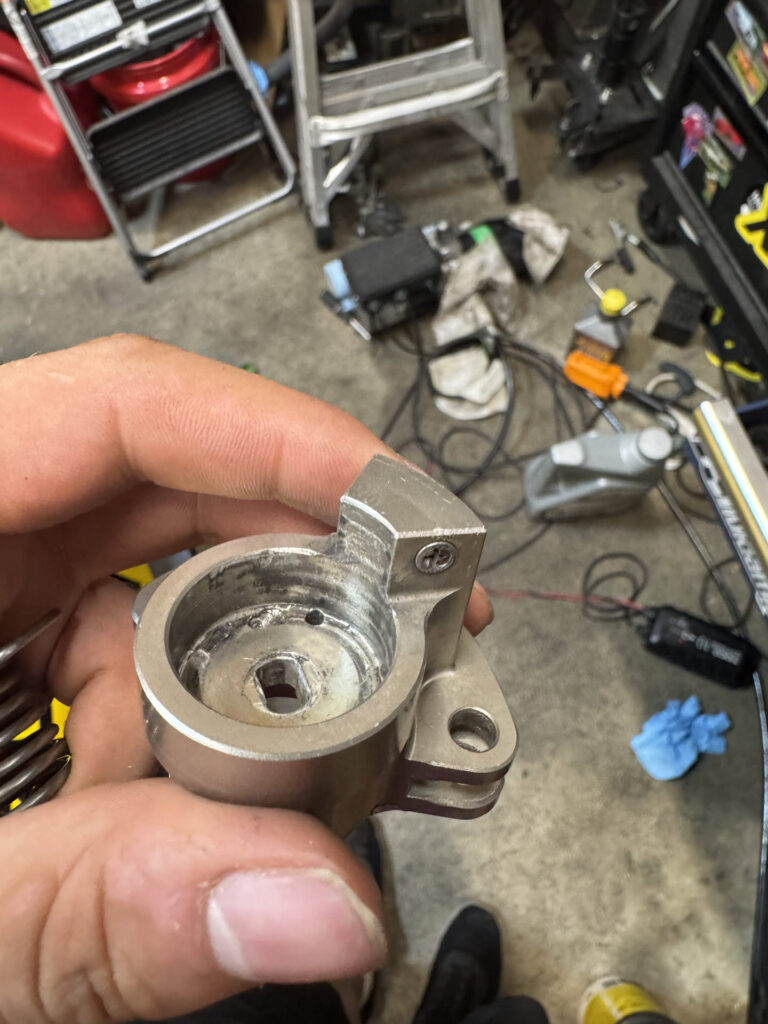
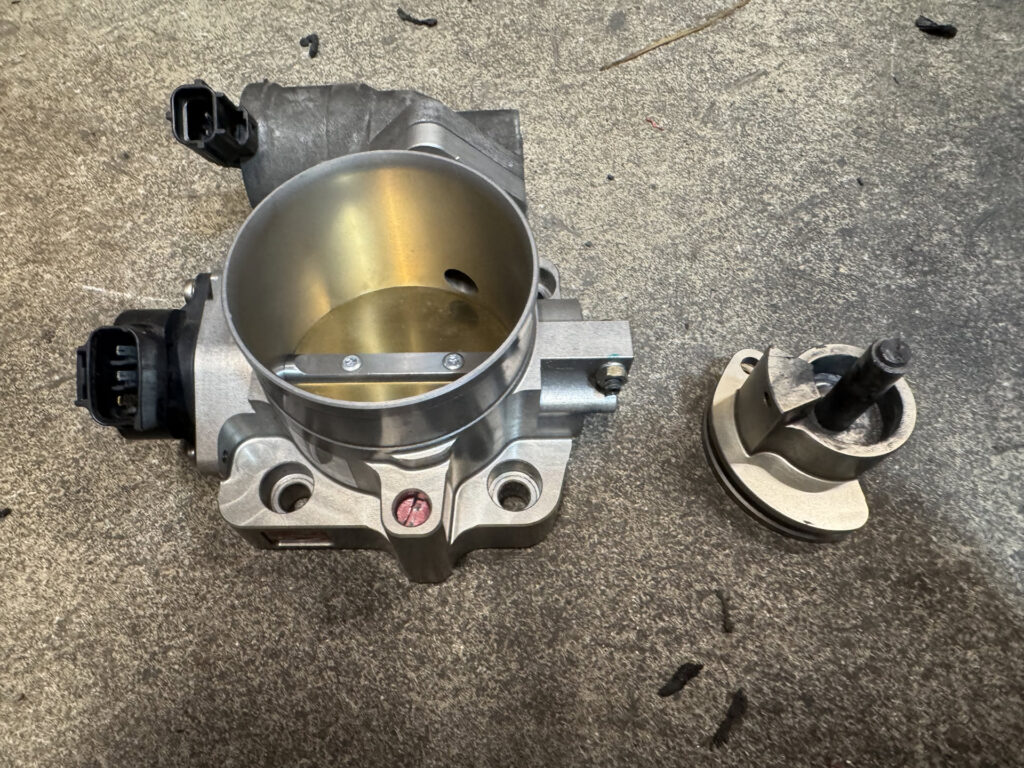
Despite the performance gains, the mid-2025 season was plagued by recurring failures of the throttle body assembly, a common "weak link" in high-vibration four-cylinder racing engines. In May 2025, during a testing session at I29 Speedway, the return spring on the Skunk2 throttle body suffered a mechanical fatigue failure. This forced the driver to manage a "hanging" throttle—a dangerous condition where the engine continues to produce power even when the driver’s foot is removed from the pedal.
A temporary field repair allowed the vehicle to complete the event, but the underlying issue resurfaced in a more catastrophic manner in August 2025 at High Plains Raceway. During a timed lap, the throttle body shaft snapped entirely. While the engine was spared from ingesting internal components, the failure resulted in a total loss of power and required a track-side recovery. These incidents highlight a critical reliability threshold for aftermarket mechanical throttle bodies on the NB platform, prompting a significant shift in the project’s engineering philosophy toward the end of the year.
Logistics and Maintenance: The Shift to In-House Tooling
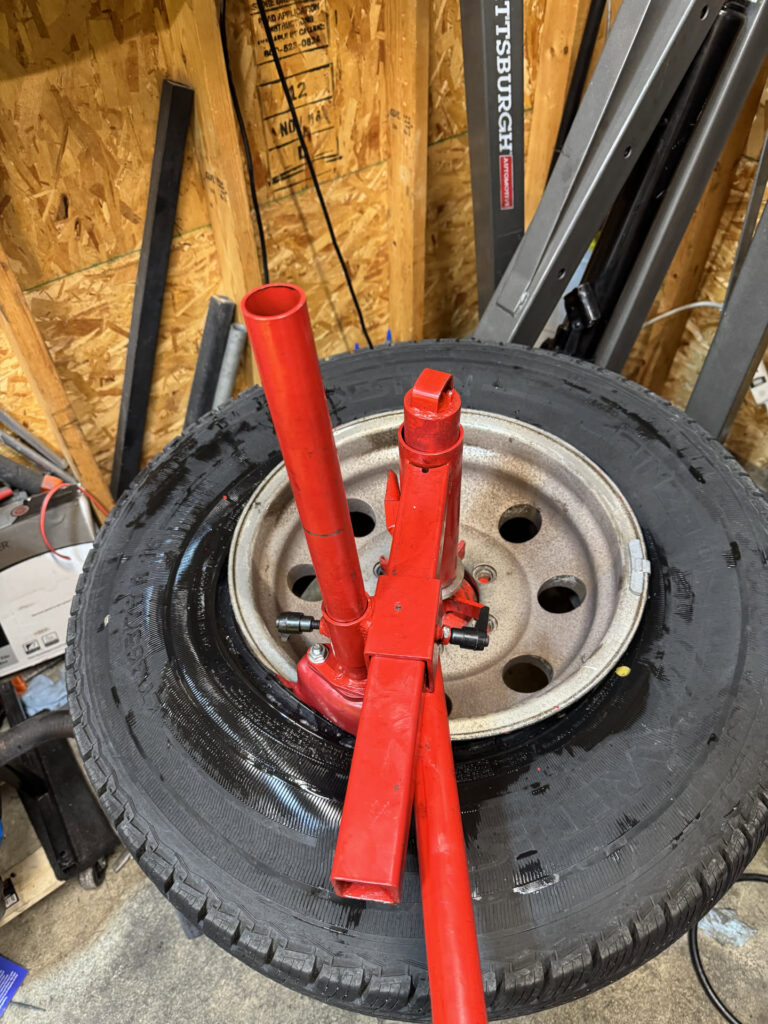
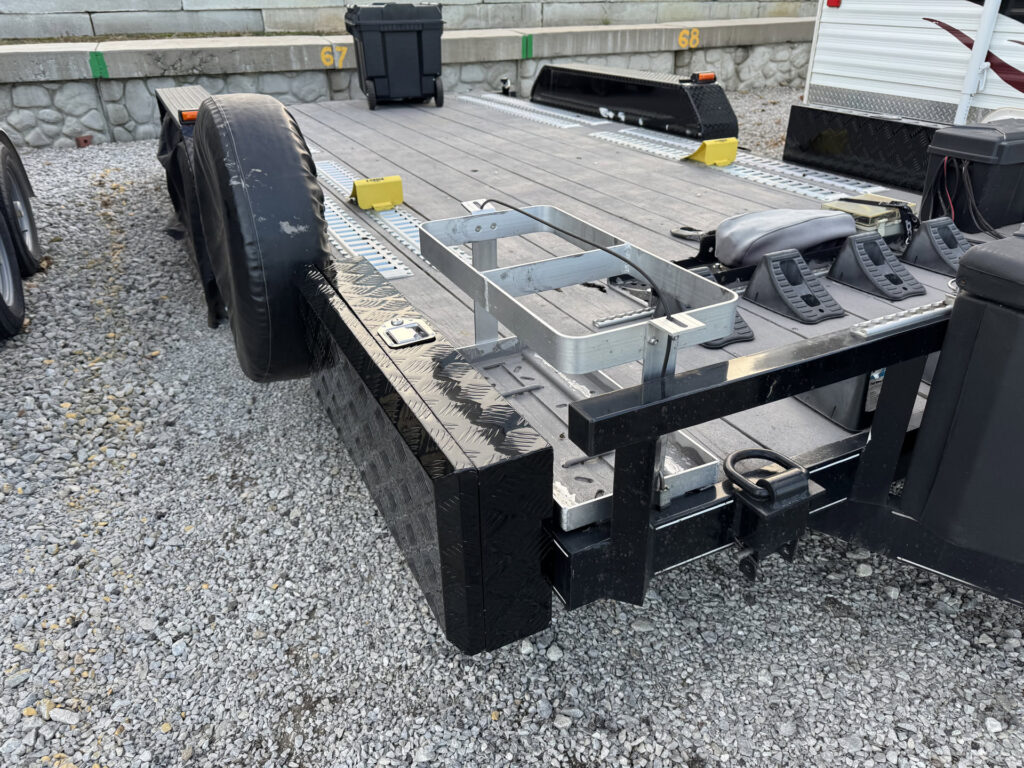
A notable development in the vehicle’s operational history occurred in June 2025, driven by the rising costs of commercial tire services. To maintain a competitive edge in Time Trials—where fresh heat cycles on 200-treadwear (200TW) tires are vital—the project moved toward a self-sufficiency model. The acquisition of a manual tire changer, modified with a "duckhead" attachment and a bubble balancer, allowed for the in-house mounting and balancing of high-performance tires.
Economic analysis suggests that the initial investment in these tools is recouped after mounting a single set of racing tires. Furthermore, the driver reported that DIY bubble balancing provided results superior to many commercial shops, which often struggle with the precise requirements of lightweight racing wheels. Since the implementation of this system, over 20 tires have been processed, demonstrating that grassroots teams can achieve professional-grade results through manual equipment and meticulous technique.
Technical Re-Engineering: Drive-by-Wire and Custom Wiring Architecture
The recurring mechanical failures of the throttle system necessitated a radical redesign of the engine management system in October 2025. The decision was made to abandon the traditional cable-actuated throttle in favor of a Drive-by-Wire (DBW) system. This conversion involved the integration of several high-end components:
- Throttle Body: A Bosch 60mm electronic unit.
- Pedal Sensor: A Honda-sourced accelerator pedal position sensor.
- Controller: An AMP EFI drive-by-wire controller.
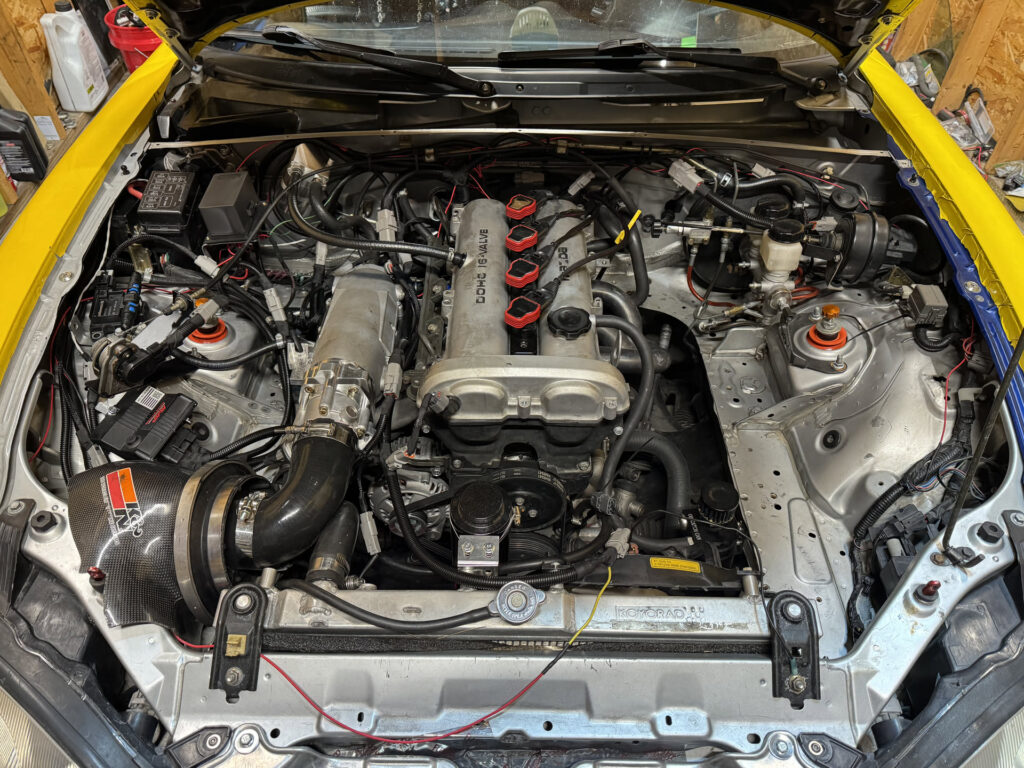
To support this modern architecture, the 25-year-old factory wiring harness—which had become a potential point of failure—was completely removed. A custom engine harness was constructed from scratch using Deutsch connectors for modularity, a dedicated fuse/relay block, and a central ground bus bar. This new system interfaces directly with the MS3Pro Evo ECU, eliminating the need for legacy adapters. The shift to DBW not only resolves the mechanical reliability issues of the return spring and shaft but also allows for more sophisticated tuning, including precise idle control and the potential for automated rev-matching.
Data Visualization and Interior Ergonomics
As the vehicle’s electronic complexity increased, the limitations of the factory analog gauge cluster became apparent. In November 2025, a Tinker Electronics digital dash was installed. This unit communicates with the MS3Pro ECU via the Controller Area Network (CAN bus), providing real-time telemetry.
The digital interface was configured to prioritize critical engine health data, including:
- Coolant and Oil Temperatures
- Oil and Fuel Pressure
- Manifold Absolute Pressure (MAP) and Air-Fuel Ratio (AFR)
- Battery Voltage and Ethanol Content
The dash features programmable "warning states," where the display turns red if parameters exceed safe thresholds, allowing the driver to focus on the track without constantly scanning gauges. Additionally, the system was configured to retain factory functionality for cruise control and speedometer readings by re-routing the vehicle speed sensor (VSS) signal through the ECU.
In December, the focus shifted to mechanical ergonomics with the installation of a Coolerworx short-throw shifter. This unit addresses the "mis-shift" issues common in the NB’s six-speed transmission by utilizing a stiff external return-to-center spring and adjustable gate stops. A reverse lockout feature further prevents accidental engagement of the reverse gear during high-stress downshifting maneuvers.
Drivetrain Optimization: The OS Giken Differential
January 2026 marked a major upgrade to the vehicle’s power delivery system. For several years, the car utilized a factory 4.30 Torsen Type II limited-slip differential. While effective, the Torsen (a torque-sensing unit) loses effectiveness if one rear wheel becomes completely unloaded, a common occurrence on technical tracks with significant curbing.
The upgrade to a Supermiata-tuned OS Giken clutch-type differential represents a move toward professional-tier drivetrain management. Unlike the Torsen, the OS Giken provides consistent lockup under both acceleration and deceleration, improving mid-corner stability and corner-exit traction. The owner opted to retain the 4.30 gear ratio, which has proven ideal for the naturally aspirated power band of the 1.8L engine when paired with the six-speed transmission.
Fleet Expansion and the "Street Car" Experiment
In a surprising conclusion to the fifth year of ownership, the project expanded to include a second vehicle. In February 2026, a 2001 Mazda Miata was acquired for $1,800. Despite its poor initial condition—characterized by a welded differential, missing interior, and body damage—the vehicle’s core components (a VVT engine and six-speed transmission) provided a high-value platform for a dedicated street car.
This second vehicle serves two purposes: it allows the primary yellow track car to remain a focused, uncompromising racing machine, and it provides a testbed for parts and configurations before they are implemented on the track. Within a month of acquisition, the "rough" 2001 model was restored with a new soft top, a full interior, and the 4.30 Torsen differential removed from the track car, demonstrating the modularity and economic viability of the NB Miata ecosystem.
Conclusion and Seasonal Impact Analysis
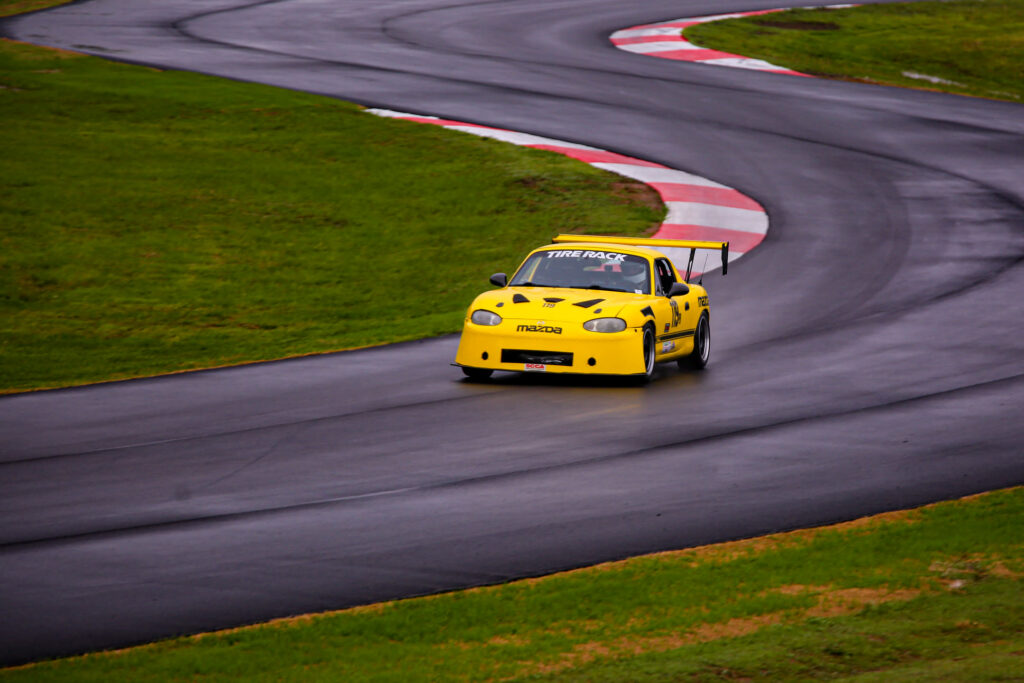
The fifth year of this NB Miata’s track tenure has been defined by a transition from "bolt-on" modifications to deep-system engineering. In 2025 alone, the vehicle completed 357 laps, accounting for nearly 11 hours of high-stress track time across 14 separate events. Cumulative data from the Garmin Catalyst timing system shows a career total of 1,380 laps (approximately 44 hours of track driving).
While personal best lap times were hampered by wet conditions at tracks like Hallett Motor Racing Circuit and Ozarks International Raceway, the technical foundations laid during this season are significant. The move to a custom wiring harness, drive-by-wire, and a clutch-type differential elevates the vehicle from a "modified street car" to a purpose-built racing instrument. As the 2026 season approaches, the focus shifts from fixing reliability flaws to mastering the new handling characteristics provided by the OS Giken differential, ensuring that this 25-year-old platform remains competitive in the modern grassroots racing landscape.