Cecilia Chamidah Nur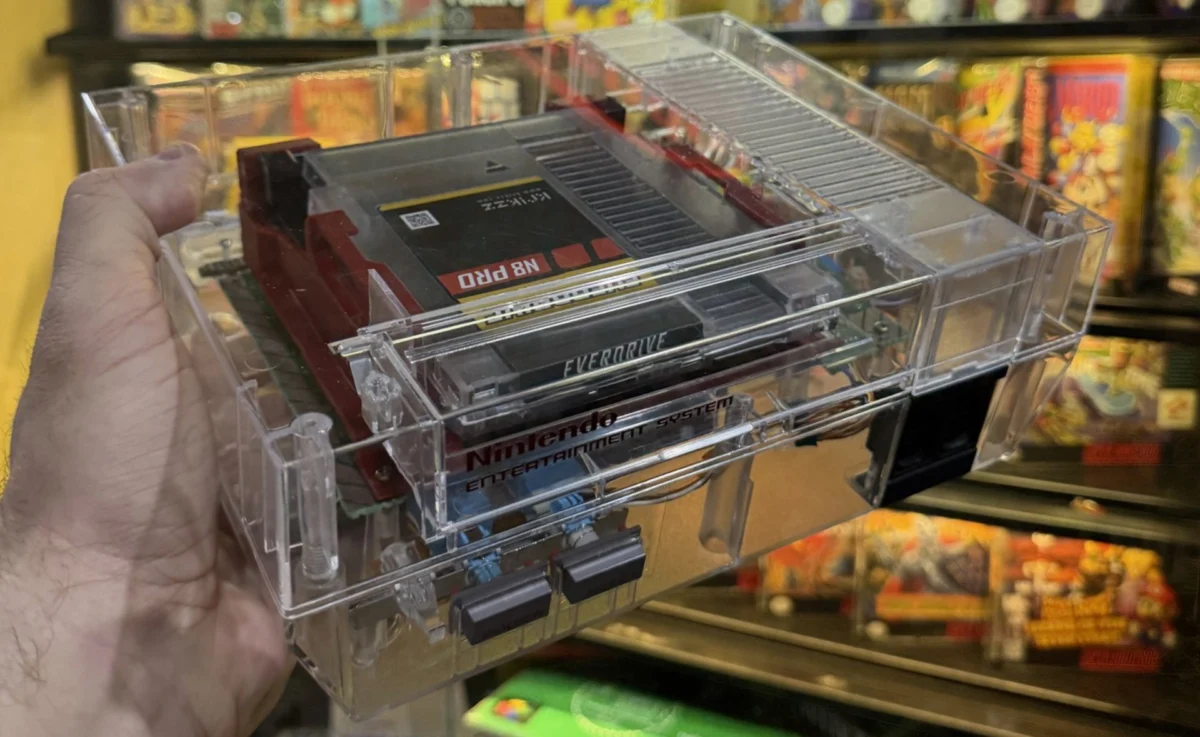
The Genesis of an Ultimate Console: Unpacking the Upgrades
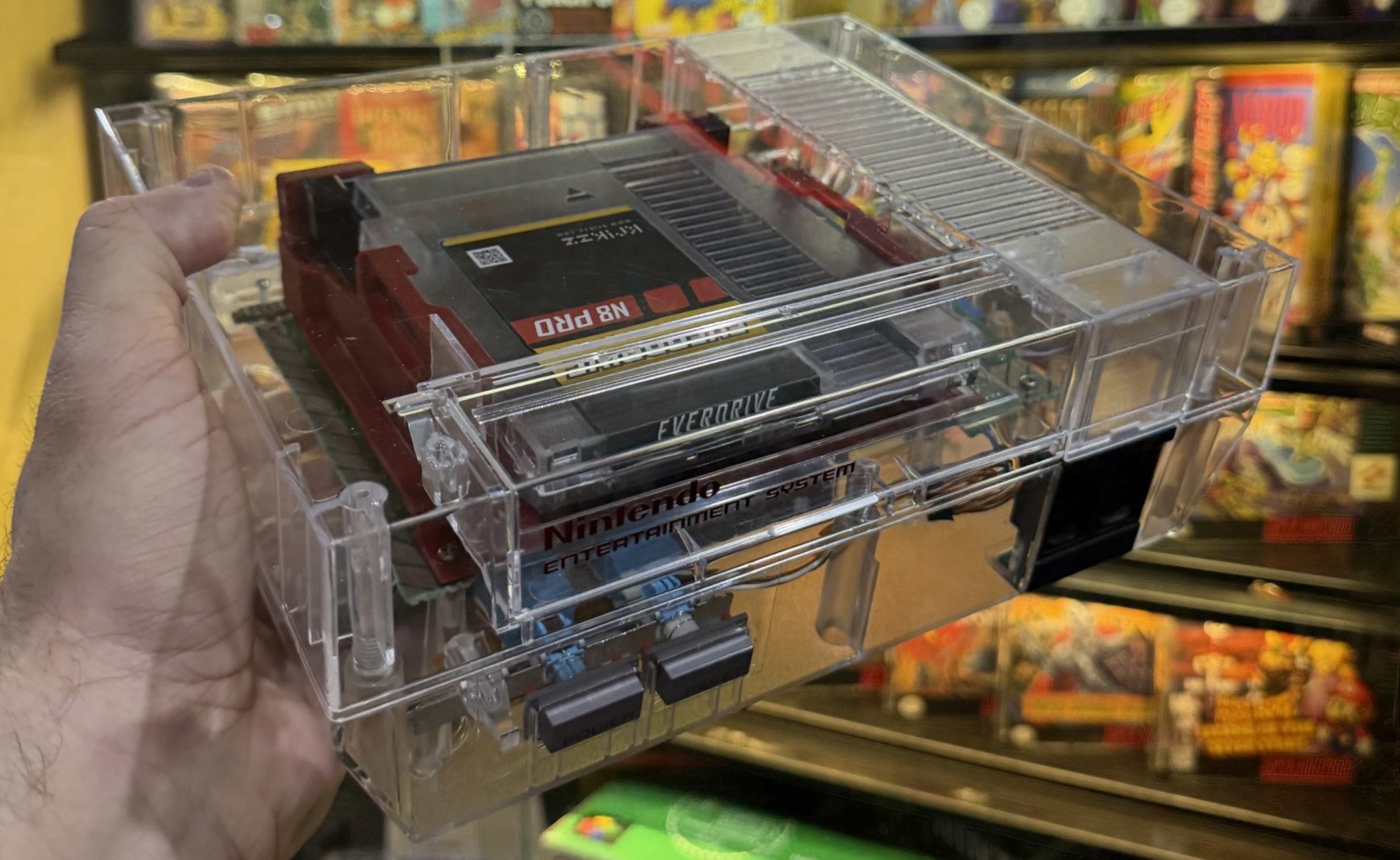
The journey to create such a definitive NES involves a comprehensive suite of modifications, each designed to address inherent limitations of the original hardware while significantly enhancing the user experience. The Handlebar Gamer’s build is a testament to the ingenuity prevalent in the retro-modding scene, integrating a range of upgrades that span visual output, audio quality, power management, and fundamental playability. While the original article did not list specific upgrades, drawing from common and advanced NES modifications, this "final form" likely incorporates the following:
- HDMI Digital Output: Foremost among modern upgrades is the integration of an HDMI output. This typically involves an advanced FPGA-based solution, such as the Hi-Def NES mod or similar PPU-direct digital output, which bypasses the console’s original analog video encoder entirely. This allows for crystal-clear, lag-free 1080p or 720p output, eliminating the blurry composite video and noisy RF signals that characterized the NES’s original display options. Such mods often provide extensive customization options for aspect ratio, scanlines, and color palettes, ensuring compatibility with modern televisions while retaining an authentic retro aesthetic.
- Enhanced Audio Circuitry: Beyond video, audio fidelity receives significant attention. The original NES audio, while iconic, can be improved. Modifications often include replacing the stock audio amplifier with a higher-quality operational amplifier (op-amp), ensuring a cleaner, richer sound profile. Furthermore, enabling "Famicom Expansion Audio" is a crucial upgrade. The NES lockout chip often prevented the use of expansion audio found in many Japanese Famicom cartridges, which enhanced the soundscapes of games like Castlevania III: Dracula’s Curse. Modders integrate circuitry to allow this expansion audio to be heard, often mixed directly into the console’s main audio output.
- Modernized Power Supply Unit (PSU): The original NES uses an external AC adapter that can be inefficient and, over time, prone to failure. An internal, modern, and efficient DC-DC power regulator ensures stable power delivery, reducing heat and minimizing ripple noise that can affect video and audio signals. This extends the console’s lifespan and improves overall reliability.
- Capacitor Replacement (Recap): Electrolytic capacitors have a finite lifespan and degrade over decades, leading to poor performance, noise, and eventual failure. A full recap, replacing all electrolytic capacitors on the mainboard, is a standard preservation measure that restores the console to optimal electrical performance, often improving video output stability and audio clarity.
- Flash Cartridge Compatibility: The ability to load games via an SD card is a game-changer for convenience and accessibility. High-quality flash cartridges, such as the EverDrive N8 Pro or similar devices, allow users to play virtually the entire NES library, including ROM hacks and homebrew titles, directly from an SD card. This eliminates the need for physical cartridges, preserving their condition and offering an unparalleled library at one’s fingertips.
- Improved Controller Ports: While subtle, modifications to controller ports can enhance responsiveness and longevity. Debounce mods for the controller inputs can prevent unintended double-inputs, a common issue with aging controllers. Furthermore, some enthusiasts opt for high-quality, gold-plated connectors for enhanced durability and signal integrity.
- ZIF (Zero Insertion Force) Cartridge Slot: The original 72-pin cartridge connector is notorious for its "blinking light" syndrome, often requiring users to push down on cartridges forcefully. Replacing this with a ZIF socket (or a high-quality modern 72-pin connector) eliminates this problem, making cartridge insertion effortless and reliable, significantly reducing wear and tear on both cartridges and the console.
- Aesthetic and Quality-of-Life Enhancements: Beyond internal electronics, the "ultimate" NES often features external refinements. This could include custom LED lighting (e.g., a multi-color power LED), improved ventilation for better heat dissipation, or even a custom-painted or re-shelled case that reflects the owner’s personal style while maintaining the console’s iconic form factor.
The cumulative effect of these upgrades transforms the NES from a relic of the past into a high-performance gaming platform, demonstrating a profound commitment to both preservation and enhancement.
A Historical Perspective: The Evolution of Retro Console Modding
The retro-modding scene did not emerge overnight; it is the result of decades of community effort, technological advancement, and a shared passion for vintage hardware.
- The Early Days (1980s-1990s): In its infancy, "modding" often involved rudimentary repairs or simple functional changes. For the NES, this might have included bending pins on the 72-pin connector or disabling the lockout chip (the 10NES chip) to allow unlicensed games or imported Famicom titles to play. Video output was a significant pain point; connecting an NES to a modern TV often meant dealing with blurry RF or composite signals. Early attempts at AV mods were often crude, involving direct wiring to video signals on the motherboard.
- The Dawn of Digital (2000s): As CRT televisions gave way to LCD and plasma displays, the limitations of analog video became more pronounced. The retro gaming community began to seriously explore higher-quality video output. S-video and RGB mods for various consoles gained popularity, often requiring skilled soldering and knowledge of video signals. For the NES, this era saw the rise of custom PPU (Picture Processing Unit) board replacements or complex RGB modifications that significantly improved visual clarity. The development of flash cartridges also started to gain traction, offering convenience beyond physical media.
- The FPGA Revolution and Beyond (2010s-Present): The 2010s marked a significant leap with the introduction of Field-Programmable Gate Array (FPGA) technology into retro gaming. Projects like the Hi-Def NES, developed by Kevin Horton, revolutionized NES video output by directly tapping into the PPU’s digital signals and converting them to a pristine HDMI signal. This era also saw the professionalization of modding, with specialized kits, detailed instructions, and professional installation services becoming widely available. The focus shifted from mere functionality to achieving pixel-perfect accuracy, low latency, and comprehensive feature sets. Modders began to tackle more intricate aspects like expansion audio, power efficiency, and integrated solutions for multiple upgrades.
This chronology highlights a continuous drive for improvement, fueled by a dedicated community that views these consoles not just as consumer electronics, but as platforms for ongoing innovation and artistic expression.
The Economic and Cultural Impact of Retro Modding
The vibrant retro-modding scene is not merely a hobby; it represents a significant sub-economy and cultural phenomenon within the broader gaming landscape.
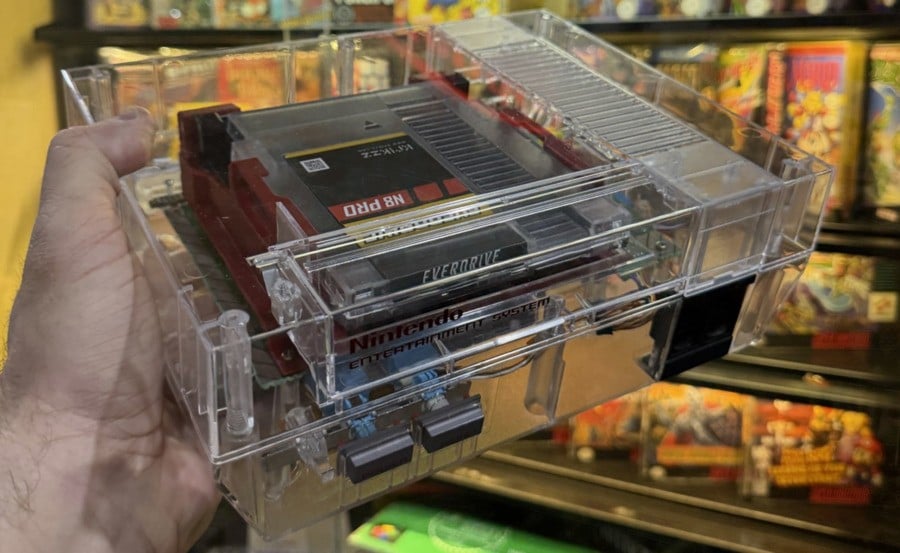
- Market Size and Economic Impact: While exact figures are difficult to ascertain, the global retro gaming market is valued in the billions, with a substantial segment dedicated to hardware and accessories. Modding contributes to this by creating a demand for specialized components (e.g., custom PCBs, FPGA chips, high-quality capacitors), tools, and skilled labor. Numerous small businesses and independent modders thrive by selling kits, offering installation services, and even building custom consoles from scratch. A fully modded NES, like The Handlebar Gamer’s "final form," can easily command prices ranging from $500 to over $1,000, depending on the scope and quality of the modifications, far exceeding the cost of an unmodded original console. This creates a niche but lucrative market for skilled technicians and entrepreneurs.
- Community and Knowledge Sharing: The backbone of the modding movement is its highly active and collaborative community. Online forums (e.g., AssemblerGames, RetroPie forums), subreddits (r/retrogaming, r/nes), YouTube channels, and social media groups serve as vital hubs for sharing knowledge, troubleshooting, and showcasing projects. Developers often release their mod designs as open-source, allowing others to learn, replicate, and even improve upon existing solutions. This collaborative spirit fosters innovation and ensures that expertise is widely distributed.
- Preservation and Accessibility: One of the most significant implications of modding is its contribution to game preservation. By extending the lifespan of original hardware and making it compatible with modern display technologies, modding ensures that future generations can experience classic games as they were intended, or even better. It makes these games more accessible to players who may not own a CRT TV or have space for multiple vintage setups.
- The Purity vs. Enhancement Debate: The rise of advanced mods has also sparked an ongoing debate within the retro gaming community: is it better to experience games on "pure" original hardware, untouched by modifications, or to embrace enhancements that improve the experience for modern sensibilities? Proponents of "purity" argue that modifications alter the original artistic intent and experience. Advocates for "enhancement," however, contend that mods overcome technological limitations of the past (e.g., blurry video) that were never part of the intended artistic vision, thereby allowing the true beauty of the games to shine through. The consensus often leans towards a respectful balance, where mods are reversible or designed to enhance without fundamentally altering the core game.
Statements and Reactions from the Retro Community
The unveiling of a console as comprehensively upgraded as The Handlebar Gamer’s NES typically garners widespread acclaim and discussion within the retro gaming sphere.
Commenting on such a high-caliber build, a hypothetical spokesperson for a prominent retro gaming forum, "RetroTech Hub," might state: "This particular NES build by The Handlebar Gamer represents the zenith of contemporary console modding. It’s a masterclass in integrating diverse technologies to create a seamless, high-fidelity experience on original hardware. Projects like this are vital for showcasing the potential of our community and inspiring others to delve into the fascinating world of retro hardware enhancement."
The Handlebar Gamer himself, in a hypothetical statement beyond his initial question, might elaborate on his motivation: "My goal with this project was always to build an NES that could stand the test of time, not just in terms of durability but also in terms of delivering an optimal gaming experience in 2026 and beyond. Every modification was chosen for its impact on performance and longevity, striking a balance between respecting the console’s legacy and embracing modern technological advancements. It’s about pushing what’s possible and sharing that passion with fellow enthusiasts."

Individual retro enthusiasts frequently express admiration. "Seeing a console like this isn’t just about the cool factor," a long-time collector, ‘Pixel_Patriot’ online, might remark. "It’s about the dedication, the skill, and the sheer love for these classic machines. It shows that even decades later, there’s still so much innovation happening around these systems. It makes you want to dust off your own NES and start planning some upgrades!"
Broader Implications for the Future of Retro Gaming
The creation of an "ultimate" NES in 2026 carries significant implications for the future trajectory of retro gaming.
- Setting New Standards: Such builds establish new benchmarks for what is considered a "premium" retro gaming experience. They demonstrate that original hardware, when properly maintained and enhanced, can not only compete with but often surpass the experience offered by emulation or even modern FPGA-based clones in terms of authenticity and tactile satisfaction.
- Inspiring Further Innovation: The visibility of these high-end projects inspires other modders and enthusiasts to experiment, learn new techniques, and develop even more sophisticated solutions. This continuous cycle of innovation ensures that the retro gaming scene remains dynamic and forward-thinking.
- Bridging Generations: By making classic consoles compatible with modern display technologies and offering quality-of-life improvements, these modded systems help bridge the gap between generations of gamers. Younger players, accustomed to high-definition visuals, can experience the foundational games of the industry without the barriers of outdated technology.
- Sustainability and Longevity: In an age of increasing environmental awareness, extending the functional life of electronics through repair and modification is a form of sustainable consumption. Instead of discarding old hardware, modders breathe new life into it, ensuring these cultural artifacts endure.
- Commercialization of Mods: As demand for high-quality mods grows, it’s likely that we will see further commercialization, with more companies offering professionally installed upgrades or even pre-modded consoles. This could make these advanced experiences more accessible to a broader audience who may not possess the technical skills for DIY modding.
In conclusion, The Handlebar Gamer’s "ultimate NES for 2026" is more than just a modified console; it is a symbol of the enduring passion, ingenuity, and collaborative spirit that defines the retro gaming community. It stands as a testament to how dedicated enthusiasts can transform vintage technology into a cutting-edge experience, ensuring that the legacy of consoles like the Nintendo Entertainment System continues to thrive in an ever-evolving digital landscape. The ongoing pursuit of the "final form" of retro hardware underscores a commitment to preserving gaming history while simultaneously pushing its boundaries into an exciting future.