Retno Hari Mulyono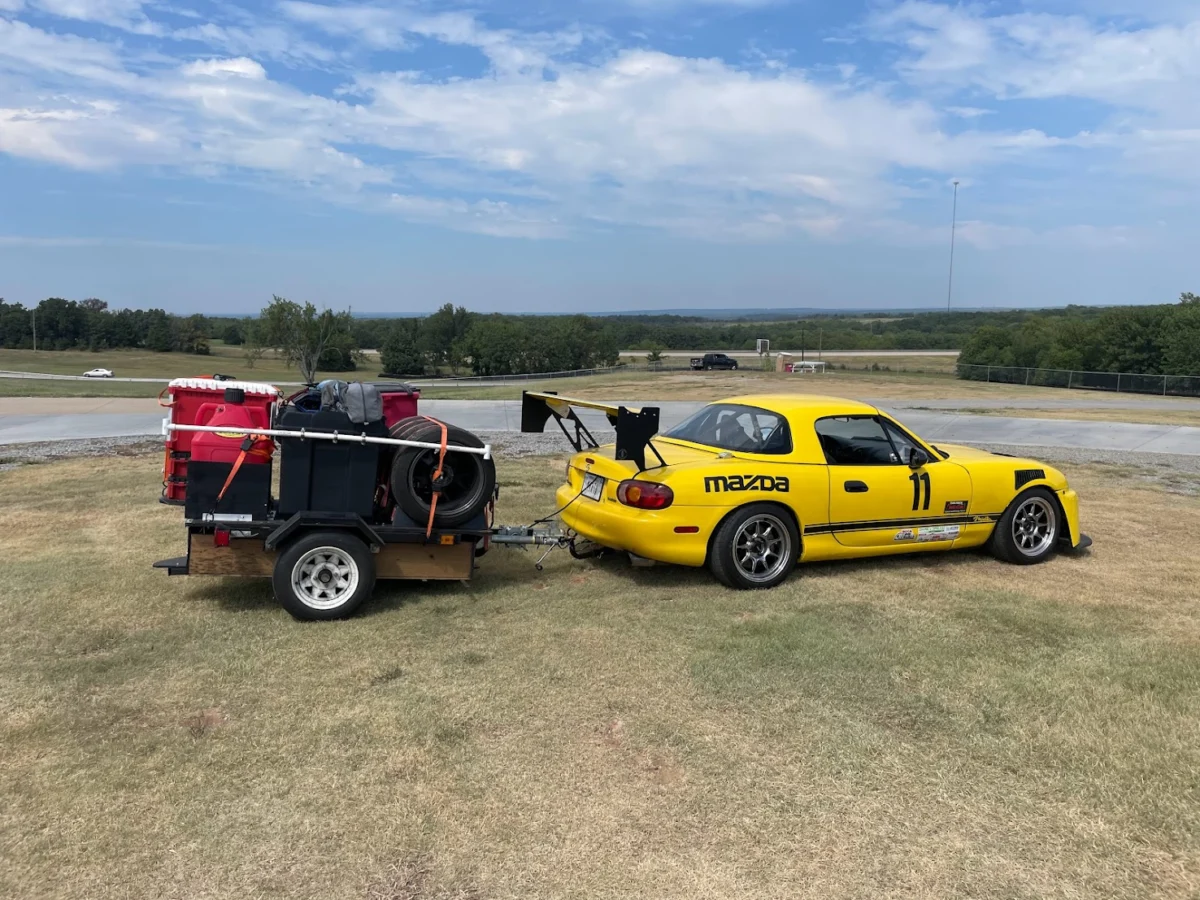
The third year of a dedicated Mazda NB Miata track development program has concluded, marking a significant transition from basic modifications to advanced aerodynamic tuning and competitive SCCA Time Trials participation. Spanning from March 2023 through February 2024, this period saw the vehicle undergo rigorous testing across five states, navigating the complexities of mechanical failures, regional track closures, and the pursuit of weight-to-power optimization. This report details the technical evolution of the vehicle, the logistical challenges of the 2023 racing season, and the broader implications for grassroots motorsports in the American Midwest.
Technical Enhancements and Aerodynamic Development
The 2023 season began with a primary focus on logistical efficiency and aerodynamic stability. In March 2023, the vehicle’s custom-built tire trailer underwent a secondary phase of construction. To accommodate the increasing demands of multi-day track events, a lower deck was engineered to sit just below the axle, lowering the center of gravity for the towed load. This upgrade included the integration of a 15-gallon fuel reservoir, replacing dual five-gallon jugs, and a specialized mounting system for a spare front splitter and varying Gurney flaps. These modifications highlight a growing trend in grassroots racing where participants must balance vehicle performance with the logistical necessity of self-supported transport.
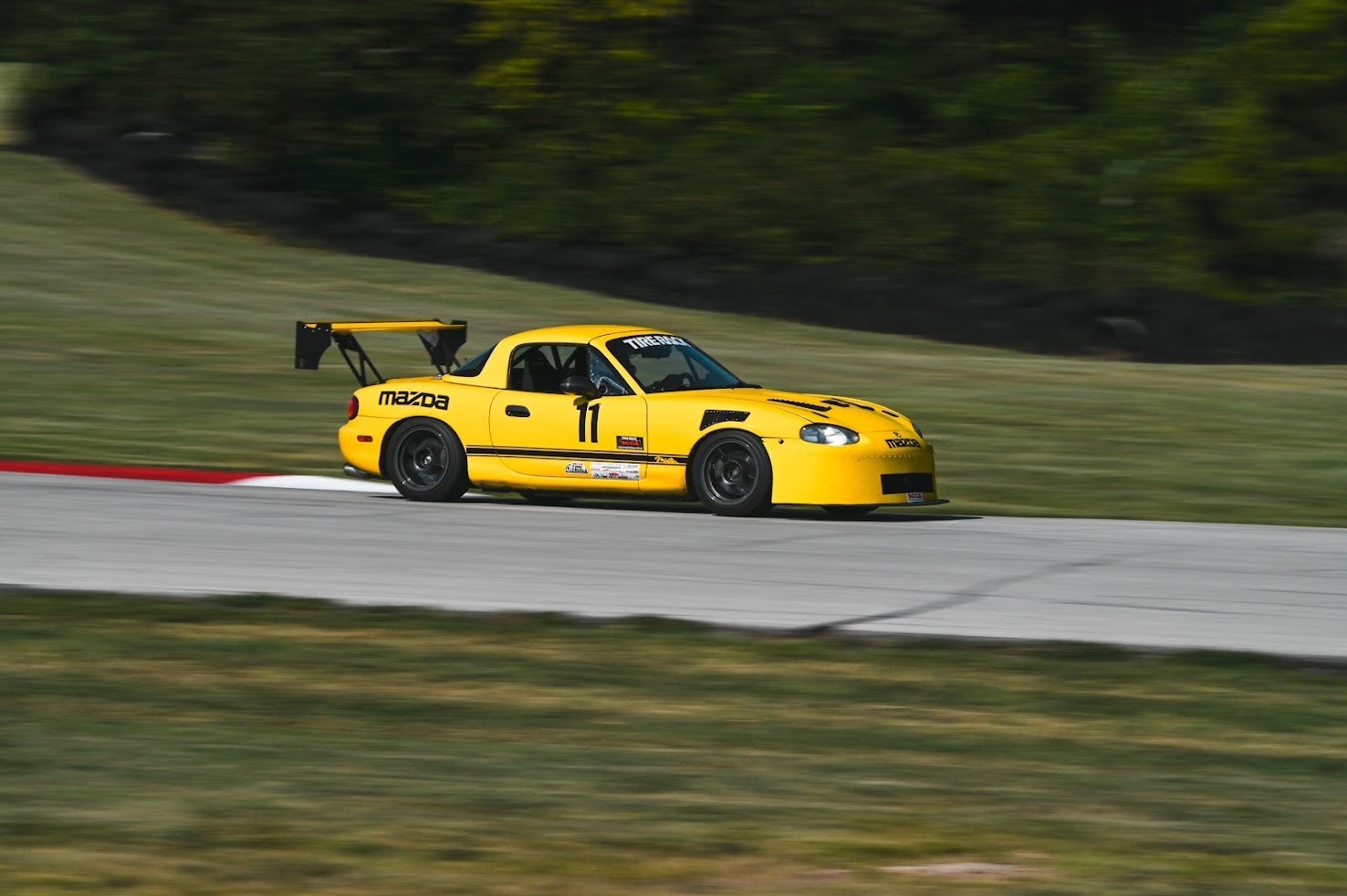
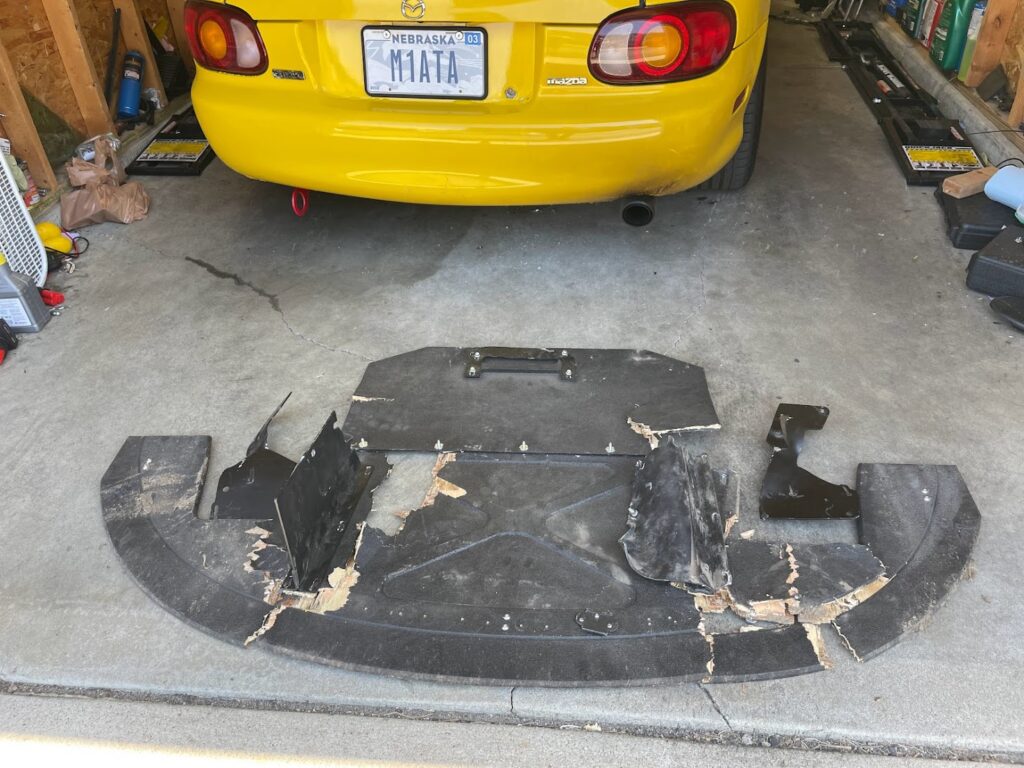
The introduction of the Nine Lives Racing medium downforce kit represented a pivotal shift in the vehicle’s handling characteristics. However, early testing in April 2023 revealed the inherent risks of aggressive aerodynamic components. During a high-speed exit at a regional track day, an off-track excursion resulted in the destruction of the front splitter and significant damage to the radiator support and splitter mounts. This incident prompted a shift toward "sacrificial" engineering; the driver transitioned to 1/2-inch plywood splitters with reinforced side supports. This material choice provides a cost-effective alternative to carbon fiber while maintaining sufficient rigidity for downforce generation, a common practice in Time Trials where front-end "consumables" are frequent.
The Impact of Regional Track Volatility
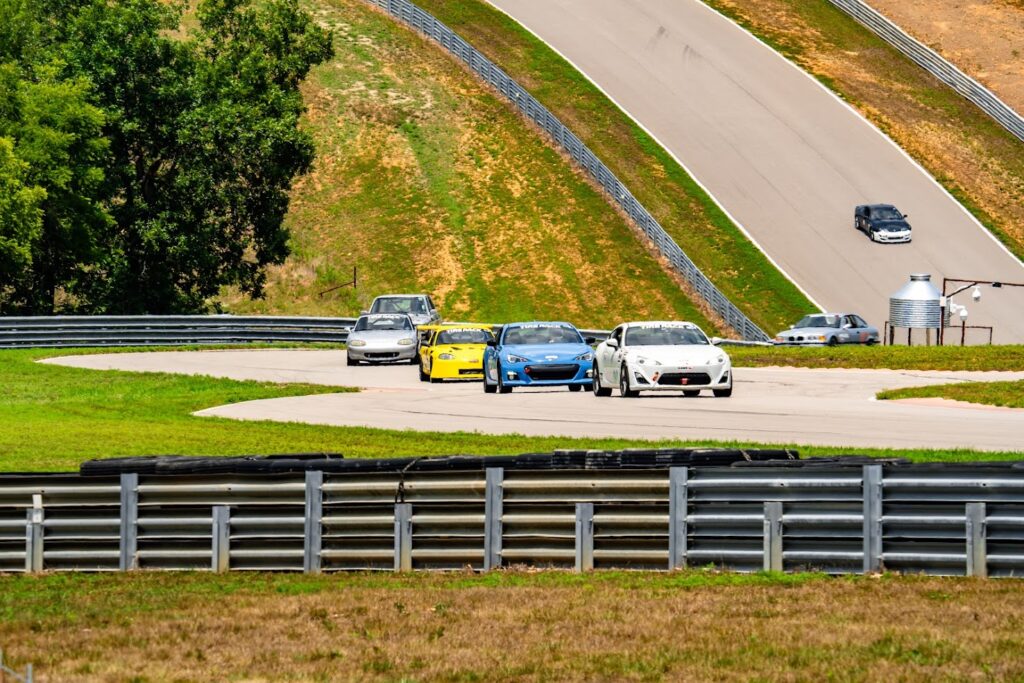
The 2023 season was overshadowed by the significant loss of Heartland Motorsports Park in Topeka, Kansas. In May 2023, the vehicle participated in one of the final SCCA Time Trials events held at the facility. The track’s closure at the end of the 2023 season followed a protracted legal dispute between the facility owner and local authorities regarding property taxes.
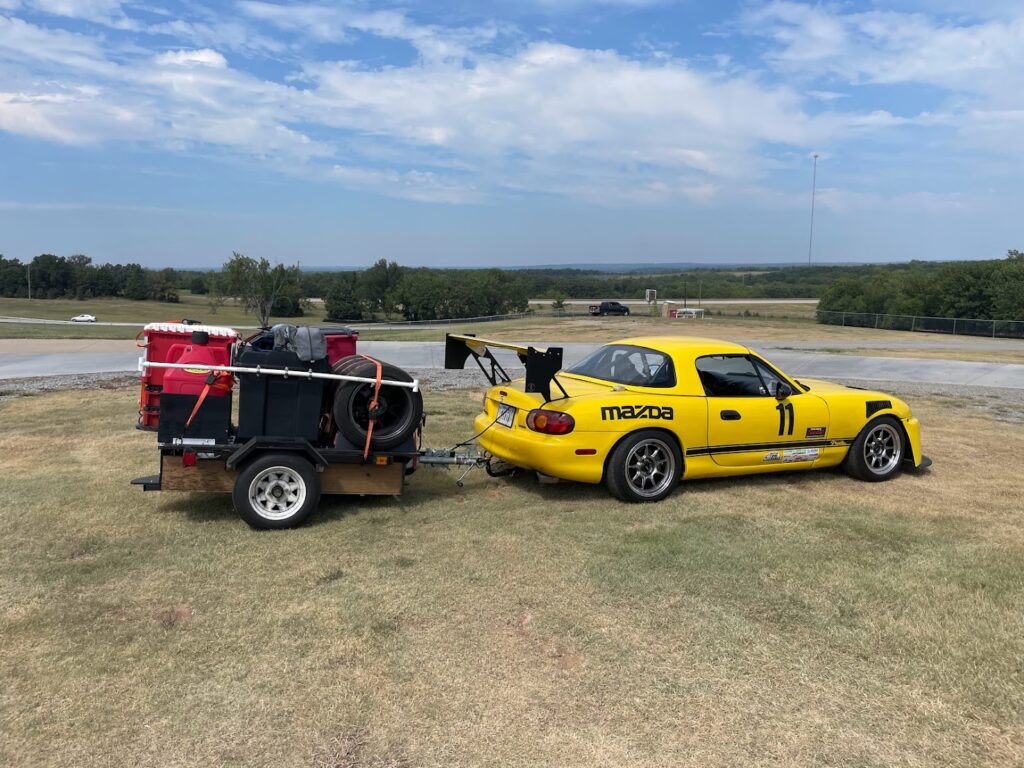
The shuttering of Heartland Motorsports Park represents a broader crisis in American motorsports, where rising land values and tax burdens threaten historic racing venues. For Midwest-based racers, the loss of this 2.5-mile road course necessitates longer travel times to alternative venues like Ozarks International Raceway (OIR) in Missouri and Hallett Motor Racing Circuit in Oklahoma.
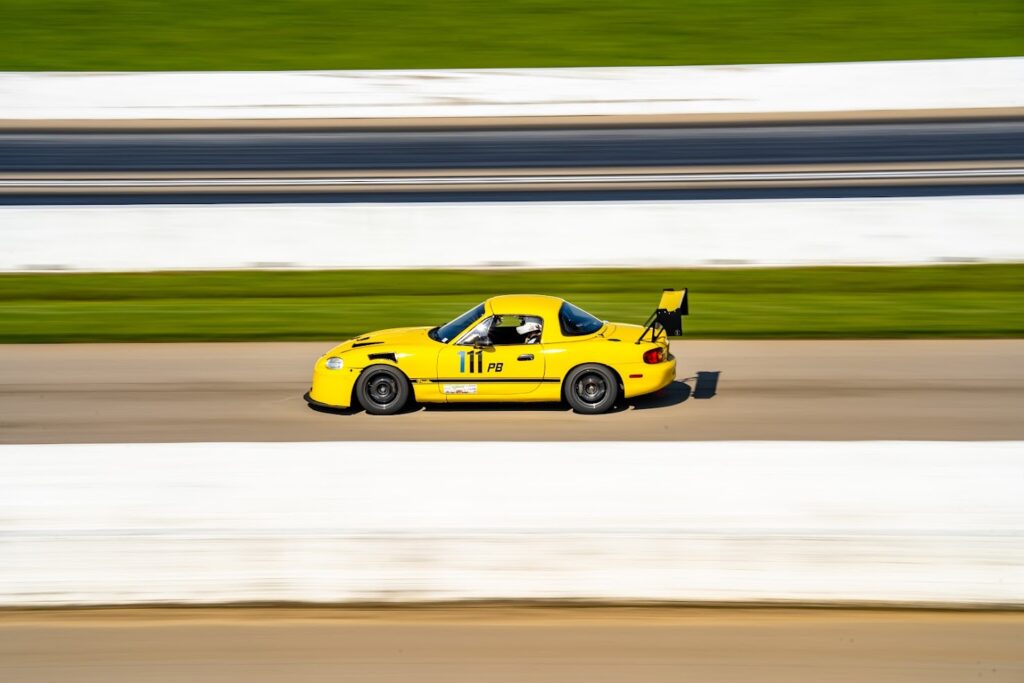
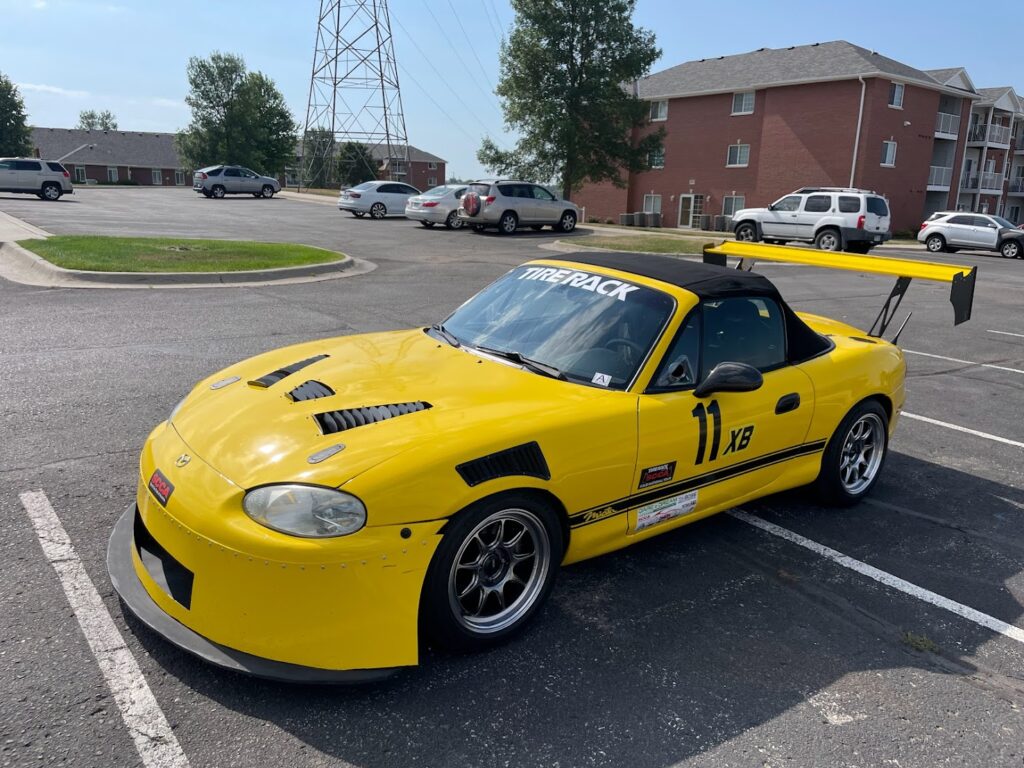
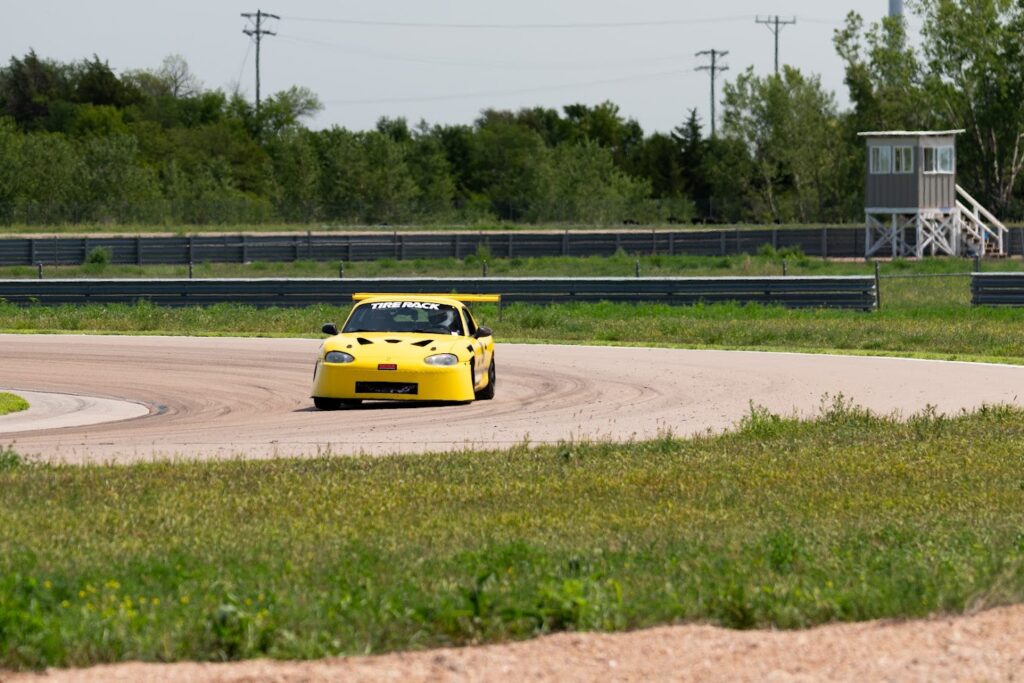
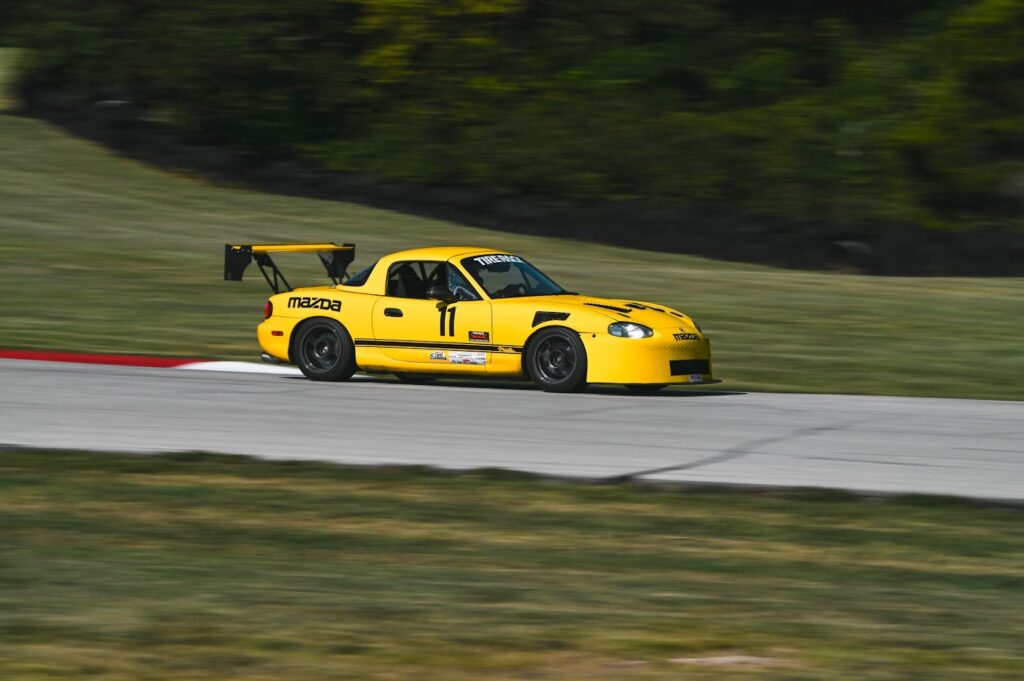
The July 2023 excursion to Ozarks International Raceway highlighted the technical demands of modern track design. OIR is characterized by extreme elevation changes and blind crests, contrasting sharply with the flatter topography of traditional Midwest tracks. The vehicle’s performance at OIR was hampered by a slipping clutch, necessitating an emergency replacement with a standard organic unit. Despite the mechanical setback, the event provided critical data on the vehicle’s aerodynamic performance in high-compression corners, confirming that the rear wing requires a hardtop configuration to maintain optimal airflow and downforce.
Mechanical Endurance and Engine Program Evaluation
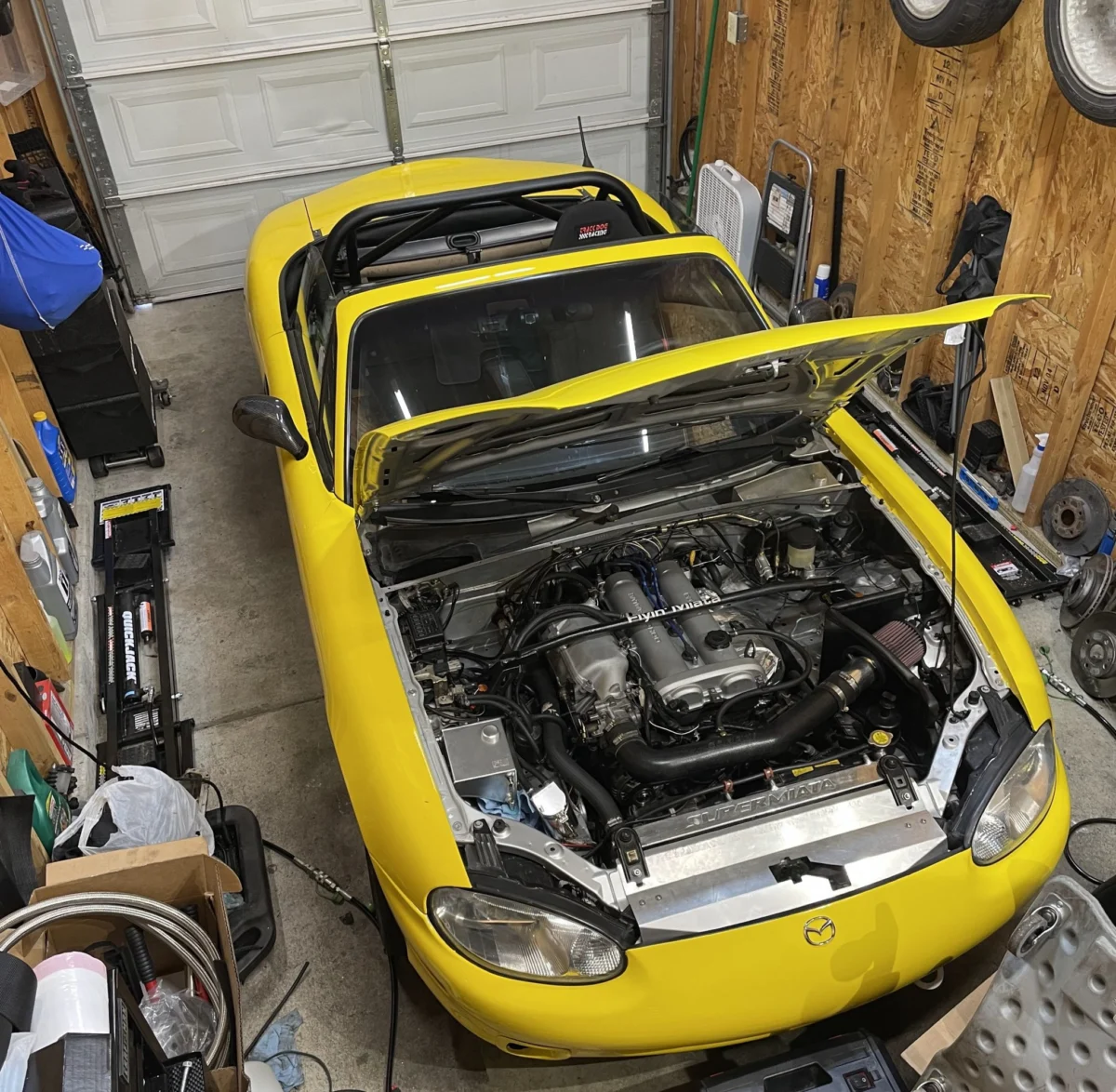
As the vehicle reached its third year of track use, the factory-original BP4W engine began exhibiting signs of internal wear. While the engine remained functional through the conclusion of the season, data logs indicated oil consumption at the redline and smoke during high-RPM engine braking. This led to the initiation of a comprehensive engine building program in October 2023.
The development program currently manages an inventory of three powerplants: two BP4W (1999–2000) units and one BP6D (2001–2005) Variable Valve Timing (VVT) engine. Technical analysis of a spare BP4W revealed exhaust valve failure, with chunks of material missing from the valve faces—a common result of sustained high-heat track cycles.
To address these issues, a "Frankenstein" engine build was commissioned, utilizing a rebuilt BP6D cylinder head paired with a BP4W bottom end and high-compression BP6D pistons. This hybrid approach aims to leverage the superior flow characteristics of the VVT head while maintaining the reliability of the BP4W block. Such modifications are essential for staying competitive in Time Trials classes where power-to-weight ratios are the primary metric for classification.
Performance Data and Tire Longevity Analysis
A critical component of the 2023 season was the comparative analysis of tire compounds. The vehicle utilized three distinct tire models across 15 track days and 15 autocross events:
- Falken RT660 (225/45R15): Utilized for the majority of track sessions. These tires demonstrated remarkable durability, sustaining 38 heat cycles and 8.5 hours of track time while retaining usable tread.
- Bridgestone RE71-RS: Used primarily for autocross. These tires completed approximately 70 runs across 17 events, showing resilience in high-torque, low-speed maneuvers.
- Continental ExtremeContact Sport: Employed for wet-weather sessions. Data showed that these tires could match the pace of heat-cycled Hankook RS4s in damp conditions, providing a versatile option for unpredictable Midwest weather.
The driver achieved a personal best lap time of 1:42.78 at Motorsports Park Hastings in August 2023. For context, the NASA Spec Miata lap record at the same facility is 1:40.415. While the vehicle is approaching Spec Miata speeds, the analysis suggests that further gains can be found in high-speed cornering confidence and the elimination of braking in Turn 3, a high-speed right-hand sweeper.
Weight Reduction and Winter Overhaul
During the winter months of 2023–2024, the vehicle underwent a radical weight reduction program to improve its standing in power-to-weight-based racing classes. The most significant modification was the removal of the dashboard and the meticulous thinning of the factory wiring harness. By removing non-essential circuits and the heavy dashboard structure, the vehicle shed approximately 50 pounds.
In January 2024, the safety systems were updated with the installation of a 330mm OMP flat-bottom steering wheel equipped with a quick-release hub. This modification, while removing the factory airbag, was deemed necessary for the transition to a dedicated track-and-trailer setup. The quick-release mechanism improves driver ingress and egress, a critical safety factor when utilizing racing buckets and roll cages.
Further cabin refinements included the permanent mounting of a "Cool Shirt" system in the trunk. This system, which circulates ice water through a driver-worn vest, is an essential piece of endurance equipment for Midwest summers, where cockpit temperatures can exceed 120 degrees Fahrenheit. The custom aluminum trunk bracket allows for the retention of the passenger seat, facilitating "ride-along" instructional sessions without compromising driver cooling.
Broader Impact and Future Implications
The three-year journey of this Mazda NB Miata serves as a case study for the current state of grassroots motorsports. The transition from a "streetable" track car to a specialized Time Trials competitor reflects the increasing professionalization of the hobby. As participants seek faster lap times, the demand for sophisticated aerodynamics, data-driven tire management, and bespoke engine builds continues to grow.
However, the 2023 season also highlights the fragility of the sport. The closure of Heartland Motorsports Park and the rising costs of consumables like high-performance tires and fuel pose a significant barrier to entry. For the 2024 season, the development program aims to incorporate forced induction to move the vehicle toward the upper limits of its competitive class. This move toward turbocharging or supercharging will represent the final stage of the vehicle’s evolution from a naturally aspirated roadster to a high-performance racing machine.
As the program enters its fourth year, the focus will shift from mechanical repairs to refined chassis tuning and driver development. The data collected over the past 30 days of competitive driving in 2023 provides a robust foundation for future success, proving that even a 25-year-old platform like the NB Miata remains a formidable and relevant contender in the modern racing landscape.