Cecilia Chamidah Nur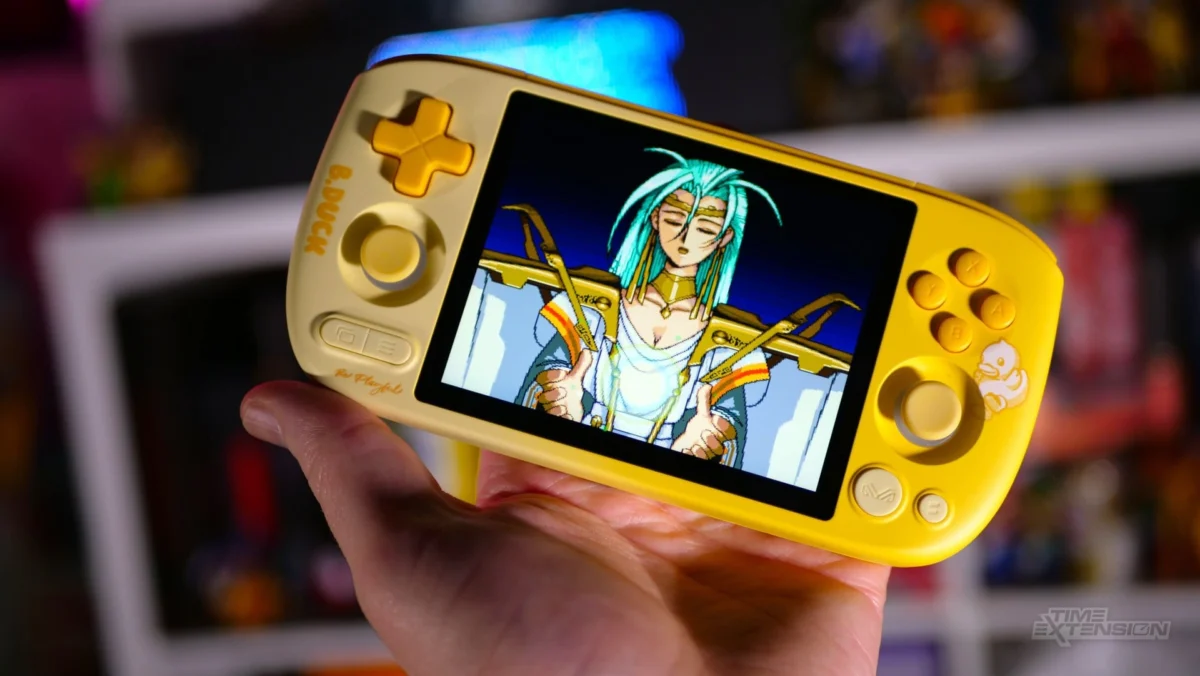
AYANEO, a company synonymous with high-end, feature-rich gaming handhelds often accompanied by premium price tags, has made a significant strategic pivot with the introduction of its Pocket Air Mini. This device notably breaks from the company’s established pricing model, arriving with a sub-$100 price point that positions it as a disruptive force in the increasingly competitive budget emulation handheld sector. The move signals a clear intent from AYANEO to democratize its brand experience, making its hallmark design and software quality accessible to a broader demographic of retro gaming enthusiasts.
Chronology and Market Context
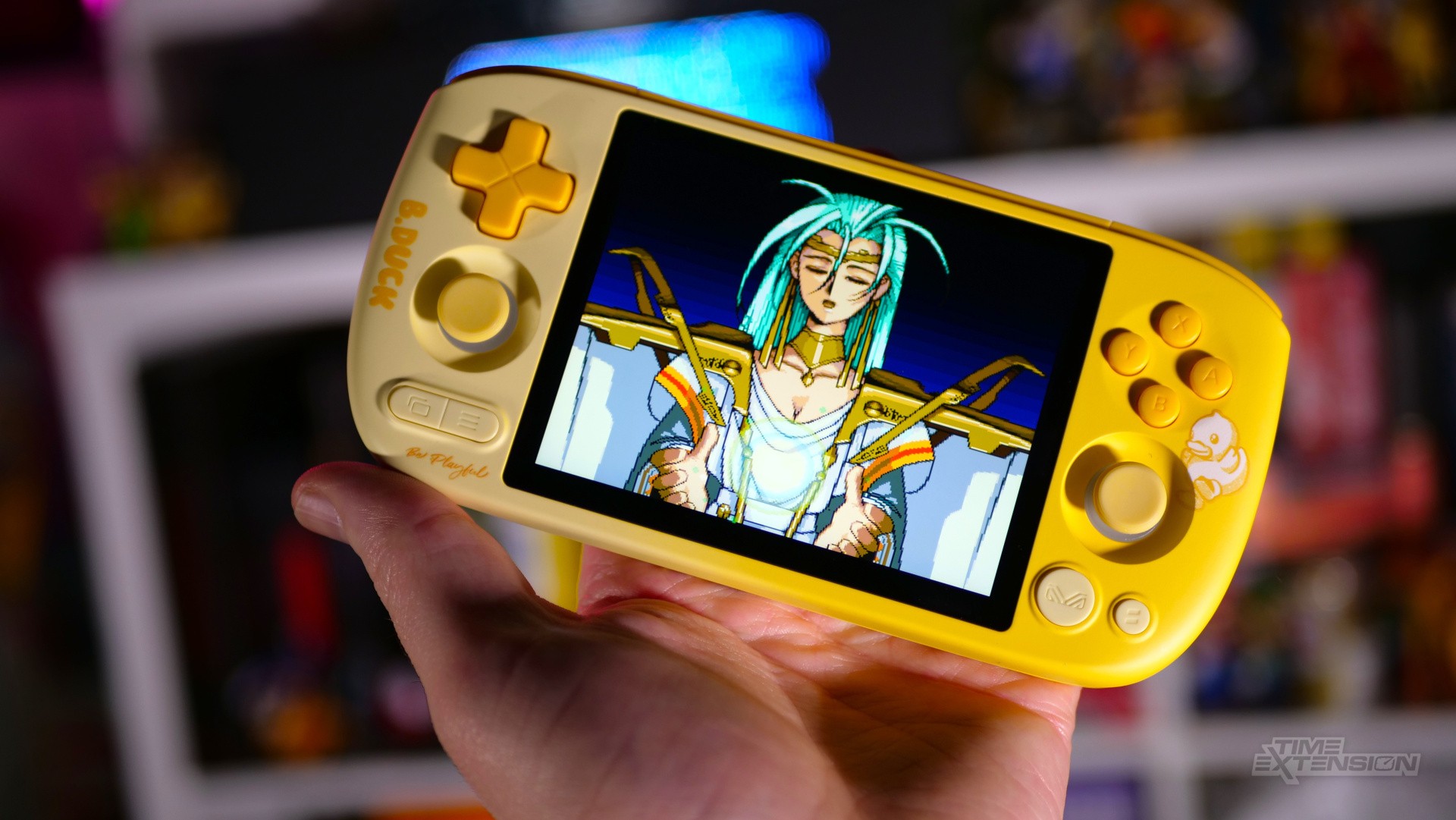
The initial release of the AYANEO Pocket Air Mini occurred last year, entering a market already saturated with offerings from established budget brands such as Anbernic and PowKiddy. These competitors have long dominated the sub-$100 segment, offering a diverse range of devices capable of emulating classic console and arcade titles. AYANEO’s entry into this space was initially met with keen interest, as it represented a departure from their usual Windows-based, high-performance, and consequently expensive, offerings. The device’s strategic pricing was immediately recognized as a bold move, challenging the conventional wisdom that premium build quality must come at a premium cost. More recently, the device garnered renewed attention with the launch of the special edition ‘B.Duck Sunny Pop’ variant, which features the distinctive mascot character from Hong Kong-based design house SEMK. This collaboration, while aesthetically unique, maintains the core hardware specifications and performance profile of the original release, underscoring AYANEO’s focus on the device’s underlying value proposition.
Hardware and Core Specifications
At the heart of the AYANEO Pocket Air Mini lies a MediaTek Helio G90T processor, although it is somewhat confusingly identified by its alternative designation, the MT8185V, on the product packaging. This chipset is a well-regarded mid-range system-on-a-chip (SoC) typically found in budget to mid-tier smartphones, known for its balanced performance across general tasks and moderate gaming. The device is equipped with a 1280×960 LCD screen, featuring a 4:3 aspect ratio—a critical design choice for retro gaming purists. The reviewed version reportedly includes 3GB of RAM and 64GB of internal storage, which can be expanded via a MicroSD card slot, offering ample space for a substantial library of classic game ROMs. Powering the unit is a 4500mAh battery, a capacity that promises extended play sessions, particularly given the relatively modest power demands of retro emulation. Further enhancing the gaming experience are Hall Sensor analogue sticks, which are lauded for their precision, durability, and resistance to stick drift, a common issue with traditional potentiometer-based joysticks.
The Display: A Retro Gaming Advantage
A standout feature of the Pocket Air Mini, and a key differentiator in its price bracket, is its 1280×960 LCD display with a native 4:3 aspect ratio. This specific configuration is meticulously chosen to cater to the aesthetics of classic gaming. Many iconic consoles from the 8-bit, 16-bit, and even some 32-bit eras, such as the NES, SNES, Game Boy, Sega Genesis, and PlayStation 1, were originally designed for 4:3 televisions. When emulated on modern widescreen (16:9 or 16:10) displays, these games often appear with prominent black borders on the sides, or are stretched, distorting the original visual presentation. The Pocket Air Mini’s 4:3 screen virtually eliminates these unsightly borders, allowing retro games to fill almost the entire available screen real estate, thereby preserving their intended aspect ratio and visual fidelity. While the LCD panel does not offer the deep blacks and vibrant contrast of an OLED screen, its overall quality is noted as high, providing crisp images and accurate color reproduction that significantly enhances the retro gaming experience. This design philosophy underscores AYANEO’s understanding of the target audience’s preferences, prioritizing an authentic visual experience over raw panel technology.
Software Ecosystem and Emulation Capabilities
Consistent with AYANEO’s other non-Windows handhelds, the Pocket Air Mini operates on the Android platform. This choice provides immediate access to Android’s mature and expansive app ecosystem, which has grown to include a vast array of high-quality emulators and utility applications over the years. The open nature of Android allows users significant flexibility in configuring their gaming experience. Many reviewers, when setting up an Android gaming handheld, typically prioritize the installation of RetroArch, a popular open-source frontend that allows users to download and manage emulator "cores" for a wide spectrum of retro systems. Alternatively, users can opt to install individual emulators, many of which are readily available on the Google Play Store, while others can be sideloaded directly onto the device. This dual approach ensures that users have complete control over their emulation environment, from highly customizable all-in-one solutions to standalone emulators optimized for specific systems.
Performance Benchmarks and Limitations
The MediaTek Helio G90T / MT8185V chipset, while capable, is not a flagship-tier processor, and potential buyers are advised to manage their expectations accordingly. For older, less demanding systems, the Pocket Air Mini delivers exceptional performance. Emulation of 8-bit and 16-bit consoles, including the NES, SNES, Sega Genesis, and various Game Boy iterations, is reportedly flawless, providing a smooth and authentic experience. The device also excels at emulating popular 32-bit and 64-bit systems such as the PlayStation 1, Sega Dreamcast, and Nintendo 64, with most titles running at playable frame rates.
However, the Pocket Air Mini begins to encounter limitations when attempting to emulate more graphically intensive systems like the PlayStation 2 and Nintendo GameCube. While it may be possible to get certain less demanding titles from these generations running at a playable frame rate, it often requires significant tweaking of emulator settings, resolution scaling, and other parameters, which can detract from the user experience. This performance ceiling is not unique to the Pocket Air Mini; most devices within its sub-$100 price bracket struggle with consistent, full-speed emulation of PS2 and GameCube titles. Similarly, Sega Saturn emulation, known for its complex architecture, is possible but demands careful selection of emulators and configurations, and even then, not every game can be expected to run at full speed. This suggests that the Pocket Air Mini is optimally suited for systems up to the Dreamcast/N64 era, offering a near-perfect experience within those parameters, while venturing into later generations becomes a more experimental and less consistent endeavor.
Design, Ergonomics, and Build Quality
One of the most compelling aspects of the Pocket Air Mini is its perceived build quality, which significantly belies its budget price point. The device exhibits the same premium feel and meticulous attention to detail that AYANEO is known for across its higher-end product lines. This commitment to quality extends to the device’s integrated software experience, featuring AYANEO’s proprietary AYASpace and AYAHome applications, which provide a streamlined interface for managing games and system settings.
The control layout and ergonomics are particularly noteworthy. The D-pad, often a critical component for retro 2D games, is described as "fantastic," offering a tactile and responsive feel. Its placement above the left-hand analogue stick is an ergonomic choice that caters well to players who predominantly engage with 2D titles. While the analogue sticks are noted to be somewhat small, as are the four face buttons, these are generally not considered deal-breakers, especially given the device’s compact form factor. The four shoulder buttons are responsive and comfortable, complemented by two additional mappable buttons that can be assigned to common emulator functions or system shortcuts. AYANEO’s reputation for prioritizing user comfort is upheld by the Pocket Air Mini; even during extended play sessions, the device maintains a comfortable grip, minimizing hand fatigue.
Battery Life and Portability
Despite its compact size, the Pocket Air Mini delivers impressive battery life, a crucial factor for a portable gaming device. The 4500mAh battery, combined with the power-efficient MediaTek Helio G90T and optimized Android operating system, allows for extended playtimes. When running low-level emulators (e.g., for 8-bit or 16-bit systems), the device can reportedly achieve well over 5 hours of continuous use on a single charge, often exceeding this duration. This longevity makes it an ideal companion for commutes, travel, or casual gaming sessions without the constant worry of needing to recharge. The device’s portability, combined with its robust battery performance, solidifies its position as a highly practical option for gaming on the go.
The ‘B.Duck Sunny Pop’ Special Edition
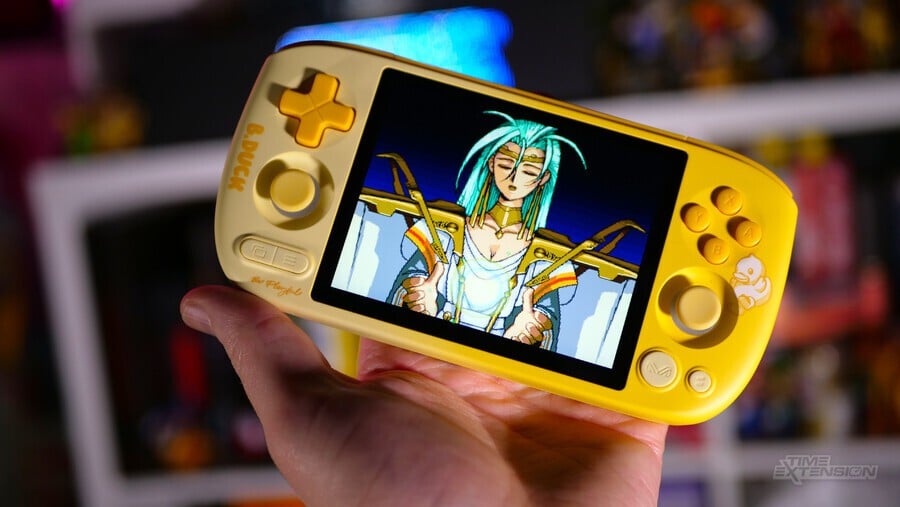
The ‘B.Duck Sunny Pop’ edition of the Pocket Air Mini represents a unique collaboration between AYANEO and SEMK, the Hong Kong-based company behind the popular B.Duck mascot. This special edition features an eye-catching casing adorned with the cheerful B.Duck character, offering a distinct aesthetic appeal that stands out from the standard model. While the exterior design is the primary differentiator, the internal hardware specifications and performance remain identical to the version launched last year. This partnership highlights a growing trend in the consumer electronics market where brands leverage popular cultural icons to create limited editions, attracting collectors and a broader demographic who appreciate personalized and themed devices. For AYANEO, it also signifies an effort to expand its brand appeal beyond the core gaming enthusiast community, tapping into lifestyle and pop culture segments.
Broader Market Implications and Value Proposition
The retro handheld market is undeniably crowded, with a multitude of devices available for under $100 that can capably emulate systems up to the Dreamcast era. However, the AYANEO Pocket Air Mini distinguishes itself not merely by its performance-to-price ratio but fundamentally by its superior build quality. In a segment often characterized by plastic constructions and less refined interfaces, AYANEO introduces a level of premium craftsmanship and ergonomic design typically found in much more expensive devices. This blend of budget-friendly performance with premium feel sets a new benchmark for the category.
The implications for the market are significant. AYANEO’s entry forces competitors like Anbernic and PowKiddy to potentially re-evaluate their own product strategies, possibly encouraging them to invest more in design, materials, and overall user experience to remain competitive. For consumers, this translates to an elevated standard for budget emulation handhelds, offering more refined options that don’t compromise on the tactile experience. The Pocket Air Mini proves that it is possible to deliver a high-quality, comfortable, and visually optimized retro gaming experience without "breaking the bank." This device is therefore not just another entry in a crowded market, but a statement from AYANEO about accessible quality, making it a highly recommended choice for anyone seeking to enjoy classic games on a portable device with a premium touch at an affordable price. Its strategic pricing, coupled with its excellent screen and robust build, positions it as a compelling option that redefines expectations for the budget segment of the retro gaming handheld market.