Retno Hari Mulyono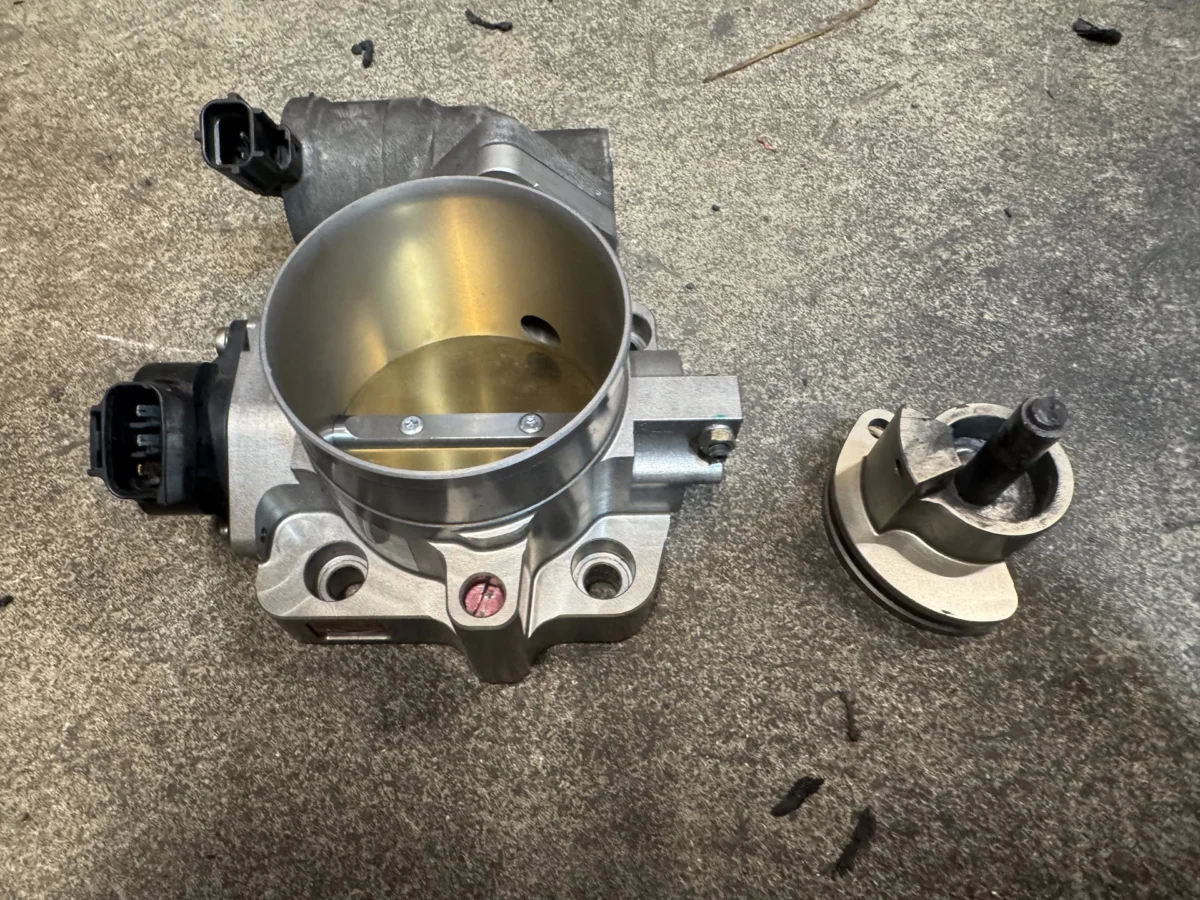
The automotive aftermarket for the first and second-generation Mazda Miata, specifically the NA and NB models produced between 1989 and 2005, is currently undergoing a significant technological shift as enthusiasts move away from traditional cable-driven throttle systems in favor of modern drive-by-wire (DBW) technology. This transition, driven by the need for increased reliability on the racetrack and more sophisticated engine management, marks a new era for the aging sports car platform. While the Miata has long been celebrated for its mechanical simplicity, the limitations of vintage throttle hardware have increasingly become a bottleneck for high-performance applications. Recent developments in standalone Engine Control Unit (ECU) firmware, specifically within the Megasquirt ecosystem, have finally made these advanced conversions accessible to the broader tuning community.
The Mechanical Limitations of Cable-Driven Throttle Systems
For decades, the cable-driven throttle body was the standard for internal combustion engines, offering a direct mechanical link between the driver’s foot and the engine’s air intake. However, as the Miata platform has matured into a dominant force in amateur and professional road racing, the weaknesses of this analog system have become more apparent. Performance tuners frequently cite two primary areas of concern: the failure of aftermarket components and the inherent safety risks associated with aging OEM hardware.
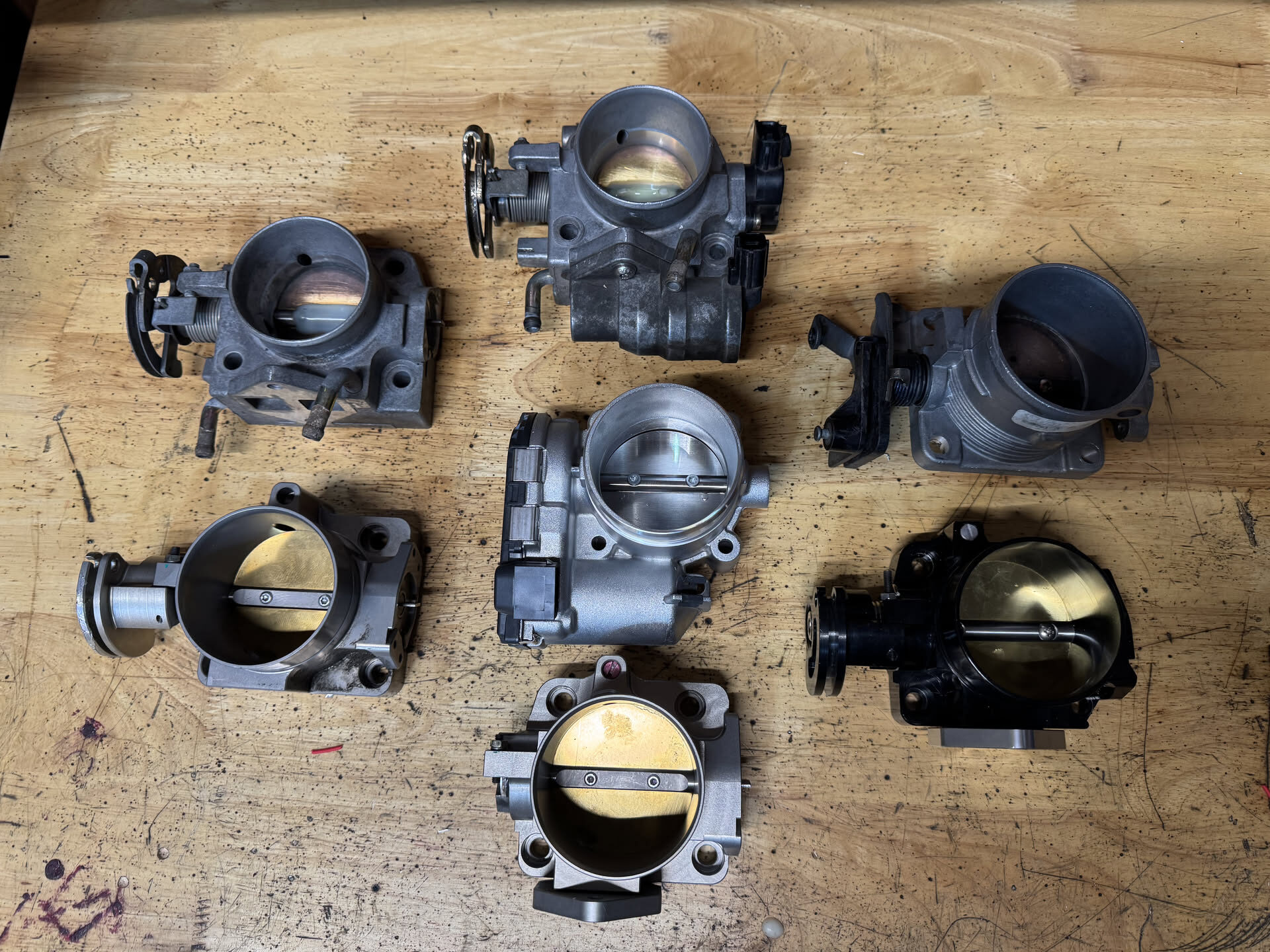
Aftermarket upgrades, such as those produced by Skunk2, have historically been the go-to solution for owners seeking increased airflow. Despite their popularity, these units have recently faced scrutiny within the racing community due to reported mechanical failures. Logged data from track-day sessions has revealed instances of throttle plates sticking partially open or failing to respond to pedal input—a condition often attributed to harmonic vibrations or poor tolerances in the throttle shaft. In a high-stakes racing environment, a sticking throttle is not merely a performance nuisance; it is a critical safety hazard that can lead to catastrophic engine failure or high-speed collisions.

Even stock Mazda throttle bodies are not immune to these issues. Documentation within the Miata community has highlighted cases where throttle blade screws have backed out over time, or the throttle shaft itself has snapped under the stress of high-RPM operation. When these metal components are ingested into the intake manifold, they inevitably cause severe internal engine damage. While some racers have attempted to mitigate these risks by using high-strength epoxies like 3M DP420 to secure throttle hardware, these measures are increasingly viewed as temporary fixes for an outdated mechanical design.
The Technical Shift to Drive-By-Wire Integration
Drive-by-wire technology replaces the physical steel cable with an electronic signal transmitted from the accelerator pedal to an electric motor on the throttle body. This system, standard on nearly every modern production vehicle, offers several distinct advantages for the performance tuner. By decoupling the pedal from the throttle plate, the ECU can implement sophisticated strategies for idle control, traction control, and throttle mapping.
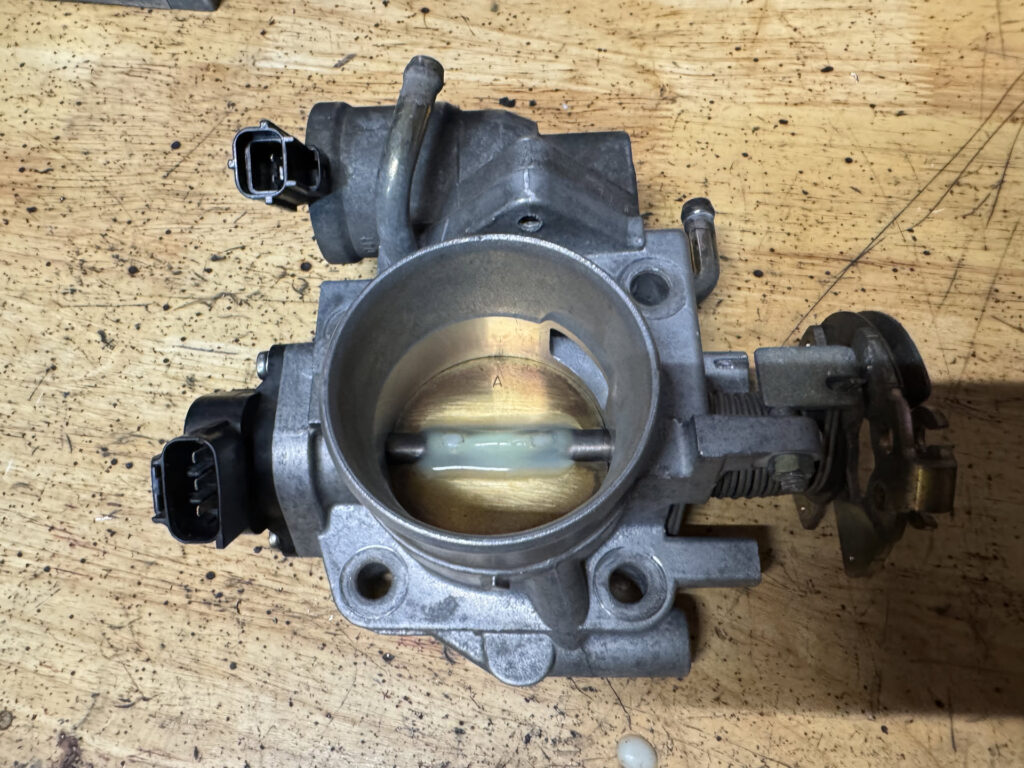
One of the most significant benefits is the elimination of the dedicated Idle Air Control Valve (IACV). In a traditional setup, the IACV is a separate, often finicky component that manages airflow during idle. With DBW, the ECU can simply adjust the main throttle plate in minute increments to maintain a perfect idle, regardless of engine load or temperature. Furthermore, DBW allows for "non-linear" throttle mapping, where the tuner can calibrate the pedal sensitivity to be soft during low-speed maneuvers and more aggressive during spirited driving, or vice-versa to improve modulation.
The Megasquirt CAN Bus Revolution
While modern high-end ECUs like Haltech or MaxxECU feature native support for DBW, the widely used Megasquirt MS3Pro platform does not include the internal high-current H-bridge drivers required to move a throttle motor. For years, this was a barrier to entry for Miata owners invested in the Megasquirt ecosystem. However, a recent shift in firmware has enabled the MS3 to communicate with external DBW controllers via Controller Area Network (CAN) bus protocols.

This development has birthed a competitive market of third-party controllers designed to bridge the gap between the Megasquirt ECU and the electronic throttle body. As of late 2025, several key players have emerged, each offering different levels of integration and feature sets.
Comparative Analysis of CAN-Compatible Controllers
The current market for DBW controllers is diverse, ranging from budget-friendly units to high-end, multi-channel processors.

- AMP EFI Controller: Released in October 2025, the AMP EFI unit is the newest entry to the market. Priced at approximately $300, it offers a high degree of integration with TunerStudio, the primary configuration software for Megasquirt. Its standout features include the ability to operate as a completely standalone unit and dedicated inputs for brake and clutch signals to facilitate auto-blip downshifting.
- DBWX2 Controller: As one of the earliest and most robust options, the DBWX2 is priced at the premium end of the spectrum, near $500. It is unique in its ability to control two independent throttle bodies simultaneously, a feature essential for complex forced-induction setups, such as "twin-charging" or hot-side supercharger configurations.
- SPTronics Controller: Representing the value segment at roughly $150, the SPTronics unit provides basic DBW functionality. While it lacks the firmware update capabilities and advanced PID (Proportional-Integral-Derivative) tuning of its more expensive rivals, it offers a cost-effective entry point for enthusiasts on a budget.
- MS Labs Controller: Though currently restricted in the U.S. market, the MS Labs unit is highly regarded in Europe for its advanced idle control algorithms and support for multiple throttle maps, providing a level of refinement that mimics OEM behavior.
- LD Performance: This mid-tier option, priced at $200, provides a functional alternative but suffers from a lack of TunerStudio integration and a non-waterproof enclosure, necessitating an interior installation.
Hardware Selection and Implementation Strategy
For a successful DBW conversion on the NB Miata, hardware selection is as critical as the electronic controller. The industry standard has shifted toward the Bosch Motorsports 60mm electronic throttle body. These units are favored for their OEM-grade reliability, widespread availability, and affordable price point of approximately $150. Because the Bosch unit does not share the Miata’s bolt pattern, specialized adapters from manufacturers like Outsider Garage or ChathamCNC are required to mate the 60mm bore to the stock intake manifold.
On the driver’s side of the equation, the Accelerator Pedal Position (APP) sensor must be addressed. While some tuners choose to swap the entire pedal assembly for one from a modern Mazda RX-8 or Corvette, a growing trend involves the use of a Honda-sourced cable-driven sensor. This sensor, found in V6-powered Accords from the mid-2000s, allows the user to retain the factory Miata pedal and cable. The cable simply pulls a spring-loaded pulley on the Honda sensor, which then translates that mechanical movement into a dual-redundant electrical signal. This approach is highly praised for preserving the original "pedal feel" of the car while simplifying the installation process.

Chronology of the Miata DBW Evolution
The path to digital throttle control in the Miata community has followed a clear chronological progression:
- 1990–2010: Era of mechanical dominance. Tuning focused on larger throttle bodies and manual adjustments.
- 2011–2018: Rise of standalone ECUs like Megasquirt. DBW remained a luxury reserved for those using high-end industrial ECUs.
- 2019: The release of the DBWX2 marks the first viable external CAN-bus controller for Megasquirt users.
- 2020–2024: Incremental firmware updates to the MS3 platform improve CAN-bus communication reliability, making external DBW control more stable.
- 2025: A surge in hardware options, including the AMP EFI and ChathamCNC adapters, makes DBW conversions a mainstream modification for the Miata platform.
Broader Impact and Industry Implications
The shift toward drive-by-wire in the Miata community is representative of a larger trend in the restomod and amateur racing industries. As mechanical parts for vintage cars become more difficult to source and aftermarket quality fluctuates, digital solutions offer a path toward modern reliability.

Industry analysts suggest that the success of these conversions will likely lead to increased demand for "smart" peripherals that communicate via CAN bus, reducing the amount of copper wiring required in a race car and increasing the amount of data available for logging. For the Miata specifically, this technology levels the playing field, allowing a 25-year-old chassis to utilize the same advanced rev-matching and traction control strategies found in modern sports cars like the Porsche GT3 or the latest Mazda MX-5 ND.
As enthusiasts continue to document their findings and refine the PID settings required for perfect throttle response, the drive-by-wire conversion is poised to become a standard "reliability mod" for any serious Miata track build. The combination of Bosch hardware and sophisticated CAN-bus controllers has effectively solved a decades-old vulnerability, ensuring that the Miata remains a viable and safe platform for the next generation of racers.