Chalid Lutfie
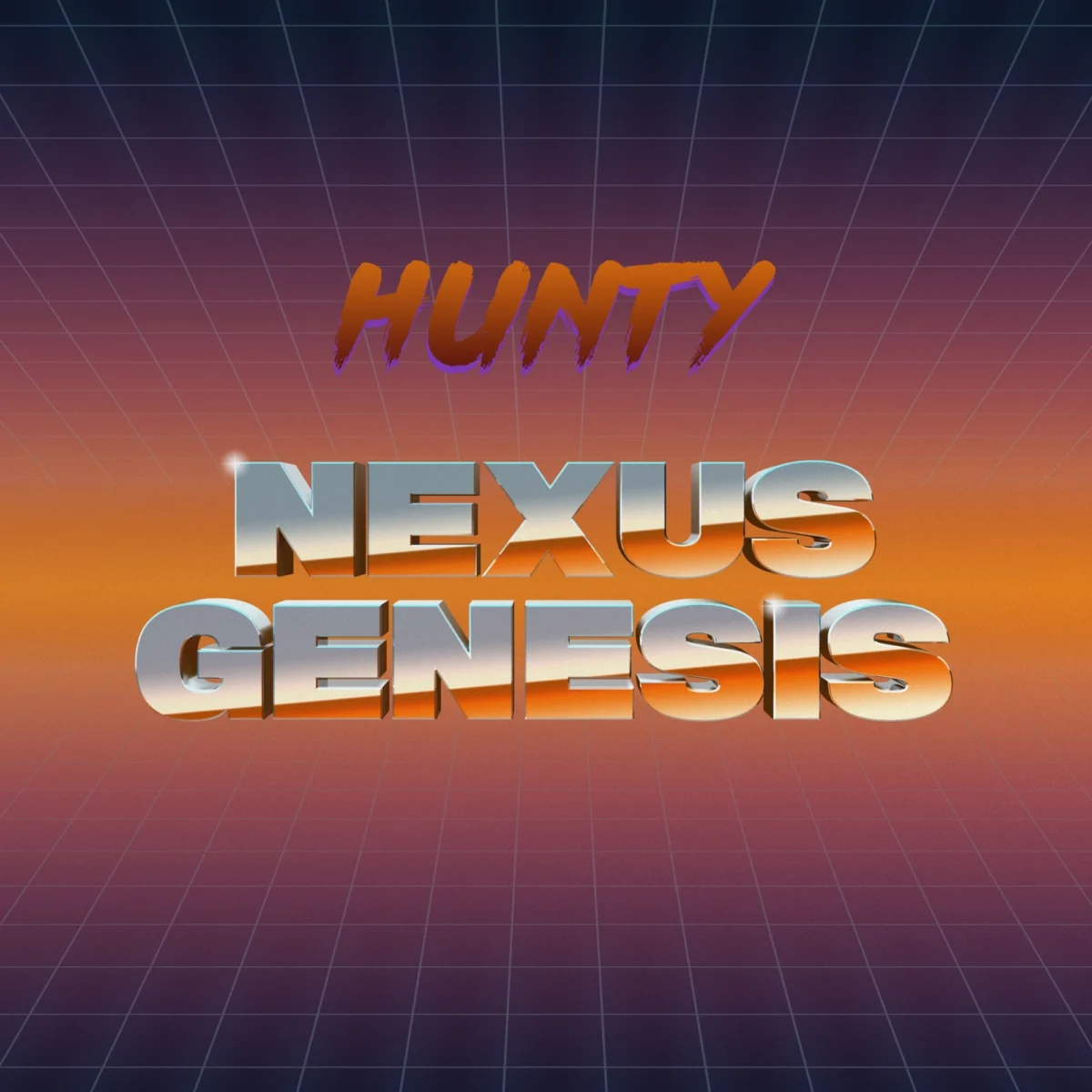
Ubiktune has officially announced the release of Nexus Genesis, the debut album from composer Hunter Bridges, which serves as the culmination of nearly a decade of creative effort. The album functions as a complete, high-fidelity reimagining of the musical score originally composed for the acclaimed but ultimately cancelled fan-made video game, Sonic Nexus. This release represents not only a personal milestone for Bridges but also a significant archival effort for the Sonic the Hedgehog fan-game community, preserving a body of work that was once feared lost to the shifts in professional industry dynamics.
The Origins of Sonic Nexus and the Development Timeline
The project known as Sonic Nexus began in the summer of 2006, spearheaded by developer Brad Flick, better known within the community as "Slingerland." At the time, the fan-game movement was reaching a fever pitch, fueled by the accessibility of development kits like Multimedia Fusion and the burgeoning connectivity provided by forums such as Sonic Fan Games HQ (SFGHQ).

Between 2006 and 2010, Sonic Nexus was developed through three distinct demo releases. It quickly became a hallmark of the Sonic Amateur Games Expo (SAGE), receiving widespread critical praise from gaming blogs and enthusiasts for its fidelity to the classic 16-bit aesthetic. Hunter Bridges, recruited by Flick in 2006, was tasked with crafting a score that could stand alongside the iconic, high-energy soundtracks of the early 1990s.
The timeline of the project is inextricably linked to the professional trajectory of programmer Christian Whitehead. While Bridges was composing for Nexus, Whitehead was developing the "Retro Engine," a sophisticated proprietary tool capable of replicating the original Sega Genesis hardware behavior. By 2008, the Nexus team sought to migrate their project onto this engine to address technical limitations. By 2010, the landscape of fan-game development had shifted significantly, leading to the consolidation of Sonic Nexus, Retro Sonic, and Sonic XG into a singular, collaborative effort.
The Intersection of Fan Development and Professional Industry
The cancellation of Sonic Nexus in 2010 was a direct byproduct of the professionalization of the fan-game scene. Christian Whitehead, having successfully reverse-engineered the Genesis architecture, utilized a recreation of the "Palmtree Panic" level from Sonic CD to demonstrate the potential of his engine to SEGA executives. This pitch was successful, resulting in Whitehead being commissioned by SEGA to develop official ports of Sonic CD, as well as high-profile remakes of Sonic the Hedgehog and Sonic the Hedgehog 2.

In an effort to protect Whitehead’s burgeoning professional relationship with SEGA and mitigate the risks associated with the company’s strict intellectual property enforcement policies, the developers of Sonic Nexus elected to cease active development. The sudden termination of the project left years of assets—including Bridges’ evolving musical score—without an official home. For the next five years, these compositions existed primarily in fragmented, low-fidelity forms on various internet archives.
The Evolution of the Soundtrack: From MIDI to Modern Production
Hunter Bridges’ musical journey began in Alabama, characterized by an early exposure to analog instrumentation through his father’s band. However, his formative musical years were defined by the sound design of the 16-bit era. Titles such as Super Mario Bros. 3, Street Fighter II, Gauntlet IV, and specifically the soundtrack for Sonic the Hedgehog 3—composed by a team including Michael Jackson, Brad Buxer, and others—formed the bedrock of his musical identity.
Bridges began his career as an arranger, contributing MIDI transcriptions to the influential repository VGMusic.com in the early 2000s. As he transitioned from MIDI to digital production, he faced the inherent challenge of capturing the "authentic" Sega Genesis sound. While he initially utilized software like Fruity Loops 4, he moved to Cubase to achieve the high-resolution waveform output required for the more ambitious iterations of the Sonic Nexus project.

The release of Nexus Genesis in 2015 is the result of a long-term technical refinement process. Following the cancellation of the game, Bridges continued to hone his craft, eventually studying advanced FM synthesis during his college years. In 2013, he released a "Sonic 3 & Knuckles FM8 Patch Collection," which bridged the gap between his amateur beginnings and his professional aspirations. Nexus Genesis is the culmination of this research, utilizing modern production techniques to realize the musical themes exactly as he had intended them to sound nearly a decade prior.
Technical Analysis and Musical Influence
Nexus Genesis is framed as a love letter to the compositional style of the 1990s. The album’s production style relies heavily on FM synthesis—the process of using frequency modulation to create complex timbres from simple waveforms, which was the hallmark of the Yamaha YM2612 sound chip found in the Sega Genesis.
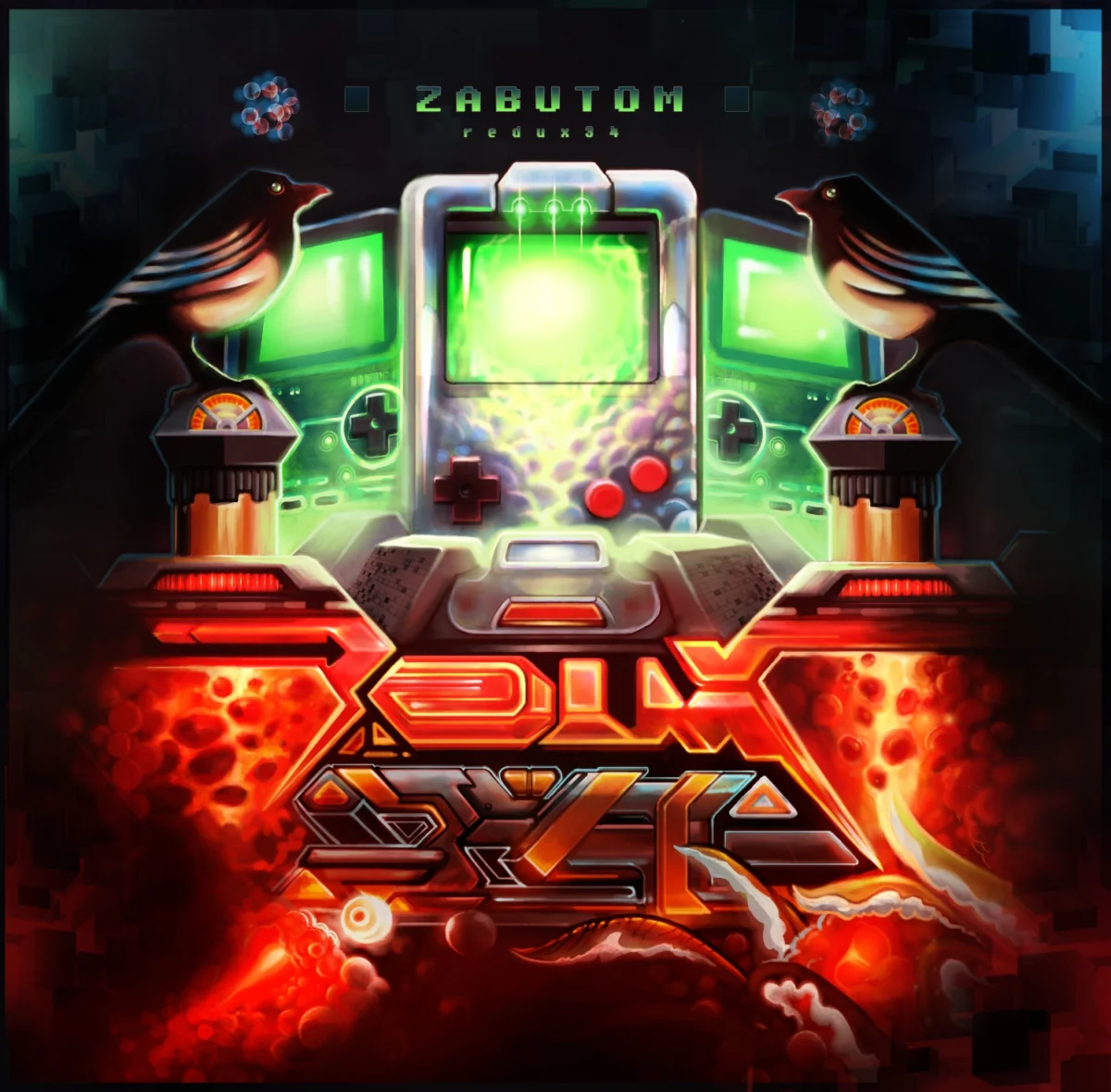
From an analytical perspective, Bridges’ work demonstrates an evolution from mere emulation to original composition within the stylistic constraints of the era. By focusing on melody, rhythmic drive, and distinct percussive layering, the album captures the "spirit" of the 16-bit era without relying solely on chiptune tropes. The album art, created by Daniel Warner Smith, further underscores the professionalization of this project, moving it away from the aesthetic typical of early-2000s fan-game assets.

Broader Implications for Fan-Game Archiving
The release of Nexus Genesis carries weight beyond the music itself. It highlights the complex relationship between fan-created content and corporate intellectual property. In the years following 2010, the trend of independent developers moving into the professional industry has accelerated. Projects like Sonic Nexus serve as a case study for this transition, demonstrating how fan-led development can act as an incubator for professional-grade skills.
For the community, the album serves as a rare example of a "lost" project finding a formal conclusion. Most fan games simply fade into obscurity, with their source code and assets becoming corrupted or inaccessible as host websites vanish. By securing a formal release through a digital label like Ubiktune, Bridges has ensured that the creative output of the Nexus team is preserved in a permanent, high-quality format.
Official Statements and Legacy
While neither SEGA nor Christian Whitehead has issued a formal statement regarding the release of this album, the project maintains a respectful acknowledgment of the parties involved. Bridges has frequently cited the influence of Brad Flick and Christian Whitehead as instrumental in his development.

The legacy of Sonic Nexus is now bifurcated: the game remains a historical footnote in the history of fan-game development, while the music—the soul of the project—has been given a life of its own. Nexus Genesis provides a definitive answer to the "what-if" scenario that has occupied the minds of enthusiasts for years. By finalizing these tracks, Bridges has effectively "shipped" the audio component of the game, bringing a sense of closure to a project that was once suspended in the limbo of intellectual property constraints.
The release of this album by Ubiktune serves as a reminder of the artistic merit present in amateur development communities. It validates the thousands of hours invested by hobbyists who, while often unable to legally distribute their interactive products, produce art that remains culturally significant to a specific generation of gamers. Nexus Genesis is not merely a collection of songs; it is a historical record of a community at the height of its creative activity, now curated for a wider audience.