Farhan hamdan
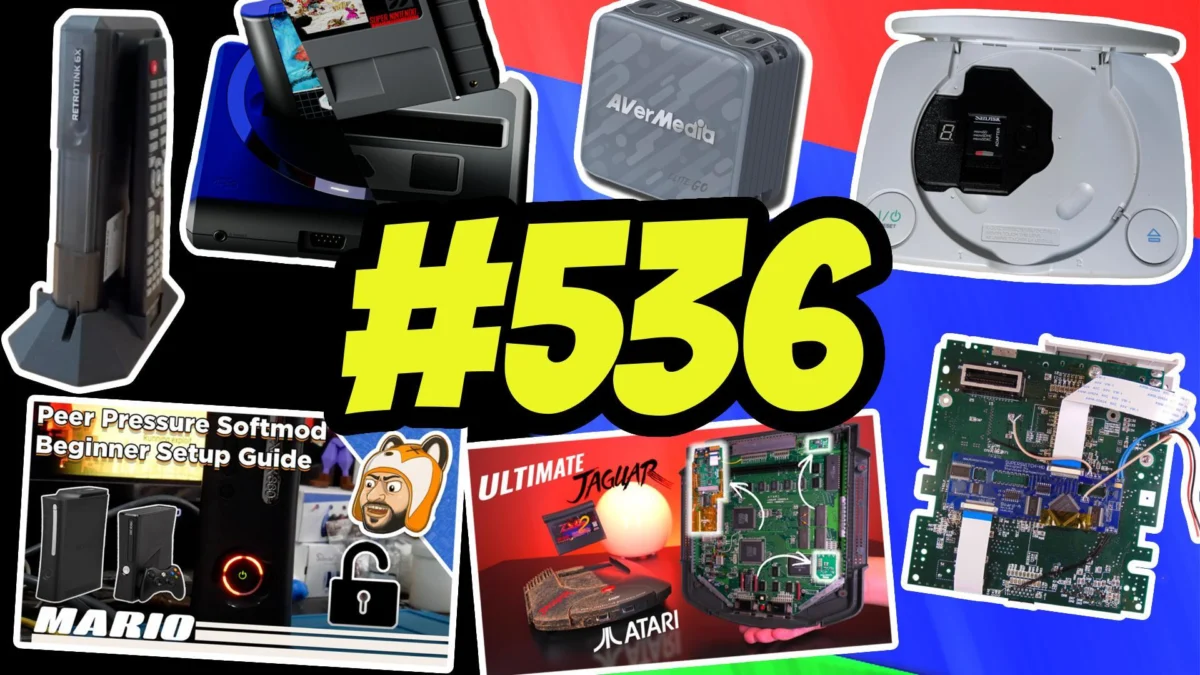
The retro gaming landscape continues to evolve at a rapid pace, driven by a combination of community-led hardware modifications, new aftermarket manufacturing, and advanced display signal processing. In the latest edition of the weekly news analysis, industry developments highlight a busy period for classic console enthusiasts, preservationists, and hardware engineers alike. From breakthrough software modifications on seventh-generation hardware to long-awaited hardware re-releases and cutting-edge upscaler firmware, the breadth of recent announcements underscores the ongoing vitality and technical sophistication of the retro gaming ecosystem.
Main Facts and Hardware Breakthroughs
The past week has delivered significant milestones across multiple hardware generations, stretching from the late 1980s 16-bit era up to the HD console era of the late 2000s. Among the most widely discussed developments is the emergence of a true software modification method for the Microsoft Xbox 360. Historically, modifying Microsoft’s seventh-generation console required complex hardmodding procedures, including soldering replacement chips or performing intricate trace modifications to flash alternative NAND firmware. The newly detailed softmod approach lowers the barrier to entry significantly, allowing enthusiasts to unlock system capabilities without hardware installation. Industry analysts note that this development could spark a resurgence in homebrew development and title preservation for a platform that has increasingly suffered from digital storefront closures and online infrastructure deprecation.
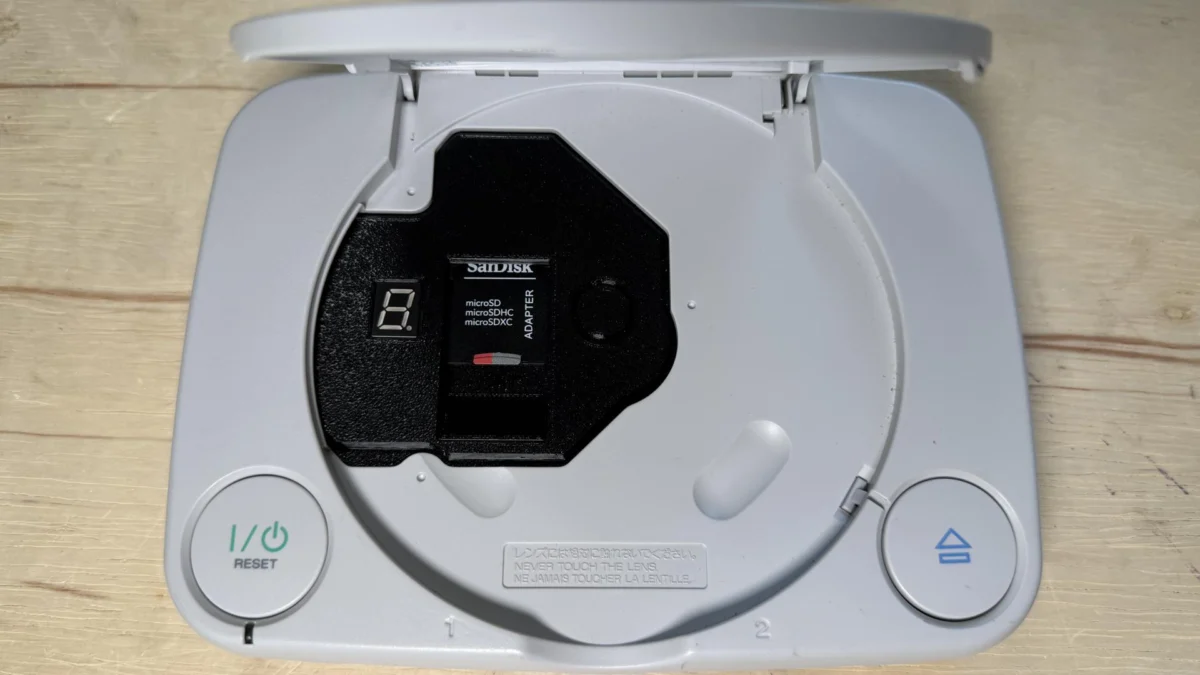
Simultaneously, the storage modification sector has seen notable progress with the testing of the ArcStation, a plug-and-play Optical Drive Emulator (ODE) designed for the original Sony PlayStation. ODEs have long been celebrated for mitigating mechanical failure risks inherent in aging optical disc drives, replacing moving laser assemblies with solid-state flash storage. The ArcStation’s plug-and-play architecture aims to streamline installation, removing the need for complex soldering or custom wiring harnesses that typically deter casual collectors from modifying their vintage hardware.
Chronology and Ecosystem Developments
The timeline of recent retro hardware releases and technical updates spans several distinct categories of the enthusiast market, reflecting a multi-layered approach to modernizing classic gaming setups.
Early October Hardware and Display Innovations
The rollout of high-end display integration accessories continued with the introduction of specialized vertical mounting solutions, such as the dedicated vertical stand designed for high-end video processors like the RetroTINK-4K when paired with auxiliary hardware like the 6x switch system. As upright arcade cabinets and vertical display orientations maintain a dedicated following within the shmup (shoot ’em up) community, physical infrastructure designed to safely house high-end scaling hardware in tight spaces has become increasingly vital.
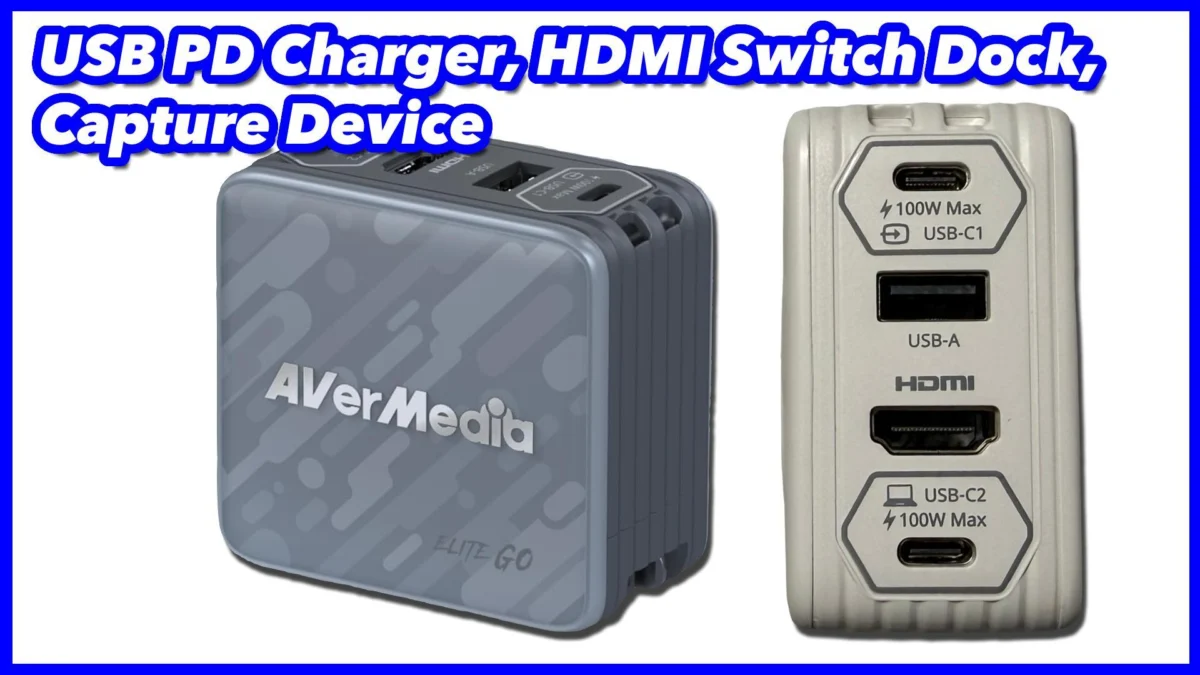
In the capture card and streaming market, Avermedia’s introduction of the Elite Go and Core Go systems addresses the ongoing demand for versatile, low-latency capture solutions tailored to both modern setups and legacy analog video feeds. These devices facilitate content creation workflows for creators dealing with mixed-signal environments, bridging the gap between standard HDMI workflows and older component or RGB feeds.
Mid-October Firmware and Core Upgrades
Firmware updates for industry-standard upscalers have likewise pushed the boundaries of visual fidelity. The RetroTINK-4K Pro received major updates incorporating advanced features such as Lumacode support, CRT beam simulation enhancements, and improved Inverse Telecine (IVTC) processing. These features allow hardware purists to replicate the authentic geometry, scanline structure, and phosphorescent glow of vintage cathode-ray tube televisions on modern OLED and microLED panels with unprecedented accuracy.

Concurrently, hardware modification pioneer Tito released details regarding comprehensive upgrade packages for the Atari Jaguar. By addressing longstanding design bottlenecks in Atari’s ill-fated 64-bit system, these modifications aim to stabilize video output, enhance audio clarity, and ensure reliable long-term operation for collectors maintaining notoriously finicky legacy hardware.
Supporting Data and Technical Analysis
The technical sophistication required to maintain and enhance legacy hardware is mirrored by ongoing debates surrounding signal processing methodologies. A notable technical discussion this week centered on the concept of re-interlacing bob-deinterlaced 480p video signals. While progressive scan signals (480p) are generally preferred for modern display compatibility, certain display pipelines and stylistic preferences benefit from returning to standard interlaced output (480i) to achieve authentic motion handling and visual artifacting associated with period-accurate television sets.
Furthermore, the SuperSwitch HD modification for the Super Nintendo Entertainment System (SNES) demonstrates a continued market demand for pristine, digital-domain video output from classic consoles. Rather than relying on analog-to-digital conversion chains that can introduce noise or lag, direct HDMI modification boards tap internal digital video buses to deliver uncompressed, crystal-clear high-definition signals suited for modern flat-panel displays.
Official Responses and Industry Implications
Perhaps the most commercially significant development of the period is Analogue’s official announcement regarding the re-release of the Super Nt and Mega Sg systems. Originally launched to widespread critical acclaim, these FPGA-based (Field Programmable Gate Array) consoles provide hardware-level emulation of the Super Nintendo and Sega Genesis/Mega Drive, avoiding the latency and software inaccuracies often associated with traditional software emulators.
Market observers point out that Analogue’s decision to revisit these platforms reflects sustained high demand for premium, hardware-accurate retro gaming solutions. In a statement regarding the production runs, industry analysts noted that the secondary market for out-of-print FPGA consoles had previously reached inflated pricing tiers, making official re-releases a welcome relief for collectors and preservationists alike. The return of these systems highlights the viability of high-end boutique manufacturing in an industry frequently dominated by mass-produced, lower-cost emulation boxes.
Broader Impact and Future Outlook
The cumulative effect of these developments points toward a maturing retro gaming market that increasingly values both accessibility and uncompromising authenticity. The lowering of technical barriers—exemplified by the Xbox 360 softmod and the plug-and-play nature of modern optical drive emulators—democratizes hardware preservation, allowing a broader base of enthusiasts to maintain and explore classic libraries.
At the same time, high-end engineering efforts spearheaded by creators working on advanced upscalers, FPGA consoles, and custom PCB modifications ensure that the upper echelon of retro gaming presentation continues to advance. As digital preservation challenges mount alongside the physical degradation of aging electronics, the synergistic growth of software-based exploits, hardware replacements, and modern display compatibility frameworks guarantees that retro gaming will remain a vibrant, highly technical subculture for years to come.