Farhan hamdan
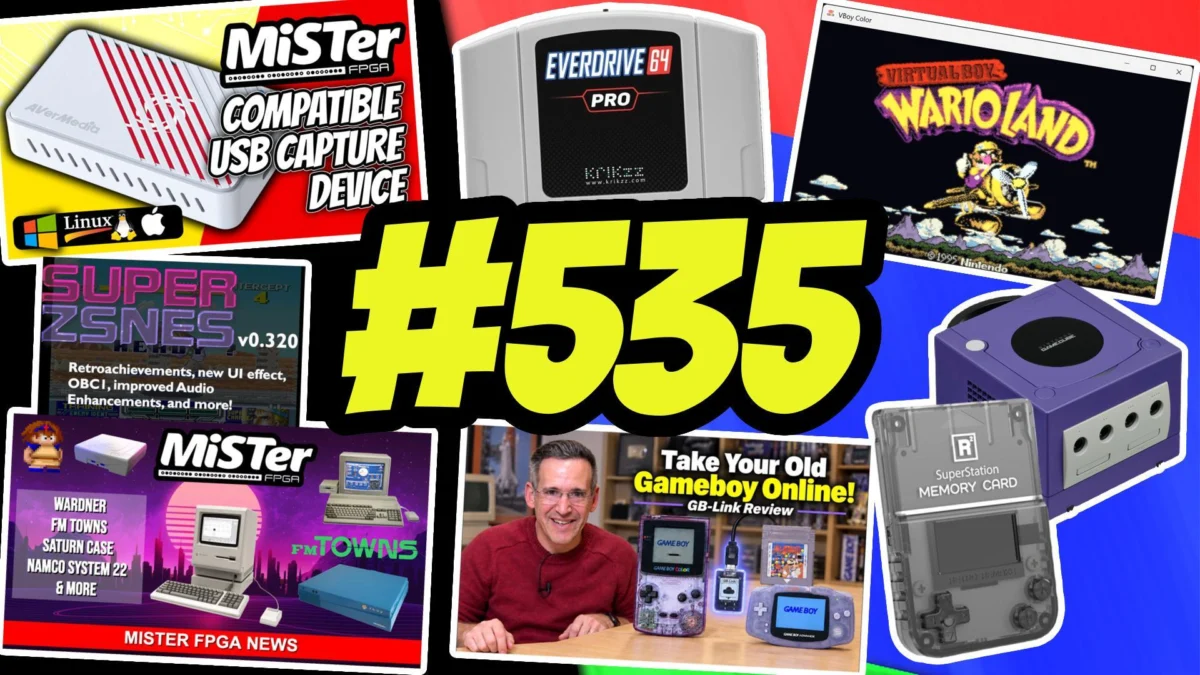
The retro gaming hardware and emulation communities have received another comprehensive update with the release of the RetroRGB Weekly Roundup 535, published on October 14, 2026. This week’s broadcast and podcast aggregation delivers a wide array of technical developments, ranging from innovative hardware peripherals for classic consoles such as the original PlayStation and Nintendo GameCube to major software updates for FPGA platforms and modern emulation suites. As the preservation of vintage digital entertainment continues to evolve through community-driven engineering, episodes like Weekly Roundup 535 serve as a centralized hub for enthusiasts, hardware modders, and software developers tracking the pulse of retro technology.
The complete audio-visual broadcast is accessible across major digital distribution platforms, including YouTube, Apple Podcasts, Google Podcasts, Spotify, and Amazon Music, alongside direct-download RSS feeds for dedicated listeners. Produced consistently by Bob from RetroRGB, the weekly series maintains its status as an indispensable resource for documenting the rapidly shifting landscape of retro computing and console modification.
Hardware Innovations for Classic Consoles
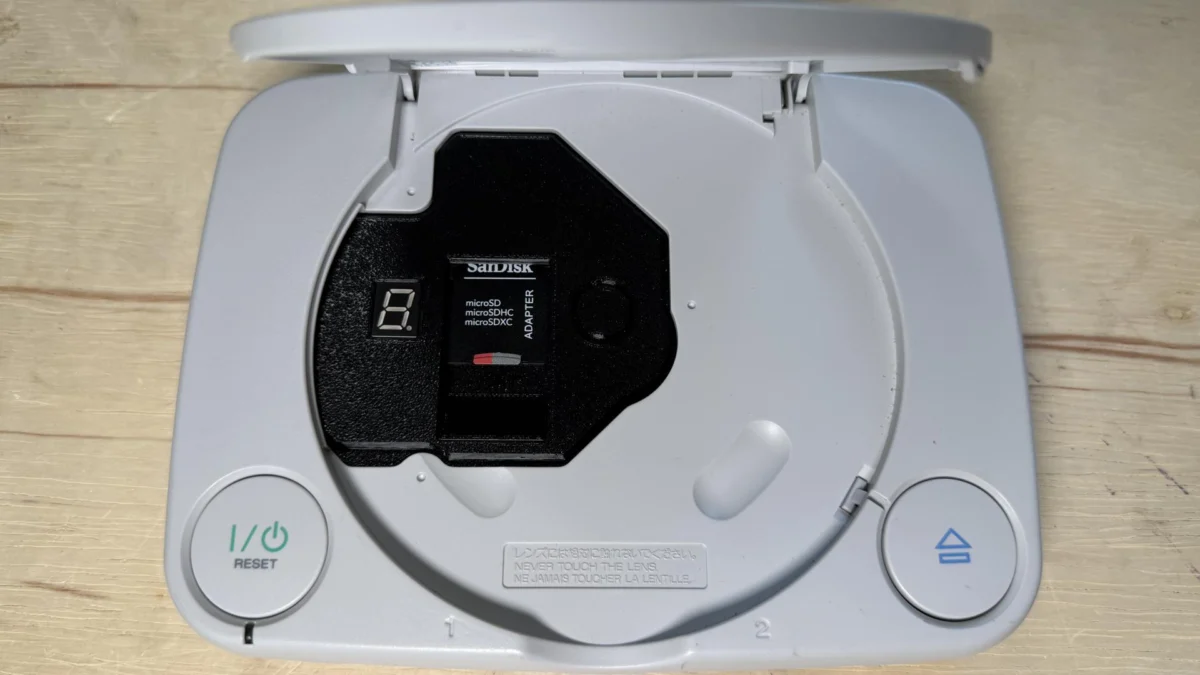
The hardware segment of the October 14 roundup highlights several notable advancements designed to modernize or expand the capabilities of vintage hardware without compromising their core integrity. Leading the hardware announcements is the SuperStation SD2SPX, a PlayStation memory card solution that bridges storage gaps and enhances peripheral functionality for Sony’s pioneering 32-bit console. As original optical media degrades and proprietary memory cards become increasingly scarce or unreliable, modern flash-based storage adapters have become vital for the ongoing usability of retro systems.
In parallel, Nintendo GameCube enthusiasts received a comprehensive blueprint for optimizing their hardware ecosystem. The featured setup details an integrated configuration combining GameCube HDMI output, a dedicated Digital-to-Analog Converter (DAC), and a USB Network Interface Controller (NIC) into a streamlined, single-powered solution. Historically, daisy-chaining multiple video, audio, and networking adapters on the GameCube resulted in cable clutter and power delivery complications. By consolidating these modifications, hardware modifiers have significantly lowered the barrier to entry for achieving pristine digital video and online connectivity on Nintendo’s sixth-generation console.
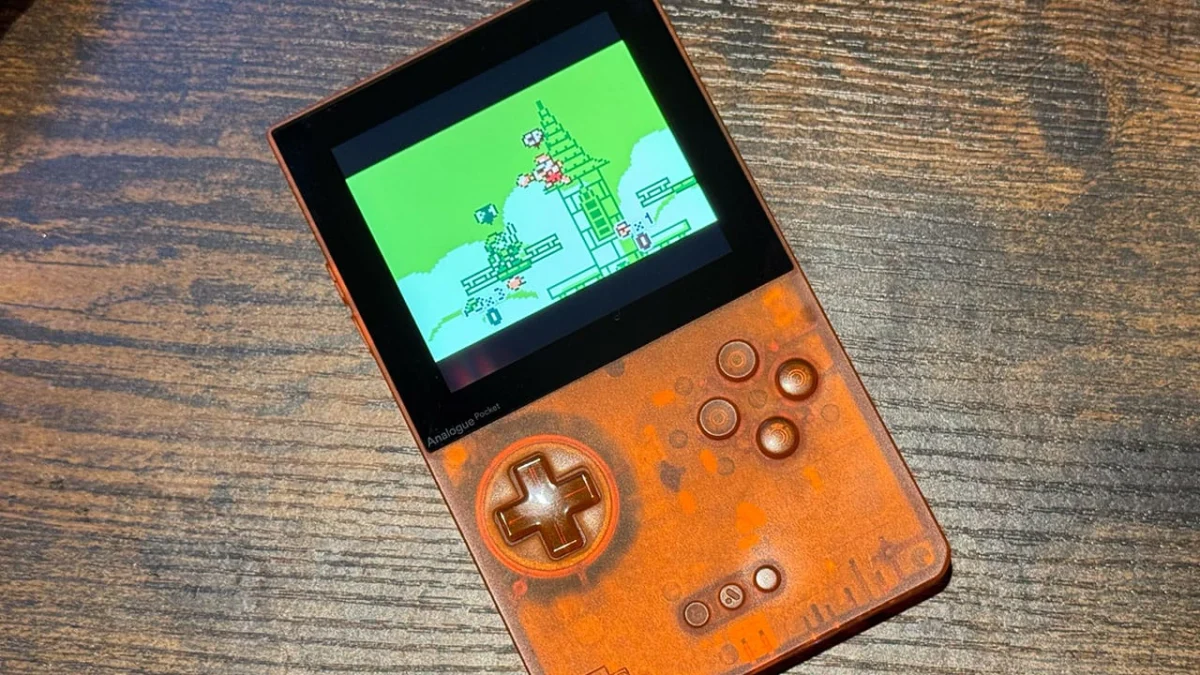
Portable gaming enthusiasts were also addressed with the introduction of the GB-Link v2. This updated revision enhances connectivity between Game Boy hardware and modern computing environments, facilitating easier data transfer, save backup, and homebrew development for Nintendo’s legendary handheld line. Furthermore, utility peripherals such as the USB 3.0 Y-Cable Hub were showcased to assist enthusiasts in managing the complex array of power and data connections often required in modern retro gaming setups and capture stations.
FPGA Developments and MiSTer Updates
Field-Programmable Gate Array (FPGA) technology continues to dominate discussions surrounding hardware-accurate game preservation, and Lu’s MiSTer FPGA updates featured prominently in this week’s broadcast. The MiSTer project, which utilizes hardware chips that can be electrically programmed to replicate the physical circuitry of classic arcade boards and home consoles, received critical enhancements across multiple architectures.
Among the highlights are ongoing refinements for Amiga computer cores, experimental developments regarding 3Dfx Voodoo graphics emulation, progress on Sega X-Board arcade hardware replication, and updates for the Atari Falcon. The inclusion of complex architectures like the Sega X-Board—which powered high-end arcade cabinets in the late 1980s and early 1990s—underscores the rapidly expanding capabilities of modern FPGA boards. Unlike software emulation, which relies on a host CPU to translate code, FPGA implementations offer cycle-accurate performance, near-zero latency, and authentic behavior that satisfies purists and competitive players alike.
Software Emulation and Enhancement Milestones

Software-based emulation and patching utilities also saw significant milestones during the week of October 14, 2026. Retro computing developers continue to push the boundaries of compatibility and visual fidelity on both legacy and modern operating systems.
The release of Super ZSNES v0.320b introduces a crucial Apple TV (ATV) fix, expanding the accessibility of Super Nintendo Entertainment System emulation to Apple’s living room hardware ecosystem. Bringing reliable Super Nintendo performance to streaming boxes allows users to leverage existing hardware layouts for casual and classic gaming experiences.
In a fascinating development for niche display technology, the introduction of the Color Virtual Boy Emulator addresses one of the most historically polarizing systems in Nintendo’s history. Released in 1995, the original Virtual Boy utilized a monochromatic red-and-black display that frequently caused eye strain and limited commercial adoption. By introducing color emulation layers, software developers are offering modern audiences a novel way to experience the library of Virtual Boy titles without the visual fatigue associated with the original hardware.
Additionally, Nintendo 64 enthusiasts received a major software breakthrough with the addition of save state functionality for the EverDrive 64 Pro. Flash carts have long been essential tools for running ROMs on original hardware, but the implementation of save states—a feature standard in software emulators—has historically been challenging due to the architectural limitations of the N64 console. This update bridges the gap between hardware authenticity and modern convenience, allowing players to freeze and resume gameplay at will.
Capture Technology and Content Creation Tools
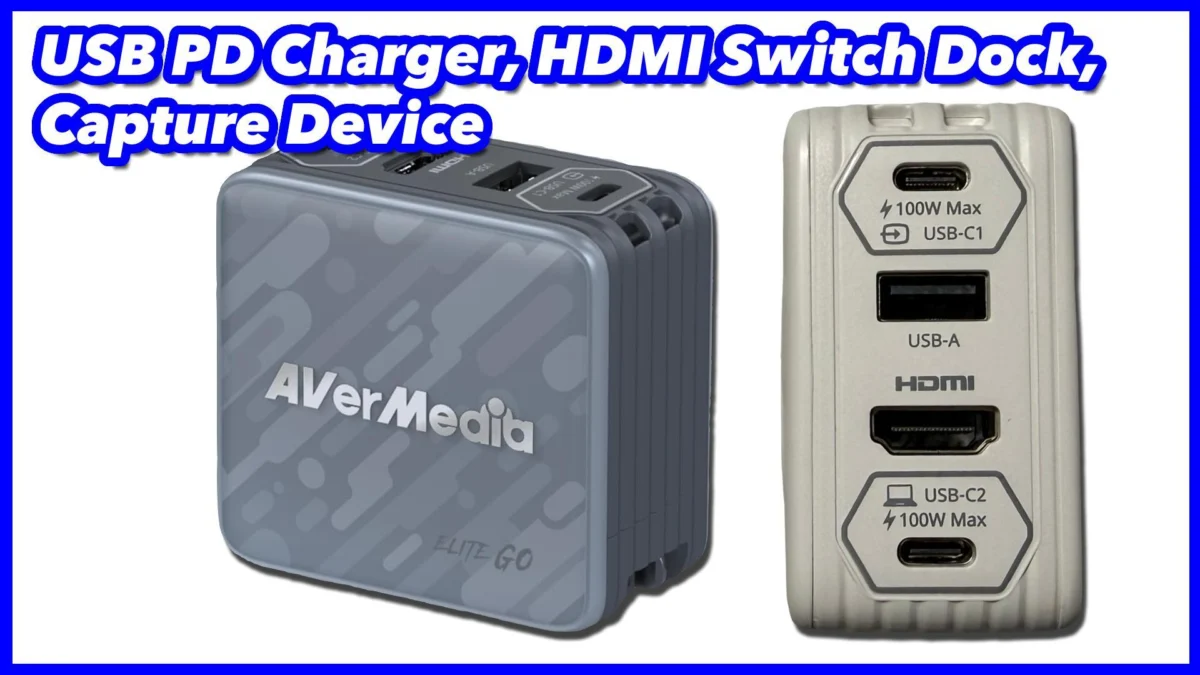
As retro gaming content creation and streaming continue to grow within digital media communities, hardware for capturing high-definition video feeds remains a critical area of investment. The week’s coverage included a detailed review of the Lossless 1080p USB UVC Capture Box, specifically examining the Live Gamer Ultra S.
High-performance capture cards enable creators to broadcast and record pristine footage from retro upscalers and modern consoles alike. The demand for low-latency, uncompressed, or visually lossless capture solutions has escalated as audiences increasingly expect high-definition, 60-frames-per-second documentation of classic game sessions. Reviewing these devices provides creators with actionable data regarding compatibility, thermal performance, and ease of integration into existing streaming workflows.
Ecosystem Impact and Community Support
The breadth of topics covered in RetroRGB Weekly Roundup 535 illustrates the maturation of the retro gaming ecosystem. What began decades ago as a niche hobby of thrift-store hunting and basic console cleaning has transformed into a sophisticated technical discipline involving hardware engineering, FPGA programming, software development, and digital archiving.
Operating largely outside the mainstream commercial gaming industry, the retro community relies heavily on open-source collaboration, independent hardware design, and direct consumer support. Projects like the MiSTer FPGA, flash cartridges, and custom video DACs are typically developed by dedicated engineers who share their schematics and code with the public. To sustain these efforts, content creators and hardware developers frequently depend on community funding models, including monthly subscription platforms like Patreon, direct donations, and affiliate partnerships.
As hardware components age and original manufacturing stock depletes, the innovations highlighted in Weekly Roundup 535 demonstrate the resilience of the retro gaming community. By engineering modern solutions to legacy problems, enthusiasts are ensuring that classic interactive media remains accessible, playable, and faithfully preserved for future generations of players and historians.