Farhan hamdan
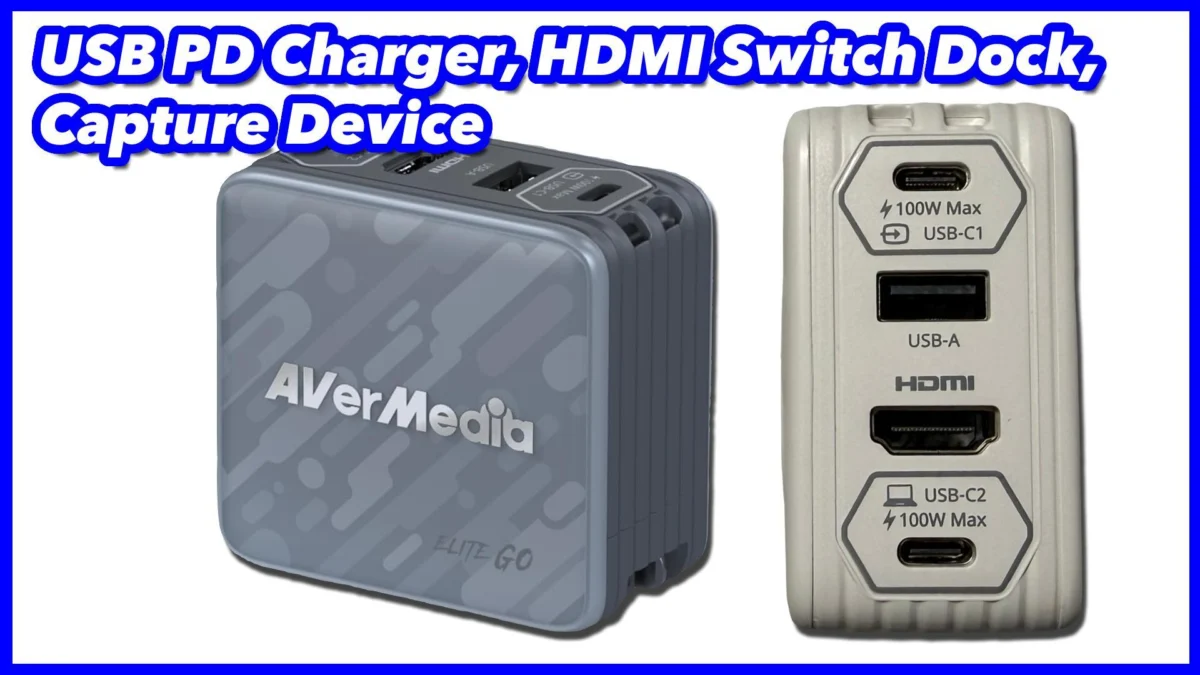
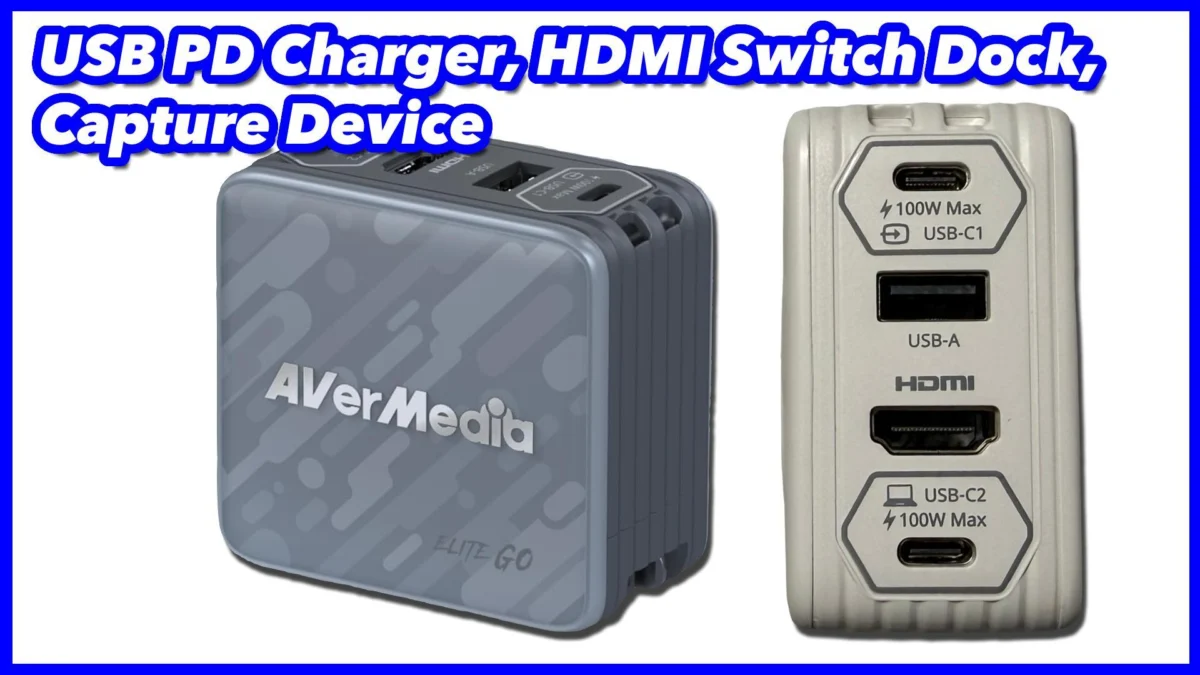
The portable gaming landscape has undergone a dramatic transformation over the past several years, largely driven by the explosive popularity of hybrid consoles like the Nintendo Switch and PC-based handhelds such as the Valve Steam Deck, ASUS ROG Ally, and Lenovo Legion Go. As gamers increasingly demand the flexibility to transition seamlessly from handheld play to a traditional television or desktop monitor setup, the market for compact docking solutions has expanded exponentially. Enter AVerMedia, a prominent name in video capture and streaming hardware, with its latest entries into the accessory ecosystem: the AVerMedia Core Go and the AVerMedia Elite Go.
Designed to serve as both high-output USB Power Delivery (PD) wall chargers and full-featured display docks, these devices aim to eliminate the cable clutter typically associated with mobile gaming setups. By combining power distribution, video output, and peripheral connectivity into a single pocket-sized unit, AVerMedia is targeting frequent travelers, minimalists, and modern gamers looking to streamline their gear. However, with a crowded marketplace already populated by budget-friendly third-party alternatives and high-performance competitors, evaluating the true value proposition of these new peripherals requires a detailed examination of their specifications, pricing tiers, and practical use cases.
Main Technical Specifications and Feature Sets
At their core, both the Core Go and the Elite Go function as multi-port USB-C power adapters capable of charging a wide array of modern electronics, including laptops, tablets, smartphones, and handheld gaming consoles. When connected to a compatible display via their integrated HDMI-out ports, the units transition into functional docks capable of transmitting video resolutions up to 4K at 60Hz. This ensures that users can enjoy high-definition gaming on a living room television or desktop monitor without needing to carry bulky original docking stations.
Furthermore, the devices feature dedicated USB input ports designed to accommodate standard computer peripherals such as wired controllers, keyboards, and mice. This transforms a portable gaming handheld into a functional desktop workstation or a traditional console setup within seconds. AVerMedia bundles each unit with a high-durability USB-C cable, emphasizing build quality and reliability—factors that have historically been points of concern for consumers purchasing inexpensive, unbranded third-party Nintendo Switch docks.
While the Core Go focuses strictly on power delivery, video output, and peripheral interfacing, the Elite Go introduces an additional layer of functionality: a built-in USB video capture card. This allows users to capture or stream gameplay directly from their console or connected device to a PC without requiring external capture hardware. However, this added capability comes at an increased financial cost and introduces specific hardware compromises that warrant closer scrutiny.
Pricing Strategy and Market Positioning
In terms of pricing, AVerMedia has positioned these devices in the mid-to-high tier of the accessory market. The Core Go is priced higher than standard, budget-oriented third-party Switch docks found on major online storefronts, yet remains more affordable than official manufacturer-branded docks. This positions the Core Go as a premium lifestyle accessory rather than a mere replacement part. Consumers are essentially paying a premium for the miniaturized form factor, robust build quality, and the dual-purpose nature of carrying a single brick that handles both wall charging and television output.
Conversely, the Elite Go commands an approximate $40 price premium over the standard Core Go due to the inclusion of its onboard capture card. While the concept of an all-in-one charging, docking, and recording solution sounds appealing on paper, the practical execution presents a distinct market dilemma. The integrated capture card utilizes a lower-tier specification, which may limit its utility for professional content creators or streamers seeking pristine, high-framerate broadcast quality.
Chronology of Portable Dock Evolution
To understand the significance of AVerMedia’s latest hardware release, it is helpful to examine the chronological evolution of portable console accessories. When Nintendo launched the Switch in 2017, it popularized the concept of a hybrid console that transitioned instantly from handheld to television mode via a proprietary plastic dock. However, the original dock was notoriously bulky and difficult to pack into a travel bag.
Shortly after the console’s release, third-party manufacturers began producing miniaturized circuit boards housed in compact plastic shells. Early iterations of these third-party docks occasionally suffered from hardware incompatibilities or power management issues—most notably instances where non-compliant USB-C power delivery protocols bricked early-generation Nintendo Switch consoles. This fostered a lingering caution among consumers regarding aftermarket charging and docking solutions.

By 2022 and 2023, the release of the Steam Deck and subsequent Windows-based handhelds established a standardized protocol for USB-C DisplayPort Alt Mode, making universal docking significantly safer and more reliable. Manufacturers like JSAux, Skull & Co., and others flooded the market with compact hubs supporting higher refresh rates and resolutions, such as 4K at 120Hz. AVerMedia’s entry into this space represents a maturation of the category, where established multimedia brands are leveraging their engineering expertise to build multifunction devices that bridge the gap between power adapters and media hubs.
Comparative Analysis: Core Go Versus Elite Go
A critical evaluation of the two models reveals starkly different target audiences and practical applications. The AVerMedia Core Go excels in scenarios where physical space and weight are at an absolute premium. For frequent business travelers, digital nomads, or commuters who already pack a laptop and a smartphone, the ability to carry a single compact wall charger that doubles as a Nintendo Switch or Steam Deck dock is exceptionally convenient. The elimination of extra cables and dedicated charging bricks justifies the moderate price increase over generic alternatives.
When compared against competitors such as JSAux’s high-end docking stations—some of which boast advanced features like 4K at 120Hz support and additional Ethernet networking ports—the Core Go remains a minimalist option. Industry observers note that while specialized docks may offer superior technical specifications for stationary desktop setups, the Core Go’s primary advantage lies in its dual identity as a high-wattage travel charger.
On the other hand, the Elite Go occupies a much narrower and more contentious niche. The integration of a low-cost, built-in capture card sounds like a space-saving miracle for users operating in restricted environments, such as college dormitories or compact studio apartments. However, a pragmatic cost-benefit analysis reveals structural inefficiencies in this approach. Consumers can often purchase the standard Core Go, pair it with a separate, high-performance HDMI splitter, and acquire a budget-friendly dedicated USB capture card for a lower total expenditure while achieving superior overall functionality and flexibility.
Broader Implications for the Handheld Gaming Ecosystem
The introduction of devices like the AVerMedia Core Go and Elite Go highlights the ongoing convergence of mobile computing, console gaming, and content creation hardware. As handheld PCs and gaming tablets continue to gain mainstream market share, consumers increasingly expect their accessories to be modular, multifunctional, and travel-friendly.
The success of the Core Go suggests a strong consumer appetite for consolidated travel gear that reduces the number of individual items required to maintain a mobile entertainment setup. By ensuring compatibility across multiple hardware platforms—including current and future iterations of the Nintendo Switch, the Steam Deck, and various USB-C video-out enabled mobile devices—AVerMedia has future-proofed its product against generational console upgrades.
However, the mixed reception of the Elite Go’s integrated capture feature serves as a reminder that all-in-one hardware designs often involve engineering compromises. Consumers and technology reviewers generally favor specialized tools for complex tasks like video capture, preferring modular setups that can be upgraded independently over rigid, integrated solutions that may become obsolete faster than the primary charging hardware.
Conclusion
Ultimately, the AVerMedia Core Go stands out as a highly recommended, premium travel accessory for owners of modern handheld gaming consoles who value portability, build quality, and multi-device utility. Its ability to function reliably as both a power delivery charger and a high-definition display dock makes it a worthwhile investment for travelers and minimalists alike.
Conversely, the Elite Go’s specialized capture functionality, while conceptually innovative, appeals to a much more limited demographic due to its pricing structure and the availability of superior modular alternatives. As the portable gaming market continues to evolve, manufacturers will undoubtedly refine these hybrid concepts, striving for the ideal balance between performance, versatility, and cost.