Farhan hamdan
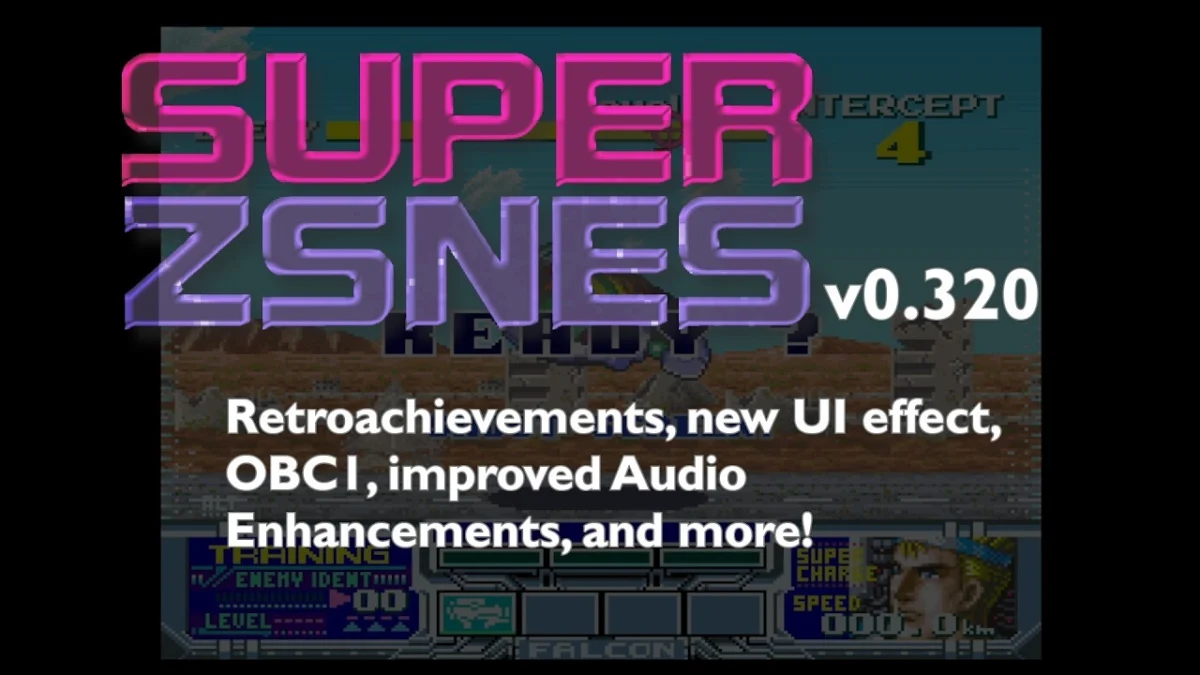
The landscape of software-based video game preservation and emulation has reached another milestone as developer zsKnight officially launched the latest iteration of the Super ZSNES emulator. This comprehensive software release introduces critical architectural fixes for tvOS compatibility, bringing seamless Super Nintendo Entertainment System (SNES) emulation to Apple TV hardware. Alongside platform-specific stability improvements, the update integrates modern emulation staples such as Retroachievements support and targeted audio enhancements designed to resolve long-standing playback discrepancies in select classic software titles.
While PC iterations of the Super ZSNES software remain available to the public as freeware, mobile and living-room device editions—including optimized builds for Apple’s tvOS and iOS ecosystems, as well as Google Play-supported Android devices—are distributed at a nominal price point of three United States dollars. The release underscores a broader, industry-wide trend toward democratizing retro gaming by leveraging hardware that consumers already own, thereby lowering the technical and financial barriers traditionally associated with classic video game exploration.
Comprehensive Chronology and Release Milestones
The trajectory of Super ZSNES reflects the rapid evolution of modern multi-platform emulation software, which must continually adapt to shifting operating system guidelines, hardware application programming interfaces, and community-driven feature requests.
Historically, emulators designed for desktop environments faced significant hurdles when ported to tightly controlled consumer electronics ecosystems like Apple TV. The introduction of official support for tvOS marked a paradigm shift, enabling developers to bypass cumbersome sideloading procedures. However, subsequent operating system updates frequently introduce breaking changes, necessitating continuous maintenance cycles from core development teams.
The latest update directly addresses friction points identified following the previous major software iteration, which first established robust Apple and Android TV architecture. According to release documentation provided by zsKnight, the timeline of development highlights a steady cadence of performance optimization:
- Initial Mobile and TV Porting Phase: The foundation for cross-platform expansion was laid when Super ZSNES extended its reach beyond conventional desktop architectures, bringing SNES emulation natively to Android and tvOS environments.
- Identification of tvOS Compatibility Bottlenecks: Subsequent Apple operating system updates introduced compatibility regressions, impairing standard input handling, rendering pipelines, and overall system stability on Apple TV hardware.
- The Current Update Deployment: The latest software patch completely resolves these lingering tvOS complications, delivering optimized performance, integrated achievement tracking, and refined audio synchronization.
Detailed Feature Set and Technical Additions
The deployment of this update brings several targeted enhancements across multiple hardware tiers. Understanding the technical composition of these additions requires examining both the software features and the inherent challenges of cross-platform emulation development.
tvOS Architecture Overhaul
The primary driver behind the current release cycle is the comprehensive resolution of compatibility issues tied to tvOS. Apple’s living-room operating system enforces strict memory management, graphics rendering pipelines via Metal, and input device restrictions. The update successfully navigates these constraints, ensuring that standard Bluetooth game controllers—including Sony DualSense, Microsoft Xbox Wireless Controllers, and MFi-certified pads—interface with minimal input latency. This optimization is vital for rhythm-based, platforming, and fighting games originating from the 16-bit era, where input precision is paramount.
Integration of Retroachievements
A notable addition to the Super ZSNES ecosystem is the integration of Retroachievements support. This community-driven platform overlays modern, Xbox-style achievement tracking onto legacy software by reading emulator memory addresses in real-time. Players who connect a verified Retroachievements account can now unlock digital accolades, complete community-curated challenges, and view global leaderboards directly within compatible versions of the emulator. This feature transforms traditional, isolated single-player experiences into social, competitive endeavors, aligning retro hardware emulation with contemporary gaming standards.
Audio Subsystem Refinements
Emulating the Ricoh SPC700 sound coprocessor and the Sony digital signal processor of the original SNES hardware has historically proven computationally demanding. The latest Super ZSNES update introduces localized audio enhancements designed to mitigate timing drift, popping artifacts, and channel imbalance issues present in specific game ROMs. These adjustments ensure a more faithful acoustic reproduction of classic soundtracks composed by legendary industry figures such as Nobuo Uematsu, Koji Kondo, and Yoko Shimomura.

Software Pricing and Distribution Model
The distribution strategy employed for Super ZSNES remains bifurcated to maximize accessibility:
- Personal Computer (PC) Platforms: Distributed entirely free of charge across supported desktop operating systems.
- Mobile and Living-Room Consoles (Apple iOS/tvOS, Android): Available through official storefronts (Apple App Store and Google Play Store) for $3.00 USD.
Addressing Antivirus False Positives
As is commonplace within the software emulation community, users downloading the desktop builds of Super ZSNES may occasionally encounter false positive security alerts from third-party antivirus utilities or Windows Defender. Industry analysts and cybersecurity researchers note that emulation software frequently utilizes low-level memory allocation, dynamic recompilation, and binary translation techniques. These programming methods closely mirror heuristics used by security scanners to detect generic trojans or unauthorized memory injection routines.
Developers and security experts emphasize that downloading binaries exclusively from official, verified distribution channels—such as the official Super ZSNES web portal or authorized developer repositories—mitigates security risks, ensuring that end-users receive untampered, legitimate software packages.
Industry Context and the Democratization of Retro Gaming
The release of refined emulation software for ubiquitous consumer hardware highlights a significant cultural shift in how digital heritage is accessed, preserved, and consumed. For decades, experiencing authentic 16-bit console libraries required either maintaining aging physical hardware—which suffers from degrading capacitors, failing optical or cartridge drives, and incompatible video output connectors on modern high-definition displays—or investing in specialized FPGA-based hardware solutions.
Streaming media devices, such as the Apple TV, Google TV, and Amazon Fire TV stick, occupy a unique position in the modern consumer electronics landscape. Because millions of households already possess these devices for video streaming, utilizing them as lightweight emulation hubs eliminates the financial overhead traditionally associated with setting up dedicated retro gaming PCs or purchasing expensive enthusiast-grade upscalers.
Technology analysts observe that lowering the barrier to entry through nominal software investments ($3.00 USD) and zero-hardware-footprint setups acts as a crucial gateway for younger demographics or casual enthusiasts. By removing technical friction—such as complex command-line configurations or expensive hardware acquisitions—software suites like Super ZSNES encourage broader public engagement with video game history.
Broader Economic and Preservation Implications
From a preservationist standpoint, accessible multi-platform emulators play a vital role in keeping classic software titles in the public consciousness. While official re-releases, virtual console subscriptions, and digital storefronts managed by corporate entities offer legal access to curated selections of legacy games, licensing bottlenecks and corporate restructuring often leave vast libraries of classic software stranded in commercial limbo.
Independent emulators serve as an adaptable, community-driven safety net against digital obsolescence. By ensuring that software runs fluidly across diverse architectures—ranging from high-end desktop computers to constrained mobile operating systems and streaming set-top boxes—developers like zsKnight contribute to the ongoing viability of interactive media history.
Furthermore, the inclusion of modern engagement metrics, such as cloud saves and achievement tracking, bridges the generation gap between retro enthusiasts and modern gamers accustomed to gamified progression loops. As living-room hardware continues to grow in processing capability, optimized software solutions will likely remain at the forefront of digital preservation efforts, ensuring that foundational 16-bit software remains playable, shareable, and relevant for future generations of players.