Farhan hamdan
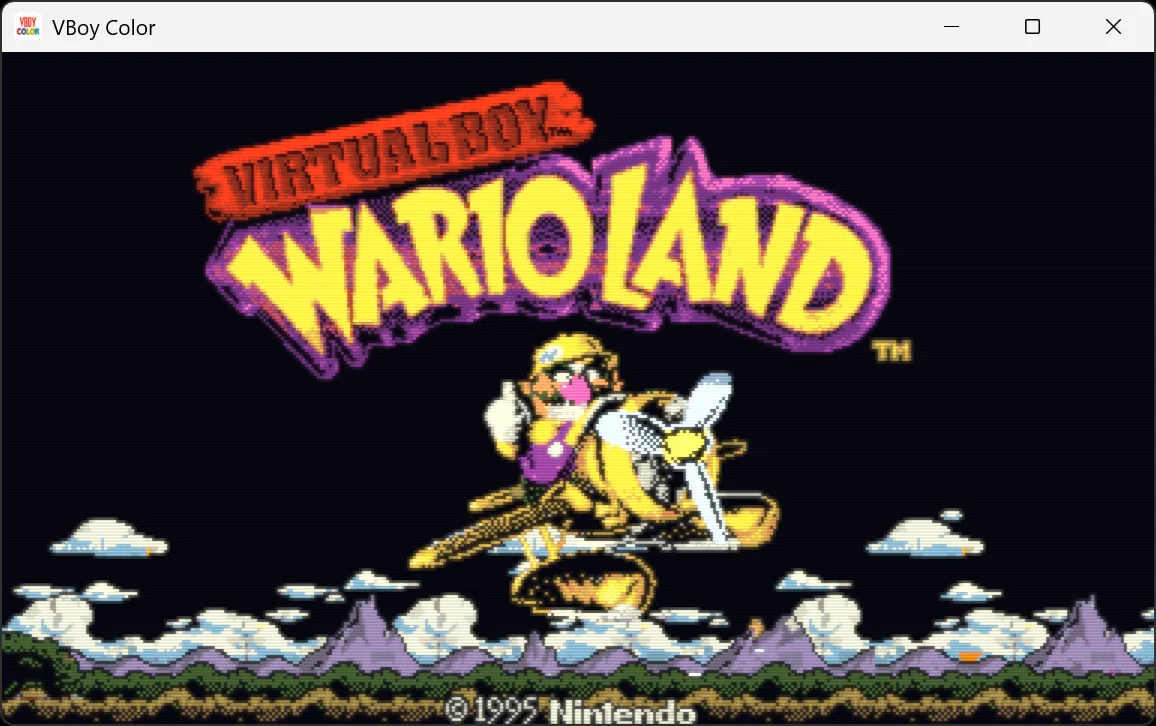
The landscape of video game preservation and emulation has expanded significantly with the official release of VBoy Color, a free, open-source software emulator designed to revitalize Nintendo’s ill-fated 1995 console, the Virtual Boy. Developed to bridge the gap between historical hardware limitations and modern display technologies, VBoy Color introduces critical enhancements—most notably true stereoscopic 3D rendering for virtual reality headsets alongside a novel color injection feature that reimagines the console’s infamous monochrome red-and-black aesthetic.
Available now via its official GitHub repository, the emulator offers cross-platform compatibility spanning Windows, Linux, macOS, and Android. However, its standout capability is native integration with modern VR hardware, specifically Meta Quest headsets including the Quest 2, Quest 3, and Quest Pro. By leveraging the dual-screen optics of these standalone headsets, VBoy Color delivers an immersive depth perception that closely mirrors the original intent of the 1990s stereoscopic tabletop device, while bypassing the eye strain and hardware scarcity that have long plagued original Virtual Boy units.
Background Context and Historical Significance
Released in Japan in July 1995 and in North America in August of the same year, the Nintendo Virtual Boy is widely recognized as one of the most commercially unsuccessful hardware launches in the company’s history. Conceived by visionary game designer Gunpei Yokoi—the mastermind behind the Game Boy and Game & Watch series—the console was marketed as the first portable system capable of displaying true 3D graphics.
Utilizing a pair of linear array mirrors oscillating at high speeds to project red LED images into the user’s eyes, the hardware created an illusion of depth known as parallax. However, the system suffered from severe commercial headwinds. The monochrome red display caused rapid user fatigue and headaches, the high price point alienated consumers, the lack of true portability hindered its appeal as a handheld device, and a sparse software library numbering only 22 official titles sealed its fate. Nintendo discontinued the platform less than a year after its western debut.
In the decades following its demise, the Virtual Boy evolved into a coveted collector’s item. Original hardware has grown increasingly rare and expensive, and aging internal components—particularly the ribbon cables connecting the dual LED displays—frequently fail, resulting in dead lines of pixels. Consequently, software emulation and FPGA (Field Programmable Gate Array) development have become the primary methods for contemporary enthusiasts to experience and preserve the console’s library, which includes cult classics like Wario Land, Red Alarm, and Teleroboxer.

Evolution of Virtual Boy Emulation and Display Technology
For years, Virtual Boy emulation has existed in various forms, primarily through software emulators like RedDragon and Mednafen, as well as modern hardware solutions such as the MiSTer FPGA project. While these platforms successfully rendered the games, they traditionally forced users to compromise on display methods. Standard monitors and television screens could only display the games in flat 2D, or via rudimentary anaglyph 3D utilizing red-and-cyan glasses, which severely degraded color accuracy and visual clarity.
The advent of affordable, high-resolution virtual reality headsets fundamentally changed the equation. Because VR headsets feature independent left- and right-eye displays, they are structurally ideally suited for the binocular parallax required by Virtual Boy software. Previous community-driven projects demonstrated the viability of VR-based emulation, but VBoy Color streamlines this process while introducing advanced post-processing features that challenge traditional preservation purism in favor of enhanced playability.
Key Features of the VBoy Color Release
VBoy Color distinguishes itself from previous emulation iterations through several distinct technical implementations:
- True Stereoscopic 3D in VR: By utilizing OpenXR and native Quest application support, the emulator projects the game world into a dedicated virtual stereoscopic space, restoring the depth intended by Yokoi’s original hardware design without requiring physical hardware modifications.
- Color Addition and Palette Customization: Breaking away from the iconic monochromatic red aesthetic, VBoy Color introduces algorithmic colorization options. This software-driven approach mirrors similar features found on high-end FPGA platforms like the MiSTer core, allowing players to experience games with vibrant palettes that reduce visual fatigue.
- Cross-Platform Flexibility: Beyond Meta Quest hardware, the emulator supports traditional desktop operating systems (Windows, Linux, macOS) and mobile Android devices, offering both 2D display modes and alternative 3D stereoscopic configurations for compatible monitors.
- Extensive Configuration Suite: The open-source repository features a comprehensive array of customizable parameters, including scaling options, controller mapping, filter adjustments, and performance tweaks tailored to various host devices.
Comparative Analysis: VBoy Color Versus FPGA Solutions
The release of VBoy Color invites direct comparison with existing emulation standards, most notably the MiSTer FPGA Virtual Boy core. The MiSTer platform has long provided enthusiasts with hardware-accurate, cycle-level recreation of the console’s NEC V810 processor and custom display hardware.

Users of the MiSTer platform have historically accessed color enhancement settings via the “Color ModeMulticolor” configuration or by loading custom Game Boy color palettes through the core’s menu system. Furthermore, the MiSTer core supports 3D output on compatible modern displays. However, these setups frequently rely on alternative 3D formats or anaglyph filtering, which cannot match the immersion and optical comfort provided by dedicated VR headset lenses.
Industry analysts and emulation developers note that software emulation offers distinct advantages over hardware-accurate FPGA implementations when it comes to quality-of-life modifications. While FPGA prioritizes exact hardware replication—flaws and limitations included—software emulators like VBoy Color can introduce modern post-processing pipelines that make historical software more accessible and comfortable for contemporary audiences. The ability to inject color and render graphics inside a high-refresh-rate VR headset represents a significant qualitative leap over traditional desktop emulation windows.
Broader Impact and Implications for Retro Gaming
The launch of VBoy Color underscores a broader philosophical shift within the retro gaming community, where the boundaries between hardware preservation, experiential recreation, and modern accessibility continue to blur. Rather than treating historical hardware limitations as sacred constraints, modern developers are increasingly willing to leverage contemporary technologies—such as standalone VR headsets and real-time shader pipelines—to make obscure or punishingly inaccessible libraries playable for a new generation.
For the Virtual Boy, a system historically dismissed as a commercial failure and a physical discomfort, software solutions like VBoy Color offer a form of redemption. By removing the physical barriers of hardware degradation, eye strain, and optical monotony, the emulator allows the underlying game design of titles like Jack Bros. and Mario’s Tennis to be evaluated on their mechanical merits rather than their historical hurdles.
As open-source contributors continue to refine the codebase and community members share performance configurations across platforms like GitHub, VBoy Color is positioned to become a standard toolset for enthusiasts exploring Nintendo’s 32-bit monochrome experiment. Whether utilized on a high-end gaming PC, an Android mobile device, or strapped directly to the face via a Meta Quest headset, the project demonstrates the enduring viability of software emulation as both an archival necessity and an enhancement medium.