Vera Clarissa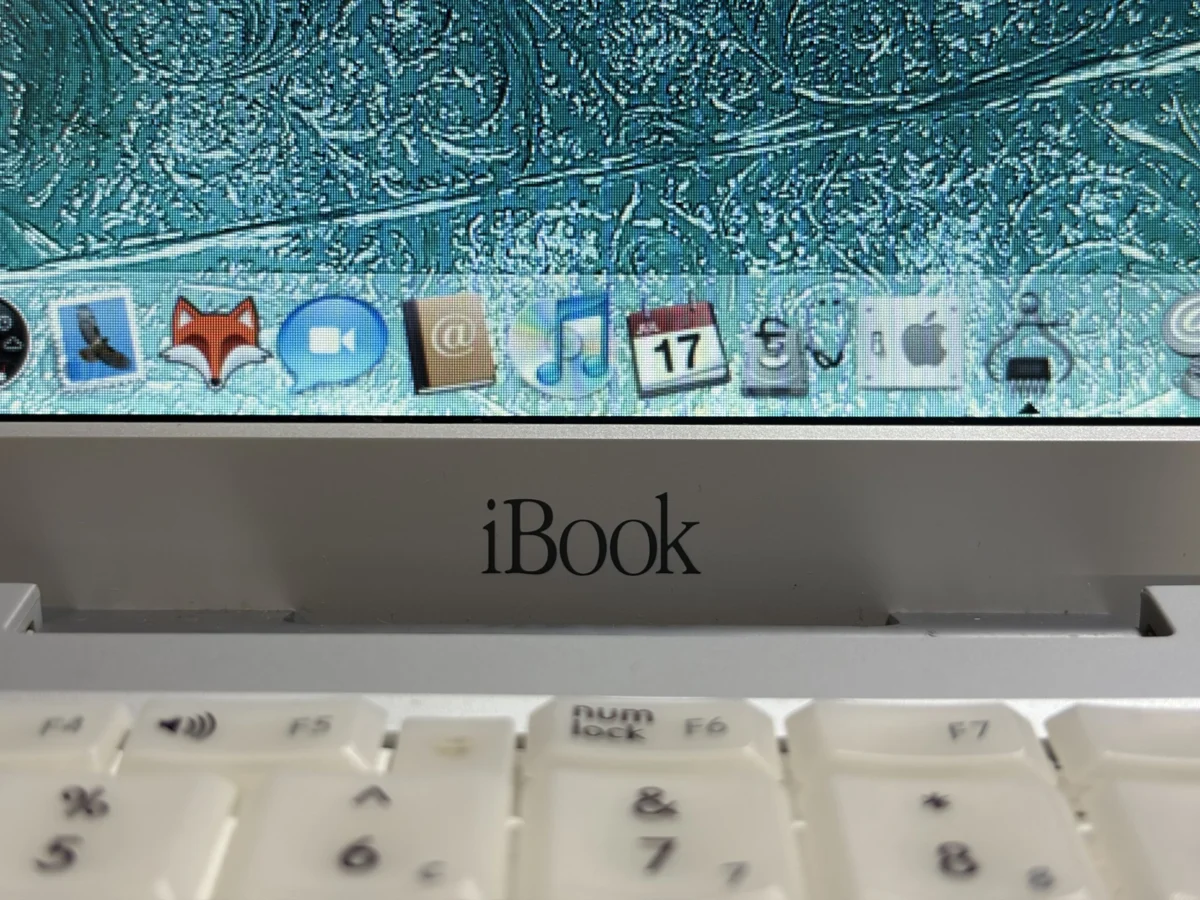
The resurgence of interest in legacy computing hardware reached a milestone at the recent Vintage Computer Festival (VCF) Midwest, where a $10 iBook G3—a staple of the early 2000s mobile computing era—was salvaged and restored to operational status. This project, originating from the Michigan Vintage Finds exhibition booth (B620), serves as a case study in the ongoing viability of PowerPC-based systems for modern-day hobbyist workflows, including software restoration, disk imaging, and legacy media playback. The device, now designated as a dedicated Mac OS X Tiger environment, highlights the intersection of historical hardware preservation and practical utility in the contemporary era.

Chronology of the Restoration Project
The procurement of the unit at VCF Midwest marked the beginning of a multi-phase restoration effort. Upon initial inspection, the iBook G3 was found to be in a non-functional state, requiring immediate intervention to address hardware bottlenecks. The restoration process began with a comprehensive assessment of the system’s primary components.

The original 10 GB hard drive, insufficient for modern restoration needs, was replaced with a 60 GB IDE mechanical drive as a temporary bridge. The long-term objective involves the integration of a 128 GB mSATA SSD, a process currently delayed by compatibility issues with existing IDE-to-mSATA bridge adapters. During the hardware overhaul, the system’s memory was upgraded. Although the unit arrived with a 128 MB RAM module, it was supplemented to reach a functional threshold for Mac OS X 10.4 Tiger, which typically requires a minimum of 256 MB for a stable experience. The logic board, which features 64 MB of soldered-in system memory, allows for a maximum configuration of 576 MB of RAM, providing sufficient overhead for the operating system and basic diagnostic tasks.

Hardware Architecture and Technical Analysis
The iBook G3 utilizes the PowerPC 750CXe processor, a significant iteration in the PowerPC G3 lineage. This chip includes 512 KB of on-die Level 2 cache, a feature that provided a substantial performance increase over its predecessors. This architecture is particularly well-suited for tasks involving Target Disk Mode, a legacy protocol that allows the iBook to function as an external drive for other compatible Macintosh systems. By connecting the iBook via FireWire to a 400 MHz iMac G3, technicians can perform complex disk management tasks, such as the implementation of SpeedTools Hi-Cap drivers to support high-capacity storage volumes like 500 GB Maxtor drives—volumes that would otherwise be inaccessible to the native firmware of the era.

Thermal management in the iBook G3 relies on passive cooling via thermal pads rather than active compound, which has proven resilient over the device’s two-decade lifespan. However, the display assembly exhibits signs of aging, specifically regarding the backlight inverter. Occasional backlight failures require a full system power cycle to rectify, suggesting that a future LED-conversion project—replacing the CCFL tube with modern, low-power light-emitting diodes—may be necessary to ensure long-term display reliability.

The Role of Legacy Hardware in Modern Restoration
The broader implications of this restoration project extend beyond mere nostalgia. In the context of computer preservation, machines like the iBook G3 function as "Swiss Army Knives" for software restoration. Because modern operating systems have largely abandoned support for legacy file systems, HFS+ formatting, and older disk imaging protocols, the use of a native machine is often the most efficient way to prepare boot media or recover data from period-accurate drives.

The iBook’s utility is further enhanced by its modular optical drive bay. While the current combo drive allows for basic CD and DVD reading, plans are underway to install a Dual Layer SuperDrive. This modification would expand the system’s capability to create bootable recovery media, an essential requirement for maintaining the functionality of other G3 and G4 era machines that require specific versions of Mac OS X for hardware initialization.

Audio Integration and Cultural Context
Beyond technical restoration, the project explores the integration of the iBook into contemporary personal workflows, specifically as a dedicated digital jukebox. The iBook G3 possesses a unique 3.5mm audio/video output jack that requires specific impedance matching when used with modern high-impedance headphones. Technical observations indicate that a standard connection to modern peripherals, such as the Beats Studio 3 headset, results in signal interference. However, a slight physical offset of the connector restores audio clarity, demonstrating how legacy hardware can be adapted to interface with contemporary audio equipment.

The project also underscores the role of legacy systems in the consumption of physical media. With a library of compact discs, the iBook serves as a primary playback device for high-fidelity audio formats. The use of QuickTime and legacy versions of iTunes facilitates the playback of music collections that may not be fully integrated into modern streaming-first ecosystems. This practice reflects a broader cultural trend among collectors who prefer to maintain "offline" digital archives, bypassing the limitations of current cloud-based licensing models.

Implications for the Vintage Computing Community
The VCF Midwest project serves as a clear indicator of the robust health of the vintage computing hobby. Experts in the field often point to the "PowerPC era" as the final bridge between the classic Macintosh environment and the modern Unix-based architecture of macOS. As hardware components reach the end of their operational life, the community has turned toward open-source documentation and custom engineering to keep these devices active.

Market data suggests that while the cost of acquiring original units remains relatively low, the investment of time and specialized knowledge required for restoration is increasing. Events such as the Vintage Computer Festival act as hubs for the dissemination of this technical knowledge. Statements from participants at such events frequently emphasize the educational value of these projects; by disassembling and reassembling the iBook, hobbyists gain a deeper understanding of board-level architecture, thermal dynamics, and the evolution of system bus speeds.

Future Development and Sustainability
As this specific iBook moves toward its final state—featuring an SSD, an upgraded SuperDrive, and a stable OS X Tiger installation—it represents a sustainable model for the preservation of electronic equipment. By opting to repair and upgrade rather than discard, users are mitigating the environmental impact of electronic waste while simultaneously safeguarding the history of computing.

The challenges encountered, such as the failure of the mSATA adapter and the backlight instability, provide valuable data points for other enthusiasts facing similar hurdles. The documentation of these issues—shared via forums and community newsletters—creates a collective knowledge base that simplifies the restoration of future units. As technology continues to accelerate, the existence of a reliable, 25-year-old portable workstation that remains capable of performing complex diagnostic and administrative functions stands as a testament to the build quality of early 2000s engineering and the enduring dedication of the computing preservation community.

In conclusion, the successful operational return of the iBook G3 is not merely an exercise in nostalgia. It is a functional, evidence-based demonstration of how vintage hardware, when properly maintained and upgraded, continues to serve as a critical tool for the maintenance of our digital heritage. The project confirms that with sufficient technical persistence, the lifecycle of even the most aged consumer electronics can be extended well beyond their intended design specifications.