 Chalid Lutfie
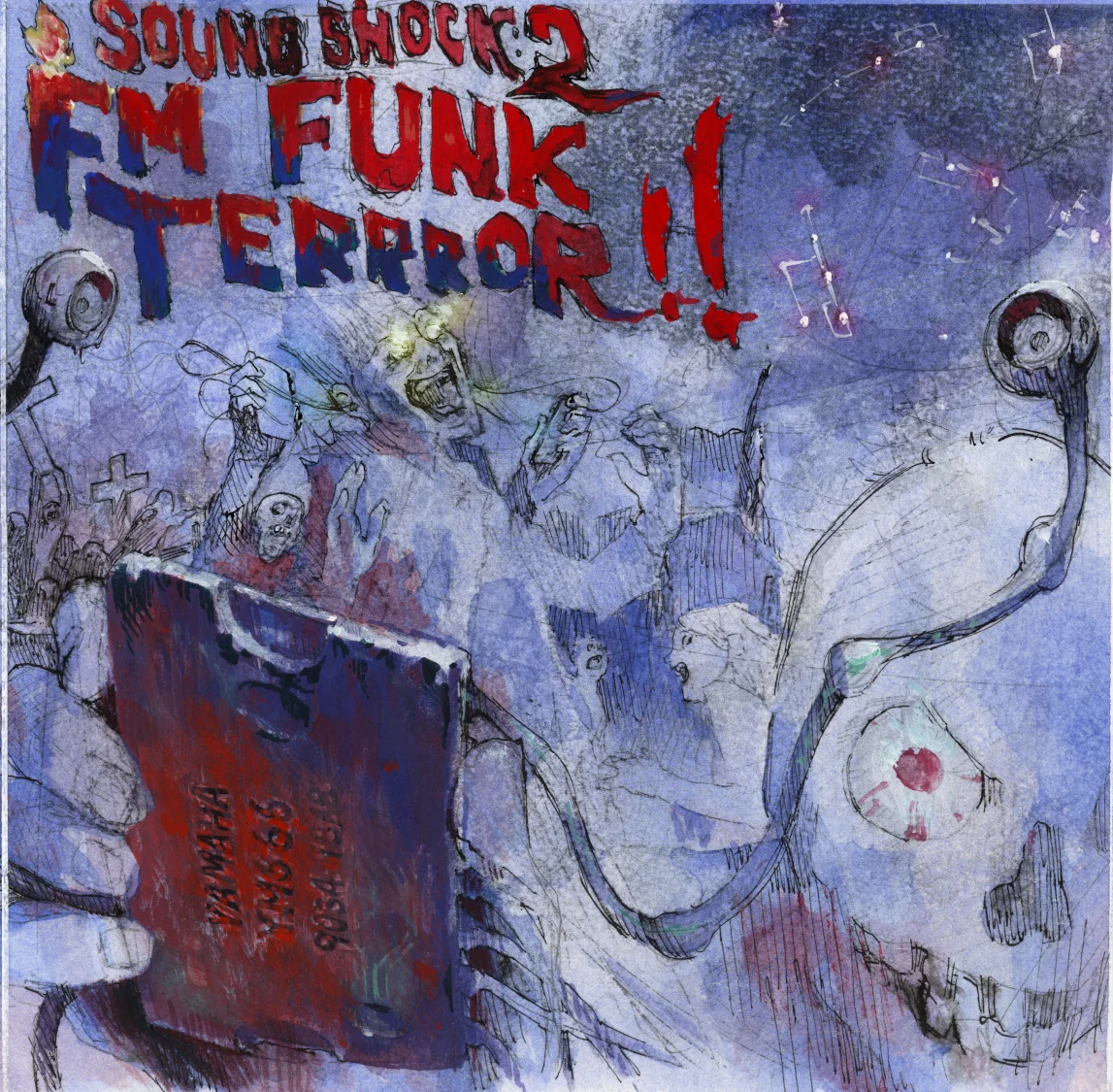
The origins of the SOUNDSHOCK compilation series represent a pivotal moment in the history of modern chip music, marking the transition of Frequency Modulation (FM) synthesis from a forgotten technical relic into a vibrant, collaborative art form. Launched in 2010 through a partnership between the artist known as zinger and the record label Ubiktune, the series has served as a digital archive and a creative catalyst for musicians who specialize in the unique, crystalline timbre of classic sound chips found in 1980s and 90s arcade hardware and home consoles. While the commercial era of FM synthesis—typified by the Yamaha YM2612 chip found in the Sega Genesis—waned by the mid-1990s, the SOUNDSHOCK project revitalized these sonic textures, proving that the technical limitations of legacy hardware remain a fertile ground for contemporary composition.
The Genesis of a Digital Community
The foundations of the project were laid long before the first album release, rooted in the establishment of the SOUNDSHOCK forums in 2007. At the time, the internet was a fragmented space for enthusiasts of niche audio technologies. The forum provided a rare centralized hub for programmers, composers, and hardware enthusiasts to exchange technical specifications, share proprietary patches, and discuss the nuances of FM programming.
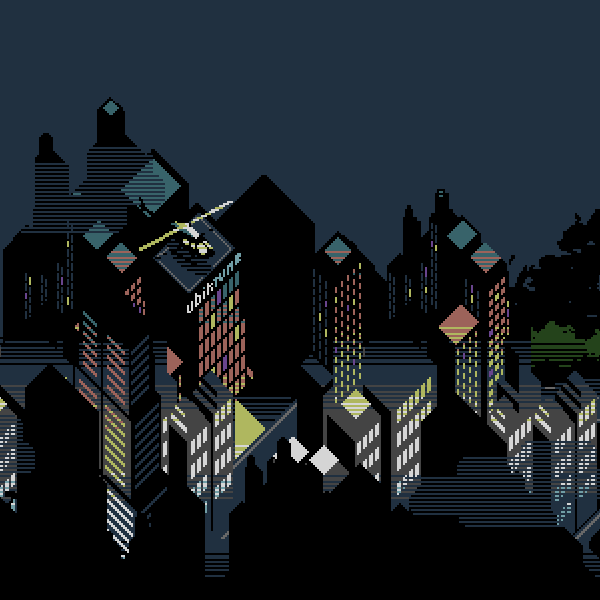
For many contributors, this forum was the first point of contact with a global network of like-minded individuals. As zinger notes, the community bridged a significant geographical and cultural gap, connecting artists from Japan—a country with a profound history of arcade culture and proprietary FM-based home computing—with a growing contingent of Western demoscene participants. By facilitating this cross-pollination, the SOUNDSHOCK project helped harmonize the disparate methodologies of the East and West. The result was not merely a series of albums, but a cross-cultural dialogue that allowed artists such as Ryu Takami, hex125, and hally to share a common language defined by game music heritage and technical curiosity.
A Chronology of Technical Evolution
The history of the SOUNDSHOCK series can be segmented into distinct phases of technical discovery and community growth:
- 2007: The inception of the SOUNDSHOCK forum. This period focused on the technical demystification of FM synthesis, with members reverse-engineering sound cards and sharing MML (Music Macro Language) sequences.
- 2010: The official launch of the SOUNDSHOCK album project. Ubiktune and zinger formalized the collaboration, shifting the community’s focus from discussion to collective composition.
- 2011–2016: The expansion of the series. The project evolved from a singular compilation into an ongoing series, incorporating a wider array of hardware emulation and software-based FM synthesis.
- 2017: A reflective period marking the legacy of the project, as seen in retrospective interviews with core participants, highlighting the lasting impact of the community on the broader chip music landscape.
Perspectives from the Field: The Artist’s Approach
The creative methodology of SOUNDSHOCK participants is characterized by a "trial-and-error" approach that relies heavily on the constraints of tracker-based music software. Artists like boomlinde, a long-time member of the community, describe a process where the instrument’s technical limitations dictate the musical output. By programming intricate patches—such as electric bass emulations or complex horn stabs—the composer allows the unique sonic behavior of the FM chip to inform the harmonic structure of the piece.

This sentiment is echoed by Extent of the Jam, who transitioned from standard sample-based chiptunes to FM synthesis after being introduced to RADTracker. The consensus among these artists is that the SOUNDSHOCK environment provided a "blessing" for those working within a marginal hobby. The forum served as an essential support system, where the technical barrier to entry was lowered through the shared pursuit of knowledge, allowing newcomers to learn from established experts and legends of the scene.
The Human Element: Talent and Synergy
A compelling aspect of the project’s growth was the organic way in which new talent was identified and integrated. The anecdote involving Simon Stålenhag and his colleague Mattis (known as Bomb Boy) serves as an illustrative case study of this process. In 2011, Stålenhag discovered that his office colleague possessed a wealth of high-quality, unreleased chiptune compositions. Recognizing the technical brilliance and creative potential of the work, Stålenhag connected Mattis with zinger, leading to a contribution that would define the standards of future FM-centric compilations.
This story highlights a broader phenomenon within the scene: the existence of "musical mutants"—individuals with high-level technical aptitude who operate outside traditional industry channels. The SOUNDSHOCK project functioned as an incubator for this talent, providing a platform where these individuals could transition from solitary hobbyists to recognized figures within a global, albeit niche, musical ecosystem.

Broader Implications for Digital Audio Preservation
The impact of the SOUNDSHOCK series extends beyond its musical output. By consistently utilizing and celebrating FM synthesis, the project has played an inadvertent role in the digital preservation of audio history. The act of programming for legacy chips or modern software emulations serves to maintain an interest in the technical architecture of 20th-century computing.
Furthermore, the integration of Japanese game music aesthetics with Western demoscene practices has created a unique hybrid genre. This synthesis of influences—ranging from the high-energy melodies of 16-bit arcade classics to the more cerebral, structural complexity of European demo music—has pushed the boundaries of what is possible with limited voices and oscillators.
As of 2017, the legacy of the SOUNDSHOCK project remains a testament to the power of digital community-building. By providing a structure for collaboration, technical peer review, and creative encouragement, the project has ensured that the "FM Funk" era did not disappear with the sunset of the hardware that birthed it. Instead, it has been successfully integrated into the modern electronic music landscape, proving that creative obsession, when cultivated within a supportive environment, can sustain an artistic movement for over a decade. The ongoing efforts of these artists to refine their techniques and expand their reach suggest that the influence of FM synthesis on contemporary music will continue to grow, bridging the gap between the nostalgic past and the technologically innovative future.