 Chalid Lutfie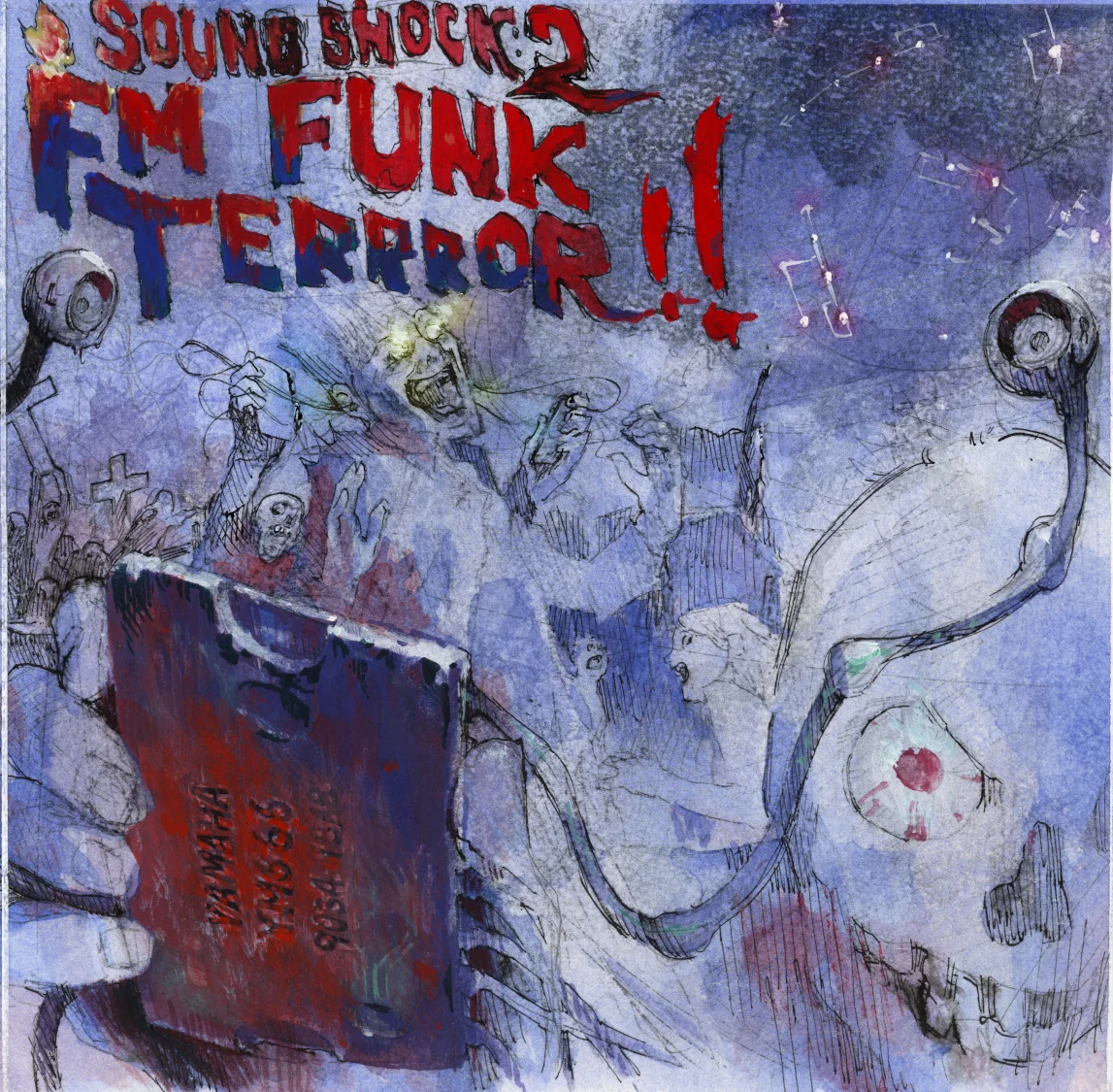
On April 15, 2017, the conclusion of the SOUNDSHOCK series marked a significant milestone for enthusiasts of FM synthesis and independent music curation. The project, spearheaded by the curator known as zinger, gained widespread recognition not only for its commitment to the nostalgic and powerful textures of Frequency Modulation (FM) sound chips but also for its distinctive visual identity. Central to this aesthetic was the contribution of manga artist and professional illustrator Tsuyoshi Shimokura, whose hand-painted album covers provided a narrative depth that elevated the series from a simple music compilation to a comprehensive multimedia experience.
The collaboration began following a referral from fellow musician hex125, which led to Shimokura’s involvement in the inaugural installment, FM FUNK MADDNESS!!. What started as a musical contribution quickly evolved into an artistic partnership, as zinger identified a synergy between Shimokura’s technical musical expertise—specifically his affinity for legacy computing and sound synthesis—and his background in professional illustration. This partnership spanned three distinct album releases, each characterized by its own thematic imagery and intricate world-building.
A Chronology of Artistic Evolution
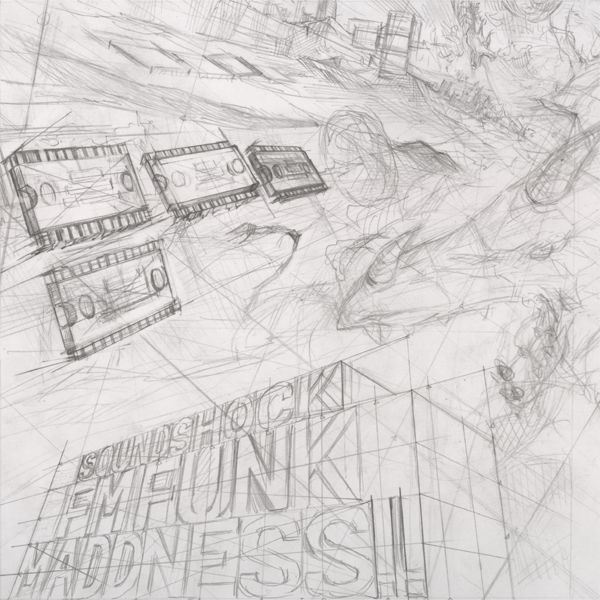
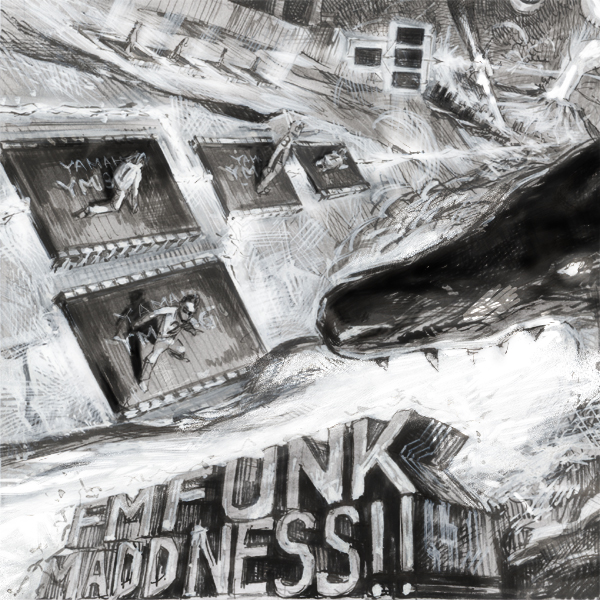
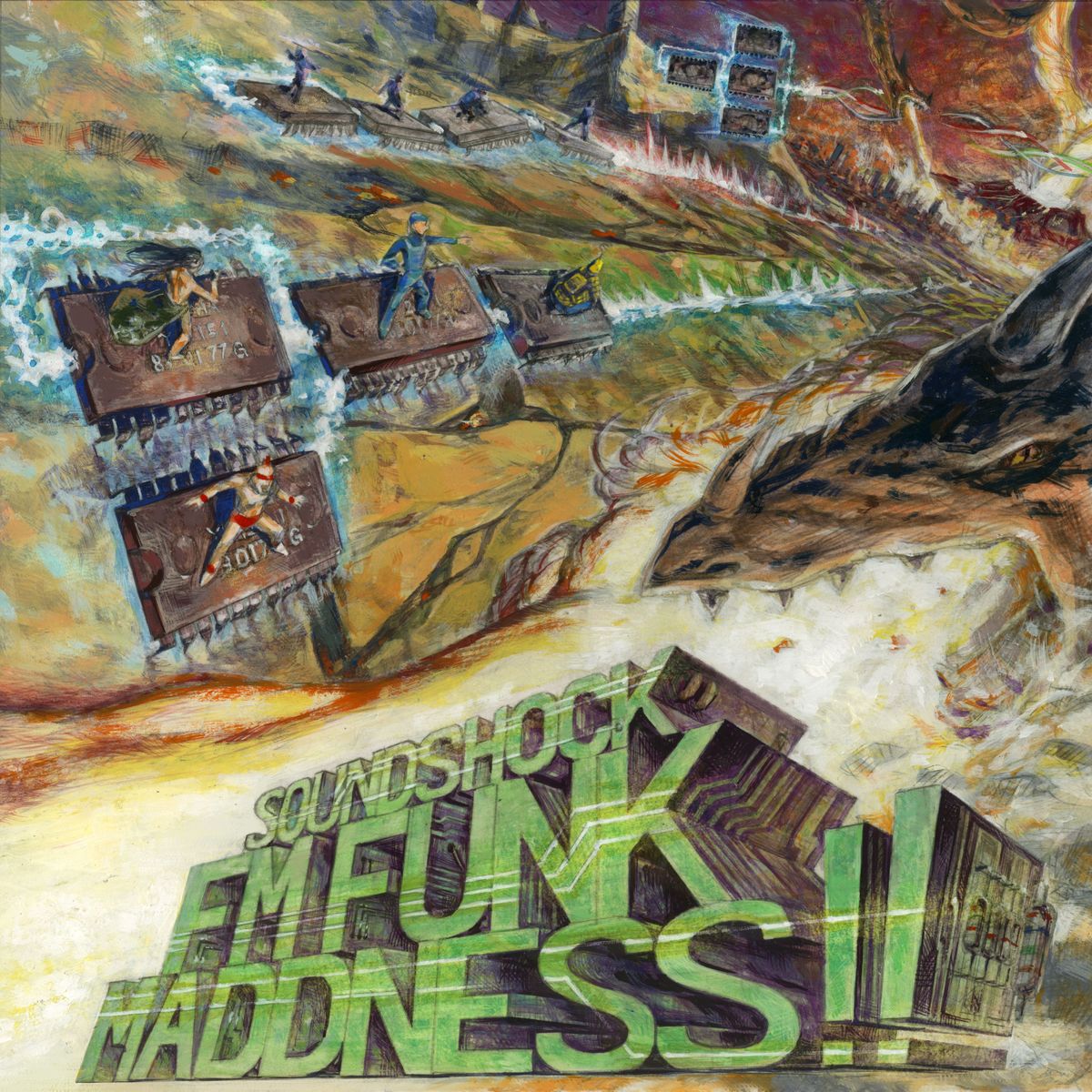
The development of the SOUNDSHOCK visual identity followed a deliberate progression. The first installment, FM FUNK MADDNESS!!, established the series’ core aesthetic: a blend of high-energy, retro-futuristic heroism. Shimokura’s process for this entry was highly collaborative, involving the exchange of concept art, rough sketches, and narrative vignettes. The resulting artwork depicted a group of musicians utilizing the power of FM sound to combat antagonistic forces, with visual motifs such as FM chips arranged into functional algorithm charts, a detail that resonated with the series’ core demographic of technical music enthusiasts.
The second installment, TERRROR!!, shifted the focus toward the horror aesthetic prevalent in 1980s cinema and arcade gaming. During the production phase, which lasted several weeks, the duo drew inspiration from cult horror iconography, including elements reminiscent of the Splatterhouse series and classic horror film posters. The artwork featured a central ghoul figure interacting with a YM666-style device, framing the music as a transformative or "infectious" medium. This narrative was supported by a dark, lore-heavy backstory penned by Shimokura, describing an event on April 5 where zombies, enthralled by FM sound, sought to conscript humanity through auditory terror.
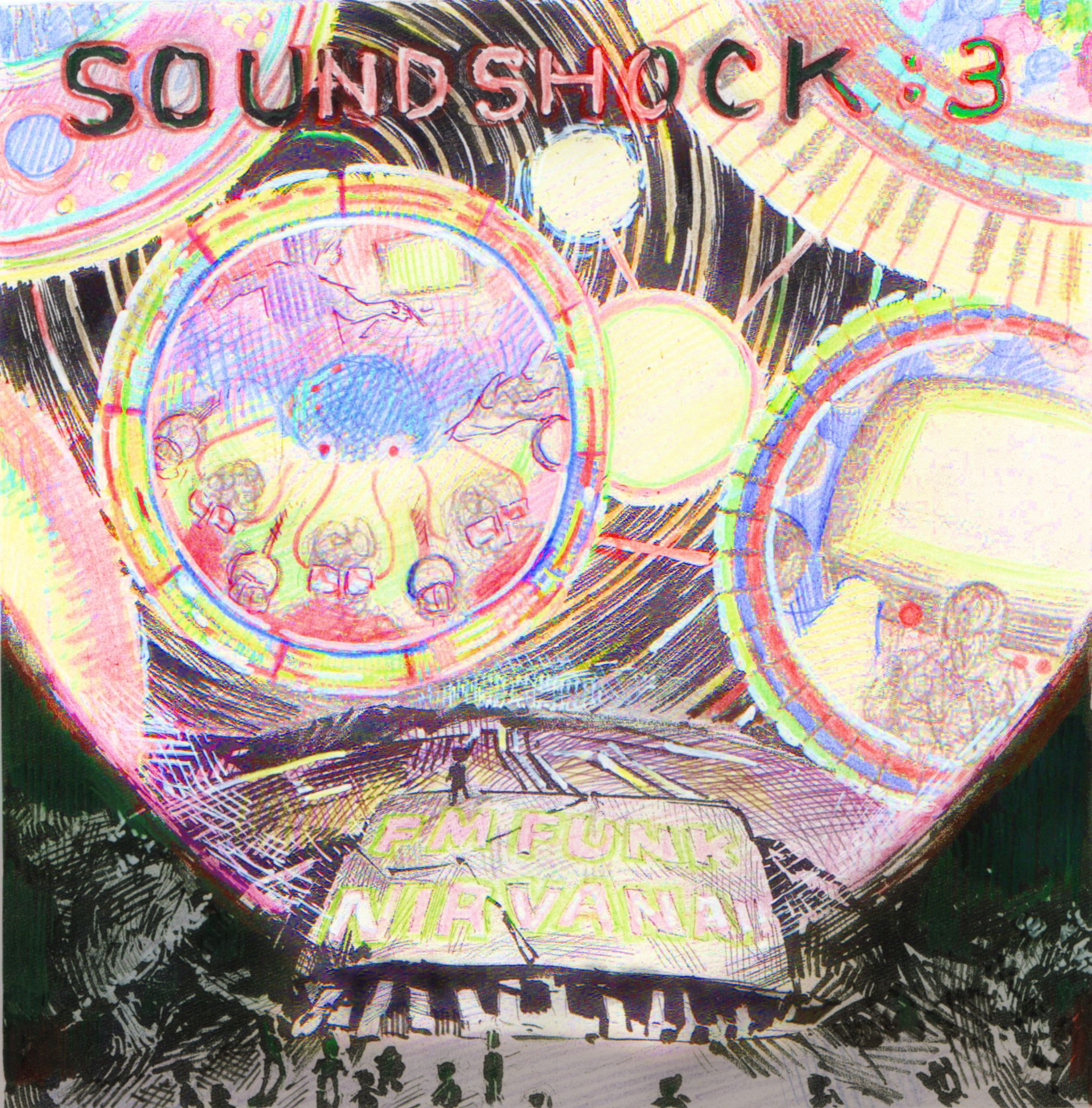
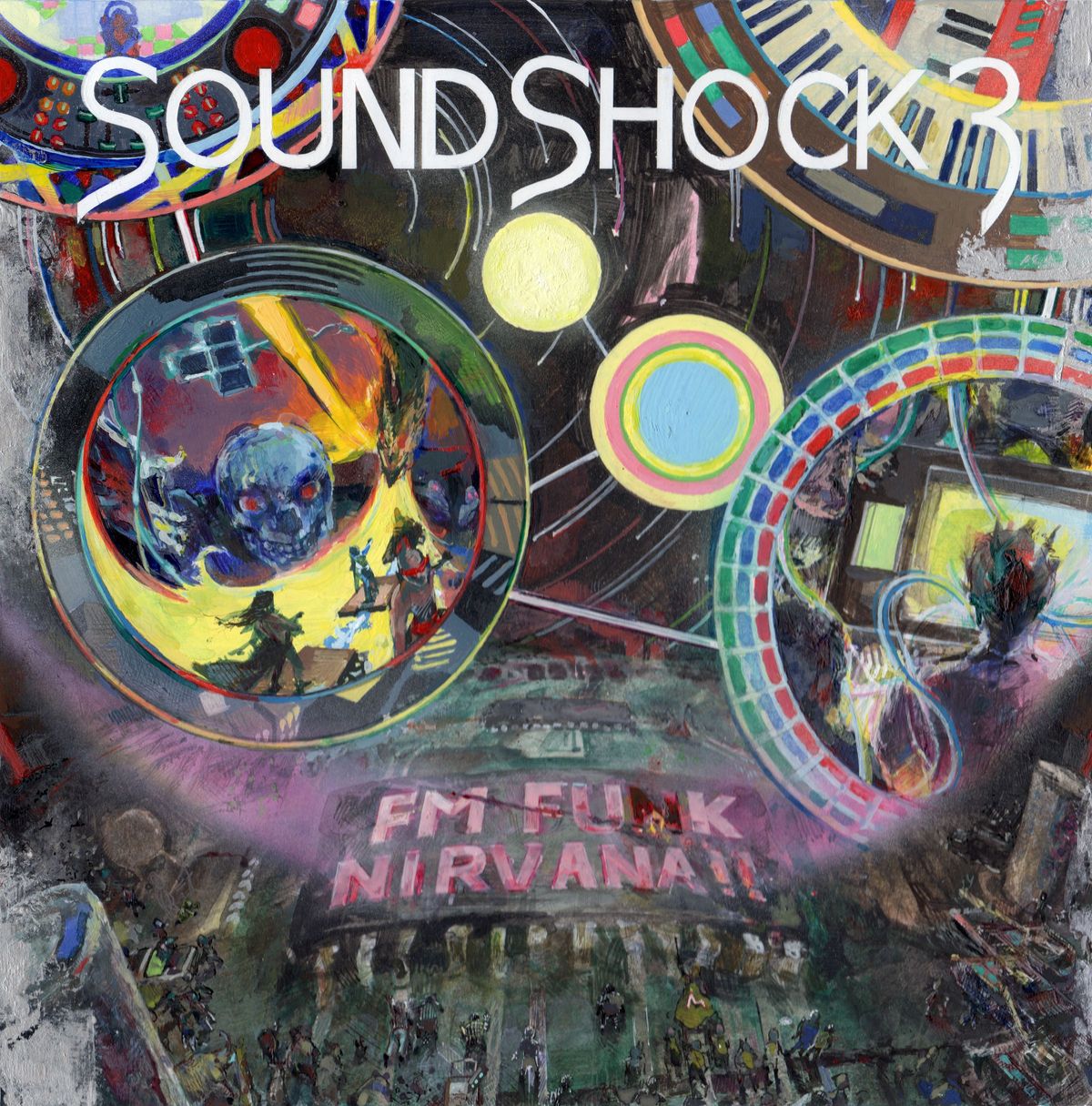
The final installment, NIRVANA!!, represented a thematic departure, moving from the aggressive, action-oriented motifs of the predecessors toward a more philosophical, spiritual abstraction. The title itself—a play on the concept of ultimate perfection—signaled the culmination of the series. The artwork, heavily influenced by Buddhist mandalas and cosmic imagery, depicted a congregation of figures worshipping a monumental FM chip. This composition functioned as a visual representation of the series’ core philosophy, framing FM synthesis as an object of secular reverence.
Technical Synthesis and Visual Symbolism
The visual language of the SOUNDSHOCK series was never merely decorative; it was deeply intertwined with the technical specifications of the music itself. By integrating actual FM algorithm charts into the visual compositions, Shimokura bridged the gap between the listener’s auditory experience and the mechanical reality of the sound hardware. For instance, the "caterpillar-like" movement of the FM chips in the MADDNESS!! artwork serves as a visual metaphor for the synthesis process, where oscillators and operators interact in a complex, chain-like structure.
This approach reflects a broader trend in independent music, where physical or digital packaging is used to enhance the perceived value of the release. The inclusion of prototype sketches and developmental notes provided by the artist served to demystify the creative process, offering fans a glimpse into the iterative nature of the collaboration. The transition from the chaotic, visceral style of the first two albums to the organized, symmetrical, and meditative structure of the third album reflects the maturation of the project over its lifecycle.
The Philosophical Conclusion of the Series
The final message provided by Tsuyoshi Shimokura upon the conclusion of the series serves as a poignant reflection on the transient nature of creative endeavors. In his statement, Shimokura articulated a vision of the SOUNDSHOCK project not as an ending, but as a "seed" for future creative iterations. By framing the project’s participants and listeners as part of a lineage—or "progeny"—of previous sound pioneers, Shimokura underscored the communal aspect of the FM synthesis subculture.
This sentiment is central to the project’s legacy. By viewing their work as part of a larger, ongoing tradition of sound manipulation, the creators sought to avoid the melancholy often associated with the dissolution of a long-term project. For Shimokura, the "stars that have yet to be born" represent the next generation of artists who will inevitably draw inspiration from the same technical and aesthetic roots that defined the SOUNDSHOCK series. This belief in the cyclical nature of inspiration acts as a foundational pillar for the series’ impact on the niche music community.
Industry Implications and Broader Impact
The success of the SOUNDSHOCK series highlights a growing market for specialized, high-concept music releases that prioritize thematic cohesion. In an era where digital streaming often obscures the visual context of an album, the deliberate effort to pair high-fidelity synthesis with bespoke, narrative-driven art created a distinct brand identity. The series effectively demonstrated that niche electronic music could sustain a dedicated following through consistent visual storytelling and a deep respect for the history of the medium.
Furthermore, the collaboration between zinger and Shimokura serves as a model for interdisciplinary cooperation in independent media. By allowing the visual artist significant agency in the narrative development of the project, the curator ensured that the artwork was not an afterthought but a central component of the listener’s experience. This strategy fostered a high level of engagement, as fans were encouraged to decode the symbolism within the artwork, effectively turning the album covers into puzzles or lore-rich maps.
The lasting impact of the series is evidenced by the continued discussion of its aesthetic choices within electronic music forums and the ongoing interest in the specific hardware-based sound design that defined its tracks. As the industry moves further toward increasingly accessible and simplified digital production methods, the SOUNDSHOCK series remains a testament to the power of deliberate, hardware-centric music curation combined with a commitment to high-quality visual representation.
Ultimately, the partnership between the curator and the artist resulted in a legacy that transcends the individual albums. It solidified a specific aesthetic intersection—one where the technical coldness of an FM chip meets the warmth and detail of hand-painted illustration—creating a body of work that serves as both a historical record of a specific creative moment and a beacon for future artists operating within the realm of experimental and nostalgic sound synthesis. With the conclusion of the project, the participants have successfully navigated the transition from active creators to figures of influence, leaving behind a roadmap for those who wish to explore the deeper, often overlooked, potential of the FM sound legacy.