 Indra Gunadi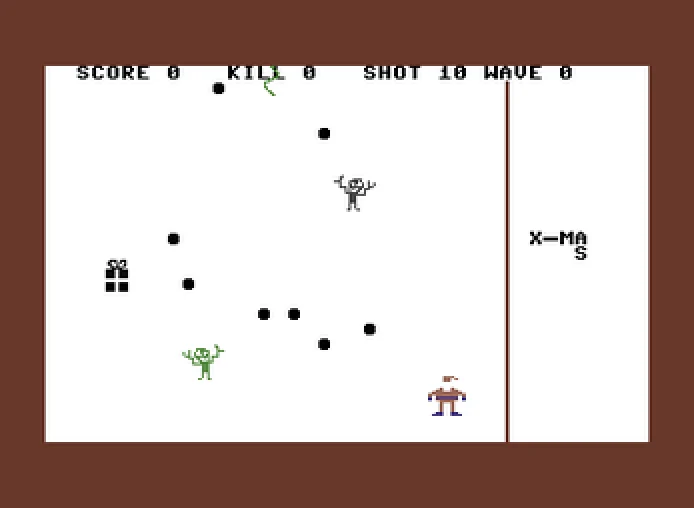
The Premise and Gameplay Mechanics
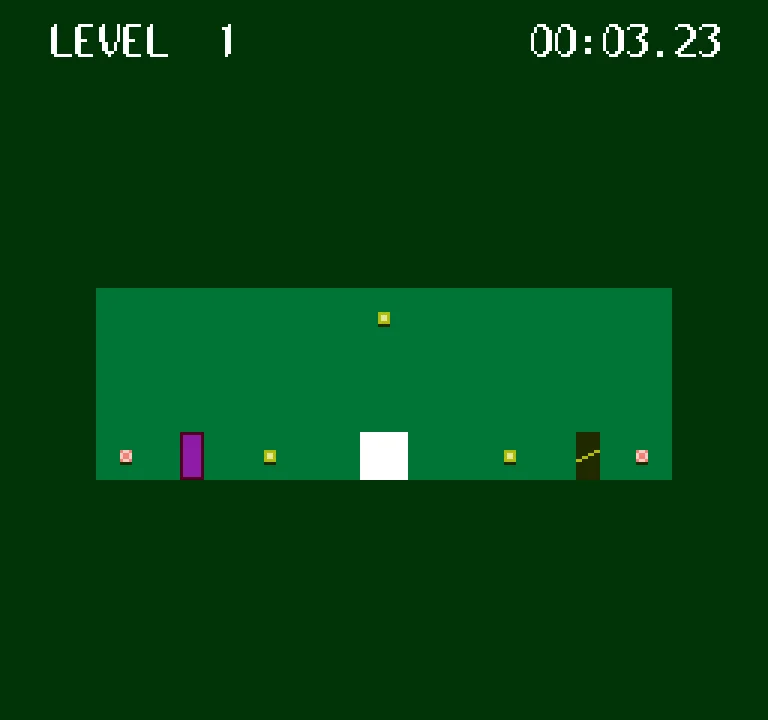
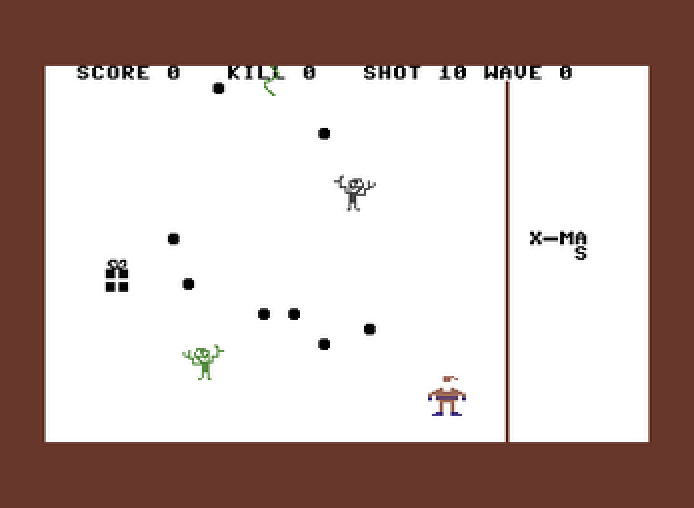
In Xmas Battle, players assume the role of Santa Claus, who finds himself in an unexpected predicament at the North Pole. According to the development notes provided by creator Marco Cerutti, the core conflict centers on an elf uprising that threatens the integrity of the holiday season. The objective-based gameplay requires the player to traverse a series of hazardous stages to collect exactly 30 presents.
The mechanical design of the game aligns with classic arcade-style platformers prevalent during the Commodore 64’s original commercial lifespan, which ran from 1982 to 1994. By incorporating a distinct collection mechanic—where the player must navigate obstacles and evade adversarial non-player characters (NPCs)—Cerutti utilizes the C64’s specific strengths, including its iconic SID sound chip and multi-color sprite handling capabilities, to create a nostalgic yet fresh gaming experience.
Historical Context of the Commodore 64 Homebrew Scene
The release of Xmas Battle is not an isolated event but rather part of a robust ecosystem of hobbyist software development. Since the mid-2000s, the Commodore 64 has maintained one of the most active "retro-computing" communities globally. Despite the hardware being over four decades old, developers continue to push the boundaries of what the 1 MHz MOS Technology 6510 processor and its accompanying hardware can achieve.
This phenomenon is driven by a combination of factors:
- Tool Accessibility: Modern cross-compilers, such as CC65 and KickAssembler, allow developers to write code on contemporary PCs that is then compiled into binary files compatible with the original C64 hardware.
- Community Platforms: Websites dedicated to public domain (PD) software and digital storefronts (such as Itch.io and specialized retro portals) have streamlined the distribution process, removing the need for physical cartridge manufacturing.
- Hardware Preservation: The widespread availability of flash-based storage devices, such as the 1541 Ultimate or the SD2IEC, enables users to run modern software on original, period-correct hardware without the risks associated with aging floppy disk drives.
Chronology of Modern Commodore 64 Development
The evolution of the C64 scene can be segmented into three distinct eras:
- 1995–2005 (The Dark Era): Following the official discontinuation of the platform, activity was relegated to small, underground groups focused on demos and cracking. Hardware maintenance was difficult, and new software was scarce.
- 2006–2016 (The Renaissance): The rise of digital distribution and early YouTube preservation efforts led to a surge in interest. Major releases like Prince of Persia (a 2011 port) demonstrated that the machine was capable of performance levels once thought impossible by original 1980s developers.
- 2017–Present (The Commercialization Phase): High-quality releases are now often sold as physical "Big Box" editions. This era has seen a professionalization of the hobby, with studios forming to produce high-budget, high-polish titles that rival the quality of the C64’s original "Golden Age."
Technical Analysis: The 6510 Architecture
To understand the complexity of developing a title like Xmas Battle, one must consider the hardware limitations. The C64 features 64 kilobytes of RAM and a screen resolution of 320×200 pixels. Handling 30 discrete objects (the gifts) alongside AI-controlled sprites (the elves) requires highly optimized memory management.
Marco Cerutti’s implementation suggests a mastery of "raster interrupts," a technique where the programmer changes hardware registers mid-frame to create visual effects that exceed the machine’s default capabilities. In the context of an action game, this is essential for maintaining a consistent frame rate while ensuring that the game logic—calculating collisions and elf movement—does not cause the system to lag or crash.
Industry and Community Reception
While independent homebrew titles do not typically receive the same level of mainstream coverage as AAA console releases, they are highly regarded within the retro-gaming community. Discussions on forums such as Lemon64 and various Reddit retro-gaming subreddits indicate that the community prioritizes "playability" and "faithfulness to the era" above all else.
Early feedback regarding Xmas Battle highlights its accessibility. Unlike some modern homebrew titles that lean into extreme difficulty, Cerutti’s design appears to favor a more balanced learning curve, making it suitable for casual play. The thematic focus on the holiday season also ensures the title will likely remain in rotation for seasonal retro-gaming events for years to come.
Implications for Preservation and Digital Heritage
The continued release of software like Xmas Battle has significant implications for digital heritage. Every time a developer creates a new piece of software for an legacy machine, they are essentially extending the life of that platform. This creates a feedback loop: new software drives interest in the hardware, which in turn leads to the development of new hardware accessories (such as HDMI converters and replacement motherboards), which keeps the machines functional for future generations.
Furthermore, the documentation provided by creators like Cerutti serves as a living archive. By releasing these games, the developer contributes to the body of knowledge regarding how the 6510 processor handles logic and graphics. This data is invaluable to computer historians who seek to understand the limitations and triumphs of 20th-century computing.
Looking Ahead: The Future of C64 Gaming
As we look toward the remainder of 2026 and into 2027, the trajectory of the Commodore 64 scene remains positive. Industry analysts tracking the "Retro Market" note that interest in 8-bit platforms is inversely correlated with the increasing complexity of modern gaming. As contemporary titles become more reliant on massive file sizes, persistent internet connections, and microtransactions, a segment of the gaming population is retreating toward "closed-system" experiences—games that are complete, offline, and possess a distinct, artistic identity.
Xmas Battle represents the culmination of these trends. It is a standalone, finite experience that requires no updates, no patches, and no external dependencies. It is a testament to the fact that, regardless of the year, the fundamental pillars of game design—challenge, progression, and reward—remain constant.
Conclusion
Marco Cerutti’s Xmas Battle serves as a reminder of the enduring appeal of the Commodore 64. By blending traditional platforming mechanics with a seasonal narrative, the game successfully bridges the gap between the machine’s historical legacy and the modern expectations of the homebrew community. As more developers turn their attention to these classic systems, the "new release" announcements from sites like PDroms.de continue to serve as essential nodes in the broader history of interactive media.
For users interested in experiencing the game, it is recommended to utilize an emulator such as VICE (Versatile Commodore Emulator) for those without access to original hardware. For purists, the binary file can be transferred to an SD-card based storage solution, allowing for a seamless transition from modern PC architecture to the 1980s hardware that defined an entire generation of computer users. As of mid-October 2026, the game is available for download and remains a noteworthy addition to the expansive library of the world’s best-selling single computer model.