 Hartono Sudibyo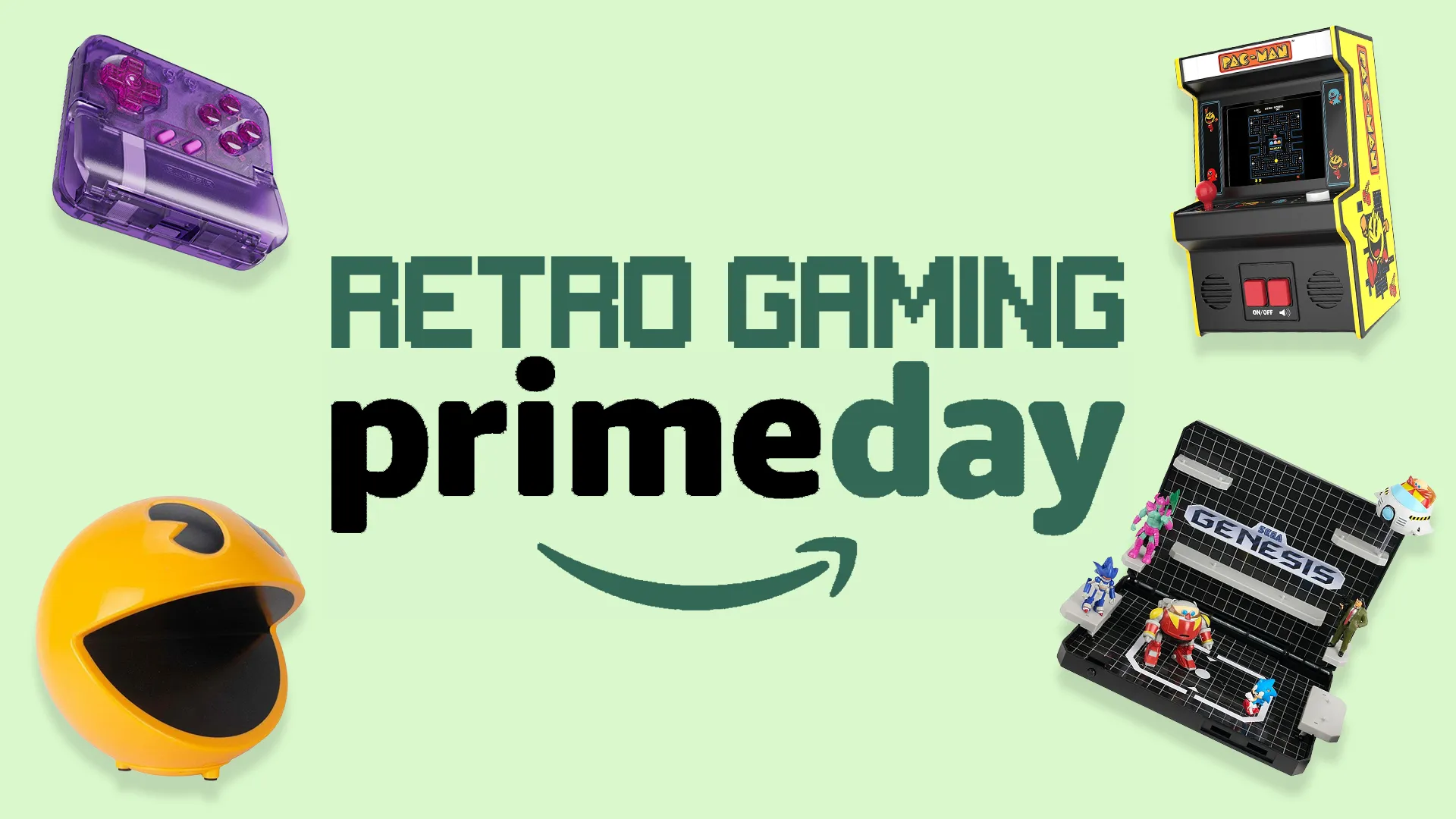
The annual Amazon Prime Day retail event has officially commenced, ushering in a significant wave of price reductions targeting the retro gaming community. As nostalgia-driven hardware, classic software re-releases, and specialized modern peripherals continue to surge in popularity, retail platforms have increasingly tailored their promotional calendars to accommodate this demographic. Throughout the 48-hour event, consumers in the United States, Canada, the United Kingdom, and various European territories are observing markdowns on a wide array of vintage-inspired entertainment equipment, ranging from home arcade cabinetry to modular handheld controllers designed to emulate classic gaming experiences on contemporary mobile devices.
Main Facts and Scope of the Retail Event
Amazon Prime Day has evolved from a localized promotional stunt into one of the largest global retail phenomena of the calendar year, frequently rivaling or exceeding traditional holiday shopping periods such as Black Friday and Cyber Monday in terms of gross merchandise volume. For the retro gaming sector—a market segment that has transitioned from a niche hobby into a multi-billion-dollar industry—this year’s event features targeted price cuts across several key hardware and software categories.
Major manufacturers and third-party accessory producers have collaborated with the retail giant to offer competitive pricing on emulation consoles, plug-and-play arcade sticks, CRT-style display monitors, and ergonomic controllers compatible with iOS and Android operating systems. Industry analysts note that consumer demand for physical media and retro-styled hardware has remained resilient despite the industry’s digital-first trajectory, prompting major retailers to secure exclusive inventory and promotional windows specifically for Prime subscribers.
Regional availability remains a defining characteristic of the sale. Inventory allocations, promotional percentages, and shipping logistics are structured distinctly by geographic market. Consumers accessing the storefronts via Amazon US and Amazon Canada are encountering specific bundles centered on North American release variations, while buyers utilizing Amazon UK and participating European platforms are privy to distinct regional inventories governed by local consumer electronics regulations and import standards.
Chronology and Evolution of Prime Day
The origins of Amazon Prime Day trace back to July 15, 2015, when the company launched a one-day global shopping event to celebrate its 20th anniversary, offering discounts exclusively to members of its paid subscription tier, Amazon Prime. Initially conceived as a mid-summer antidote to sluggish retail sales during the third quarter, the event generated immediate commercial success, prompting the corporation to expand the duration to 36 hours in 2018, and subsequently to a full 48 hours in 2019.
Over the past decade, the scope of merchandise discounted during Prime Day has expanded significantly. While early iterations focused primarily on consumer electronics, home appliances, and Amazon’s proprietary hardware ecosystem—such as Kindle e-readers and Echo smart speakers—the event now encompasses specialized entertainment niches. The retro gaming category began receiving prominent placement around 2019 and 2020, coinciding with a broader cultural resurgence in physical cartridge collecting, arcade cabinet restoration, and the commercialization of miniature, pre-loaded classic consoles by manufacturers such as Nintendo, Sega, and SNK.
In recent years, supply chain fluctuations and shifting consumer habits have altered the timing and structure of the event. Although historically held in July, pandemic-era disruptions forced a shift to October in 2020, followed by a return to mid-summer scheduling in subsequent years, supplemented by secondary events such as the "Prime Big Deals Days" in the autumn. This multi-event retail strategy has allowed hardware manufacturers to clear warehouse inventory ahead of the critical year-end holiday shopping season.
Supporting Data and Market Analysis
The economic viability of retro gaming promotions during events like Prime Day is supported by robust market research data. According to industry reports from firms such as Newzoo and Grand View Research, the global retro gaming market—encompassing vintage hardware resale, modern reproductions, emulation software, and officially licensed merchandise—is valued in the billions of dollars, with a compound annual growth rate (CAGR) projected to remain steady through the end of the decade.
Consumer demographics within the retro gaming space have also diversified. While the primary purchasing power historically resided with Millennials and Generation X consumers seeking to recapture childhood gaming experiences, Generation Z has increasingly embraced physical retro media, classic pixel-art aesthetics, and mechanical input devices. This generational crossover has created a dual-demand curve: older consumers purchase high-end replica cabinets and premium arcade sticks, while younger demographics drive sales of budget-friendly handheld emulation devices and smartphone-compatible gamepads.
Retail data from previous Prime Day events indicates that consumer electronics and video game accessories consistently rank among the highest-performing categories by unit sales volume. During the 48-hour promotional window, participating third-party sellers often experience traffic spikes exceeding 300% compared to baseline daily averages, leading many boutique manufacturers of retro gaming peripherals to time their product launches and inventory restocks specifically to coincide with the event.
Industry Responses and Manufacturer Strategies
While Amazon itself acts primarily as the logistical and platform host for Prime Day, the broader ecosystem of hardware manufacturers, boutique software developers, and accessory brands plays a crucial role in shaping the event’s offerings. Major peripheral manufacturers, including companies specializing in modular mobile controllers and arcade fight sticks, often utilize the promotional window to clear legacy stock of previous-generation hardware in anticipation of upcoming technological iterations.
Independent creators and niche hardware developers have similarly adapted to the commercial pressures of the event. Many boutique firms utilize the heightened visibility of Prime Day to capture consumer attention, offering bundle deals that pair hardware accessories with physical retro-style game cartridges or independent releases. Industry observers note that while massive price slashing is typically absorbed by high-volume corporate entities, smaller enterprises leverage the halo effect of the broader retail event to drive direct-to-consumer engagement and build long-term brand loyalty.
Furthermore, digital storefronts and indie publishers frequently coordinate concurrent promotions on digital platforms, capitalizing on the influx of consumers purchasing new hardware who subsequently seek out classic software libraries, digital ports, and independent retro-inspired titles.
Broader Impact and Implications for the Gaming Sector
The integration of retro gaming into mainstream retail tentpole events like Prime Day carries significant implications for the broader entertainment industry. First, it underscores the enduring commercial value of intellectual property generated during the 8-bit, 16-bit, and early 3D eras of video game development. Publishers holding historic catalogs increasingly recognize that hardware accessibility directly influences software monetization, whether through official digital re-releases, subscription services, or licensed physical reproductions.
Second, the popularity of physical peripherals—such as tactile gamepads, mechanical arcade buttons, and analog controllers for mobile devices—reflects a consumer desire for tactile feedback in an era dominated by touchscreens and digital-only distribution models. This trend suggests that hardware manufacturers will continue to invest in specialized physical interfaces that bridge the gap between vintage gaming aesthetics and modern computing architectures.
Finally, the localized nature of global retail events highlights ongoing complexities in international trade, shipping logistics, and regional regulatory compliance. Variations in pricing structures across North American and European storefronts demonstrate how regional supply chains, import tariffs, and localized consumer protection laws continue to shape the availability of niche consumer electronics. As retail corporations refine their promotional algorithms and inventory forecasting models, events like Prime Day will likely remain a critical barometer of consumer demand within specialized entertainment sectors for the foreseeable future.