 Ganda Hendra Perkasa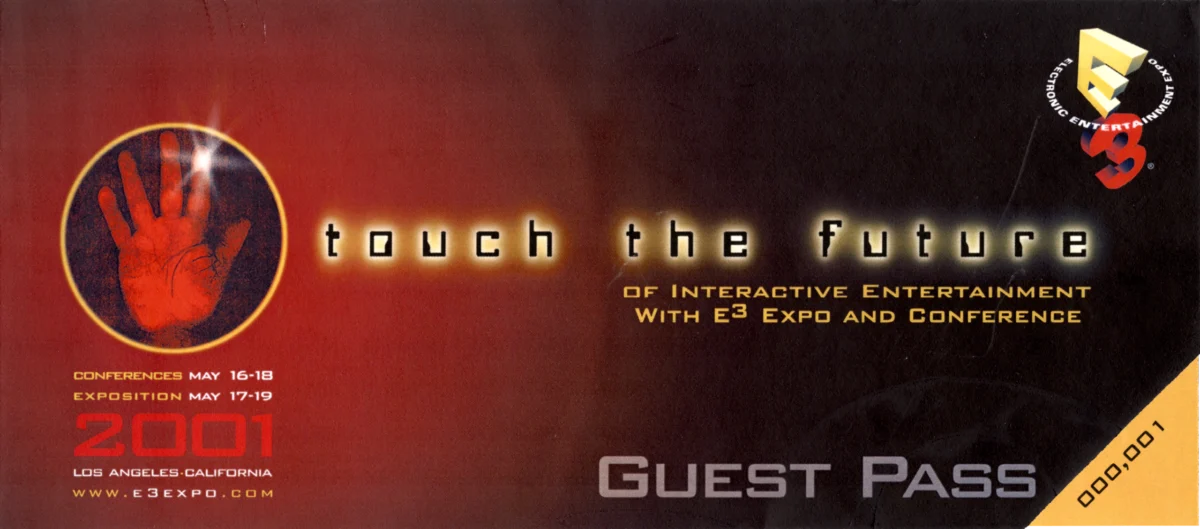
For more than two decades, the Electronic Entertainment Expo stood as the undisputed epicenter of the global video game industry, a dazzling, larger-than-life spectacle where the future of interactive entertainment was unveiled to the world. Now, the Video Game History Foundation has undertaken a monumental preservation effort, rolling out a sweeping new series of additions to its digital archive dedicated entirely to chronicling the tumultuous, groundbreaking, and culturally defining history of E3.
The newly published materials span thousands of pages of rare event ephemera, exclusive operational documents, foundational directory books, and hours of pristine, digitized video footage. By opening these vaults to the public free of charge, the Foundation aims to provide academic researchers, journalists, and enthusiasts with an unprecedented, unfiltered look at how a fledgling commercial sector transformed into a multi-billion-dollar cultural juggernaut.
From its explosive inception in the mid-1990s to its eventual pivot toward exclusive summits and ultimate discontinuation, E3 defined how the world consumed gaming culture. The new archival rollout offers a granular examination of this evolution, capturing both the corporate maneuvering behind closed doors and the chaotic, neon-drenched magic of the show floor.
The Genesis of E3: Escaping the Shadow of Consumer Electronics
To understand the cultural earthquake that was E3, one must examine the state of the American video game industry in the early 1990s. Before E3 established its independence, major video game publishers were forced to showcase their upcoming titles at the Consumer Electronics Show, a massive, generalized trade event where interactive software was routinely overshadowed by televisions, household appliances, camcorders, and karaoke machines.
As the video game market experienced explosive, rapid growth, industry leaders grew increasingly frustrated by the lack of dedicated attention. Following a series of disappointing, low-profile trade conferences, visionary stakeholders decided the sector needed its own bespoke platform. In 1995, the Interactive Digital Software Association—now known as the Entertainment Software Association—partnered with Infotainment World to found the Electronic Entertainment Expo.
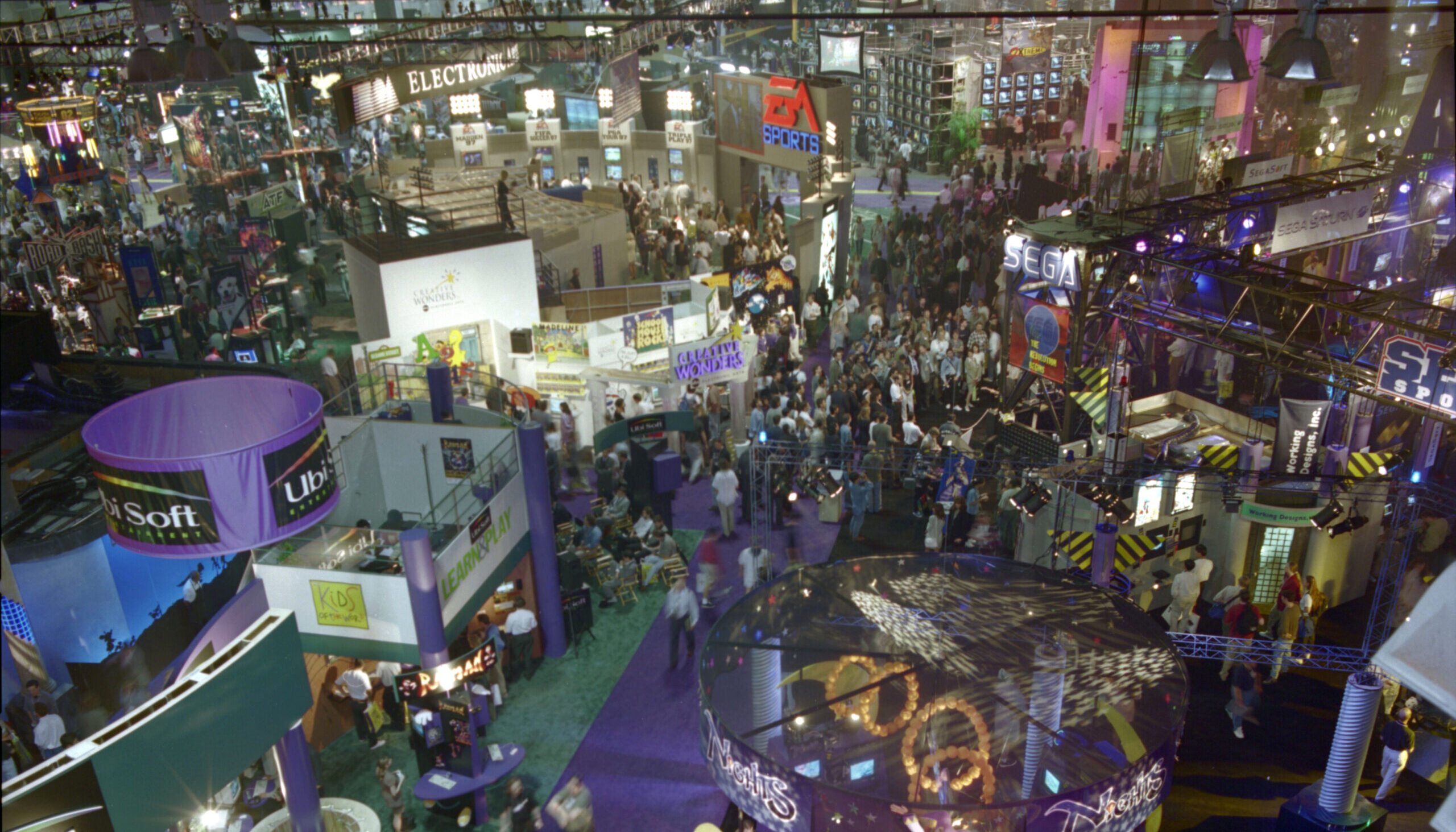
The debut event at the Los Angeles Convention Center in May 1995 changed the paradigm permanently. E3 was immediately recognized not merely as a B2B trade gathering, but as a vibrant cultural force capable of commanding global media attention. It proved that video games were no longer a niche hobby for children, but a sophisticated, high-stakes commercial art form.
Comprehensive Archival Additions and Key Collections
The Foundation’s newly launched digital repository is anchored by several major donations from the executives, organizers, and attendees who built E3 from the ground up. These primary sources offer an unvarnished window into the mechanics of running the world’s premier gaming convention.
The Carolyn Rauch Event Ephemera Collection
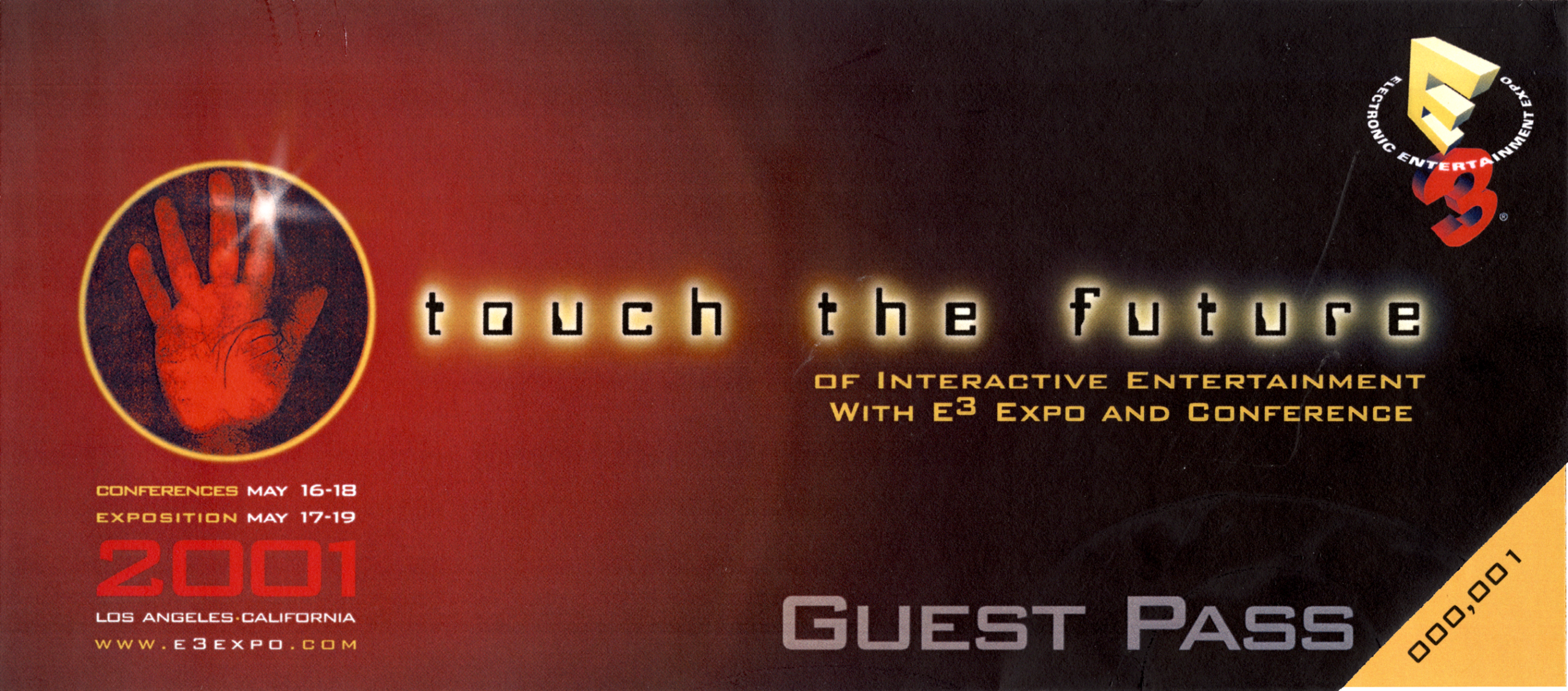
Donated by founding IDSA member and long-time senior vice president Carolyn Rauch—who oversaw E3 operations for nearly its entire lifespan—this expansive collection includes more than one thousand pages of historical documentation. Spanning the years 1996 through 2011, the archive features internal memos, promotional flyers, press kits, guest passes, panel transcripts, and rare industry reports.
Crucially, the collection sheds light on the behind-the-scenes negotiations required to market the event to exhibitors and advertisers. Researchers can now examine the delicate economic balancing act organizers performed to satisfy intense public interest while serving the hard-nosed commercial demands of major publishers. Furthermore, the collection includes documentation from the elusive E3 Media and Business Summit held in 2007 and 2008—invitation-only, small-scale gatherings that replaced the massive convention format during a transitional period for the industry.
The Anthony Parisi Videotape Archive
Visual documentation of early E3 events has historically been difficult to source reliably. To combat this, the Foundation has secured the copyright donations and redigitized nearly 12 hours of archival footage captured by attendee Anthony Parisi, who brought his camcorder to the convention floor during the first four years of the expo.
This footage captures the raw, unedited atmosphere of foundational moments in gaming history, including the initial U.S. public debuts of generation-defining titles like Super Mario 64 and Castlevania: Symphony of the Night. Moreover, Parisi’s tapes preserve rare recordings of landmark industry keynotes, such as the surprise, simultaneous retail launch of the Sega Saturn and Sony’s legendary, mic-drop announcement establishing the original PlayStation’s $299 price point.
Complete Directory Books and Daily News Scans
The Foundation has also finalized the digitization of its complete collection of E3 directory books, spanning from 1995 to 2006. Comprising roughly 2,500 pages, these directories provide exhaustive maps, exhibitor lists, and presentation schedules, serving as an invaluable geographic and structural roadmap for historians.
Complementing these directories are newly scanned editions of the E3 Show Daily from 1995 and 1997. Serving as the official on-site newspaper of the convention, the Show Daily offered breaking news, exhibitor profiles, and fascinating glimpses into the after-hours corporate parties and local nightlife that rarely made it into mainstream gaming journalism. With these additions, the archive now hosts over 1,500 pages of daily event reporting.
Rare Gameplay B-Roll and Citizen Journalism
In addition to major corporate archives, the digital library now features assorted event videos sourced from defunct media outlets like Subspace Publishers and Tronix Multimedia. A standout inclusion is a videotape from Atari Explorer Online, which provides an exclusive, ground-level look at Atari Jaguar games at E3 1995, complete with a rare interview featuring cult-favorite developer Jeff Minter discussing Defender 2000.
The update also includes pristine, high-quality VHS rips of pre-release B-roll distributed directly to the press by Nintendo and Sony between 1995 and 1998. Most notably, a Nintendo of America press tape from E3 1997 features a minute-and-a-half of high-definition footage from Rareware’s infamously unreleased Nintendo 64 project, Conker’s Quest, offering the clearest look at the title ever made available to the public.
Reflections from the Showrunners: Perspectives on an Era
To contextualize the archival rollout, the Video Game History Foundation hosted a special episode of its podcast featuring Carolyn Rauch alongside Doug Lowenstein, the founding president of the IDSA. The discussion offered rare insights into the political, economic, and logistical hurdles of establishing and maintaining an event of E3’s magnitude as the gaming landscape evolved through the 2000s.
Mary Dolaher, the long-time event director of E3 and eventual CEO of IDG World Expo, also reflected on her decades at the helm, managing the day-to-day operations that brought the convention to life.
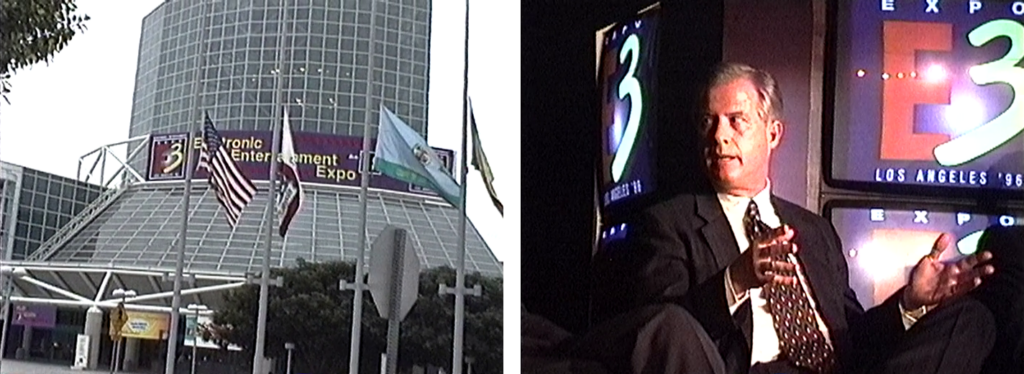
"I was responsible for the day-to-day operations of E3 from its inception to its demise," Dolaher noted, reflecting on the sheer physical scale of the production. "We sold every square inch of the Los Angeles Convention Center—and beyond it, into the surrounding hotels and streets: bus wraps, elevator graphics, mirror clings in hotel rooms, giant Post-it note collages, chalk art. You had to be there to understand the enormity, the noise, and the impact it had on the industry and beyond."
Dolaher recalled a litany of unforgettable logistical hurdles, ranging from opening-day power outages and disputes outside the convention hall to orchestrating high-profile safety protocols for celebrity attendees and musicians. Yet, she emphasized that the event’s most enduring legacy extended far beyond corporate marketing.
Among her proudest achievements was the annual partnership with the Make-A-Wish Foundation, which brought children facing critical illnesses to experience the convention floor firsthand, alongside the creation of the groundbreaking "Into the Pixel" art exhibition. The latter initiative successfully reframed video game design as a legitimate, highly sophisticated form of visual art, helping dismantle outdated cultural stereotypes regarding interactive media.
Broader Impact and Implications for Historical Research
The systematic preservation of E3’s history arrives at a crucial juncture for digital humanities and media studies. As corporate archives are frequently lost to corporate restructuring, bankruptcy, or simple physical degradation, independent archival initiatives play an indispensable role in safeguarding the documentary record of the digital age.
By rendering these materials freely accessible to the public, the Video Game History Foundation bridges the gap between casual nostalgia and rigorous academic inquiry. Scholars studying the maturation of mass media, the evolution of corporate public relations, and the economic history of the entertainment sector now possess a centralized, primary-source repository capable of supporting deep, evidence-based research.
The Foundation has indicated that these releases represent only the beginning of a sustained publishing initiative. Over the coming weeks, the organization plans to roll out additional collection highlights, archival scans, and retrospective essays penned by industry veterans who bore witness to the birth of the modern gaming convention. Through these efforts, the chaotic, brilliant, and irreplaceable spirit of E3 will remain preserved for generations of scholars and fans yet to come.