 Chalid Lutfie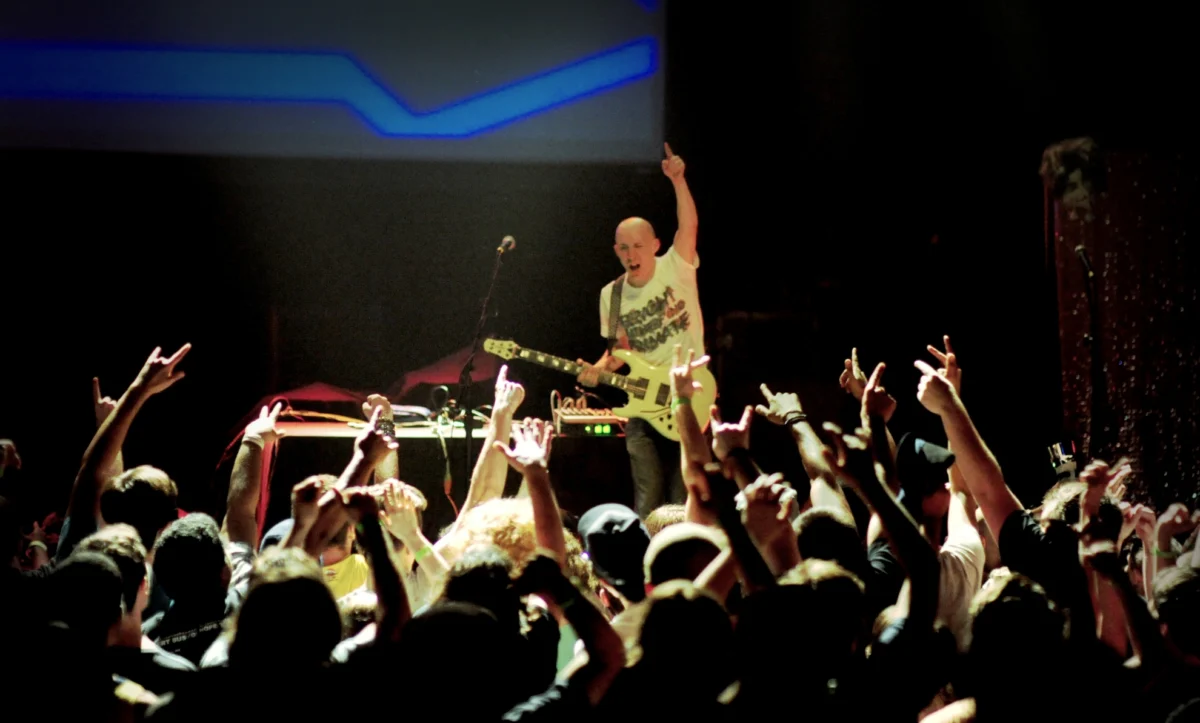
After a three-year hiatus following the successful collaborative effort Parallel Processing with Zef, the chiptune-fusion artist Danimal Cannon is set to return with a new solo studio album, Lunaria. Scheduled for a March 11 release, the project marks a significant evolution in the artist’s discography, bridging the gap between the raw, 8-bit aesthetic of the Nintendo GameBoy and the technical complexities of modern progressive metal. While Danimal Cannon has long been celebrated for his high-energy live performances, the studio recording process has historically struggled to capture the full synergy of his dual-instrument approach. Lunaria is intended to bridge this divide, presenting a refined synthesis of electronic synthesis and virtuosic guitar performance that has been years in the making.
The Evolution of the Danimal Cannon Sound
To understand the significance of Lunaria, one must examine the progression of the artist’s work since his 2011 debut, Roots. The chiptune genre—music created using the sound chips of vintage hardware—has seen a massive surge in popularity over the last decade, transitioning from a niche subculture to a recognized musical movement. Danimal Cannon has been a central figure in this transition, yet he has consistently expressed frustration with the technical limitations of translating his live, guitar-heavy sets into a recorded format.
In early industry interviews, the artist noted that the frequency range of the GameBoy’s pulse waves often clashed with the mid-range dominance of electric guitars. For years, this necessitated a choice: either compromise the chiptune integrity by heavily processing the guitar, or remove the guitar entirely to preserve the crispness of the 8-bit sound. With Lunaria, Danimal Cannon claims to have finally resolved this technical hurdle, utilizing four years of experimentation to develop a production method that treats both the vintage hardware and the guitar as equal partners in a unified sonic landscape.
Chronology of the Project
The timeline leading to this release is rooted in a desire for technical perfection. Following the 2013 release of Parallel Processing, Danimal Cannon began a rigorous period of self-imposed training, focusing on songwriting structures that could accommodate both the erratic, rapid-fire nature of chiptune and the percussive, melodic demands of progressive rock.
The composition phase for Lunaria began in earnest in 2014, immediately following the tour cycle for his previous work. By 2015, the project began to take shape as a concept album, moving away from the disconnected track-by-track approach of his earlier EPs and toward a singular, cohesive narrative. This period was marked by extensive collaboration, as the artist sought to incorporate acoustic textures—specifically piano—to ground the digital chaos of the GameBoy sound. The final production phase was completed in early 2016, with the mastering process ensuring that the high-frequency chirps of the hardware and the low-end growl of the guitar existed in a coherent mix.
Conceptual Underpinnings and Artistic Influence
The thematic core of Lunaria is rooted in scientific inquiry. Danimal Cannon has frequently cited his interest in astrophysics and cosmology as a primary driver for his creative output. The album’s conceptual framework is built upon the "giant impact hypothesis," a scientific theory suggesting that the Earth’s moon was formed from the debris of a massive collision between Earth and a Mars-sized protoplanet known as Theia.
By personifying the impactor as a character named "Lunaria," the artist creates a narrative arc that moves from the violence of celestial formation to the serene orbit of the moon. This is reinforced by the double meaning of the title, which references the "Lunar-aria," or an aria centered on the moon. Musically, this translates into a diverse array of influences. The artist has credited the Shovel Knight soundtrack—a landmark in modern chiptune—alongside indie-rock acts like Buke and Gase, industrial titans Nine Inch Nails and KMFDM, and the choral/orchestral works of Eric Whitacre. This eclectic blend of genres is an attempt to push chiptune beyond its 8-bit nostalgia and into the realm of contemporary progressive music.
Collaborative Contributions and Guest Performances
A hallmark of the Lunaria project is its departure from the solo-centric nature of previous releases. The album features two prominent collaborations that broaden the scope of the music.
The first is a vocal performance by Emily Yancey, an operatically trained singer who was instrumental in providing the "celestial" tone required for the album’s narrative. Her inclusion represents a strategic shift toward more human-centric arrangements, providing a melodic anchor against the synthetic background of the GameBoy.
The second key collaboration involves Samuel Ascher-Weiss, widely known in the electronic music community as Shnabubula. Ascher-Weiss contributed a piano arrangement for the track "Axis," which is widely regarded by those familiar with the project as the album’s most complex composition. By reinterpreting a piece written for an electronic device into a traditional piano arrangement, Ascher-Weiss highlights the musicality inherent in Danimal Cannon’s writing. This contrast—the mechanical precision of the GameBoy versus the dynamic range of a grand piano—serves to validate the compositions as more than mere gimmickry, positioning them as legitimate musical works capable of standing up to traditional instrumentation.
Industry Implications and Market Impact
The release of Lunaria comes at a pivotal time for the chiptune and "chiptune-fusion" market. As the genre matures, there is an increasing demand for high-fidelity production values. Historically, chiptune has been associated with low-bitrate, lo-fi aesthetics, but artists like Danimal Cannon are challenging this by integrating high-end studio recording techniques with vintage hardware.
Market analysts within the independent music sector note that this shift is essential for the long-term sustainability of the genre. By aligning with progressive metal—a genre that prioritizes technical proficiency and complex time signatures—Danimal Cannon is effectively expanding his target audience. The shift toward a full-length, narrative-driven concept album is also a response to the "playlist culture" of modern streaming platforms, where listeners are increasingly drawn to artists who provide cohesive, long-form experiences.
The decision to offer the album in both digital and physical formats, complete with a poster featuring artwork by Minerva Mopsy, suggests an understanding of the collector-driven nature of the current indie scene. The physical release serves not only as a product but as a tangible representation of the artist’s vision, bridging the gap between the digital music of the past and the physical consumption of the present.
Looking Ahead
As the March 11 release date approaches, the anticipation surrounding Lunaria reflects the growth of the artist’s stature within the independent music circuit. With the debut single "Behemoth" already garnering attention for its aggressive, high-energy arrangement, the album is poised to be a benchmark for the genre.
The broader implications of this release are clear: Danimal Cannon is attempting to elevate the chiptune medium, proving that it is not merely a nostalgic tool for replicating the sounds of the 1980s, but a viable instrument capable of complex expression. By marrying the limitations of the past with the technical ambitions of the future, Lunaria stands as a case study in how niche electronic genres can successfully transition into mainstream progressive music. Whether this evolution will define the next phase of his career remains to be seen, but the meticulous preparation and diverse collaborative efforts suggest a project designed for longevity rather than a passing trend. Fans and critics alike will be looking to see if the final product meets the high expectations set by the artist’s intensive development cycle, but early indicators point to a significant contribution to the electronic-rock hybrid landscape.