 Vera Clarissa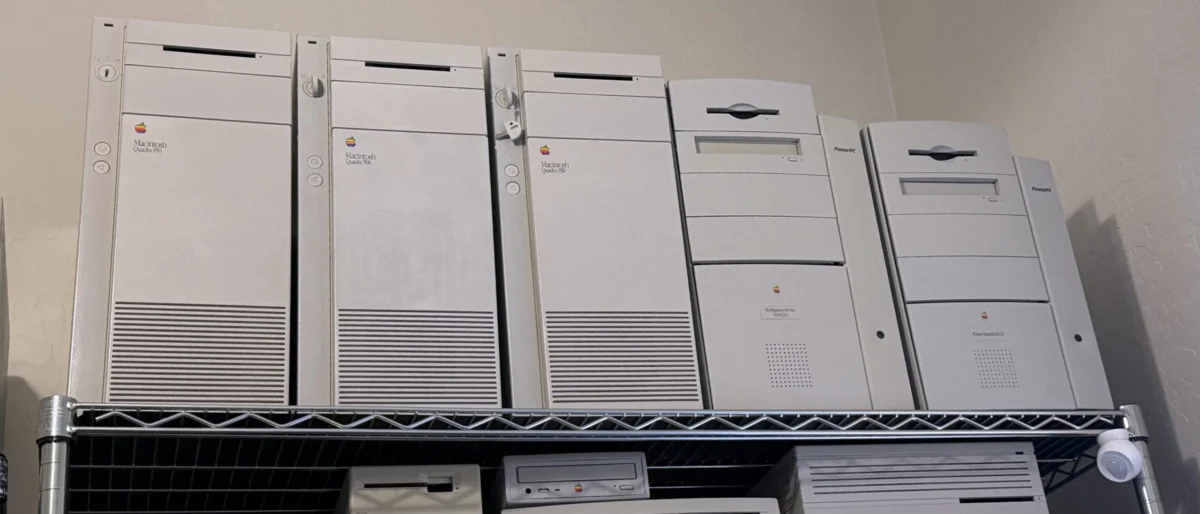
For decades, vintage computer enthusiasts have grappled with the inevitable physical degradation of 1980s and 1990s hardware, specifically the unsightly yellowing of the iconic Apple Platinum plastic chassis. This discoloration is not merely an aesthetic blemish; it is a chemical consequence of the brominated flame retardants integrated into the ABS (acrylonitrile butadiene styrene) plastics during the manufacturing era. As these polymers interact with ultraviolet (UV) radiation and atmospheric oxygen, the bromine atoms disassociate, leading to the characteristic yellow-brown patina that plagues collections worldwide. While chemical "retrobrighting" processes—involving hydrogen peroxide and light exposure—have become the industry standard for remediation, they are insufficient for addressing structural damage, missing components, or deep-seated pigmentation shifts.
The Chemical Context of Plastic Degradation
The aesthetic decline of vintage Apple hardware, including the Macintosh SE, Classic, and Quadra series, is rooted in material science. In the late 1980s and throughout the 1990s, Apple utilized high-impact ABS plastics reinforced with bromine-based flame retardants to meet safety standards. While these additives were effective for fire prevention, they are inherently unstable under long-term exposure to light.
When UV photons strike the surface of the plastic, they catalyze the formation of free radicals, which subsequently oxidize the polymer chain. This process results in the formation of chromophores—molecular structures capable of absorbing visible light and reflecting the yellowish hues observed by collectors. Once this chemical transformation occurs, the plastic is permanently altered. While hydrogen peroxide solutions can reverse this process by oxidizing the chromophores back into a neutral state, the underlying structural integrity of the plastic remains fragile. When a piece is missing or requires significant bodywork, physical restoration through paint becomes a technical necessity rather than a stylistic choice.
Chronology of Restoration Methodology
The evolution of restoration techniques has shifted from simple cleaning to complex chemical and mechanical engineering.
- 1990s–2000s: Collectors largely relied on abrasive polishing and generic off-the-shelf beige paints, which often resulted in "bright white" or "eggshell" finishes that clashed with the subtle, cool-toned Platinum aesthetic of Apple’s original industrial design.
- 2010s: The "Retrobright" era saw the rise of concentrated peroxide mixtures. The process, originally popularized by enthusiasts using high-strength peroxide creams and UV lamps, became the gold standard for maintaining original surface texture.
- 2020–2026: As the availability of original spare parts has plummeted, the community has turned toward advanced 3D-printing and precision color matching. Current efforts focus on replicating the exact "Apple Platinum" hue, which is distinct from standard industrial beige.
Challenges in Color Calibration and Texture
Achieving a factory-original look requires addressing two distinct variables: hue and surface morphology. The "Apple Platinum" color profile is not a singular, static value. Due to variations in manufacturing batches, geographical climate differences, and the degree of oxidation each machine has experienced over the past 30 years, no universal "Platinum" swatch exists.

Recent analysis within the hobbyist community, supported by contributors on technical forums such as the 68kMLA, indicates that the color value resides near the RAL 7044 specification, commonly known as "Silk Grey." However, the sheen is equally critical. Factory-fresh Apple plastics were characterized by a low-sheen, matte-to-satin finish. When amateur restorers apply high-gloss paints, the resulting aesthetic deviates significantly from the original design intent of the Apple industrial design team.
Furthermore, surface texture is frequently overlooked. Modern 3D-printed components possess a layer-line topography that is entirely absent in injection-molded plastics. To bridge this gap, restoration experts have developed multi-stage finishing protocols. These typically involve the application of a high-build primer, followed by a light texture-coat spray—often utilizing textured white paints—to mimic the slight graininess of the original ABS material before the final color coat is applied.
Case Study: The Quadra 950 Reconstruction
The Quadra 950 serves as a primary example of high-end restoration complexity. Because the 900-series cases feature a conductive internal metallic coating—essential for the era’s FCC-mandated radio-frequency interference (RFI) shielding—restoration cannot be performed using standard cosmetic techniques.
When a Quadra 950 sustains internal damage, such as battery leakage or structural cracking, the restoration process requires:
- Chemical Stripping: Removing the degraded outer layers.
- Conductive Re-coating: Applying a nickel-based conductive paint to the interior to maintain electromagnetic compatibility (EMC) standards.
- Structural Repair: Utilizing resin-based fillers to bridge cracks.
- Precision Finishing: Applying the RAL 7044 matte finish to the exterior.
The technical requirement for conductive paint—such as the nickel-based solutions provided by chemical manufacturers like MG Chemicals—underscores that vintage computing restoration is a discipline rooted in electrical engineering as much as it is in visual art.
Broader Implications for Tech Preservation
The move toward precision painting and material replacement has significant implications for the museum-grade preservation of computing history. As original plastics continue to embrittle and eventually disintegrate, the reliance on high-fidelity reproduction becomes the only viable path to keeping these machines functional.

From an economic perspective, the market for "new-old" parts is expanding. Custom color-matching services and specialized aerosol vendors are beginning to cater specifically to this niche. While purists may argue that any alteration constitutes a loss of historical authenticity, the counter-argument is that without active intervention—specifically the use of accurate color-matched coatings—the hardware would be relegated to the scrap heap, effectively deleting a portion of the digital record.
Analysis of Future Trends
As we look toward the latter half of the 2020s, the integration of BlueSCSI technology, which allows vintage machines to interface with modern storage via SD cards, combined with high-fidelity chassis restoration, is creating a "best of both worlds" paradigm. The machines are visually indistinguishable from their 1992 counterparts but perform with the speed and reliability of modern storage solutions.
The success of these restoration efforts relies heavily on the open-source exchange of information. The transition from "guessing" the color at a hardware store to utilizing standardized RAL color systems represents a maturation of the hobby. It reflects a shift from haphazard experimentation to a standardized engineering approach.
Ultimately, the restoration of Apple Platinum hardware is a race against entropy. While chemical processes can slow the yellowing, they cannot reverse the fundamental molecular breakdown of the plastics indefinitely. The development of reliable, repeatable, and aesthetically accurate paint-matching protocols ensures that these machines will remain not only functional but visually representative of their era for years to come. Whether the objective is the preservation of a specific piece of computing history or the aesthetic satisfaction of a complete collection, the commitment to professional-grade restoration techniques remains the primary safeguard against the permanent loss of these iconic technological artifacts.