 Cecilia Chamidah Nur
The release of the Anbernic RG DS Plus, priced at $95, arrives just months after the December 2025 launch of its predecessor, the RG DS. This rapid iteration cycle reflects the current state of the retro-gaming hardware market, where manufacturers are increasingly focused on ergonomic refinements and cost-optimization strategies. While the RG DS Plus retains the core processing architecture of the original model, it introduces a series of hardware adjustments aimed at improving the user experience for dedicated Nintendo DS emulation enthusiasts.
Hardware Specifications and Technical Evolution
The RG DS Plus utilizes the same Rockchip RK3568 chipset as the original RG DS, maintaining consistency in computational power. However, a notable shift occurs in memory management; the RAM has been reduced from 3GB to 1GB. This decision appears to be a direct response to the global semiconductor supply chain constraints, specifically the "RAM crisis" that began in late 2026, which saw the cost of memory modules fluctuate significantly. By shifting from an Android-based operating system to a Linux-based architecture, Anbernic has mitigated the need for higher RAM capacity, as Linux distributions generally require fewer system resources to maintain baseline performance.
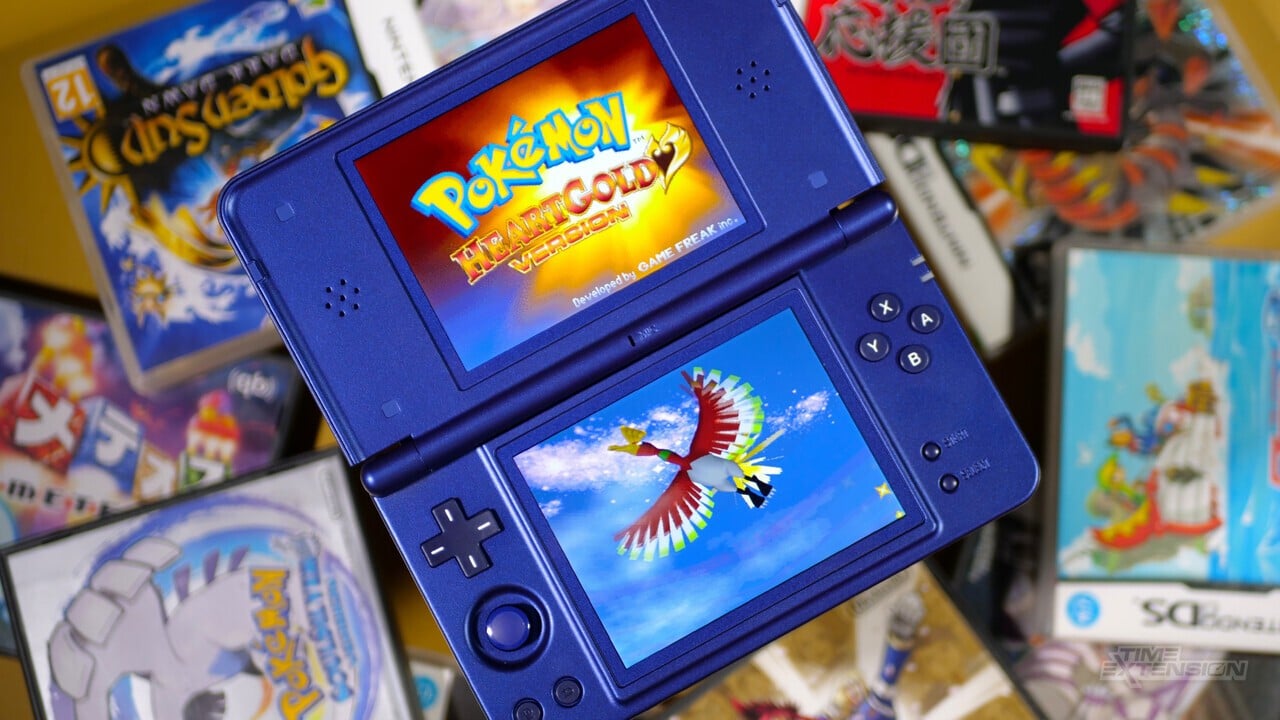
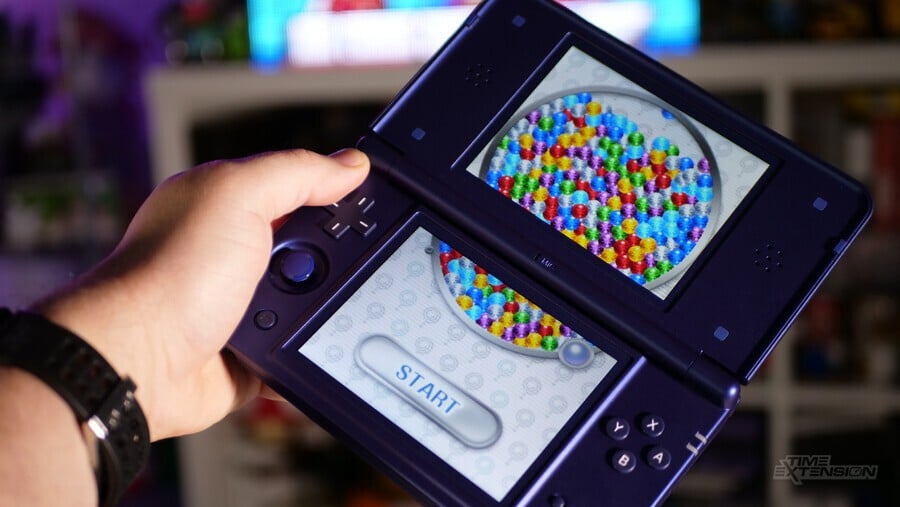
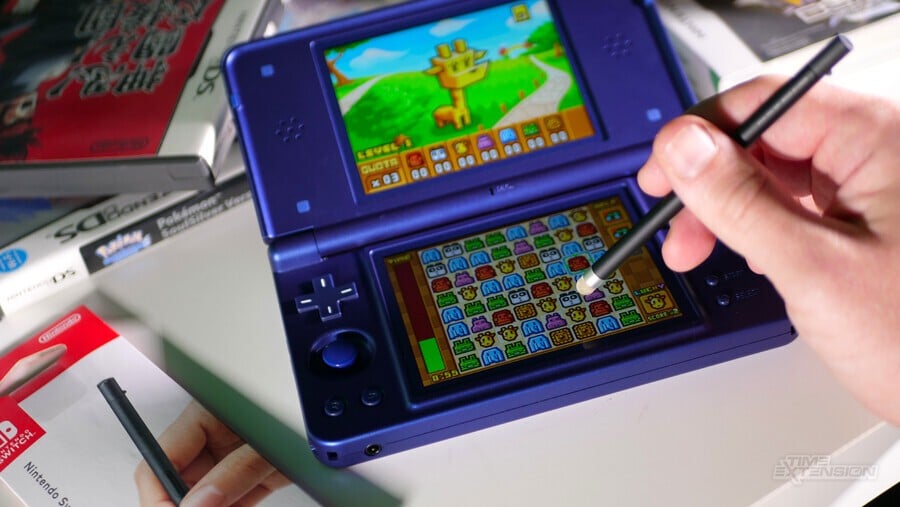
The most significant design departure is the implementation of dual 4.3-inch displays with a 1024 x 768 resolution. This configuration provides a 4:3 aspect ratio that enables perfect integer scaling for original Nintendo DS content, which utilized a native resolution of 256 x 192 per screen. The removal of touch functionality from the upper screen is a practical trade-off, as most DS titles rely on the lower screen for primary interaction. The device now features a capacitive stylus integrated into the chassis, addressing a major ergonomic critique of the previous iteration.
Chronology of the Anbernic Dual-Screen Lineup
The trajectory of Anbernic’s dual-screen project highlights a swift transition from prototyping to mass-market production:
- December 2025: Anbernic releases the inaugural RG DS, establishing a price point under $100 and utilizing an Android-based architecture with 3GB of RAM.
- Q3 2026: Widespread industry reports confirm a tightening of memory supplies, impacting the production costs of handheld devices across the sector.
- Q4 2026: Anbernic announces the NNDDSS emulator update (v1.0.2), optimizing software performance for dual-screen configurations.
- January 2027: The Anbernic RG DS Plus is officially released, signaling a pivot toward Linux-based systems to bypass the constraints of rising component costs.
Comparative Analysis: The Role of Custom Firmware
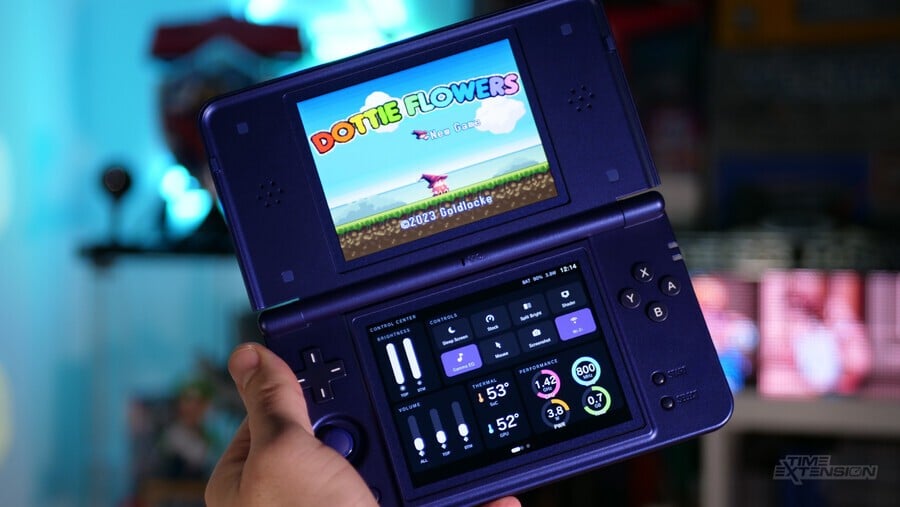
While the stock software provides a functional experience, the broader emulation community has demonstrated that third-party development remains critical to the viability of such devices. The emergence of GammaOS Nano, a specialized firmware variant, has proven to be a pivotal factor for power users. Unlike the stock OS, which requires manual configuration for metadata such as box art scraping, GammaOS integrates these processes natively.
Furthermore, the integration of RetroAchievements—a platform that adds modern achievement tracking to legacy titles—has become a significant differentiator. The current implementation on the RG DS Plus is limited to "softcore" achievements, but it represents a growing consumer demand for feature parity between retro hardware and modern gaming consoles. Analysts note that the reliance on custom firmware highlights a symbiotic relationship between manufacturers and the modding community, where open-source software optimization compensates for the inherent limitations of entry-level hardware.
Economic and Market Implications
The decision to price the RG DS Plus at $95—effectively undercutting the previous model—is an aggressive market strategy. By stripping away internal storage in favor of dual MicroSD card slots and optimizing the OS, Anbernic has created a device that prioritizes longevity and user-accessible storage over proprietary hardware complexity.
This model serves as a case study for the "RAM crisis" era of consumer electronics. Rather than attempting to maintain the hardware specifications of the 2025 model, Anbernic successfully downscaled the system to ensure retail availability and price stability. This approach allows the company to maintain a presence in the entry-level handheld market without compromising the core utility of the device: Nintendo DS and legacy system emulation.
Ergonomics and User Experience
Ergonomic design has been a central pillar of the RG DS Plus development. The transition from the bevelled, 3DS-inspired edges of the original model to a rounded chassis design significantly improves comfort during extended gaming sessions. The removal of the right-hand analogue stick, while limiting for titles that require twin-stick input, allowed for a more efficient internal layout and the inclusion of the integrated stylus.
Internal testing suggests that the weight distribution of the 344g device is well-balanced. The hinge mechanism, which allows for multi-angle locking, provides a level of durability that rivals official Nintendo hardware. However, the reliance on a 4000mAh battery without fast-charging support means that the device requires significant downtime between sessions. Given that the typical battery life is approximately six hours, users are expected to manage their usage cycles accordingly.
Broader Impact on the Emulation Landscape
The RG DS Plus occupies a unique niche. It is not intended to compete with high-end emulation devices like the AYANEO Pocket DS, which features OLED panels and superior processing power. Instead, it functions as a dedicated, purpose-built tool for the Nintendo DS library. By focusing on a specific use case, Anbernic has avoided the "feature creep" that often plagues competing devices, which frequently attempt to emulate high-end systems (such as PSP or Dreamcast) with varying levels of success.
Industry observers suggest that the success of this device may encourage other manufacturers to move away from general-purpose Android handhelds toward specialized Linux-based devices. This shift is particularly appealing to the enthusiast market, which values performance stability and system-level control over the flexibility offered by Android.
Conclusion
The Anbernic RG DS Plus demonstrates the benefits of iterative hardware design. By re-evaluating the requirements for successful dual-screen emulation, the manufacturer has addressed the primary concerns of the community while navigating a difficult economic environment. The transition to a Linux-based architecture, combined with the refined ergonomic profile and the inclusion of an integrated stylus, makes the RG DS Plus a logical choice for those seeking a dedicated, cost-effective method for playing classic dual-screen titles.
While the device lacks the high-end processing power of more expensive alternatives, its focus on performance stability for its intended use case—Nintendo DS emulation—positions it as a compelling entry in the current retro-hardware market. The integration of community-driven software like GammaOS further enhances its value proposition, suggesting that the most effective path forward for handheld manufacturers is to provide a reliable, modular hardware foundation that empowers the user to customize their own experience.